Latest Posts

U.S.S. Arizona Memorial at Pearl Harbor

Why we memorialize and remember sacred places

Few single events in history truly deserve the descriptor “The day the world changed forever.”

My top candidate?  December 7, 1941.

As the son of a World War II naval veteran, I had long heard about the impact of that day on my parents as well as my aunts and uncles – most of whom served in the war.  When I became a student of history, I read about the surprise attack on Pearl Harbor and felt the sacrifice made by the men and women who woke up on a beautiful Sunday morning in Hawaii and then – at 7:52 a.m. when the first bombs landed – had their lives shattered forever.

And as I think of the years that followed that “date which will live in infamy” – the engagement of the entire world in a horrific war; the dawn of the atomic age; the rise of the United States, the Soviet Union, and China; the growth of the military-industrial complex; the changes in how we view civil liberties – the impacts seem infinite.

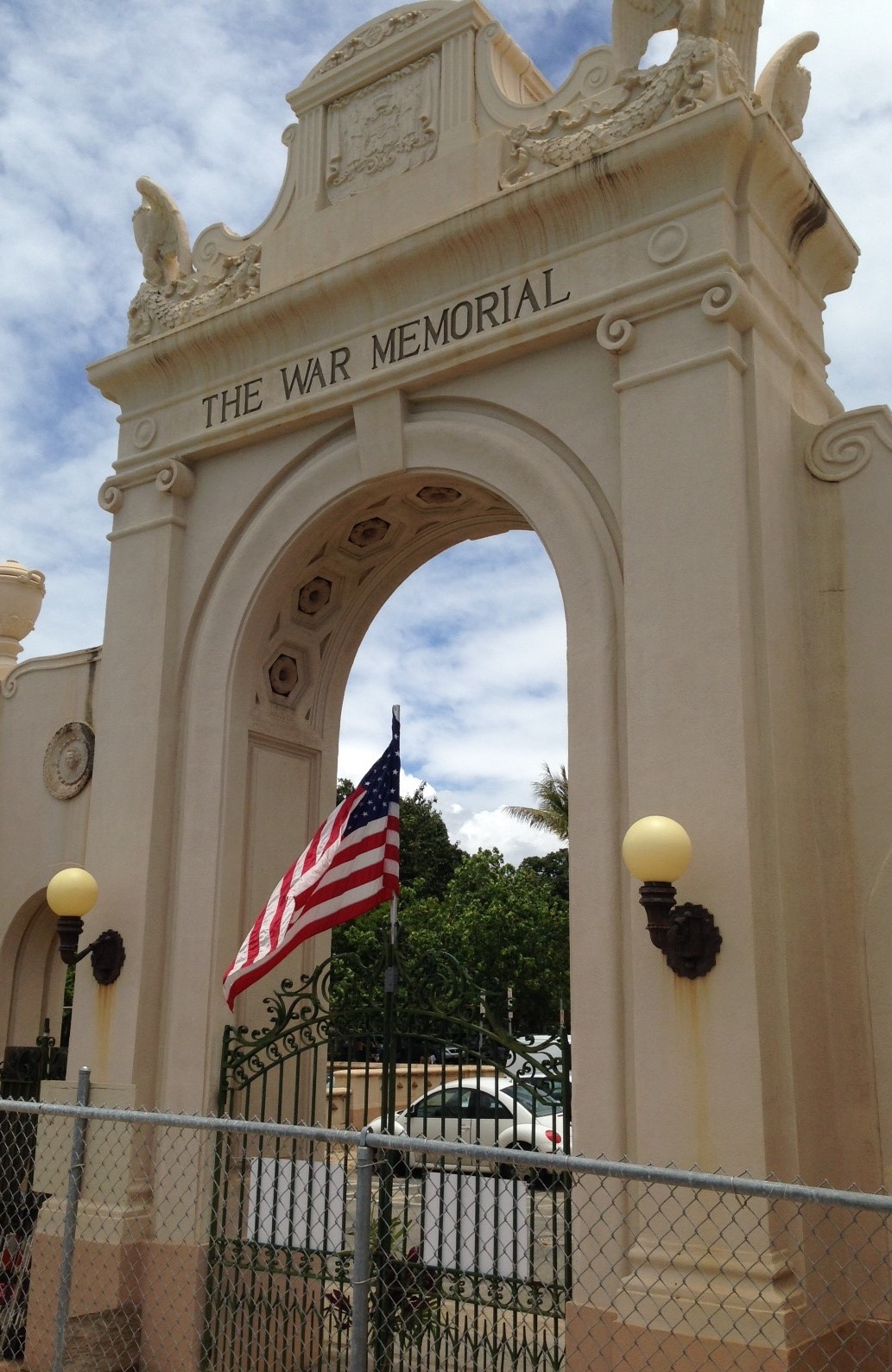
Earlier this week – prior to the Memorial Day holiday – I was at work with colleagues and partners in Hawaii, trying to save a memorial from an earlier war – the Great War.  When 10,000 citizens of the territory of Hawaii joined in the defense of our country during WWI, their sacrifice was recognized with a beautiful memorial – the Beaux Arts-style Waikiki Natatorium War Memorial.  As a saltwater pool situated at the foot of Diamond Head in the beautiful ocean waters, the Natatorium was designed as a living memorial:  a place from the past that would be relevant today and help provide repose and reflection for future generations.
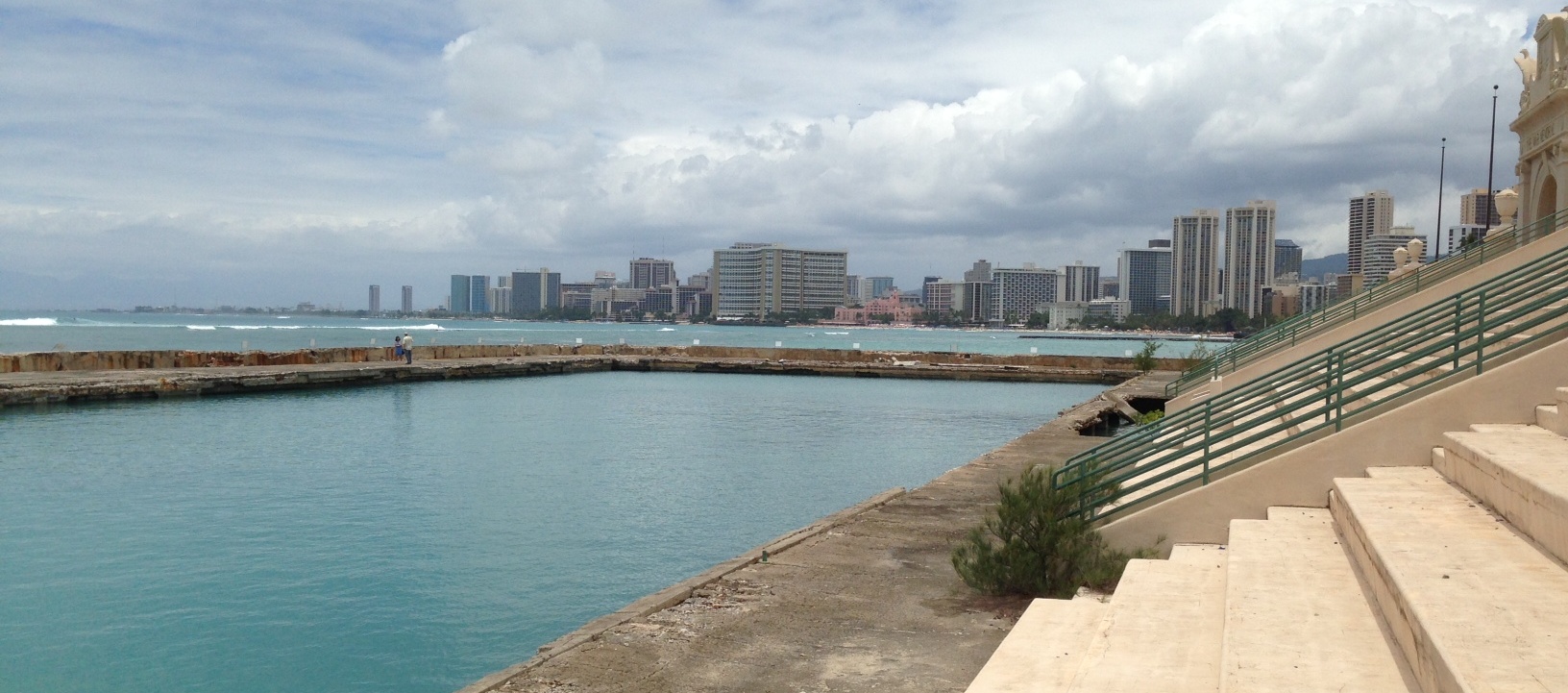
Natatorium and Waikiki Beach
Natatorium Arch

Unfortunately, the Natatorium has been allowed to deteriorate, and the cost of rehabilitation is open to question, as is the expense of demolition and replacement of the beach.  Adrienne LaFrance, writing for The Atlantic, has a beautiful essay about the importance of the Natatorium in The Improbable Persistence of Swimming Pools Built in the Ocean.  Near the end, LaFrance notes:

Many of those who long supported saving the pool have died. And so: stories of the old Natatorium are disappearing. And yet the architecture itself contributes to a narrative that is otherwise unavailable. It is a steady, hulking memory of the past that lives with us in the present. In the shadow of the volcano Diamond Head on one side, the Natatorium feels puny and new. But looking the other way, toward the modern hotels that crawl up the coast, the old memorial is like an anchor that keeps a piece of the past from being swept out to sea.

Memorials are about memory, which is “an essential part of consciousness” as quoted in my colleague Tom Mayes’ series of essays on Why Do Old Places Matter?

Places are key triggers for both individual memory…and collective memory, the memory shared by the larger society. Diane Barthel, in Historic Preservation: Collective Memory and Historic Identity, captures the relationship between individual memory and collective memory in a discussion of religious buildings: “Religious structures play a specially significant part in the collective memory as places where moments in personal history become part of the flow of collective history. This collective history transcends individual experiences and lifetimes.” One need only think about important national sites to see the blending of the two types of memory and how they are tied to place. 

I was reminded of all this as I stood on the U.S.S. Arizona memorial in Pearl Harbor last Friday – the beginning of the Memorial Day weekend. A chance comment that I had not been able to get a ticket to the memorial, made at an earlier work meeting, resulted in an early morning tour with my colleagues and Navy personnel on my last day on the island.  The solitude on a picture perfect day, the names of the 1,177 who died on the Arizona on December 7th, the two stones beside the wall of honor with the names of the survivors of the attack who later chose to be buried with their comrades, the views down to the sunken decks…all came together to memorialize a sacred place, and the sacrifice of those who died that morning.

U.S.S. Arizona in Pearl Harbor on Memorial Day Weekend

In this day and age, we glorify the individual and forget that it is the collective – the community – that holds us together.  Places such as the U.S.S. Arizona memorial – and I would argue the Waikiki Natatorium War Memorial – are indeed “places where moments in personal history become part of the flow of collective history.”  History that transcends individual experiences and lifetimes.

We are judged not just by what we build, but by what we choose to save and remember from the past.

With profound gratefulness on this Memorial Day for our men and women in service who made the supreme sacrifice.

More to come…

DJB

Image: U.S.S. Arizona Memorial by DJB

How to Lower Your Blood Pressure

Nats Bobble HeadsWhen it comes to the Washington Nationals, I’ve figured out how to lower my blood pressure: simply stop watching the game (or leave, as was the case last night) before Rafael Soriano comes out to “save” the ninth!

I am NOT a fan of leaving the game early, but Soriano’s brushes with disaster in the ninth inning are becoming much too predictable – and too hard on my heart!  Last night’s game was a case in point.

Candice and I strolled into Nationals Park on a picture perfect Friday evening.  The surprises began as we walked in the gate:  who knew it was Wilson Ramos bobble head night?!  So in the man cave I now have The Buffalo, down in his crouch, ready to catch a pitch from my Stephen Strasburg bobble head!  (And with former Nat Michael Morse – the Beast – in the on-deck circle, among others.)

In a break from tradition this year, the Nats jumped out early against the Mets, with a three-run first.  Young Tanner Roark was pitching a masterful game.  Teddy won the President’s Race.  The  bullpen joined the game in the 6th and held down the fort.  5-2 score through seven.  All was well with the world.

Then an unexpected rain shower showed up in the 8th inning. After Tyler Clippard recorded the final out in the inning, I turned to the our friend who has the season tickets behind us and said, “Okay, you’ll have to help Soriano get home.  We’re going to duck the rain.”  She just laughed.

Somehow, I had a premonition.  But predicting Soriano’s ninth inning meltdowns doesn’t take a rocket scientist these days.

We didn’t miss much.  Just two quick outs, then a nut runs out on the field and gets tackled by security personnel.  Soriano gets flustered and walks the next two, bringing the tying run to the plate in the form of the Mets hottest hitter, Daniel Murphy.  And Soriano gives up a long fly ball to right field, sending Jayson Werth to the wall, where he jumped – and robbed Murphy of a home run!

No, didn’t miss too much.

A win is a win, and Candice and I had a wonderful night together after she’s been out of town for a couple of weeks.  But please, guys, don’t always make those wins come with so much drama!

More to come…

DJB

Frank Solivan at Cedar Lane

Frank Solivan stirs the pot

If you had to be inside on a drop dead gorgeous Sunday afternoon in Washington, I couldn’t imagine a better place than sitting in the sun-drenched hall of Cedar Lane Unitarian Universalist Church listening to the incredible musicianship of Frank Solivan & Dirty Kitchen.

The Dirty Kitchen Band is on a roll.  Besides making the More to Come… Best of Bluegrass 2013 list (a high honor indeed!), banjoist Mike Munford is the 2013 International Bluegrass Music Association (IMBA) Banjo player of the year, while guitarist Christ Luquette is the IBMA Instrumentalist of the Year Momentum Award winner.  Bluegrass Today said that with their second release (On the Edge), Frank Solivan and Dirty Kitchen could now be reaching the kind of name recognition that puts them into any conversation about the elite contemporary bands.”  And what other band is fronted by a chef who will whip up a special meal for you prior to the concert (and hence the name).

Their two-hour show as part of the Concerts at Cedar Lane series showcased tunes old and new, all played with an incredibly high level of musicianship.  They opened with July You’re a Woman from the band’s debut album, and quickly mixed in tunes from a new Compass Records release coming this summer.  The jazzy Days Gone By written by Solivan’s cousin Megan McCormick, was a highlight of the new tunes. A couple of traditional gospel tunes – Cryin’ Holy and Wayfaring Stranger, the latter sung by Solivan’s mother – nodded to the traditional roots of bluegrass.

Dirty Kitchen Band at Cedar Lane

But when the Dirty Kitchen Band stretched their chops, they were impressive indeed.  The arrangements were tight, controlled, yet still exhilarating.  A reworking of Pure Prairie League’s Country Song allowed these musicians to showcase their prowessWhen Solivan switched to his mandola, the musical timbre grew darker and more complex.

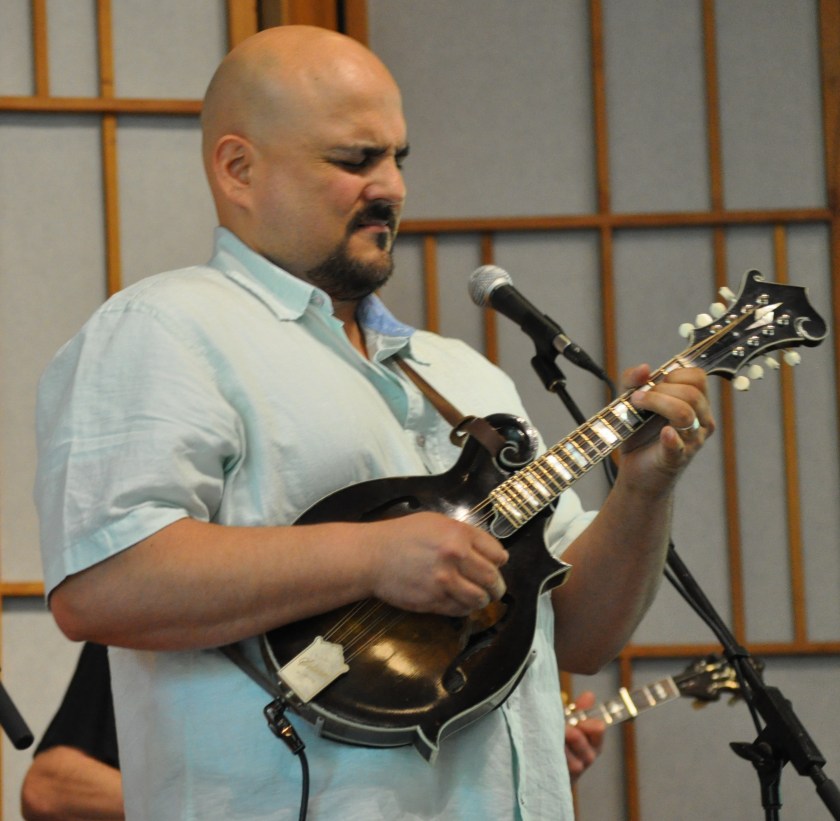
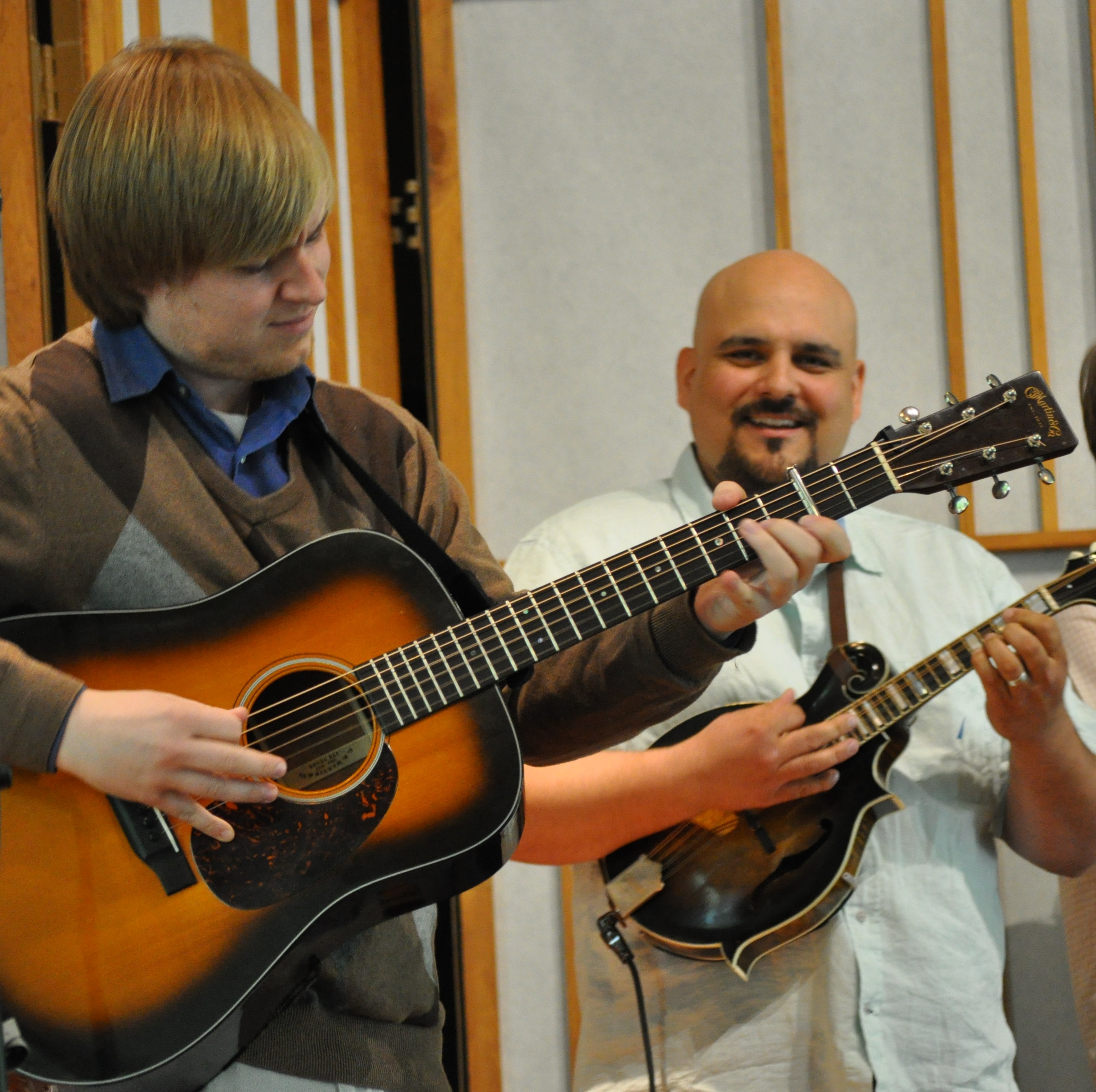
Frank Solivan and Chris Luquette

For me, the highlight was toward the end of the second set when Luquette hit the opening notes of the Tony Rice instrumental Is That So from the Mar West album. In the hands of Luquette, Solivan, and the Dirty Kitchen Band, Rice’s beautiful tune was respected and expanded.  Munford’s banjo added a new dimension not found on the original, and bassist Dan Booth anchored this jazzy tune with the same strong musicianship he demonstrated all afternoon.  We don’t hear enough of Tony’s instrumental songbook in acoustic music today.  This was a terrific arrangement that I hope will end up on a future Dirty Kitchen album.

Mike Munford

The Letter and an encore “for friends, old and new” ended what was a very satisfying afternoon of bluegrass.  Frank Solivan and Dirty Kitchen are playing a few more dates in the metro DC area this summer, in addition to major festivals such as Telluride and Grey Fox.  If you get the chance to hear this band, do yourself a favor and check them out.  Until then, enjoy the video of The Letter, as Solivan, Munford, and Luquette trade solos back and forth with all the ease and skill you expect from such a pot boiler of a band.

More to come…

DJB

Nikckel Creek Reunion Tour in Charlottesville

Haven’t missed a beat

Seven years after their “Farewell for Now” tour in 2007, Nickel Creek – the precocious bluegrass child prodigies who’ve grown into some of the best progressive string band musicians of this or any generation – reunited this year for their 25th anniversary tour.

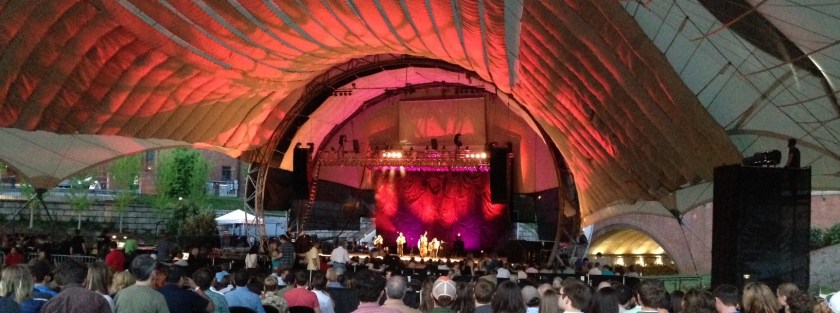
Nickel Creek Reunion in Charlottesville

You may ask how a band with players in their early-to-mid-30s has a 25th anniversary tour.  Well, mandolin mad man Chris Thile was nine when the band first formed, and neither of the Watkins siblings were teenagers back in 1989.

It doesn’t really matter.  I’m just glad they’ve come back together for this tour.  And I was thrilled to see this group of talented musicians – anchored by veteran bass player Mark Schatz – last evening in Charlottesville.

I was at the downtown mall pavilion for the 2007 farewell tour…and I was at the same place for the reunion last evening.  If you don’t believe me, I have the t-shirts to prove it!

Nickel Creek Farewell Tour t-shirt from 2007
Nickel Creek Reunion Tour t-shirt

In addition to the reunion tour, Thile, fiddler Sara Watkins, guitarist Sean Watkins, and Schatz released a new CD entitled A Dotted Linetheir first in eight years. Last evening’s show was equal parts material from the new album and old fan favorites.

With Rest of My Life, the opening tune from the new album, I was reminded last night about how different this band is than Thile’s other major project, The Punch Brothers. Nickel Creek has always been about songs – not just players with amazing chops playing incredibly complex tunes. Nickel Creek has chops aplenty, as seen with the terrific instrumentals they played in Charlottesville. The band ripped through Scotch and Chocolate, The Smoothie Song, and Ode to a Butterfly – all well-known pieces from their canon that elicited roars of delight from the crowd within the first three or four notes. But in the songs they picked from A Dotted Line as well as from earlier albums, they reminded us all that they have great musical tastes and an interplay that can only come from growing up together.

There were many highlights from the 90 minute+ show.  Besides the opener, other tunes from the new album that were favorites included Sean’s 21st of May about the rapture that never came; the instrumental Elephant in the Corn (which featured Thile’s introduction about how their naming of instrumentals had improved with the time off – so much so that this song has its own shirt, which I also have); and the rocker/murder ballad Hayloft (with the lyrics, “My daddy’s got a gun, you better run…” you can guess the subject matter). Thile has described Hayloft as like a “Gatorade shower” on the listener, and reviewers note that in the hands of Nickel Creek  this oddity becomes a romp with chops.

Oh, what the heck.  There’s a great video of this song from last week’s show at the Ryman Auditorium.  Take a look if you want some fun.

There was also plenty from the band’s earlier albums to delight long-time fans. It was so good to hear When You Come Back Down, This Side, and – of course – The Fox to wrap up the set.  When Thile started that familiar mandolin chop, the crowd exploded.

So, to wrap this up, let’s have one video from the new album, the Sara Watkins tune Destination.

And for old times sake, let’s give another listen to the version of The Fox from Merlefest, where Claire and I heard this version live.  A true signature tune that never grows old.

Enjoy!

More to come…

DJB

Church in the old city of Stockholm March 2014

Beautiful Stockholm

Our trip to Scandinavia last month ended with Andrew joining Candice and me for four days in Stockholm.  While Claire (who had to head back to school) visited the city a couple of years ago, it was the  first time for the three of us.

We were not disappointed.

Candice had booked us in a small boutique hotel in the heart of the old city, just steps from the Royal Palace and the Cathedral.  That proved to be a perfect launching point for our explorations.

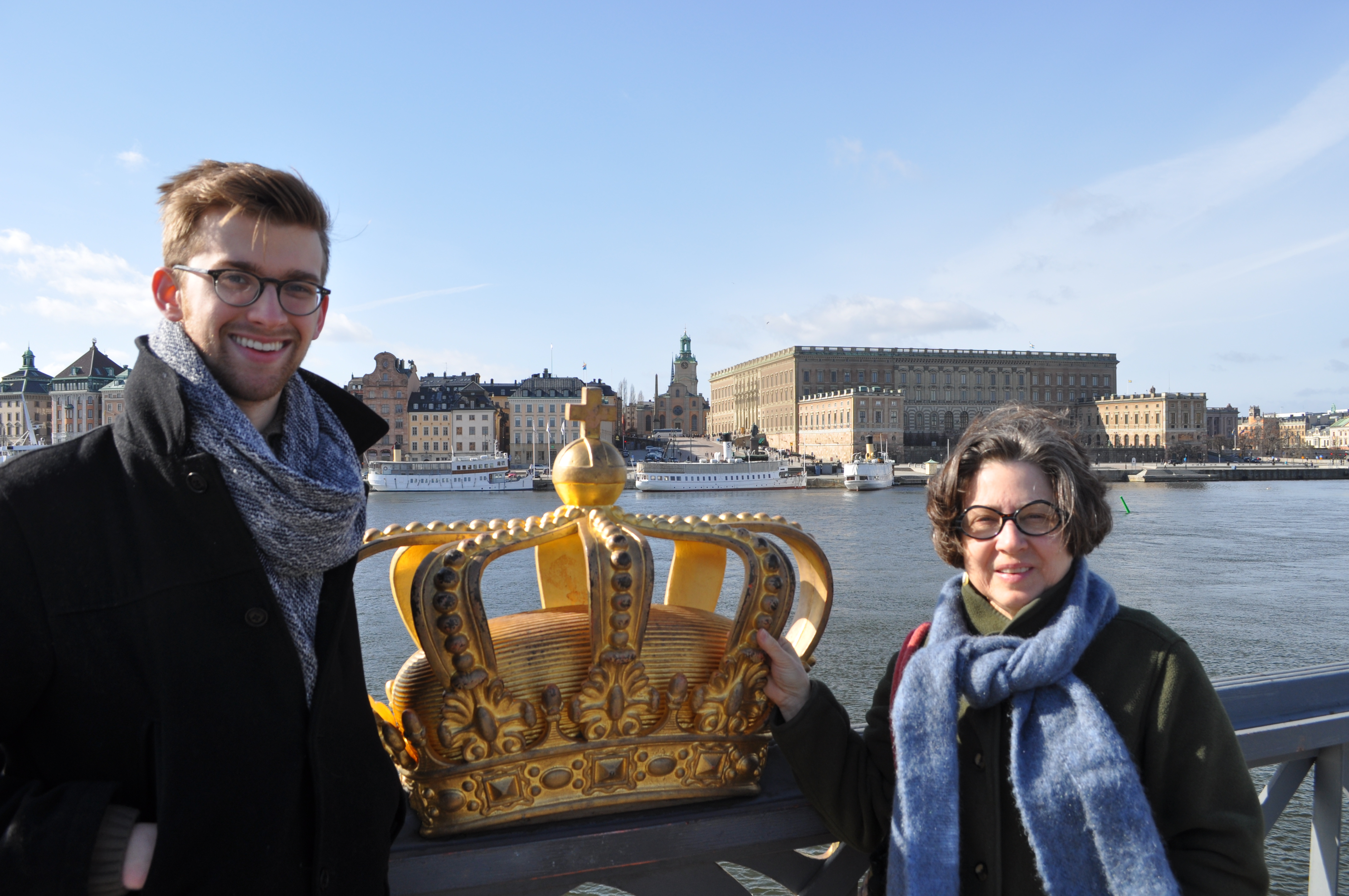
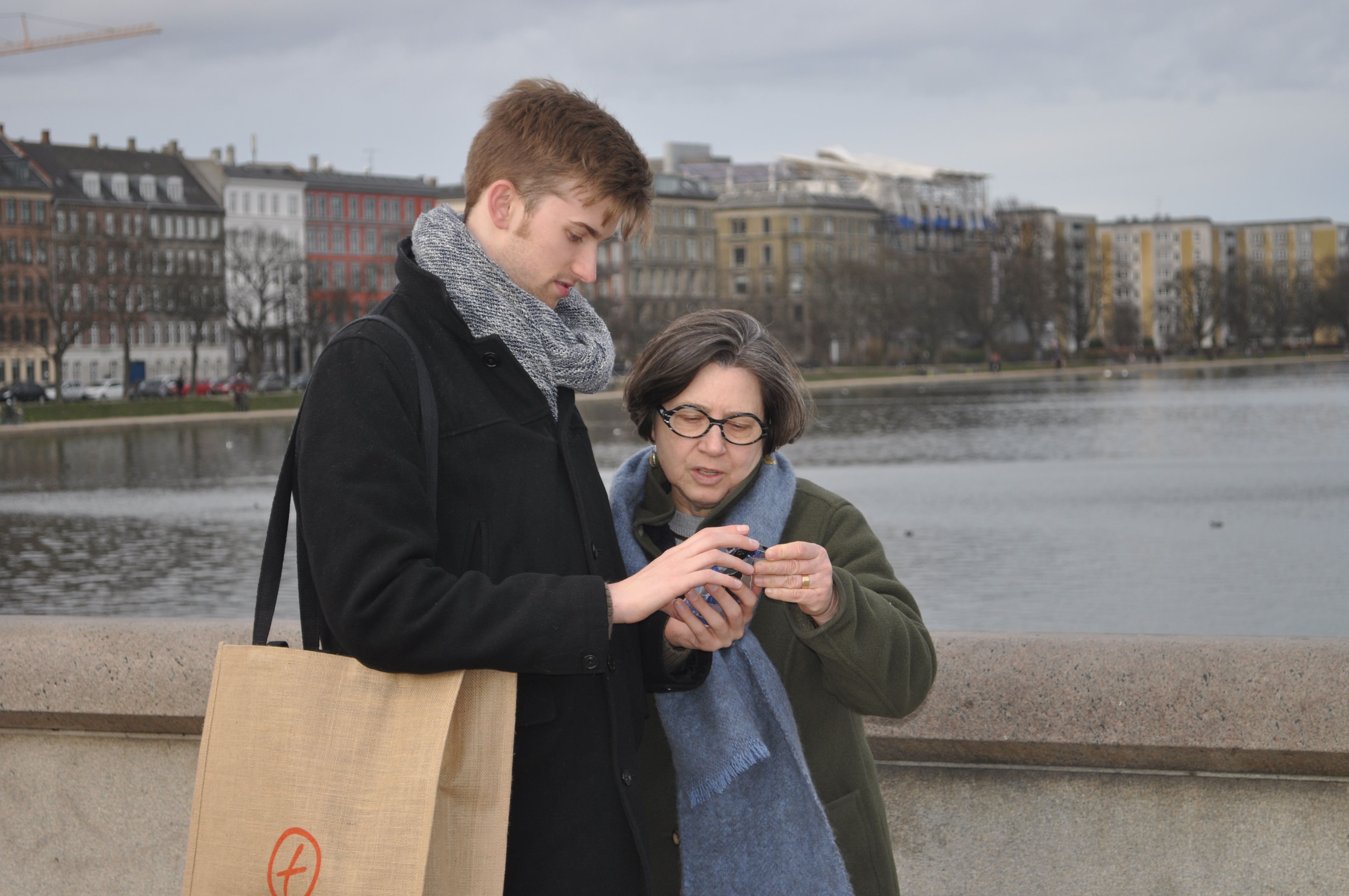
We knew we wanted to follow-up on our visit to the design museum in Copenhagen with a visit to the Swedish design museum. After walking over to an adjacent island (see Andrew and Candice on the bridge, with the Cathedral and Royal Palace in the background), we spent the better part of a day at the design museum and adjacent modern art museum, Moderna Museet.  

Andrew and Claire in Stockholm March 2014

We were all enthralled with Blockholm — The Fantastic City, a project where everyone was invited to rebuild Stockholm using the Minecraft computer game. The Moderna Museet collection was strong, and we loved the outdoor sculpture, including the orange tree in The Fantastic Paradise and Calder’s The Four Elements.

Stockholm, Orange Tree, March 2014
Calder's The Four Elements, March 2014

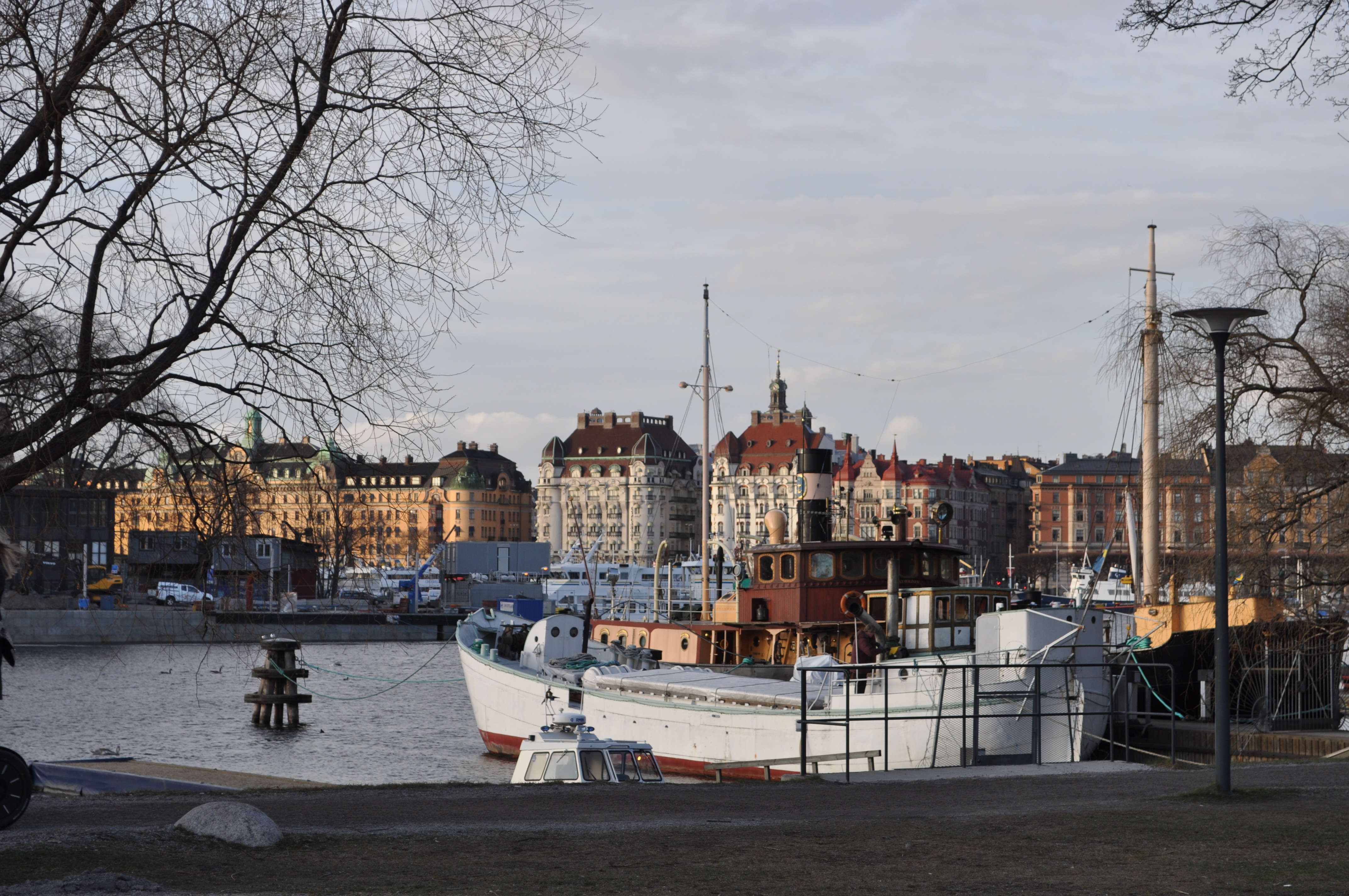
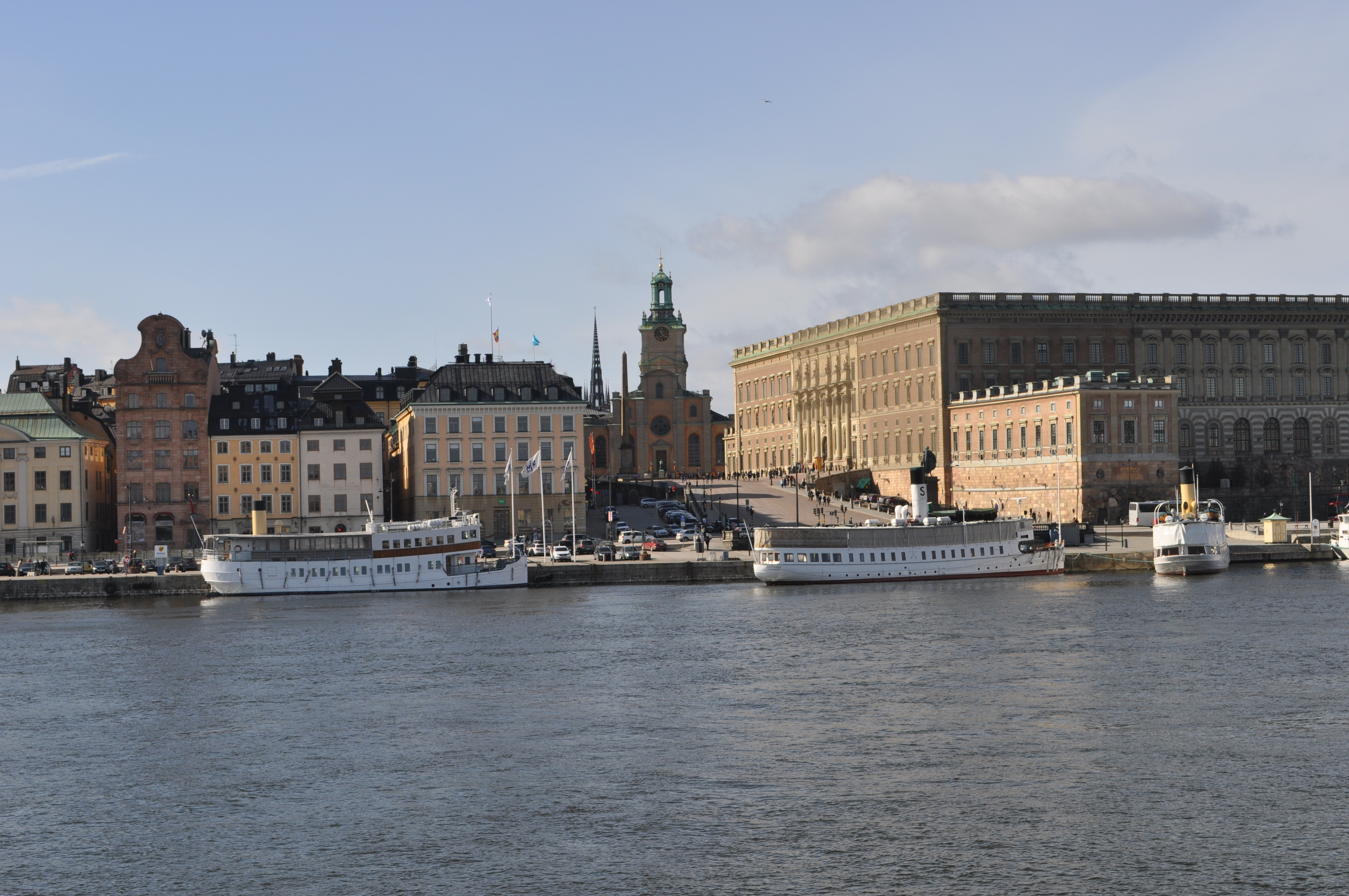
Stockholm is a city defined by water, and there were great views everywhere we turned.

Stockholm City View March 2014
Stockholm Cathedral and Palace from the Water March 2014
Stockholm Cityscape from the Water March 2014

The old city, with its small, winding streets and unexpected views was a photographer’s delight, where landmarks such as the beautiful German Church were seemingly around every other corner.

Old City Street March 2014
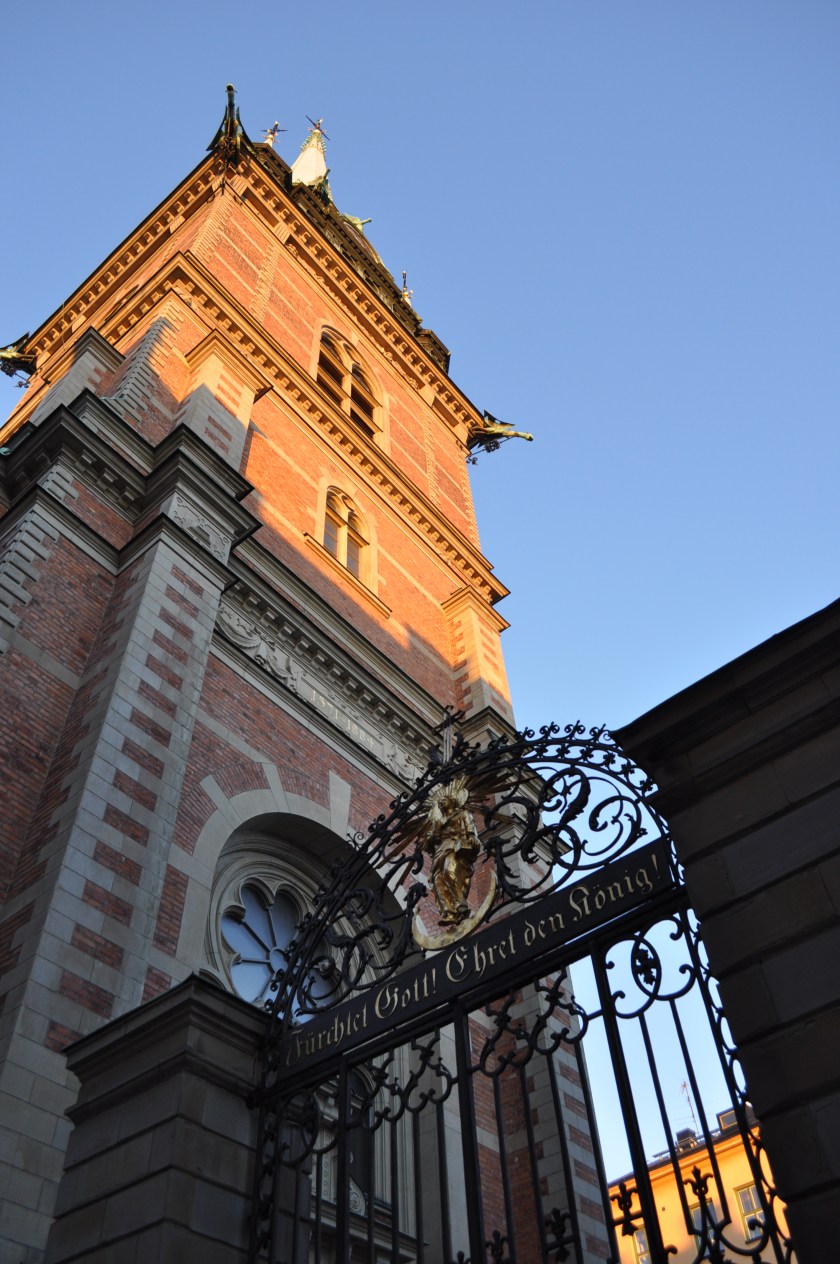
German Church in Stockholm March 2014
German Church Yard March 2014

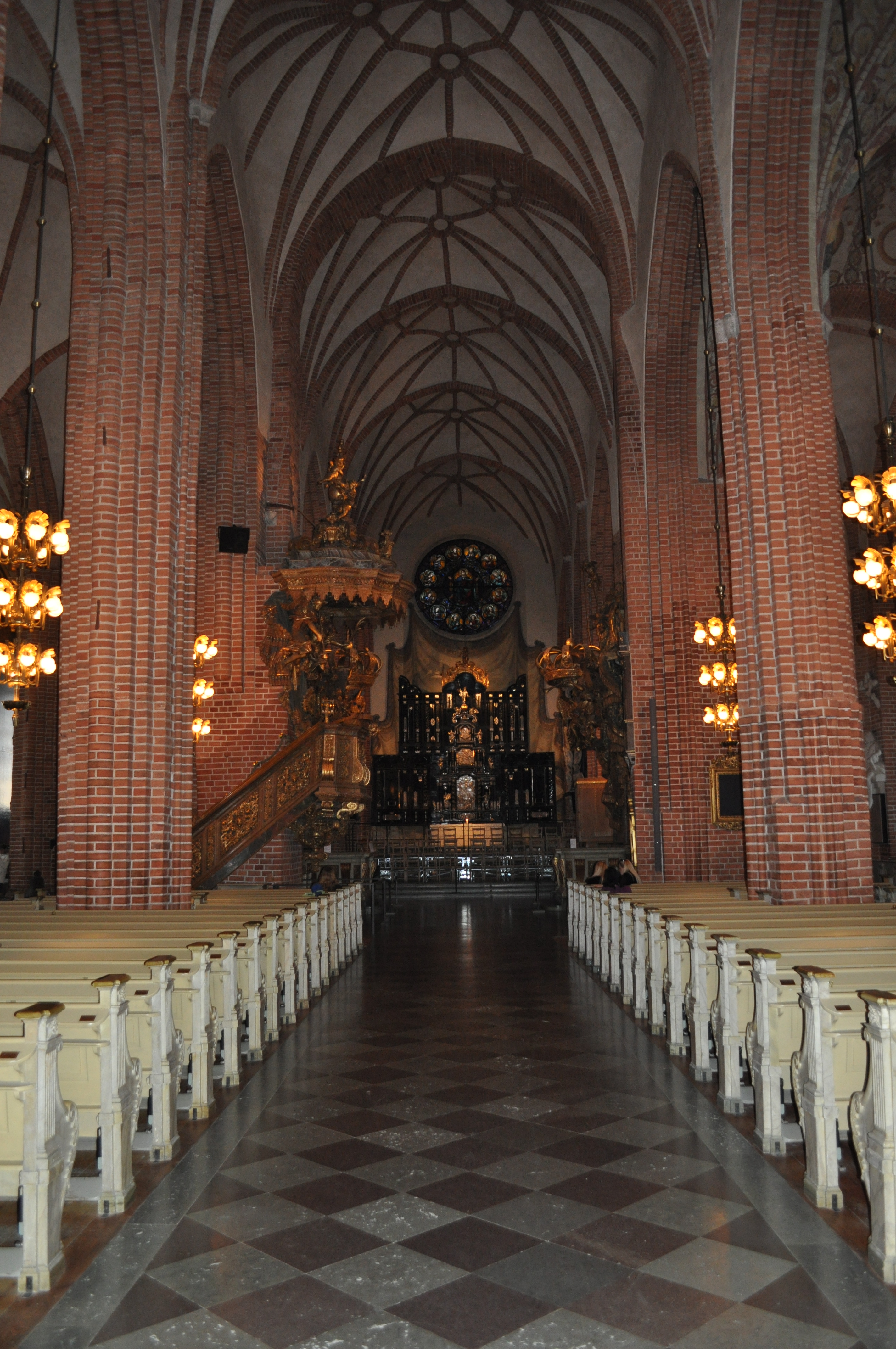
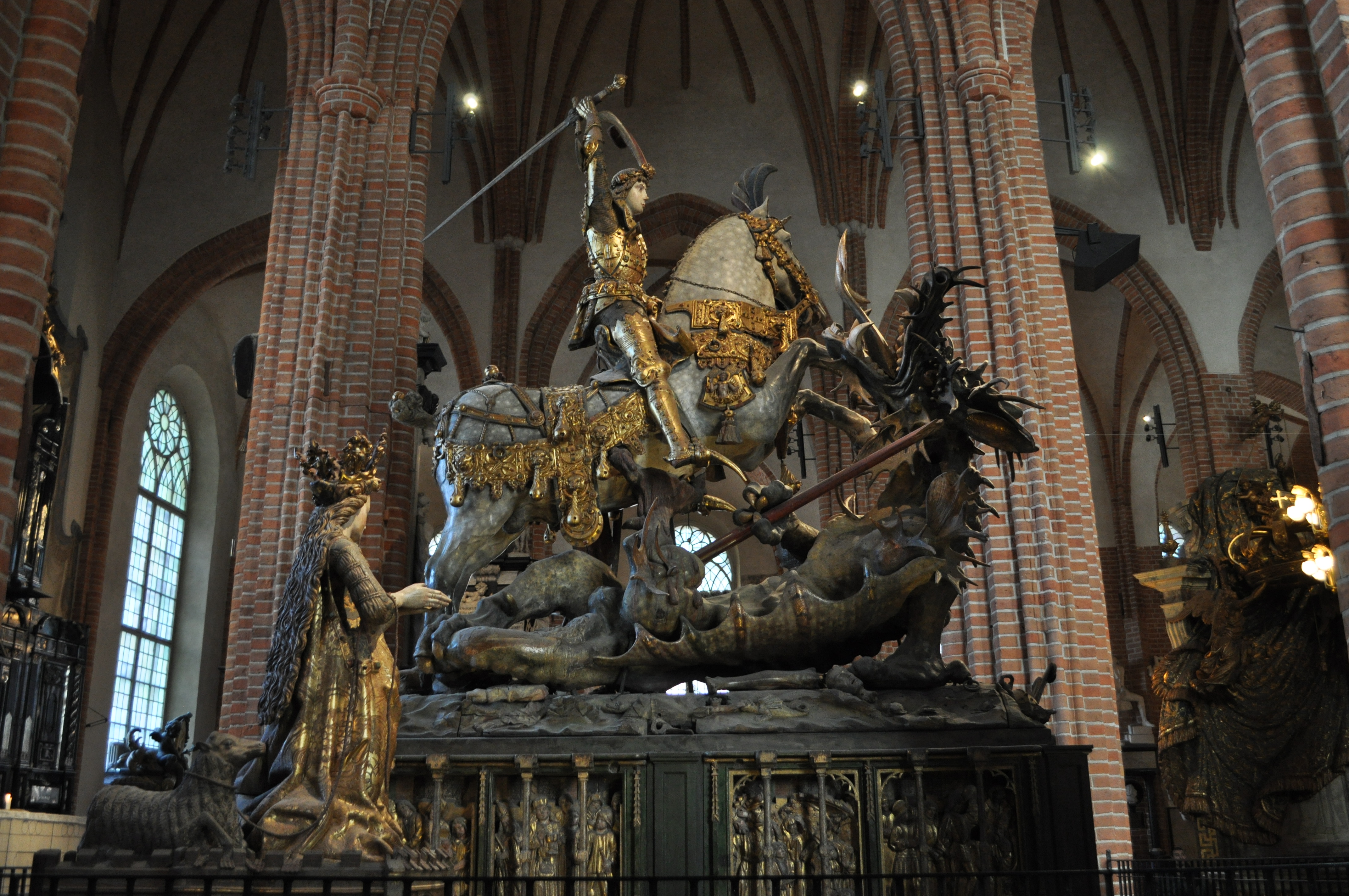
The Cathedral (known as the Church of St. Nicolas), just up the hill from our hotel, was a presence every time we stepped out our door and every quarter-hour when the bells chimed to remind us of the passing of time.  The beautiful interior featured a magnificent statue of St. George slaying the dragon.

Stockholm Cathedral March 2014
Cathedral Bell Tower March 2014
Nave in Stockholm Cathedral March 2014
Stockholm Cathedral, St. George and the Dragon, March 2014

We did museums throughout our time in Stockholm, including the Royal Palace and the Nobel Prize museum. On our last day in Stockholm we crossed to another part of the city to visit the Vasa Museum.  The Vasa – a wooden war ship – sank on her maiden voyage in 1628 and was raised in 1961.  Inside the museum is the conserved and restored ship, along with incredible exhibits about the men and women of Vasa and the 1600s in Sweden.  I haven’t been this amazed in a historical museum in quite some time.  And if the ship itself wasn’t enough, the last room contains an incredible permanent exhibit labeled Meantime, which provides a look at what was happening all around the world at the time the ship sank.  There is a reason this is the museum with the highest visitation in Stockholm.

Vasa Top Deck March 2014
Stockholm Vasa Museum March 2014
Stockholm Vasa Detail March 2014
Andrew at the Meanwhile Exhibit March 2014

After ten days in Scandinavia, it was tough to come home, but we’ll always remember being able to check off a bucket list trip with Andrew and Claire. Priceless!

More to come…

DJB

Bobby Jones Grave in Atlanta

Savor every precious moment

I’m going to interrupt my string of posts about our wonderful Scandinavian adventure to insert this short grab bag of recent experiences that have made me laugh, think, or cry (or more accurately in most of these cases: chuckle, pause, or tear up).  Because, in the words of that great philosopher Jimmy Valvano:

“If you laugh, you think, and you cry, that’s a full day. That’s a heck of a day. You do that seven days a week, you’re going to have something special.

So let’s gets started.

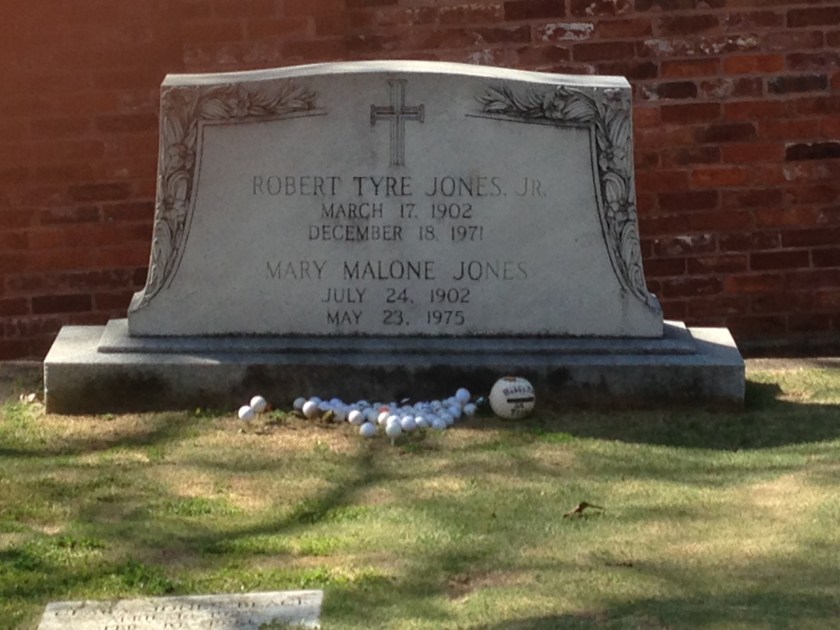
Since it is Masters week in Augusta, where better to begin than the grave of Bobby Jones in Atlanta’s beautiful and historic Oakland Cemetery.  I was in Atlanta last weekend for work, and we toured the cemetery…along with many other historic sites in the city. I’m sure the number of golf balls at the foot of Jones’ grave are much higher this week, as some Masters fans make the pilgrimage to Oakland every year.  But that interesting funerary art isn’t want caught my eye.  No, I soon realized that no matter where I was, Bobby Jones was always described as “The greatest amateur golfer ever.”  Exact same words every time. No quibbles from this group. Similarly, whenever the death of Margaret Mitchell (of Gone With the Wind fame) was mentioned, she was always run over by an “Off-duty taxi driver.”  Never just a taxi driver, but an “off-duty” hack.  I laughed after hearing the pattern for the fourth or fifth time, but I got to wondering how certain phrases become ingrained in our lexicon. Oh well…just a quirk of the Georgia Piedmont, I suspected.


And while we’re thinking about quirks and Georgia…take a look at this (because of what I’m about to write, I’m sparing the poor couple’s faces):

Georgia Tech Wedding

As we pulled up outside our hotel late last Saturday afternoon, this Georgia Tech wedding party was disembarking from the “Ramblin’ Wreck.” It does beg the question: How does the lovely bride step down gracefully from the rumple seat of a Model A Sport Coupe?  The answer:  Not easily. But that’s not what I want to write about.

No, I thought it would be fun to remind my bride of our own wedding some 32 years ago.  When Candice and I were married, I was in graduate school at Georgia Tech.  So I quickly took this shot and emailed it to Candice — with copies to Andrew and Claire — and asked “Why didn’t we think of this?”

Claire was speaking for her mother and brother, I believe, when she shot back her succinct take on the proceedings:  “So tacky.”  Gee, and I thought it looked like fun.  Oh well, I now have the perfect rejoinder in the future when Claire calls to tell me that she has decided to get married at the Pomona Country Club College campus.  I’ll just blissfully reply, “So tacky.”


Topic #3 has a similar Yellow Jacket theme (and I’ve added this since the original post, after remembering that I wanted to include this encounter as well):

While we were in Georgia, our group of friends and supporters went to Athens on Sunday for a terrific day of tours of some of the restored homes in the city’s historic district. The final event was at the home of the president of the University of Georgia – a beautifully restored antebellum mansion – and I was asked by our staff to make the final remarks.  So when I stood on the beautiful main stairway, I began with something like this:

It is great to be in Athens today at this beautiful home, to thank our hosts and our guests.  Our staff doesn’t quite understand the nuances of Georgia politics, so they thought it would be fine for a Georgia Tech graduate to have the final word at the home of the president of the University of Georgia…

That elicited a lot of laughter, and the comment from the crowd, “Well, now you’ve really lowered our expectations!”  But I continued bravely on, and in the middle of my remarks, I thanked legendary Georgia football coach Vince Dooley — who is a lover of history and a traveler on our National Trust Tours.

I want to thank Coach Dooley for joining us here this evening.  I understand he’s joined at least one of our members on a National Trust Tour recently, and I, for one, am glad that he’s moved from football to history.  My memories of Coach Dooley go back to the “Run Herschel Run” days…and they aren’t very pleasant.

More laughter.

But I have to say, Vince Dooley was so gracious and warm afterwards.  It was a real treat to meet such an accomplished gentleman.


On to topic #4.

Yesterday, I was reminded on a Daily Kos blog post that Kurt Vonnegut died seven years ago yesterday.  And the writer wanted to remind us why he was…well…Kurt Vonnegut.

  • True terror is to wake up one morning and discover that your high school class is running the country.
  • Laughter and tears are both responses to frustration and exhaustion. I myself prefer to laugh, since there is less cleaning up to do afterward.
  • Those who believe in telekinetics, raise my hand.
  • Plato says that the unexamined life is not worth living. But what if the examined life turns out to be a clunker as well?

and

Hello, babies. Welcome to Earth. It’s hot in the summer and cold in the winter. It’s round and wet and crowded. At the outside, babies, you’ve got about a hundred years here. There’s only one rule that I know of, babies—‘God damn it, you’ve got to be kind.’


Topic #5.

Thursday I skipped out of work early to catch the Nats and Marlins playing in a rare 4:05 start.  As I was leaving, I told my boss that I had an appointment with an ENT the next day, in part because, “My wife says I don’t hear too well anymore.”  She replied, “Well I think you hear just fine.  You know, selective hearing is a documented phenomenon.”  We both laughed, and I forgot about it, until I was in the chair at the ENT’s office yesterday afternoon.  After pleasantries (and catching up on Candice’s recovery from her concussion some two years ago), Dr. Picken asked why I was there.  I told her, in part because “My wife says I don’t hear too well anymore.”  She just smiled and asked me, “Does anyone else think your hearing has deteriorated?”  So I remembered my boss’ comment, and relayed that.  She said, “Your boss is right.  Selective hearing is a documented phenomenon, and it almost always happens in conjunction with our families.” Whoops. I had to laugh…and I’m soooo glad Candice laughed when I relayed the story to her.

I promise to work on that paying attention thing, dear.


Final topic.

I was in the line at the pharmacy this morning, waiting to drop off a prescription.  A mom with a set of boy-girl twins was in front of me, with the children in their two-seater stroller.  (The heavy equipment phase of child-rearing, as we used to describe it.)  The kids were beautiful, and they were having the most wonderful conversation about shoes.  The mom was so patient and kind.  It was a joy to simply stand there and watch the love.

After passing along their prescription, the mom gathered her things to leave.  I asked about the twins age.  She replied that they were two-and-a-half.  I smiled, and said I had 21-year old boy-girl twins, and this brought back lots of memories.  The mom asked if I had any advice.  I replied simply, “Savor every moment.”

More to come…

DJB

If you laugh, you think, and you cry, that’s a full day. That’s a heck of a day. You do that seven days a week, you’re going to have something special.
Read more at http://www.brainyquote.com/quotes/quotes/j/jimvalvano358463.html#u9HK9qKE7DHWw1YR.99
If you laugh, you think, and you cry, that’s a full day. That’s a heck of a day. You do that seven days a week, you’re going to have something special.
Read more at http://www.brainyquote.com/quotes/quotes/j/jimvalvano358463.html#u9HK9qKE7DHWw1YR.99

Image: Bobby Jones grave (by DJB)

Planes, trains…but no automobiles

Unlike their American counterparts, European cities are known for their many transportation options. Copenhagen and Stockholm fit this pattern, and we tested it all during our recent trip to Scandinavian.

With our family’s interest in preservation and urban planning, we headed into these cities with exploration in mind.  Andrew, after just six weeks in the country, knew Copenhagen like the back of his hand. So we had an expert guide for our first week.

What did we find?

Copenhagen Bike Counter

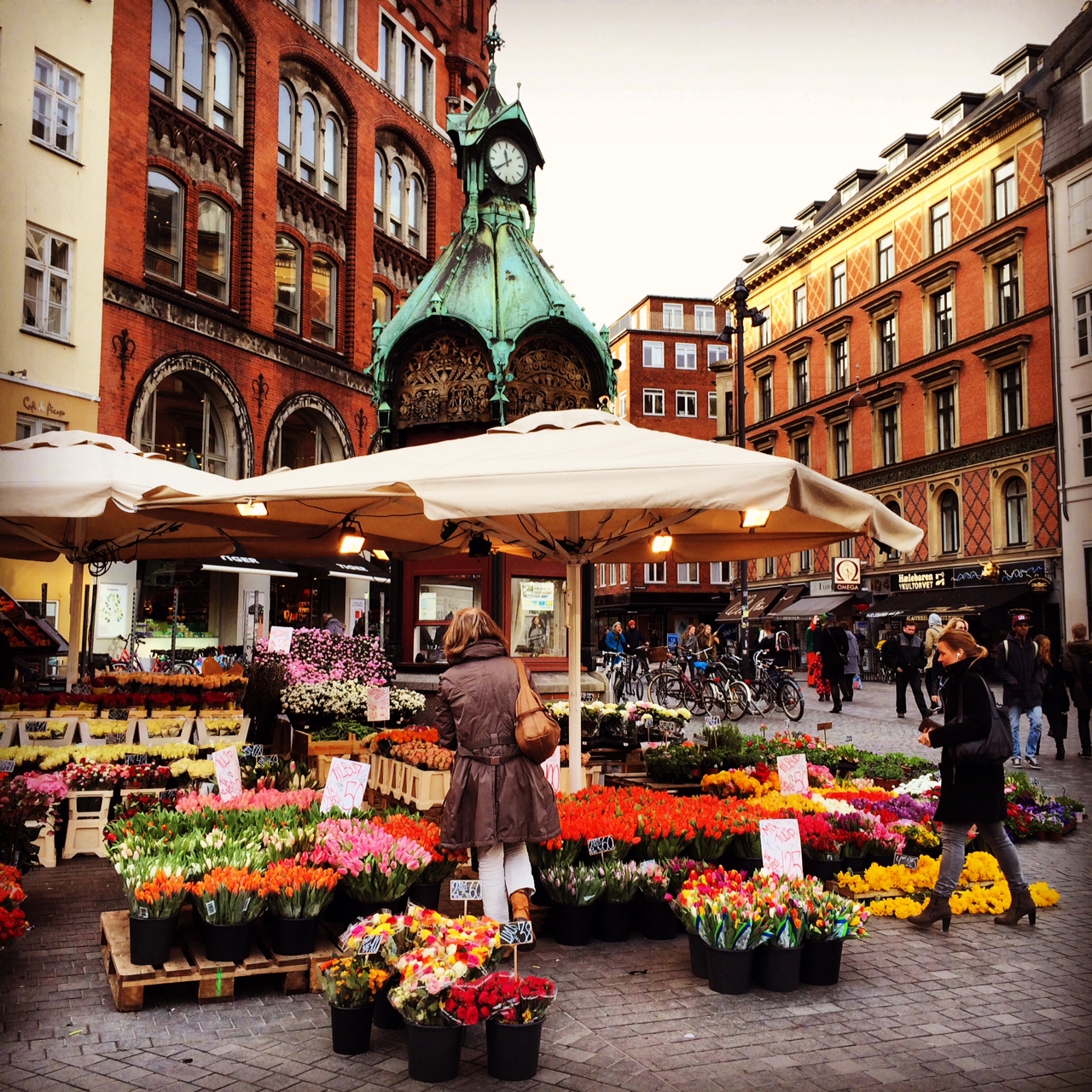
First, people walk a lot. They walk to the market to get their produce, and flowers, as seen at the top of the post. Also, Copenhagen knows how to make bicycles part of a real transportation network.  One-third of the city bikes to work, and with dedicated signals and lanes with curbs, they make it very easy for everyone.  The picture above is of a cycle counter that clocks thousands of daily bike trips across a busy bridge in the center of the city. Copenhagen residents also “dress for the destination, not for the trip” – meaning that they wear regular clothes instead of spandex when jumping on their bikes.  One of the great websites we found while in the city is Copenhagencyclechic.com, which posts pictures of stylish city residents on their bicycles. Andrew and Candice took a tour on bikes one afternoon and had a ball seeing the city at the pace of a two-wheeler.

Second, we tried every type of train imaginable over the course of our ten days overseas and enjoyed them all.  The U.S. is really missing out. High speed to Stockholm. Regular rail to Roskilde. Subways in both cities.  Light rail to get to the Vasa Museum in Stockholm. And the great thing about our experience? All the trains, buses, and other public modes of transportation are easily connected and accessible by the same ticket.

Third, Stockholm has the coolest subway stations I’ve ever seen.  Cut out of the bedrock, these tunnels are painted to turn them into wonderful pieces of art. Take a look below to see for yourself.

Stockholm Subway
Stockholm Subway Art
Stockholm Subway Train Station

One final thing we found out on this trip…once we stepped out of our taxi at Dulles airport, we didn’t have to step into another automobile until we arrived home.  Now that’s the sustainable way to travel!

More to come…

DJB

Roskilde Cathedral: Visiting a World Heritage Site

One of our more delightful days in Denmark was spent traveling by train to the city of Roskilde. We had told Andrew we wanted to see a bit of the countryside outside of Copenhagen during our visit, and he suggested we take a short 30-minute train ride and see this World Heritage Site.  It was a great suggestion.

We exited the train station and were immediately drawn into the historic core of this Viking-era city, which features a wonderful plaza and historic cemetery just steps away from the commuter train. We headed down the commercial center of the city towards the cathedral.  In the U.S., this would be considered a classic Main Street community – one in which the Main Street was doing very well.  Andrew and Claire headed off to explore stores, as Candice and I took a more leisurely stroll.

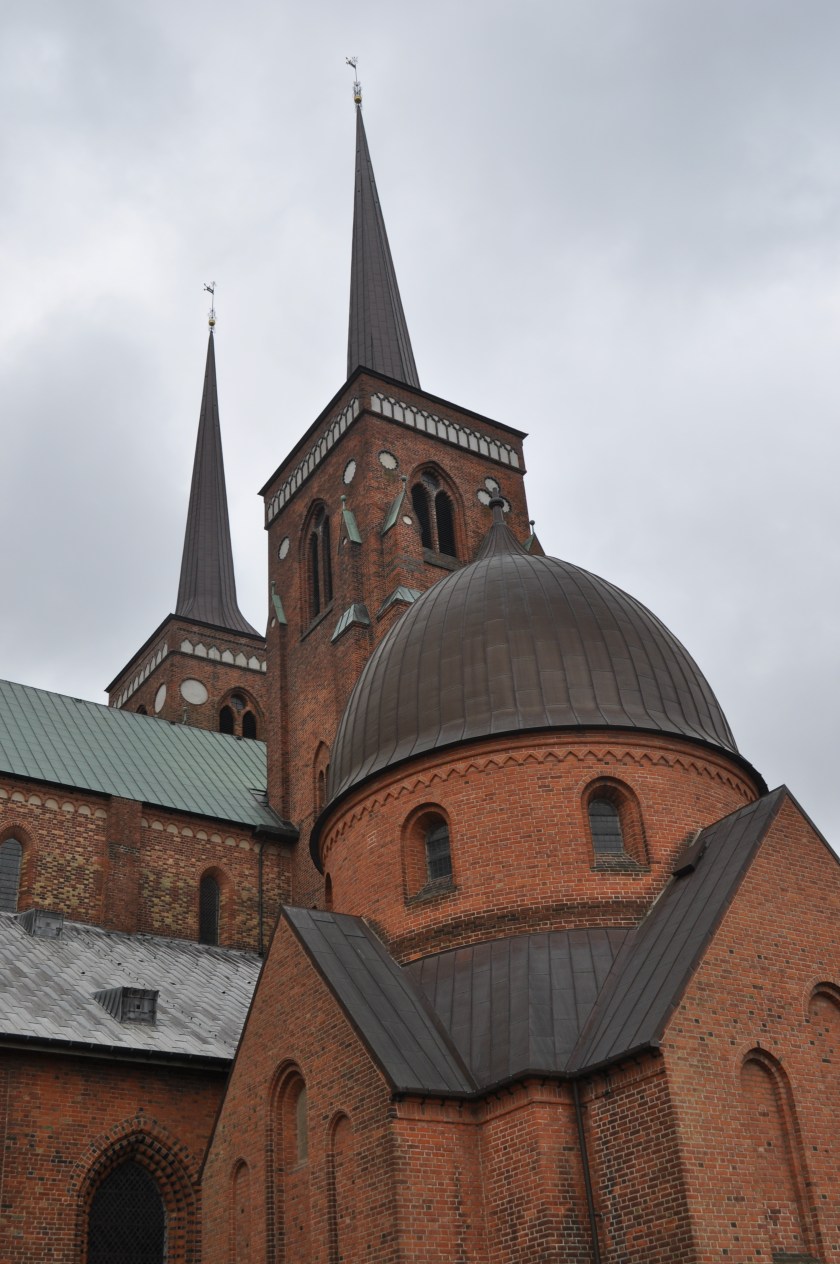
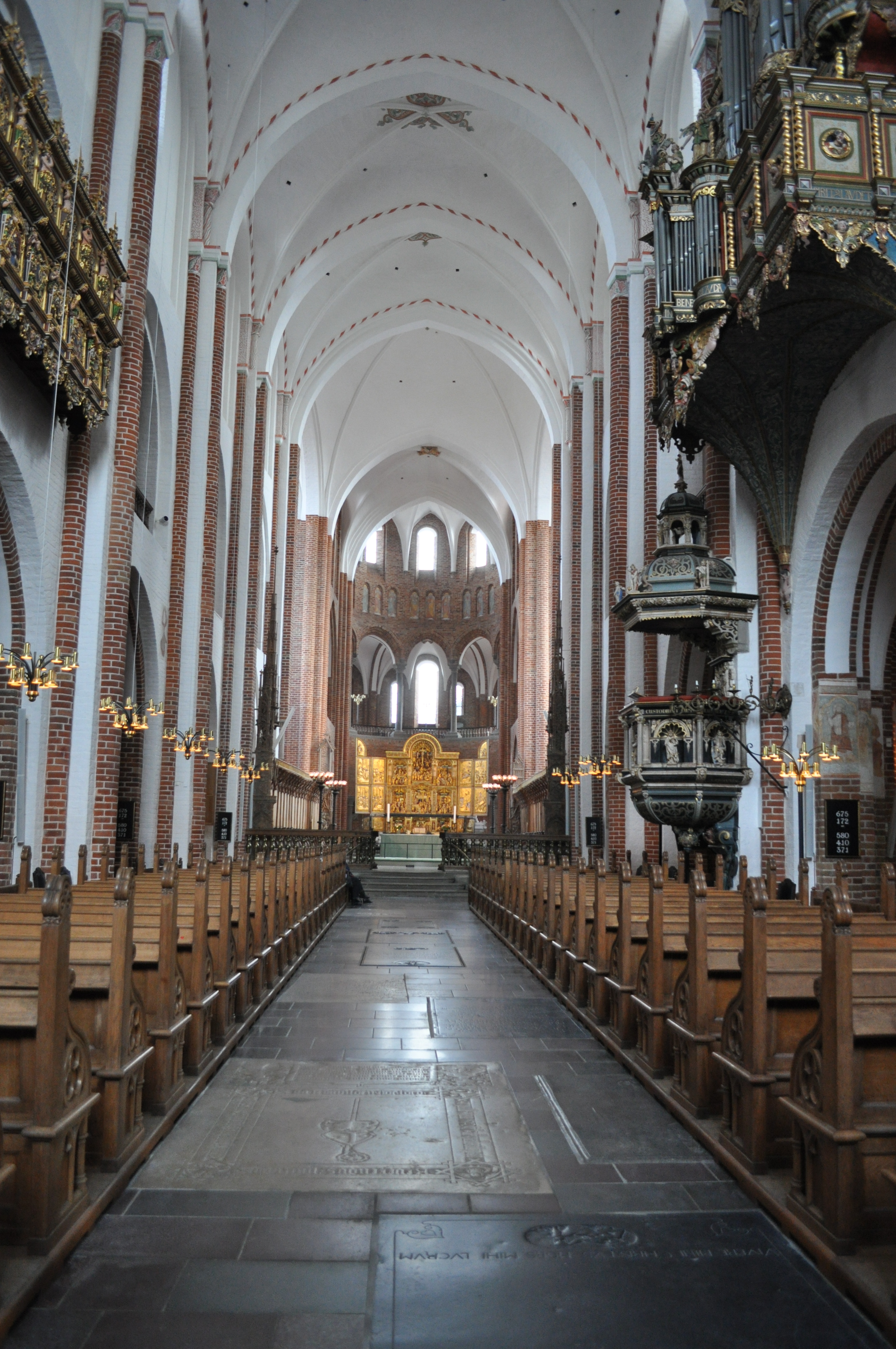
After a walk of several blocks, we came to the Cathedral square.  (Blog interruption:  I’m proud to say that once we exited the taxi at Dulles Airport to begin our trip, we never set foot in another car until we came home.  We traveled by subway, trains, bicycle, and foot throughout the 10 days.  More on this in a later post.)  Roskilde Cathedral was included on the UNESCO World Heritage List because it was Scandinavia’s first Gothic cathedral built of brick.  The cathedral, and the surrounding square, are a wonderful collection of architecture from the medieval period through the 1800s.

Built in the 12th and 13th centuries, this was Scandinavia’s first Gothic cathedral to be built of brick and it encouraged the spread of this style throughout northern Europe. It has been the mausoleum of the Danish royal family since the 15th century. Porches and side chapels were added up to the end of the 19th century. Thus it provides a clear overview of the development of European religious architecture.

Roskilde Cathedral Main Door
Roskilde Cathedral Nave

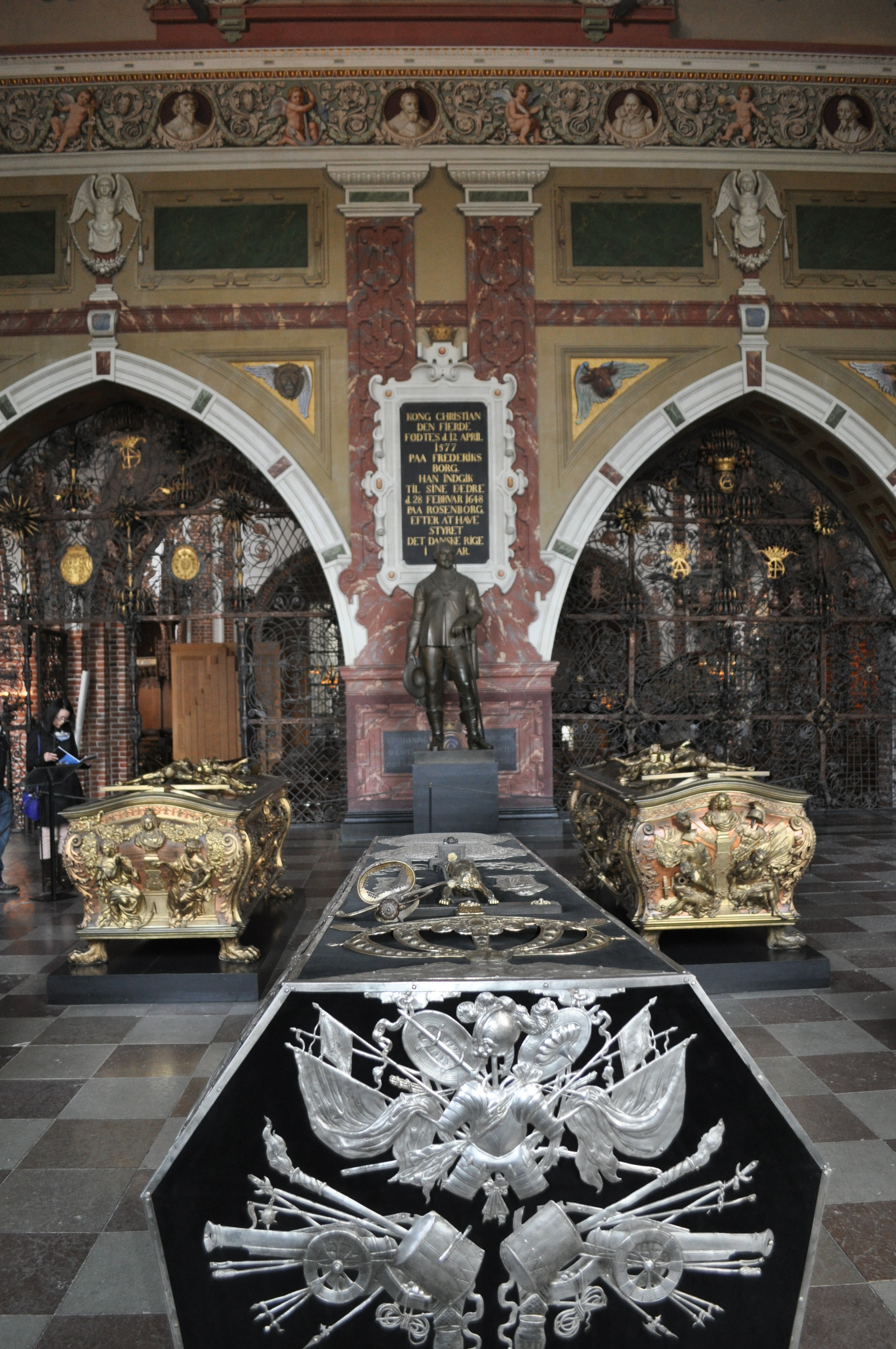
The brick construction makes Roskilde such a different experience from the typical stone Gothic cathedral.  In the course of our tour, we ran into a very knowledgeable guide who pointed out the areas where the brick was painted and frescoes added (some were being restored).  The cathedral has also served as the burial-place for Danish royalty. These various chapels – added on to the cathedral over time – were very much of their periods and gave the building a layered texture.

Roskilde Cathedral, Burial place of Denmark royalty
Roskilde Cathedral

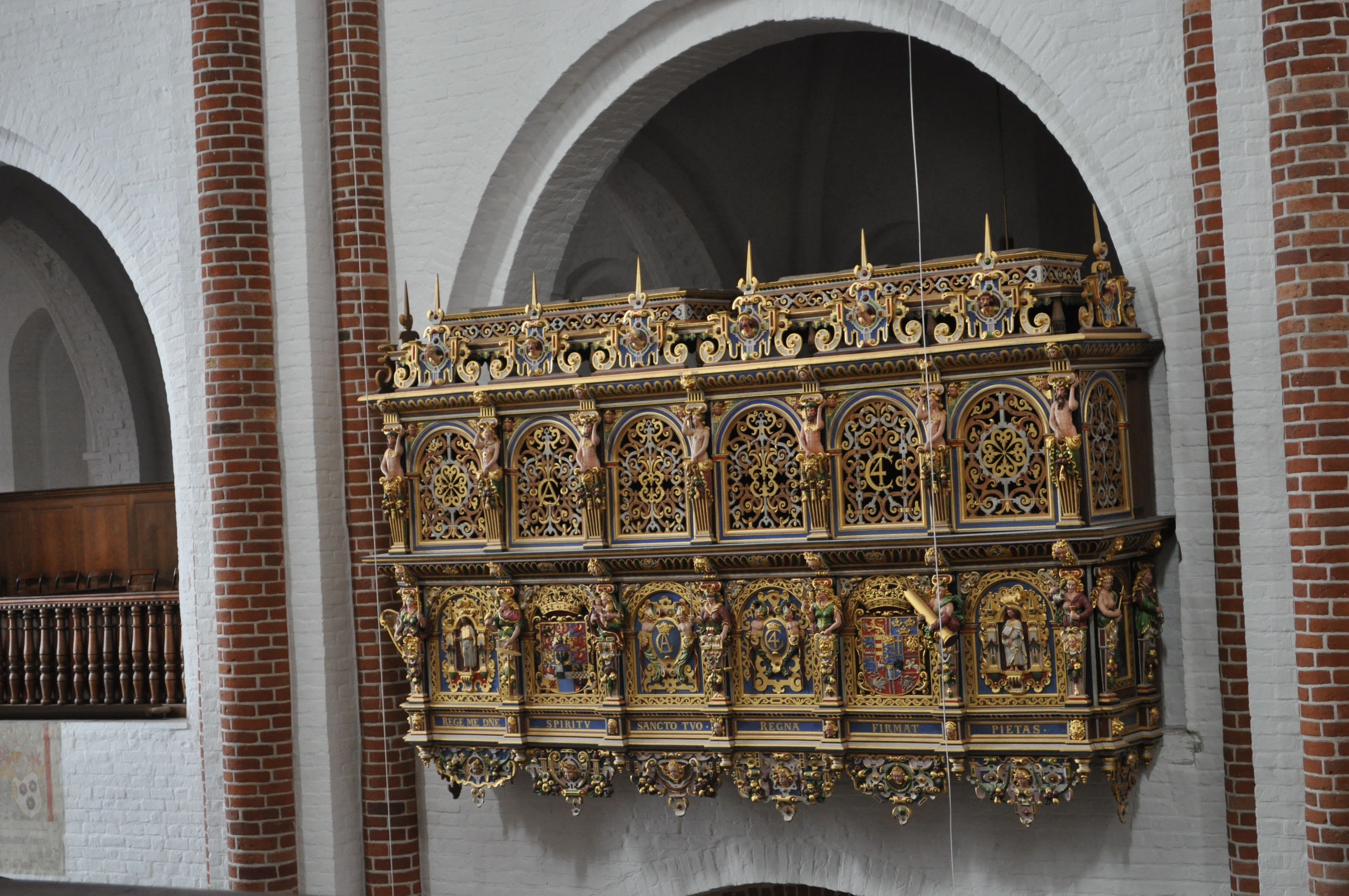
There were so many wonderful architectural details, that a few pictures cannot do justice to all that we saw.  Ironwork, plaster work, painting, brickwork, woodwork, and so many other features captured our eyes throughout our visit.

Roskilde Cathedral Ironwork
Roskilde Cathedral Detail
Christian IV's box, Roskilde Cathedral
Roskilde Cathedral Clock
Roskilde Cathedral Interior Door

Historic places that date from the 1100s give one such a sense of the continuum in which we exist. Roskilde is such a wonderful example of a place that is of its time(s), yet transcends time. It was such a privilege to spend a couple of hours in this holy and timeless place.

More to come…

DJB

Image: Roskilde Cathedral by DJB

Our Scandinavian adventure (Part 1): Copenhagen

Ahhh…the semester abroad.  While Candice and I didn’t have that opportunity when we were students (back in the day), we had heard wonderful stories through the years from friends who visited their college-age children as they were studying abroad.  When Andrew was accepted into the Danish Institute for Study Abroad (DIS) for this semester, we immediately began planning a trip to Copenhagen. Scandinavia had been on our bucket list for years. When Claire was able to join us during her spring break for the first week, the 10 days in Scandinavia promised to be a wonderful family adventure.

Now that we’re back home and I’ve downloaded my 350+ photographs, I’ll put together several posts over the coming days to capture our time in Copenhagen and Stockholm.

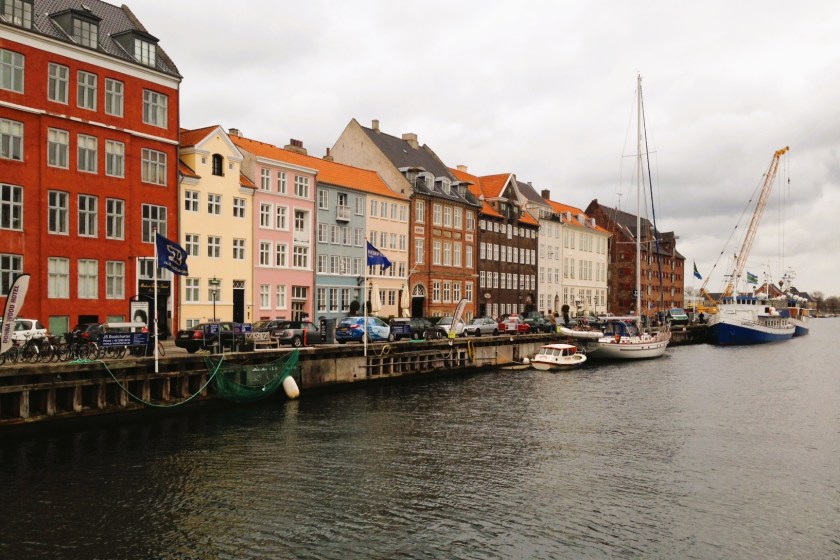
For the first week, we stayed at a wonderful apartment on Nyhavn street in Copenhagen (shown at the top of the post). With Andrew continuing his urban studies concentration while abroad, we couldn’t have had a better city guide.

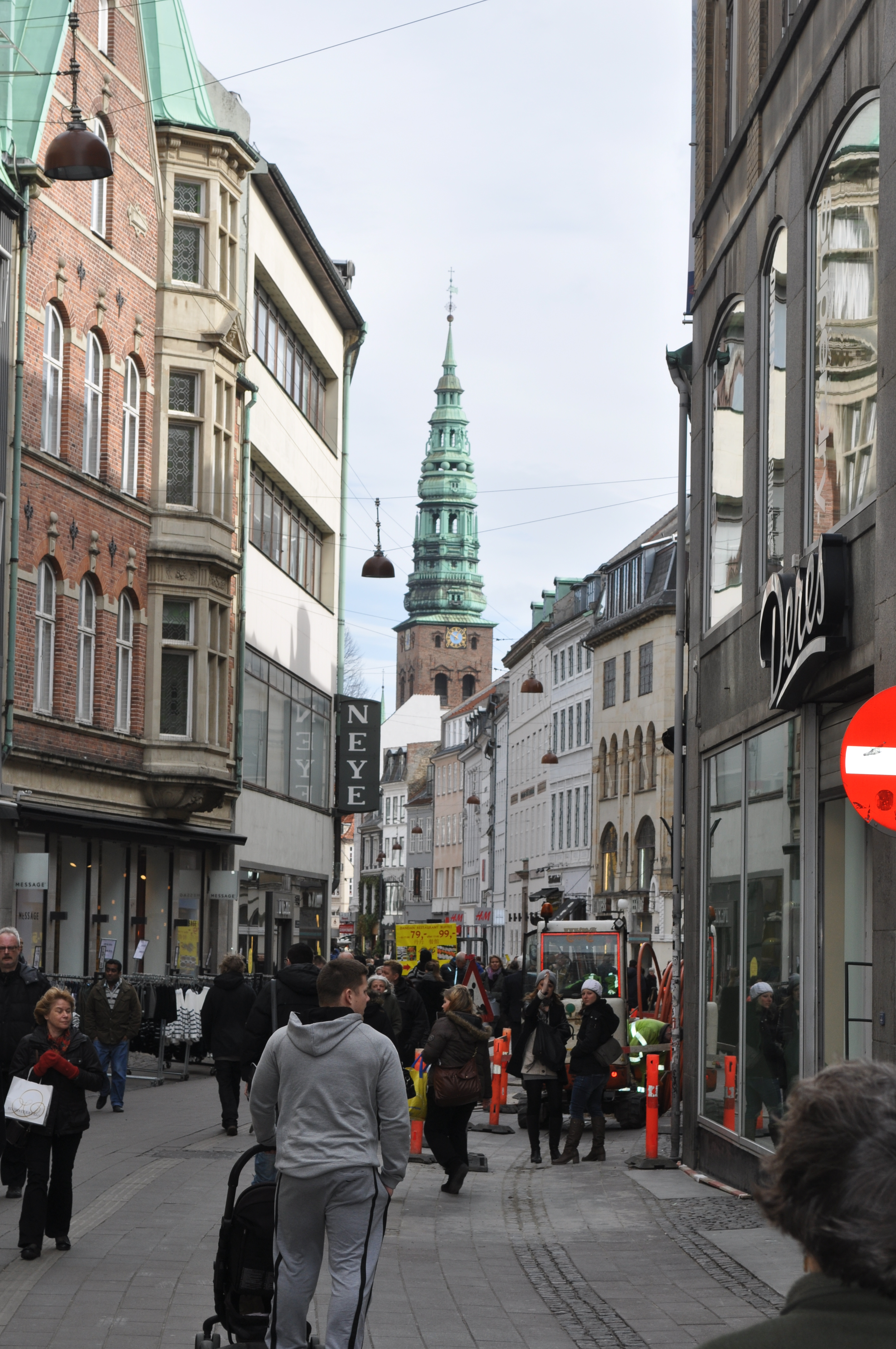
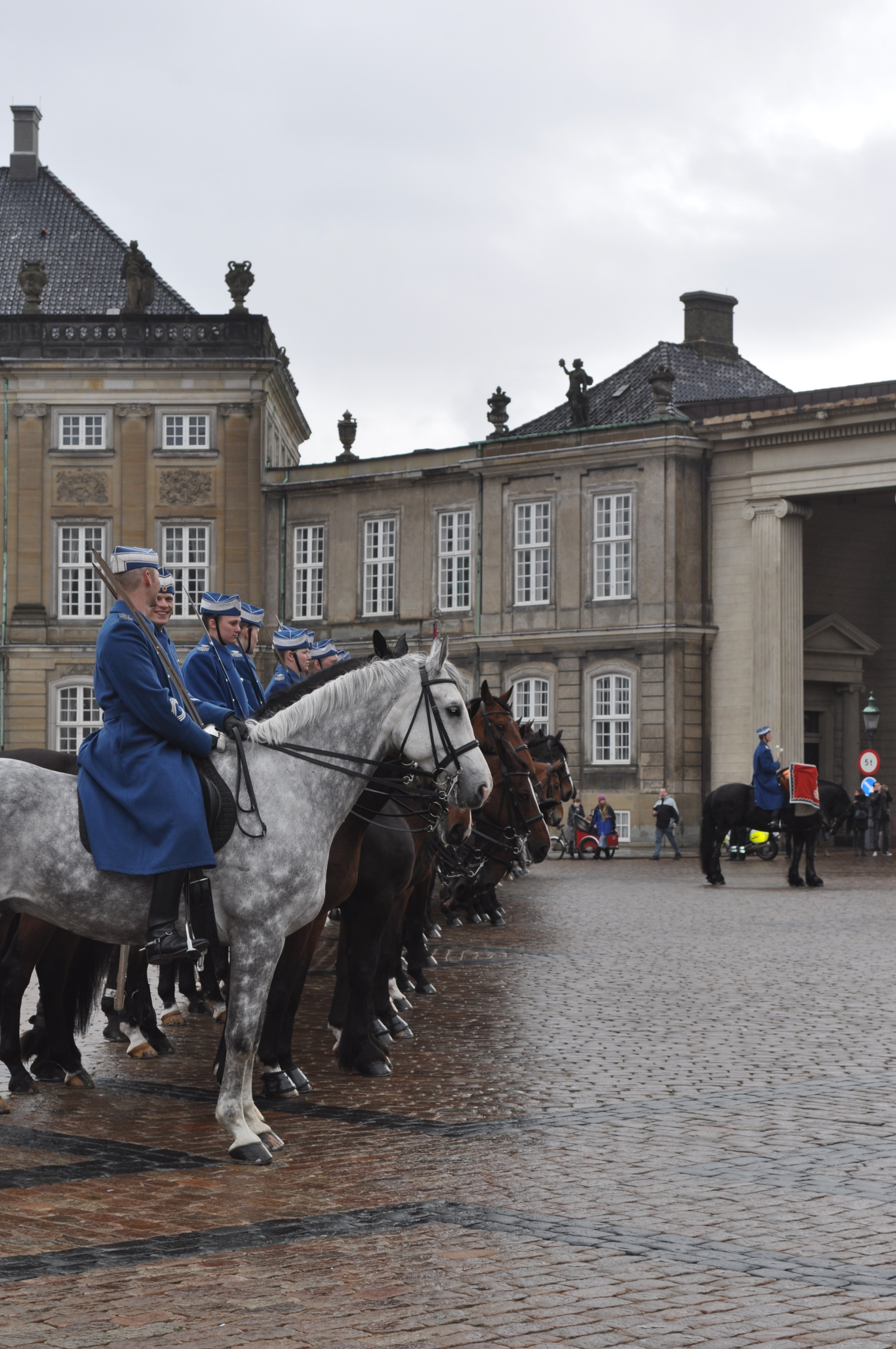
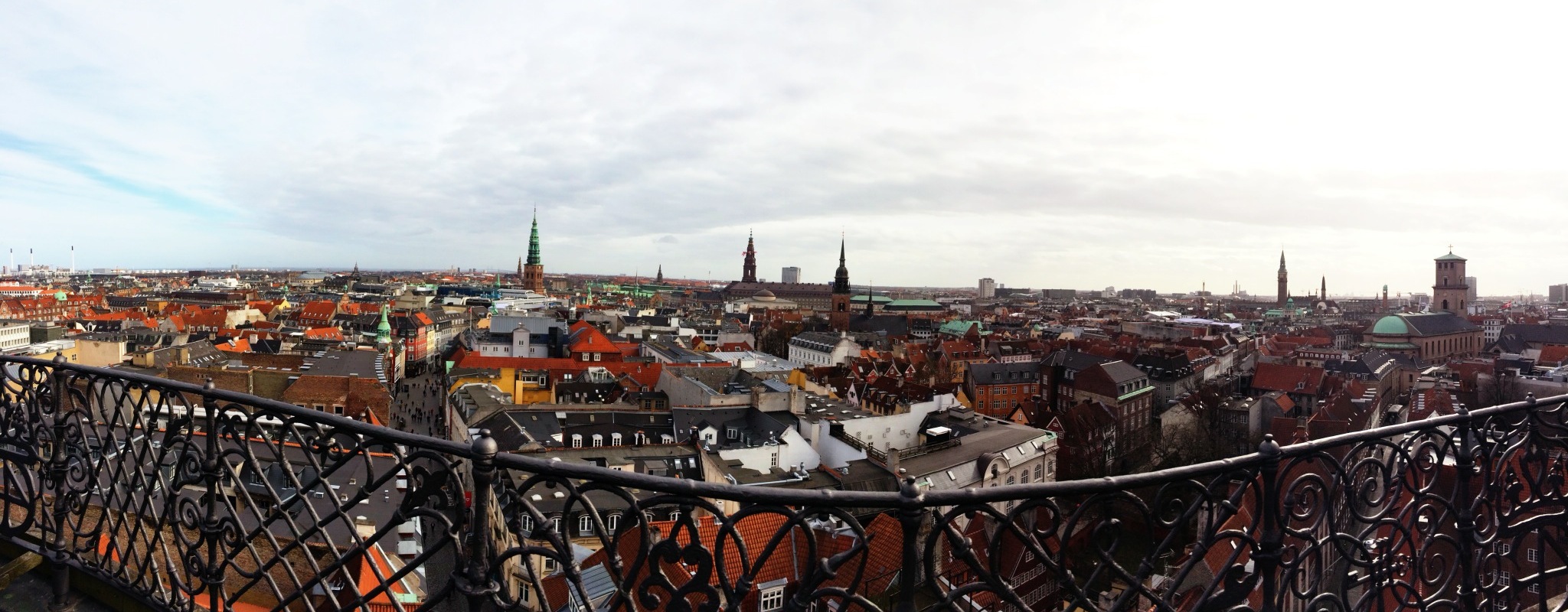
The first couple of days we focused on getting acclimated.  Wonderful markets, the active pedestrian street through the heart of the city, beautiful architecture, visits to the Marble Church, and the great view from the top of the historic Round Tower helped us get our bearings.

Pedestrian Street in Copenhage
Copenhagen Square by  Claire
Copenhagen guards
The Marble Church Copenhagen
Copenhagen from the Round Tower

It was great to share time together as a family and explore this beautiful city.

Andrew and Candice explore Copenhagen
Claire and Andrew do the Danish look
Candice and Claire with the Little Mermaid in Copenhagen
St. Albans in Copenhagen

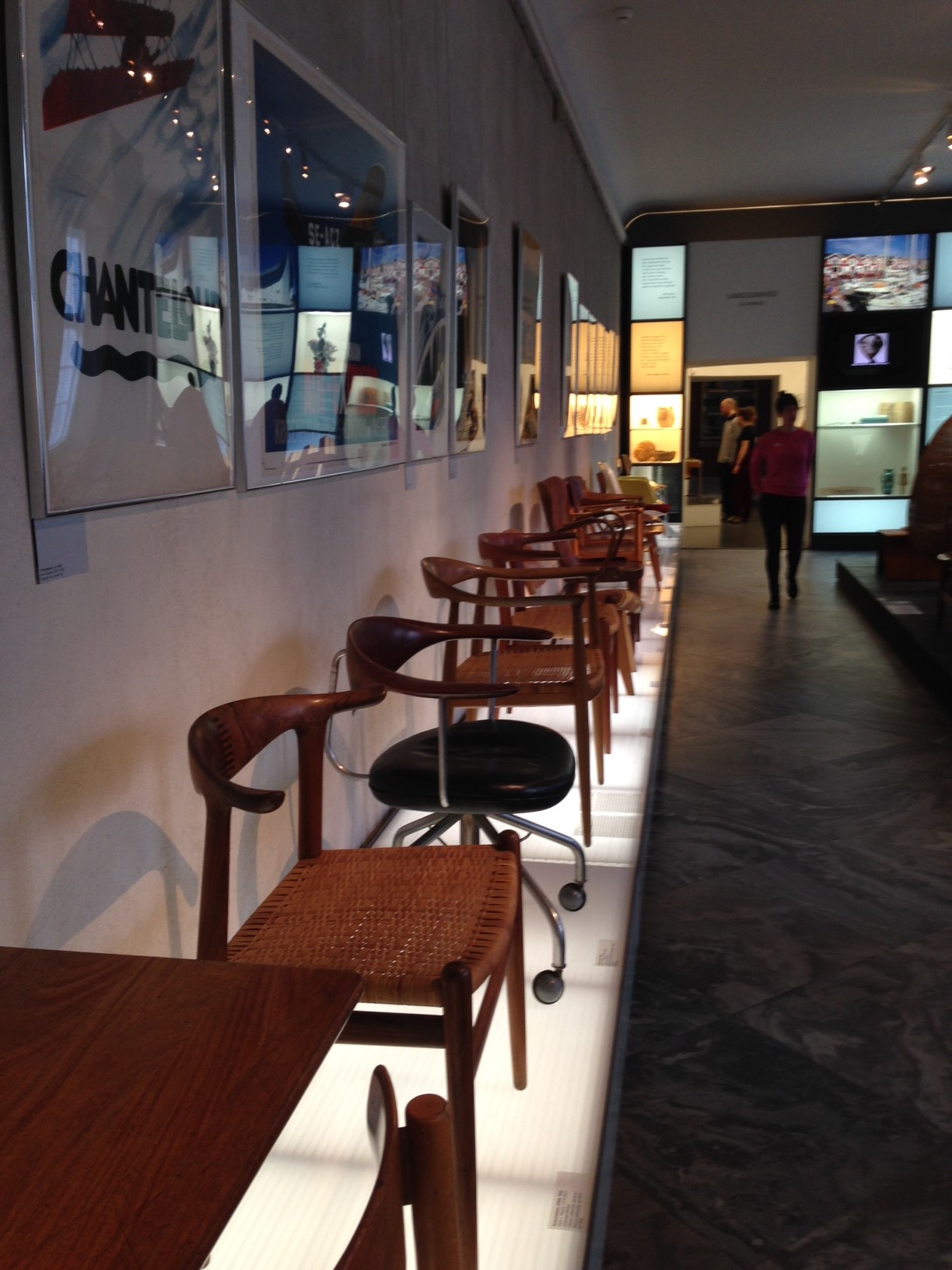
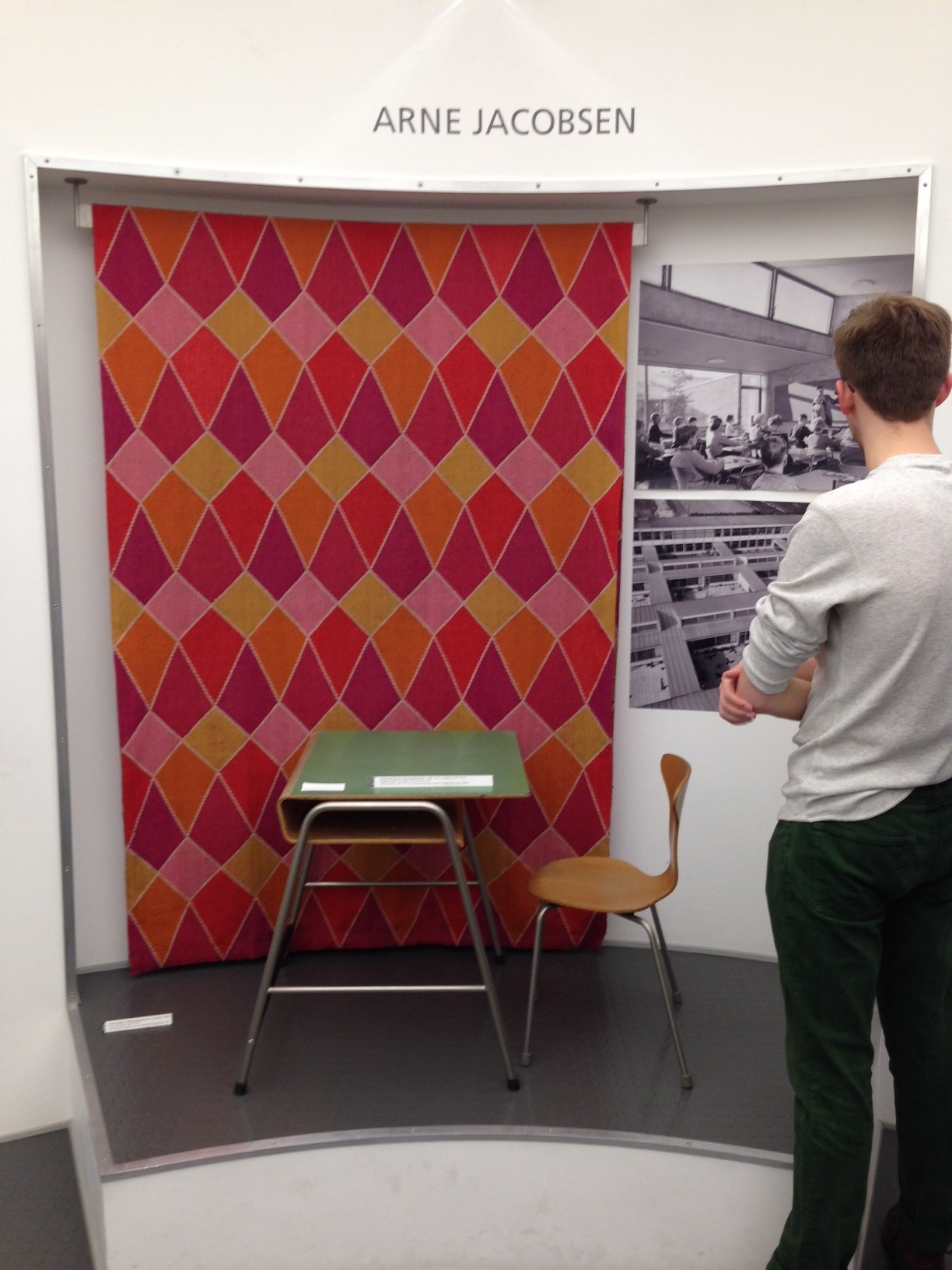
Over the course of the seven days we went to several terrific museums.  The Danish Design Museum was a real treat, given our family’s interest in design, planning, and preservation.  But I laughed out loud when I read the following in Patrick Kingsley’s interesting book How to Be Danish:

The fixation with chairs reaches almost comical levels here. As if in a furniture mausoleum, visitors to the museum process past a serpentine line of chairs that never seems to end. Chair after chair after chair; it is like an eery, empty, hyper-extended doctor’s waiting room.

Here’s an example of what Kingsley is talking about.

Copenhagen Design Museum Chairs
Andrew Studies the exhibits at the  Copenhagen Design Museum

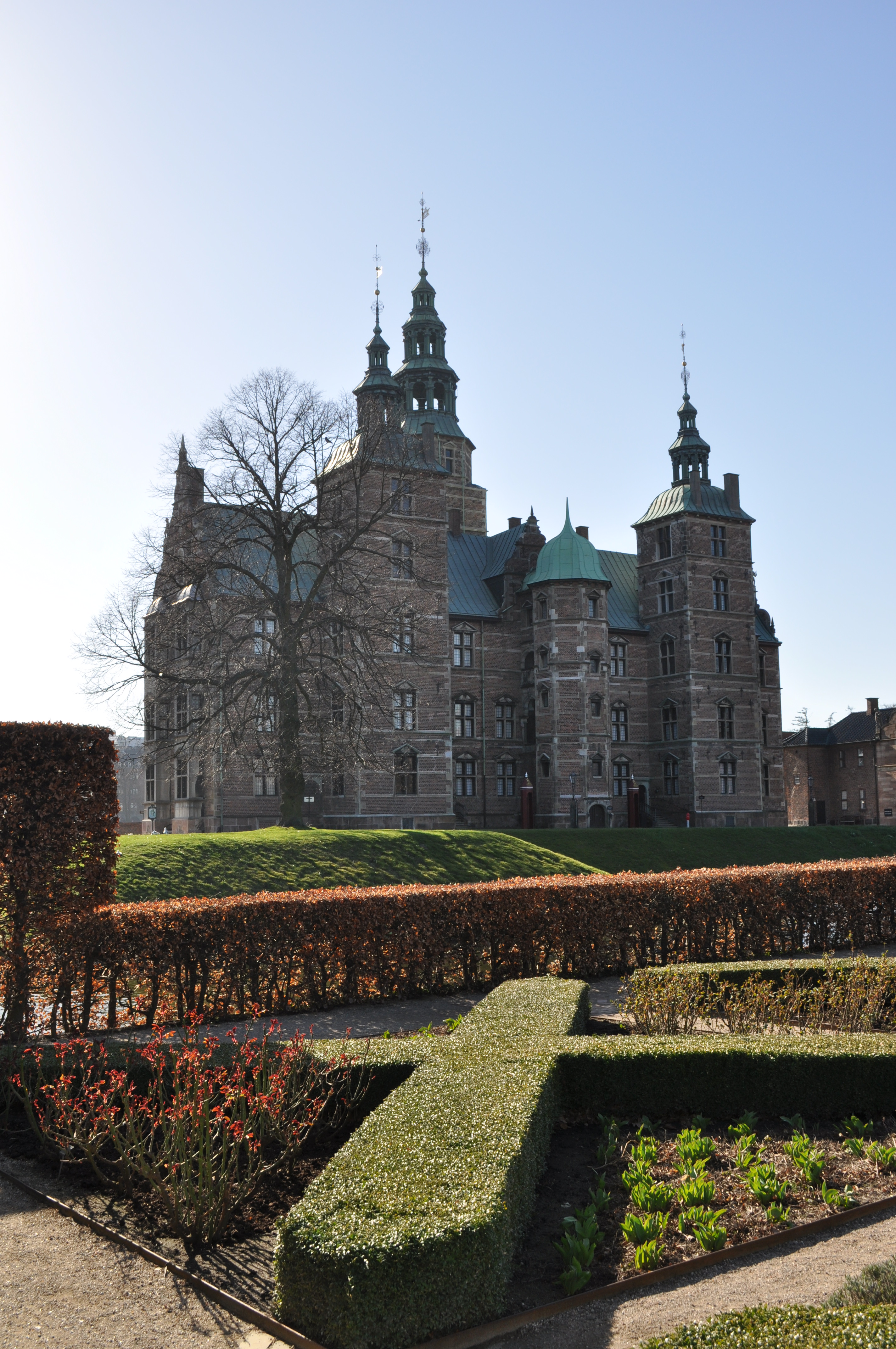
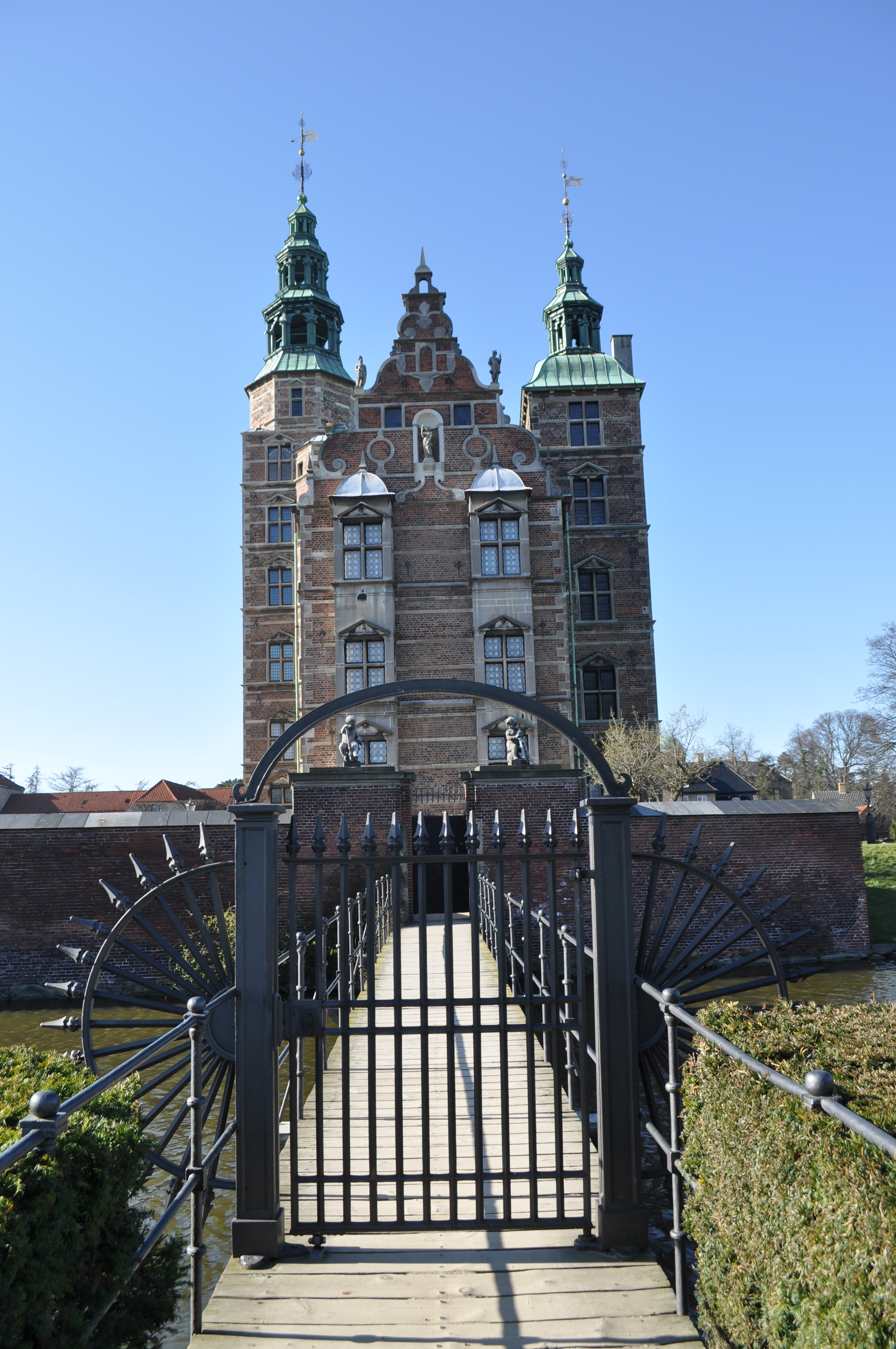
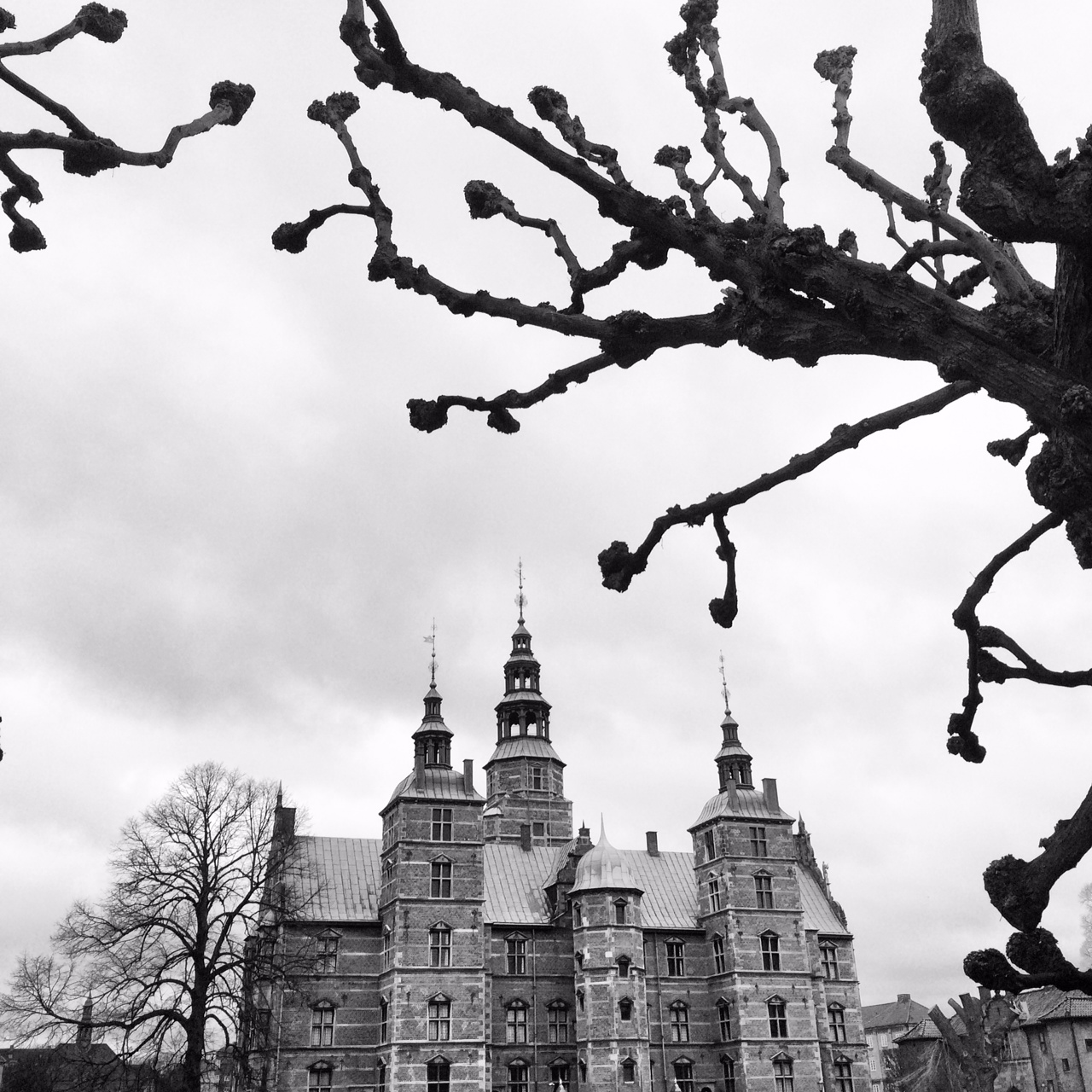
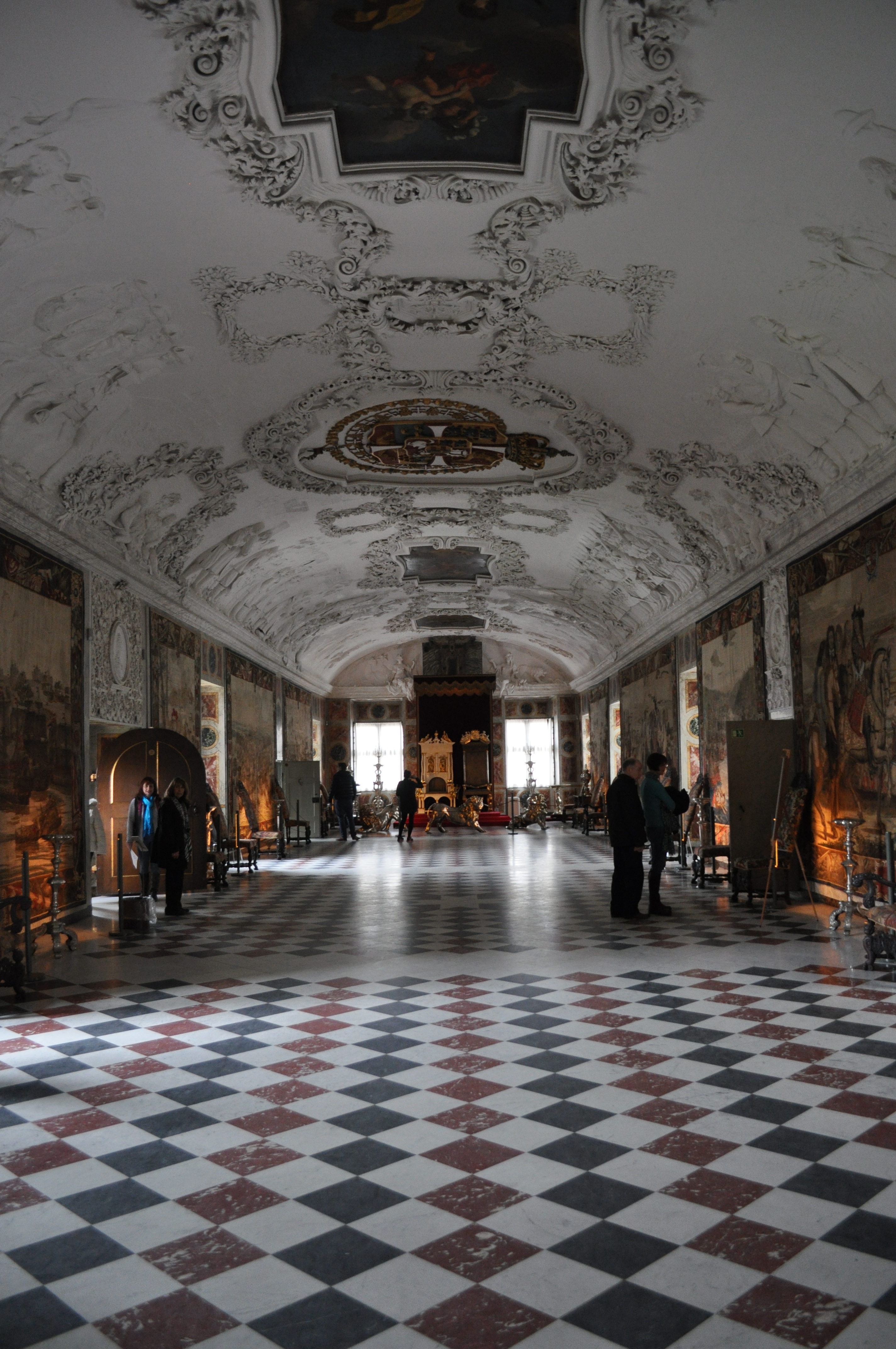
All of us made time, while we were in Copenhagen, to visit Rosenborg Castle, home to the royal family. (We caught a glimpse of the Queen while out for dinner one evening.)

Rosenborg Castle
Rosenborg Castle
Rosenborg Castle by Claire
Rosenborg Castle Great Hall

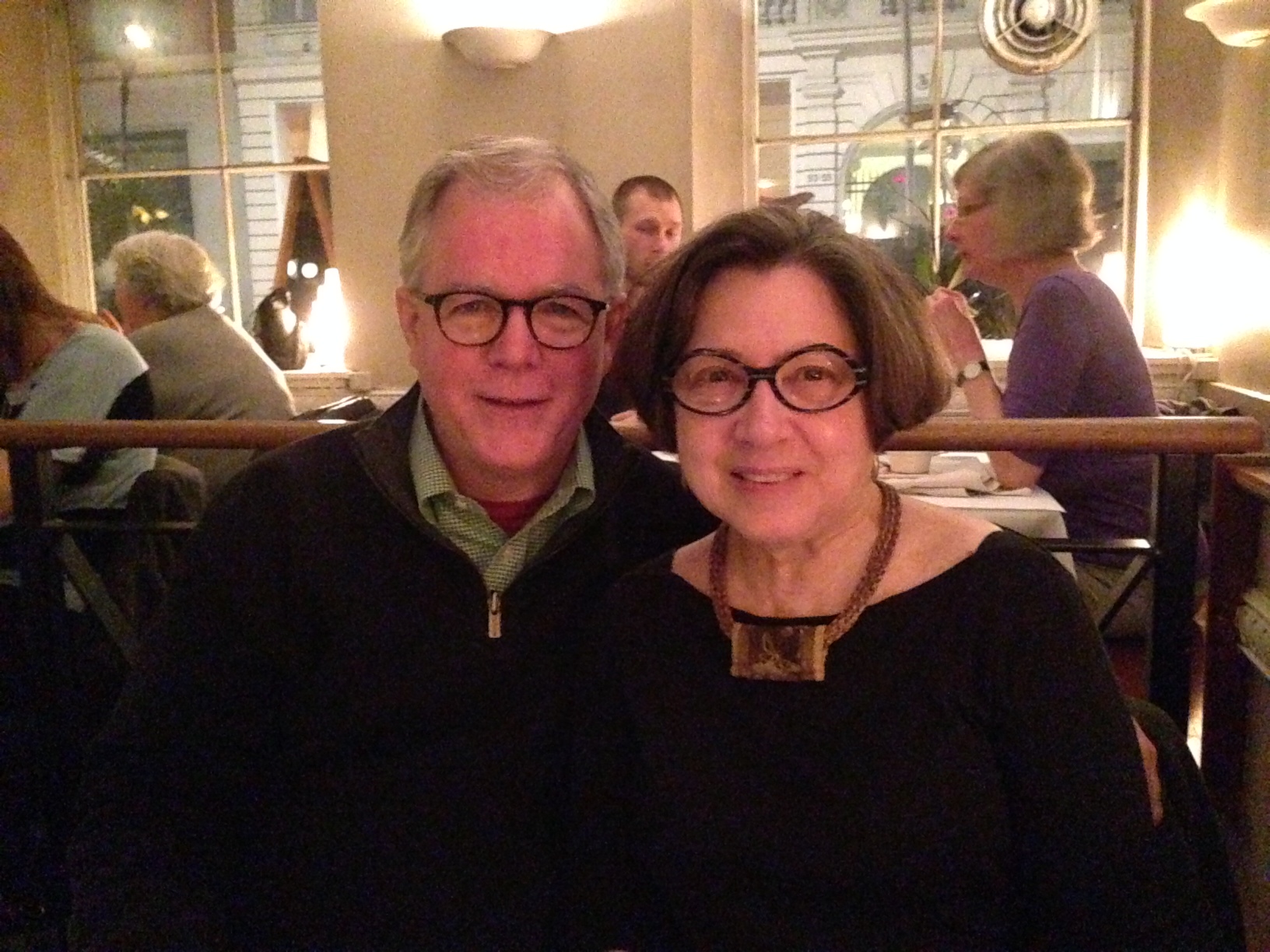
Finally, our last evening in Copenhagen coincided with our 32nd wedding anniversary.  Claire had left for London, but Andrew joined us for a celebratory meal at Amadeus.  As you would expect of the Browns, we ate very well in Copenhagen.  No, we didn’t make it to the world’s best restaurant (Noma), but we did get to a great Michelin-rated eatery for lunch (Orangeriet) among several other excellent spots.

Candice and David 32nd Anniversary in Copenhagen

Over the next week, I hope to add new posts about the World Heritage Site at the Roskilde Cathedral, thoughts on urban design in both Copenhagen and Stockholm, organs of Scandinavia, views of Stockholm, and whatever else strikes my fancy.  So keep looking.

More to come…

DJB

Image: Canal in Copenhagen by DJB

Bare to the Bone

Folksinger Carrie Newcomer played to a packed house at a “rare Monday night Institute of Musical Traditions concert on Saturday night” last evening in Rockville.  As emcee David Eisner pointed out, it wasn’t your usual IMT crowd, but those in attendance kept up the high bar for IMT audiences as they were both knowledgeable and appreciative.

This was my first time to see Newcomer live, and I encouraged Candice to join me, given the singer’s bent for writing from a Quaker and progressive spiritual perspective.  As Newcomer says on her website,

Every day we are living moments of grace and wonder, shadow and light. These are the moments I write about.

Saturday evening didn’t disappoint.  Playing her beautiful Taylor guitar (with an inventive use of capos); singing with that expressive, lyrical, and deep voice;  and accompanied only by keyboardist Gary Walters, Newcomer didn’t hit a false note the entire evening.  Beginning with I Believe, she sang songs from her soon-to-be-released CD A Permeable Life (such as A Light in the Window) as well as old favorites, including the moving Bare to the Bone.

Here I am without a message

Here I stand with empty hands

Just a spirit tired of wandering like a stranger in this land

Walking wide eyed through this world is the only way I’ve known

Wrapped in hope and good intentions and

Bare to the Bone.

Carrie Newcomer

When Newcomer ended her encore with the thoughtful Thank You, Good Night from A Permeable Life, we knew we wanted to say the same in return.

Like a long exhale

Like a vapor trail

A wisp of a thing

That changes everything.

Enjoy the beautiful video Everything is Everywhere from Carrie’s 2011 collaboration with Indian sarod masters, Amjad Alk Khan, Amaan Ali Khan, and Ayaan Ali Khan.

More to come…

DJB

Image credit: CarrieNewcomer.com