Latest Posts

Our year in photos – 2024

During this season of gratitude and thanksgiving, I continue my annual tradition of posting family photographs on MORE TO COME. This practice began in 2008* but has grown through the years so that the entire family participates in the curation of this particular entry.

NOVEMBER — DECEMBER 2023

We begin with gatherings and celebrations at the end of last year.

Celebrating Andrew and Claire’s birthday at Cranes Restaurant in DC
The life of the late-December birthday baby.
Andrew’s view of Boston Symphony Hall during a rehearsal of a holiday performance of Messiah
Table set for Christmas breakfast
Our dear friend Ella Taranto stops by to visit with Claire and Andrew over the holiday break . . . and we made sure she once again makes our “Year in Photos” collection (for the fourth year in a row!).

JANUARY — FEBRUARY 2024

The New Year brought busy months of exploration, music, and connection. From Andrew’s singing in the professional choir at Church of the Advent in Boston, to Claire’s full life as a parishioner and vestry member at Christ Church in Alameda, to our decades-long involvement at St. Alban’s Parish in Washington, we all sought spiritual grounding and growth in a time of deep divisiveness.
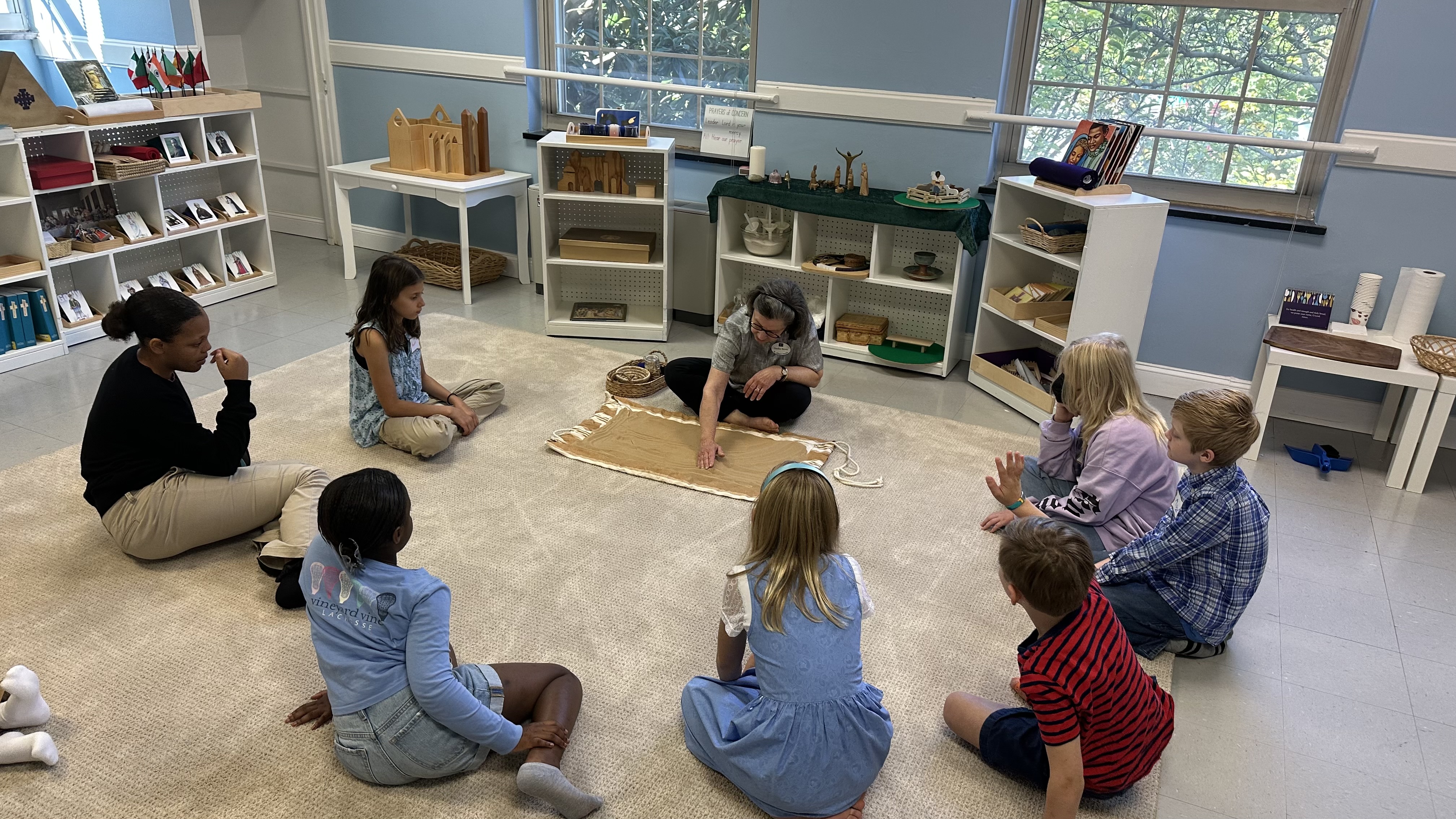
Candice leads a Godly Play class at St. Alban’s Parish

Claire helped Christ Church celebrate Ireland’s second-most beloved saint on February 1st, St. Brigid Day. Brigid is associated with many miracles related to healing, and it’s fitting that her saint day is also the traditional first day of spring in Ireland.

Claire as St. Brigid
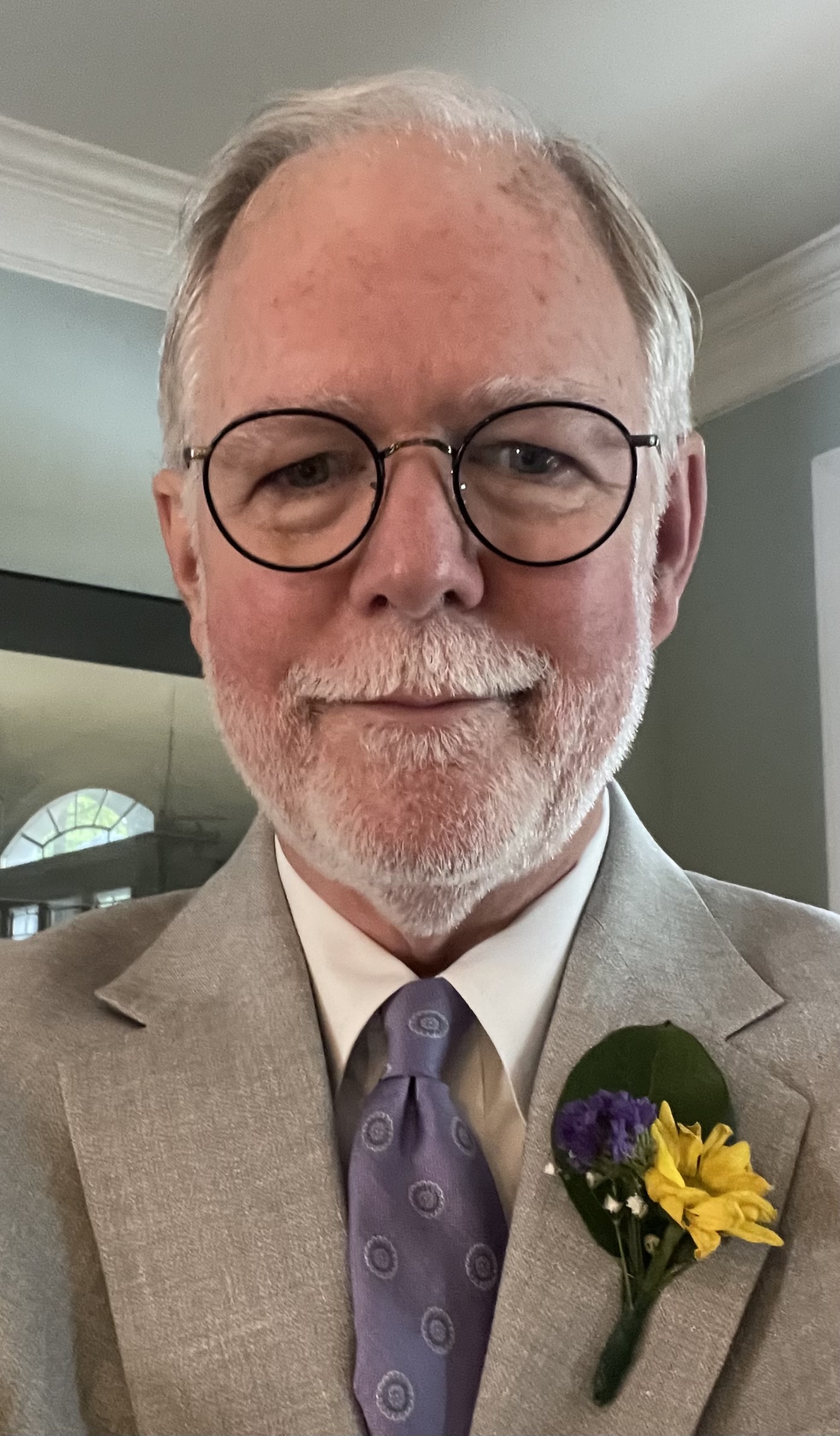
David seldom wears a tie except when he ushers at church. We used this opportunity to showcase one of the beautiful boutonnieres that the Flower Guild creates for the ushers each week.

Late in January, Candice and David traveled to New York City to hear Andrew sing at Carnegie Hall as part of the Boston University School of Music Spotlight. Andrew also participated—along with fellow graduate student Valentina Pulido Pardo—in a BU College of Fine Arts video about their preparations to perform at the world-renown venue.
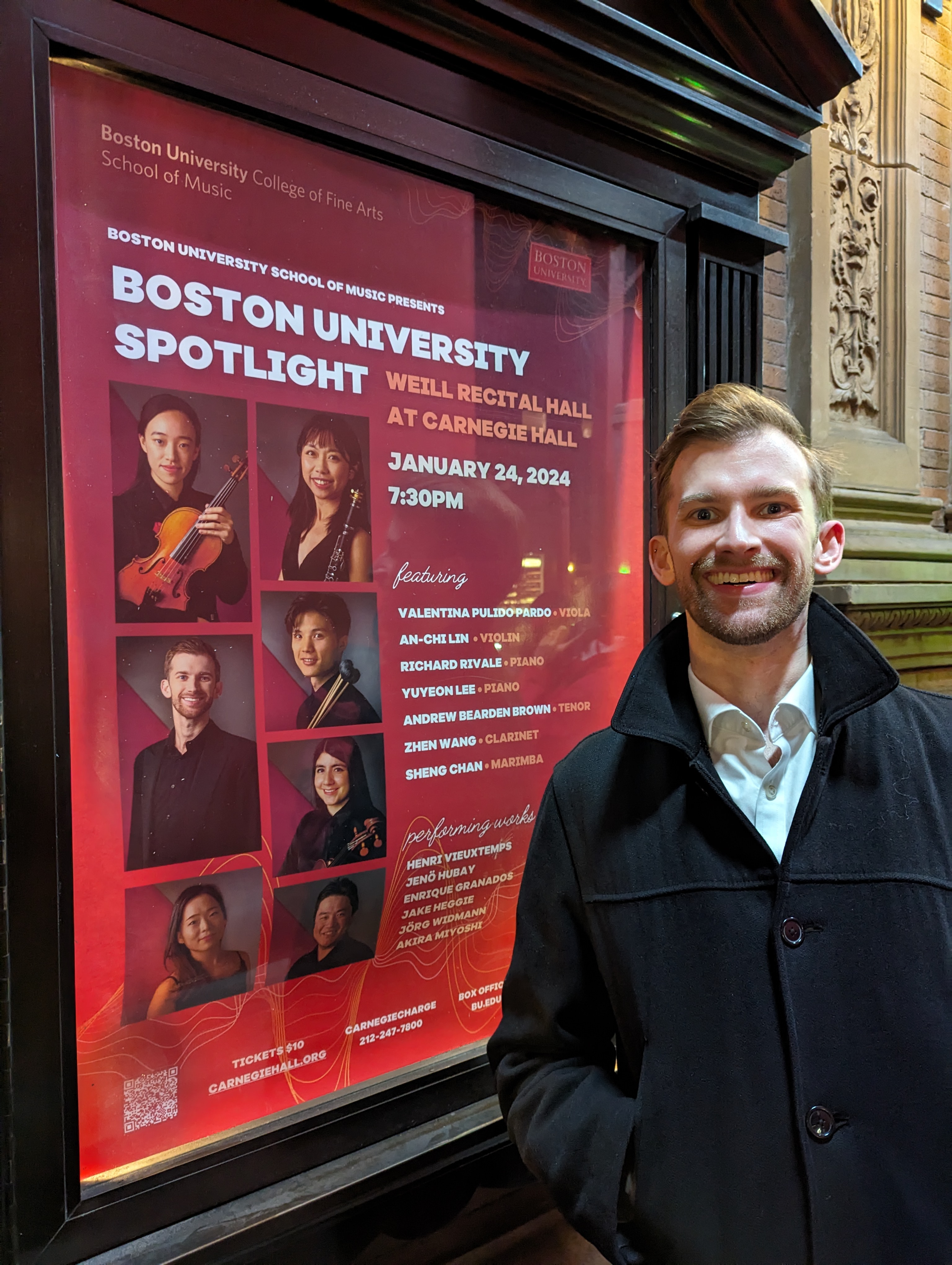
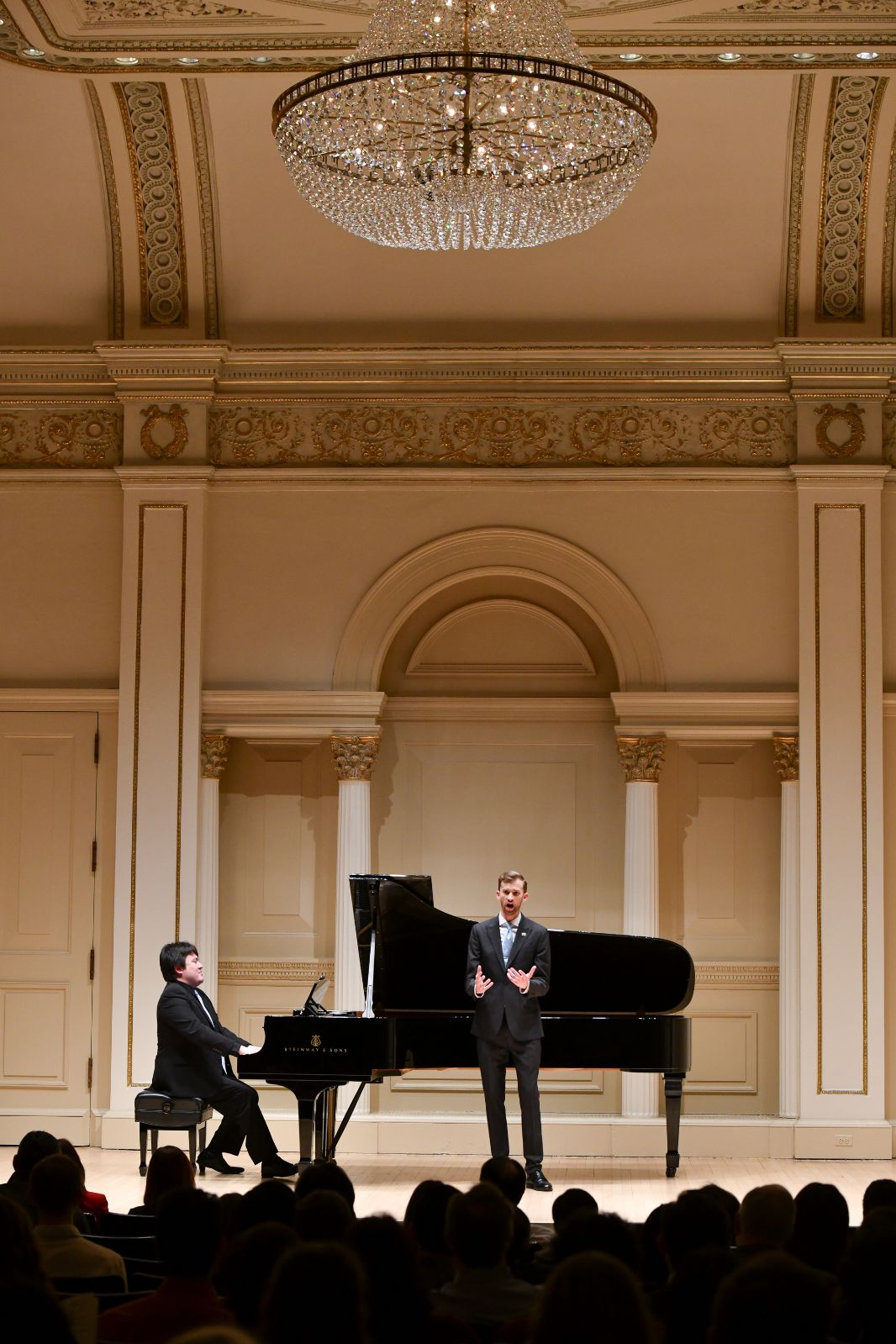
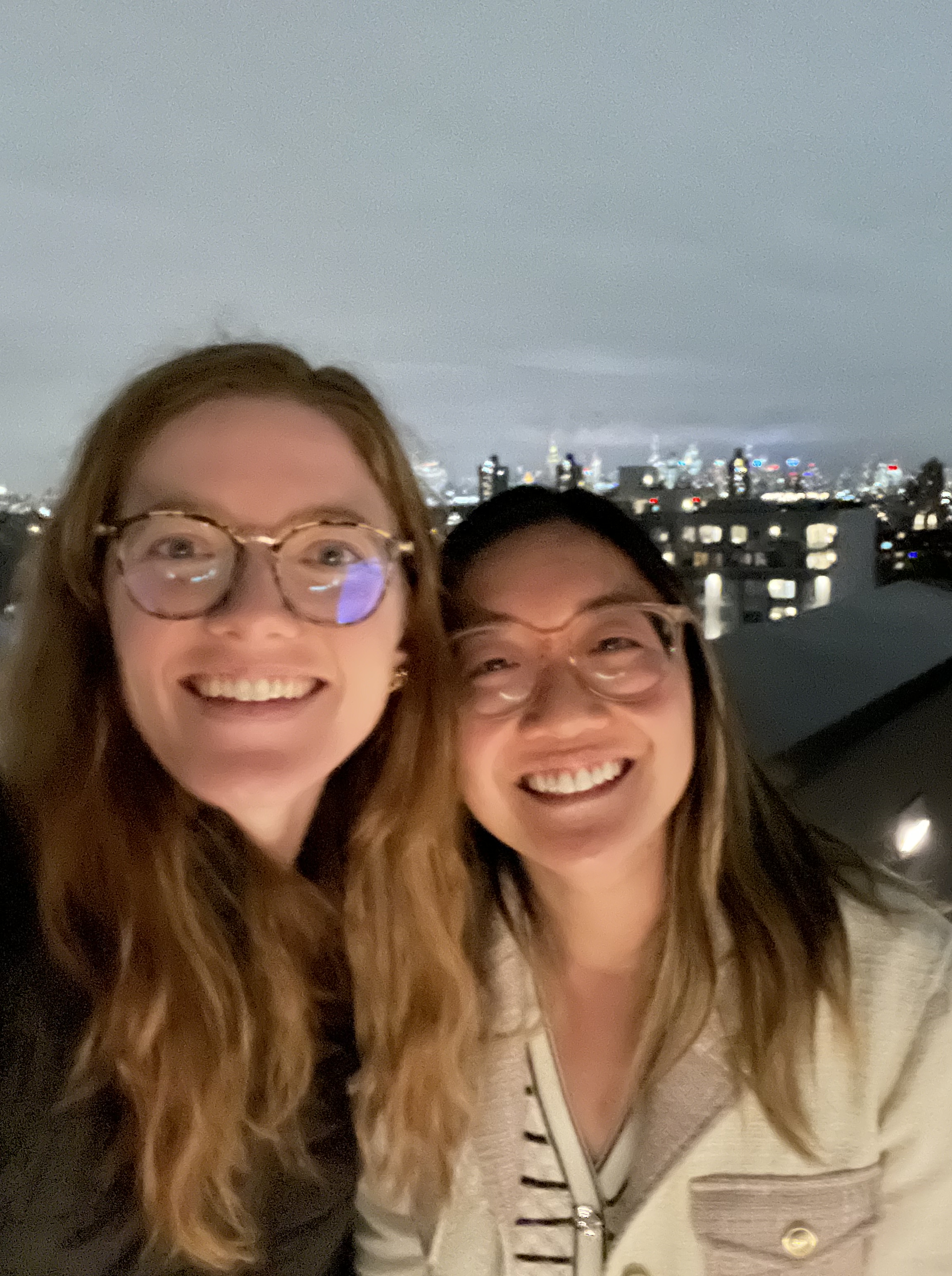
With friends Sarah Norvell and Maks Adach after the Boston University Spotlight at Carnegie Hall
Andrew was active throughout the winter months, here as Le Prince Charmant (Prince Charming) in the production of Cendrillon (Cinderella) at Boston University

While we dealt with cold weather in Boston and Washington, we also opted to explore warmer climates when the opportunity arose.
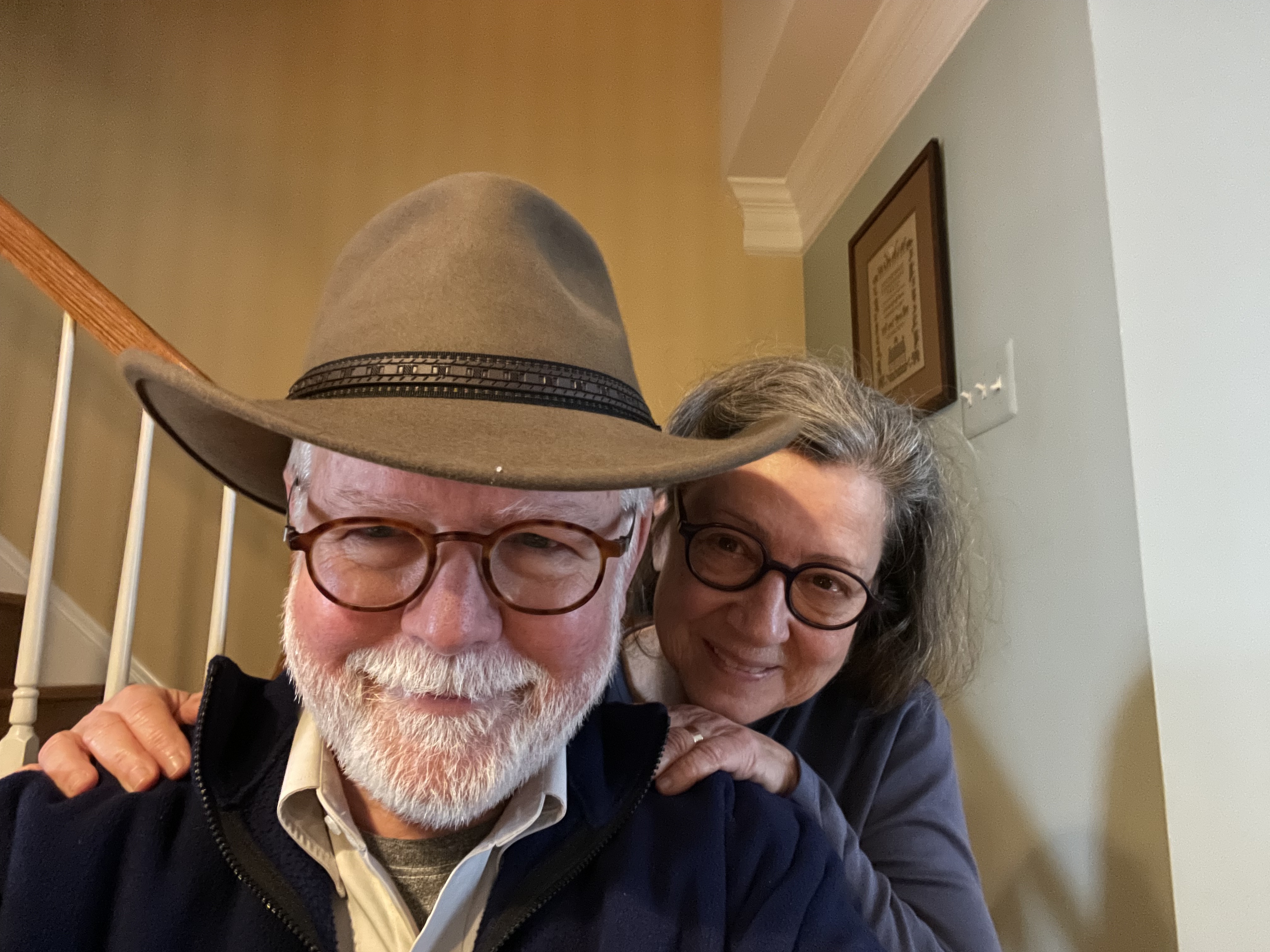

Checking out a new winter hat to add to David’s growing collection
Claire spent a week in January at a resort in Costa Rica . . . and she sent these photos so we’d know she was thriving.

In late February, Candice and David took the first of three 2024 National Trust Tours where David served as a lecturer, this time for an exploration of Panama and Costa Rica. We were able to fulfill a bucket list goal of traveling through the Panama Canal.

On the boat to the indigenous village of Embera
Our good friend Ed Quattlebaum from Boston joined us on the Panama and Costa Rica trip.
Old Panama UNESCO World Heritage Site
Sailing through the Panama Canal with National Trust Tours
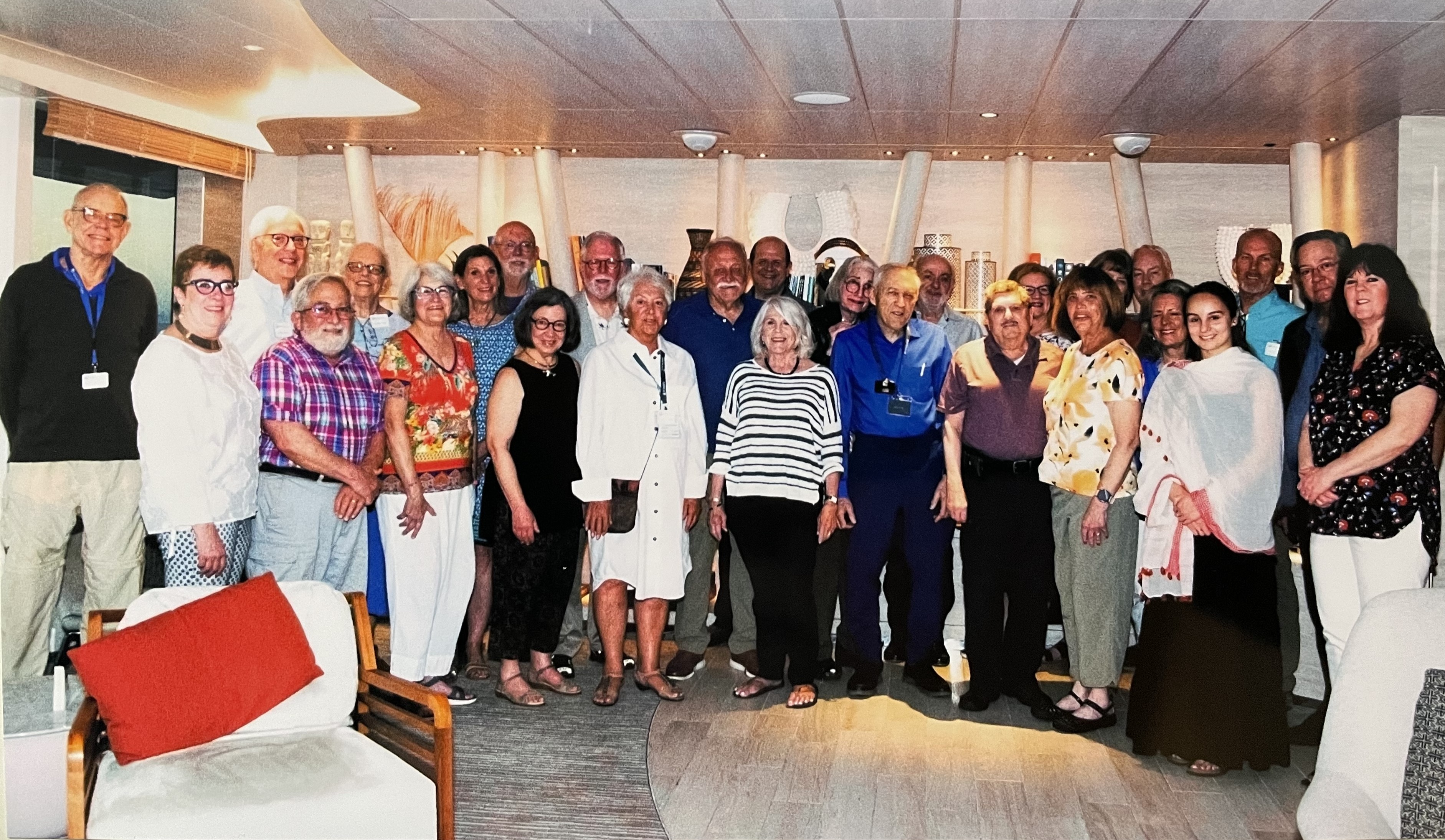
National Trust Tour travelers in Panama and Costa Rica—February 2024

MARCH — APRIL

Soon after returning from Panama, David and fellow committee members hosted noted Jewish New Testament Scholar Dr. Amy-Jill Levine for the annual St. Alban’s Memorial Lecture Series. We had a full house for her main presentation.

Memorial Lecture Series at St. Alban’s Parish with Amy-Jill (AJ) Levine

March started a three-month journey for David with cataract surgery. Naturally he wrote about it on MORE TO COME, here, here, and here in what he dubbed the “Cataract Trilogy.” March is also our anniversary month, which we celebrated with dinner and jazz at Bistro Lepic.
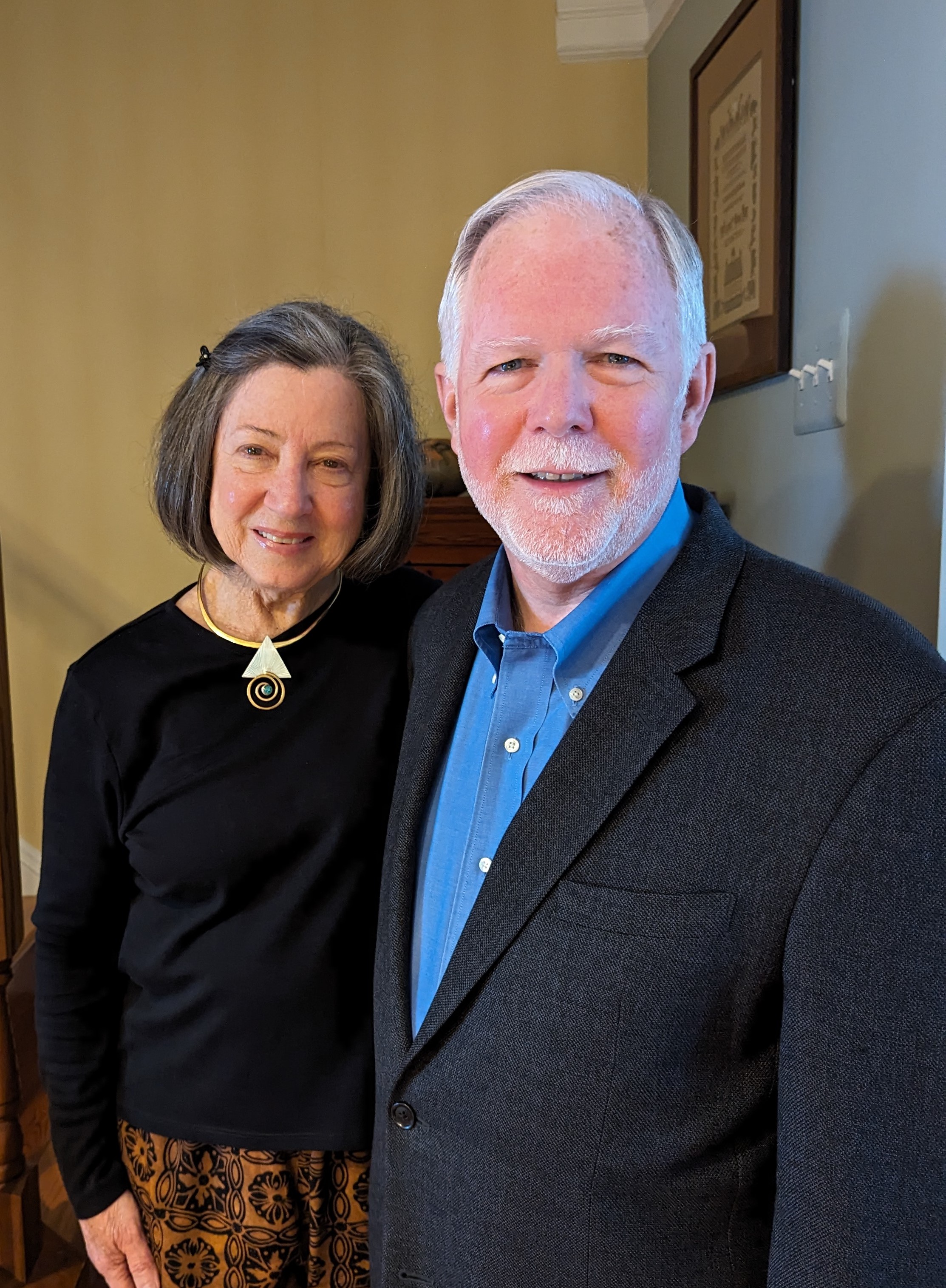
David tests out a new look for him—no glasses! (Spoiler alert . . . it didn’t last). Candice had cataract surgery last year to get new, multi-focal lenses and now never wears glasses!
Anniversary dinner at Bistro Lepic
Claire came to the East Coast in March to see friends from her Episcopal Urban Intern Program team: Caroline, Edgar, Graycie, and Baby Nayeli (top right, clockwise)

Spring brought Easter, a solar eclipse, another trip to Carnegie Hall, and Andrew’s final BU performance.
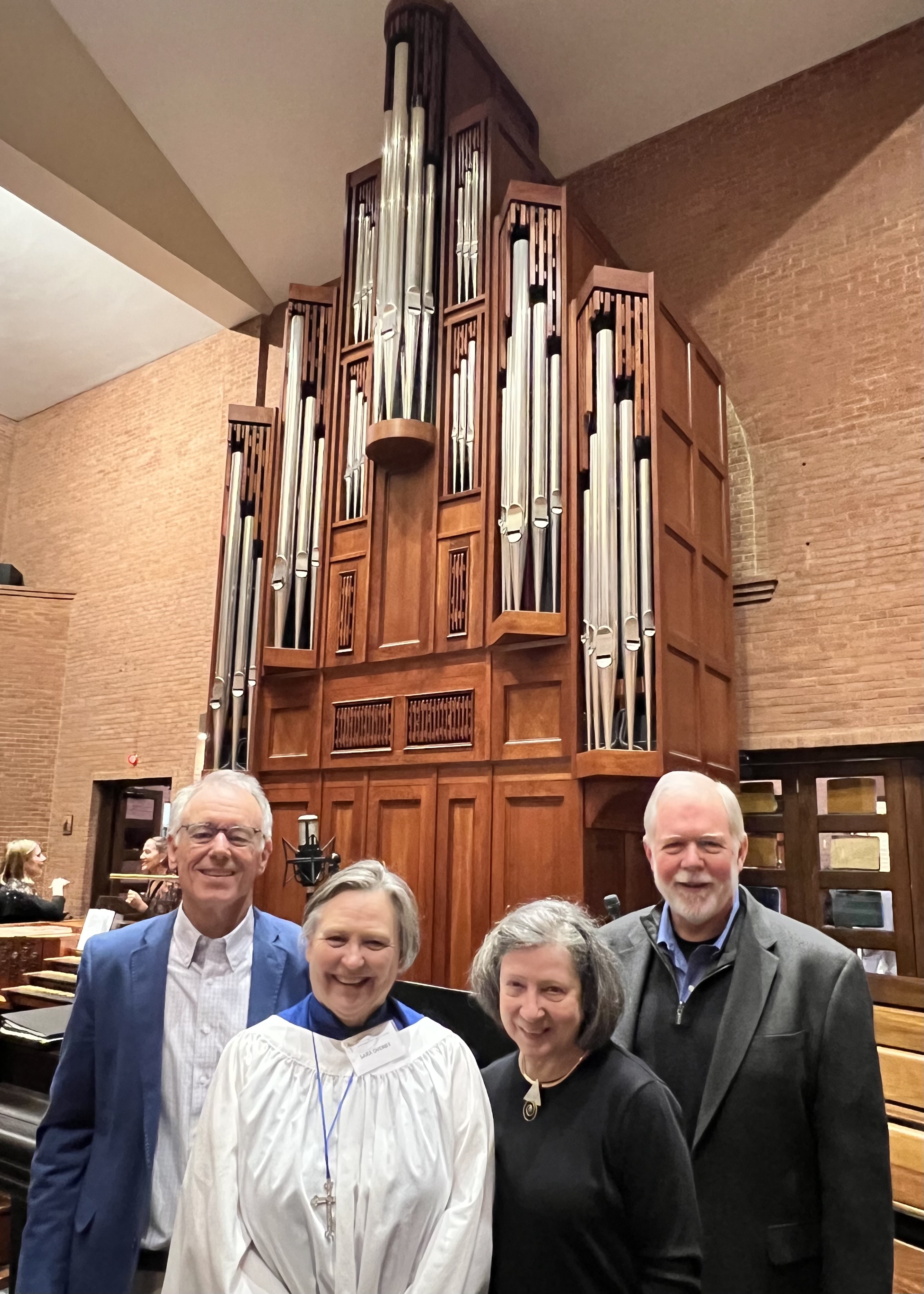
At St. Luke’s Alexandria with Sara and Bill Overby for Easter Vigil and their confirmations into the Episcopal Church
Andrew sings the Exultant at the Easter Vigil at Church of the Advent, Beacon Hill, in Boston
Claire enjoys springtime in New York with her dear friend Jackie Tran
In Boston, waiting for the solar eclipse

Andrew participated in the 2024 finals of the Oratorio Society of New York’s Lyndon Woodside Oratorio Solo Competition at Carnegie Hall in April. He sang Handel’s “Thou Shalt Break Them” from Messiah and Craig Hella Johnson’s “In Need of Breath” from Considering Matthew Shepard. The Matthew Shepard piece is incredibly powerful, and as the final notes lingered in the wonderful acoustic setting you could hear a pin drop for at least five seconds before the applause begin.

Andrew won third place from among an amazing group of talented singers. The following week all three of us went to Boston to hear him sing the role of Tito in Mozart’s La clemenza di Tito.

A family celebration at Prairie Fire restaurant in Brookline, MA
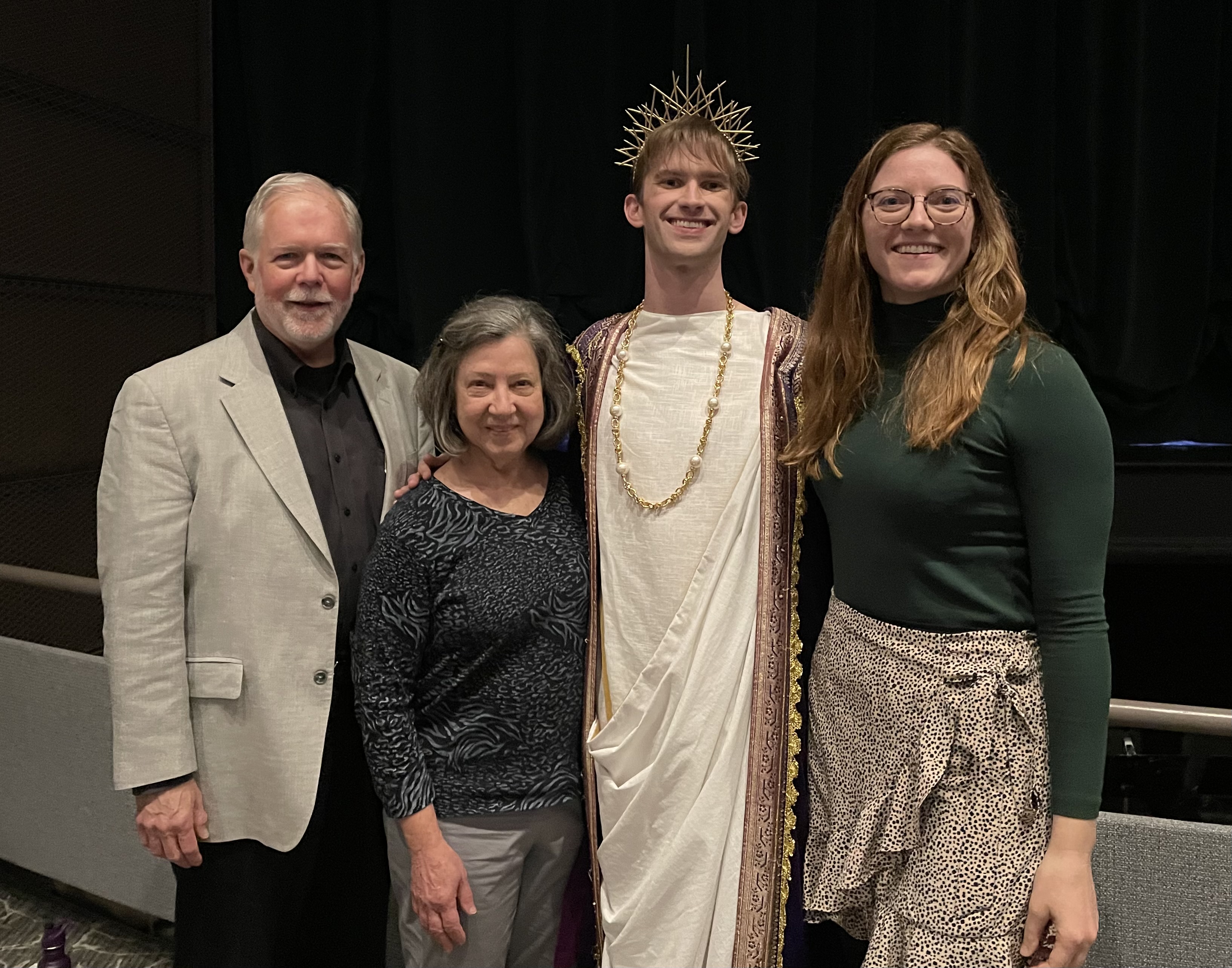
Andrew (as Tito) with David, Candice, and Claire
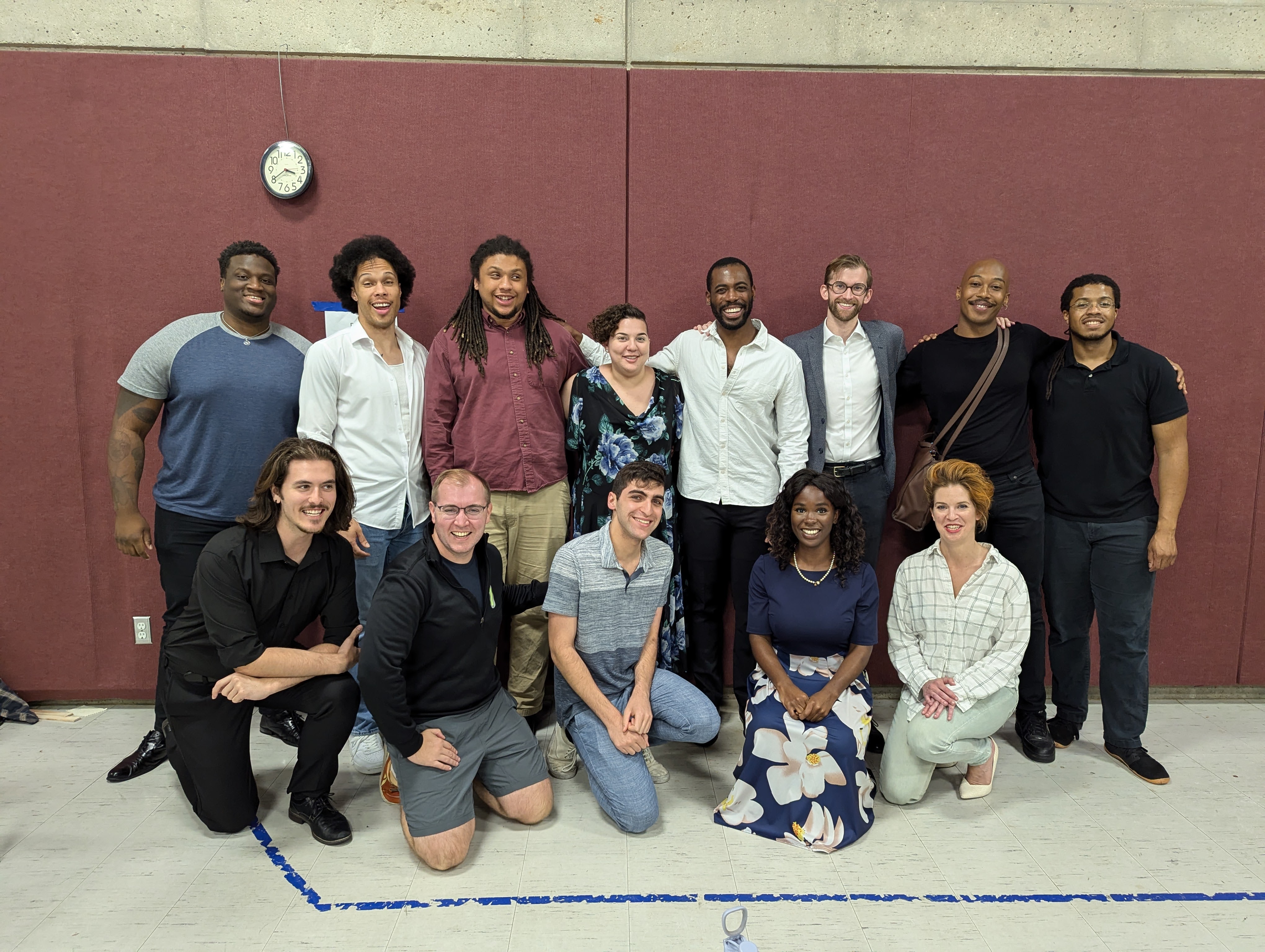
Andrew (as Tito) with BU Opera Institute colleagues and his voice teacher Lynn Eustis (front)

MAY — JUNE

In May, we sponsored a quote on the marquee at the Arcadia Project in downtown Staunton. The group raises money for rehabilitation through individuals who sponsor a quote each month from a creator on the historic theatre marquee. We chose the “instructions for life” by one of our favorite poets, Mary Oliver.

Thom Wagner posts our quote to the Arcadia Theatre marquee

We returned to Carnegie Hall and New York City in early May to hear Andrew perform Brahms with Ensemble Altera and the Orchestra of St. Luke’s in the Isaac Stern Auditorium. It was a stunning performance in a magnificent setting.

The orchestra joins the audience in recognizing Andrew and the other members of Ensemble Altera

In June we traveled to Alameda for a few days with Claire before heading out to Lake Tahoe, Nevada, where David was visiting his 50th state. He now has the certificate and t-shirt to prove it!
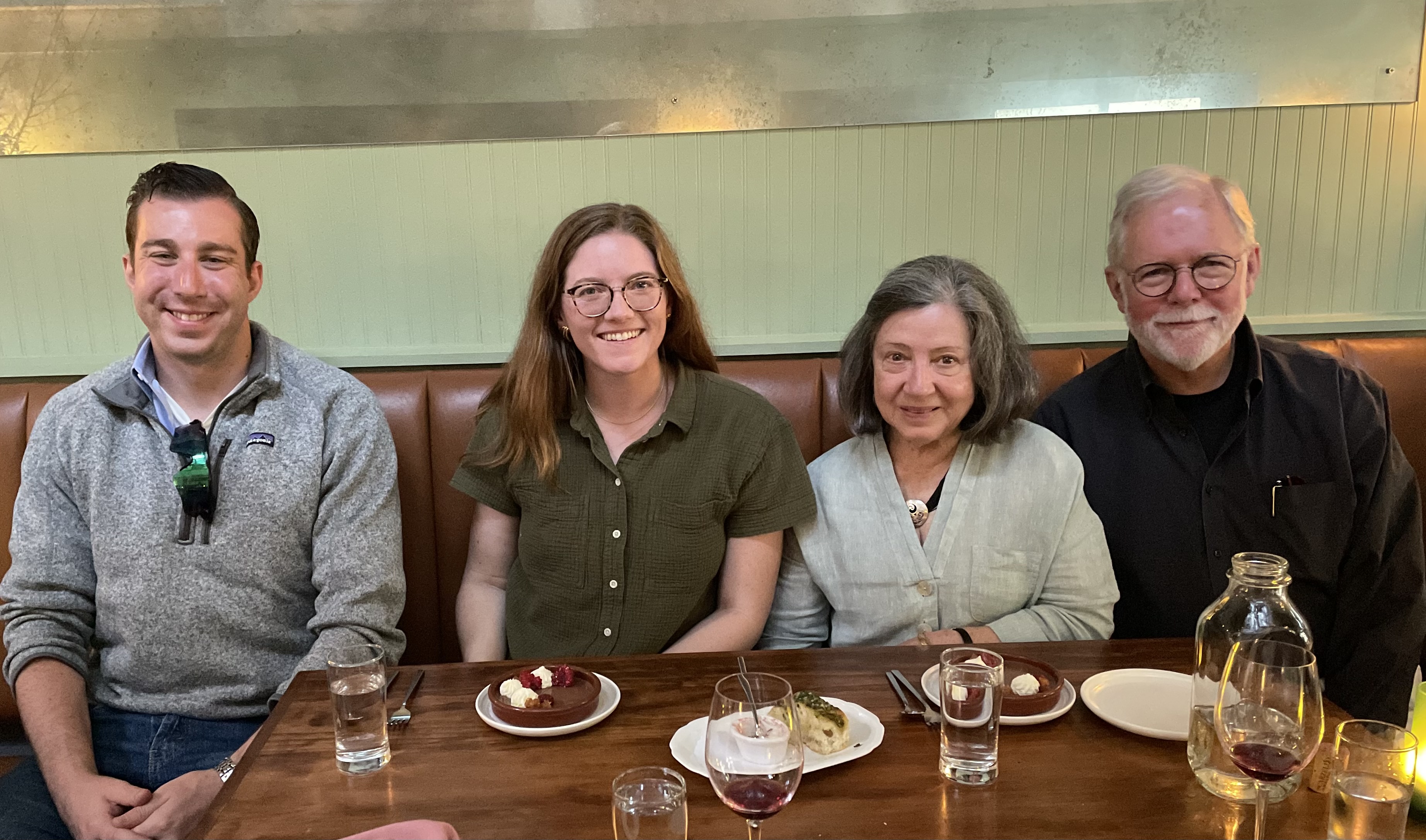
Catching up with family over a meal in Oakland with cousin Chris Palma
David steps into Nevada . . . his 50th state!
David displays the 50th state certificate in Nevada, with Candice and Claire
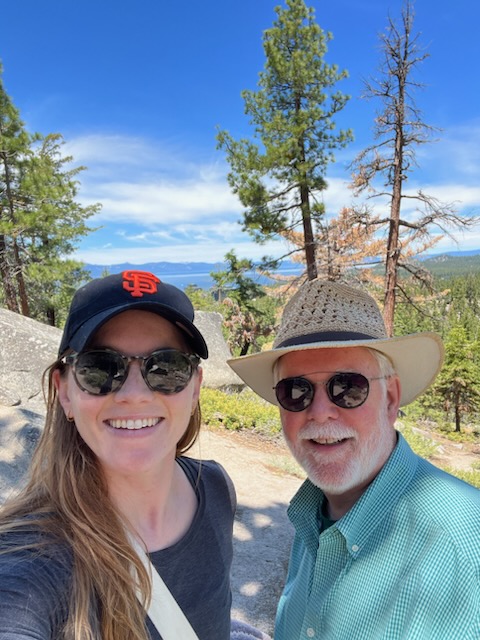
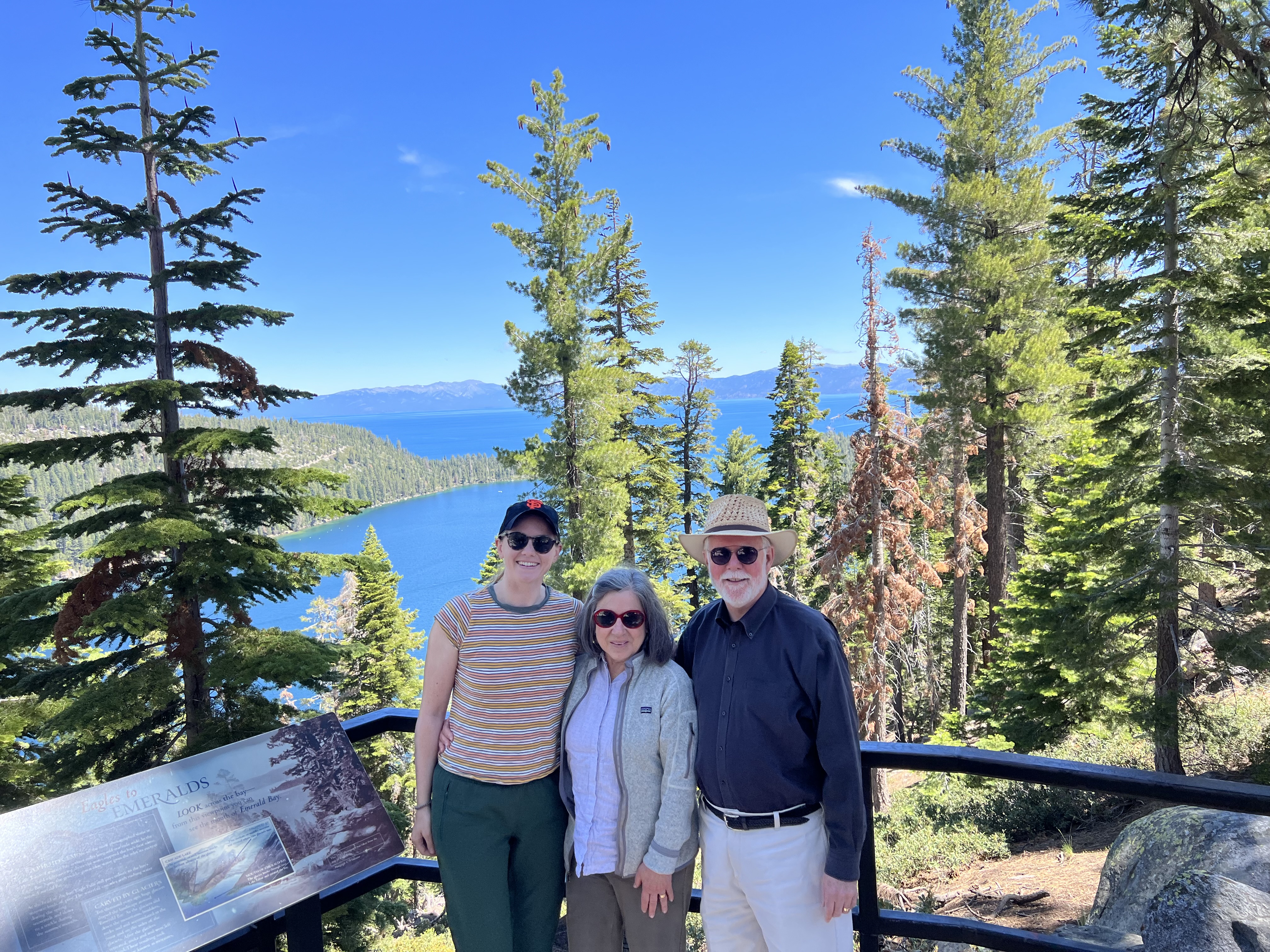
Claire, Candice, and David take in the beauty of the California portion of Lake Tahoe

JULY — AUGUST

July brought baseball for David and a second National Trust Tour—this time to Scandinavia and the Baltic Sea—for Candice and David. Andrew spent the summer singing at the Des Moines Metro Opera, covering the role of John Singer Sargent in the premiere of American Apollo. (The entire season received a great review in the New Yorker.) Claire and Andrew then took their own Scandinavian tour to Sweden and Denmark.
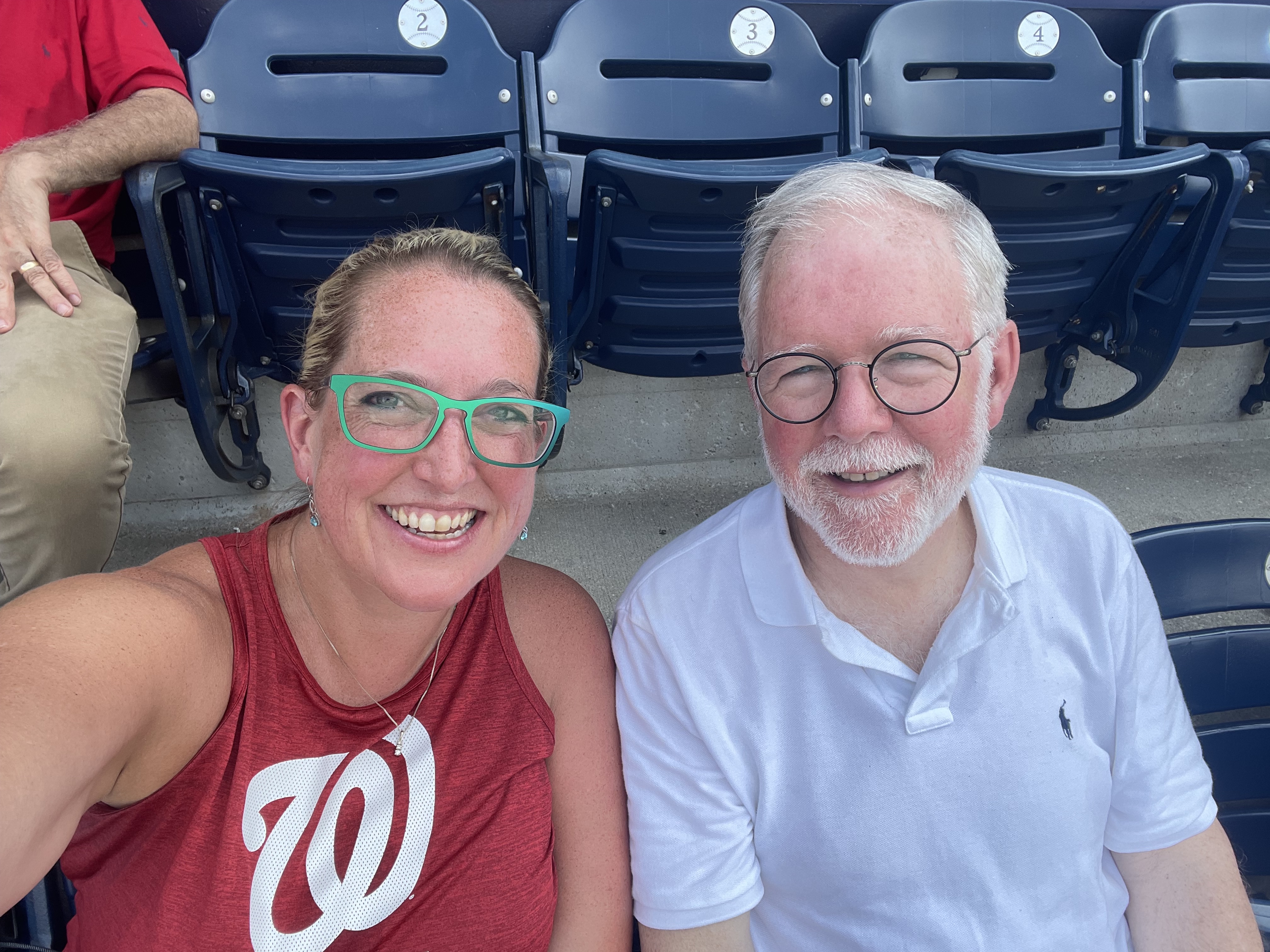
Enjoying a Nats game with friend and former colleague Tricia Kane
Ready for summer with a new haircut

We were happy to find some cooler temperatures—not to mention extraordinary historic places—as we sailed the Baltic Sea in July.

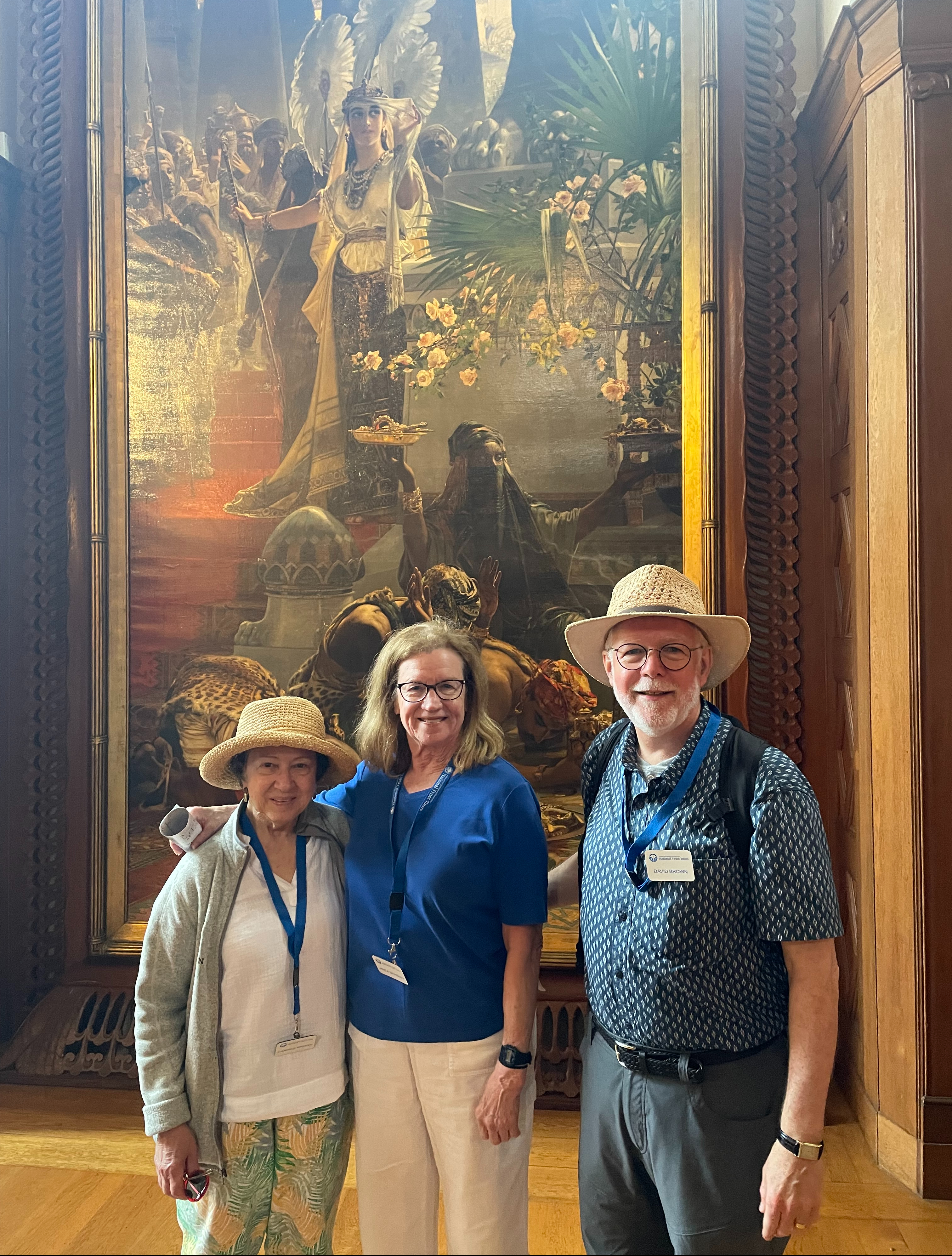
Our dear friend Frank Wade—the long-time rector at St. Alban’s Parish in DC—and his wife Kerry joined us on this trip, as seen in this photo from Tjolöholm Castle.
With our NTT friend Jan Moriarity in Sweden’s Tjolöholm Castle.

Given that we were traveling by ship to these various countries, we explored historic harbor cities—none more delightful than Copenhagen and Tallinn.
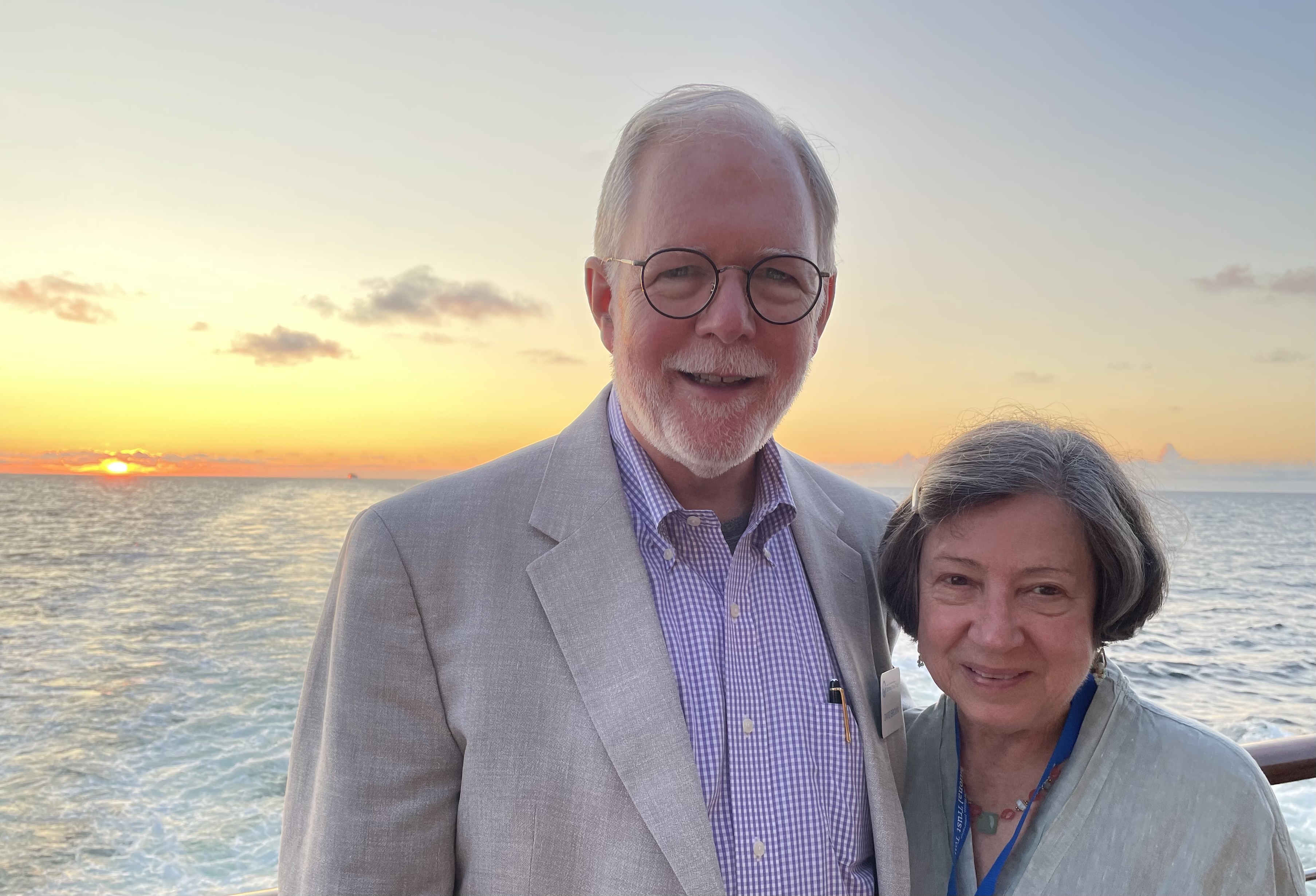
At sunset, heading to Copenhagen
Many of our National Trust Tours travelers on the Scandinavia and the Baltic Sea Tour gathered for this group photo
Enjoying some tea with NTT friends in the beautiful city of Tallinn, Estonia

Finland was a special treat, as we toured Helsinki’s amazing central library, saw beautiful monuments, and—in Candice’s case—enjoyed a Finish sauna experience, complete with a dip in the Baltic Sea!
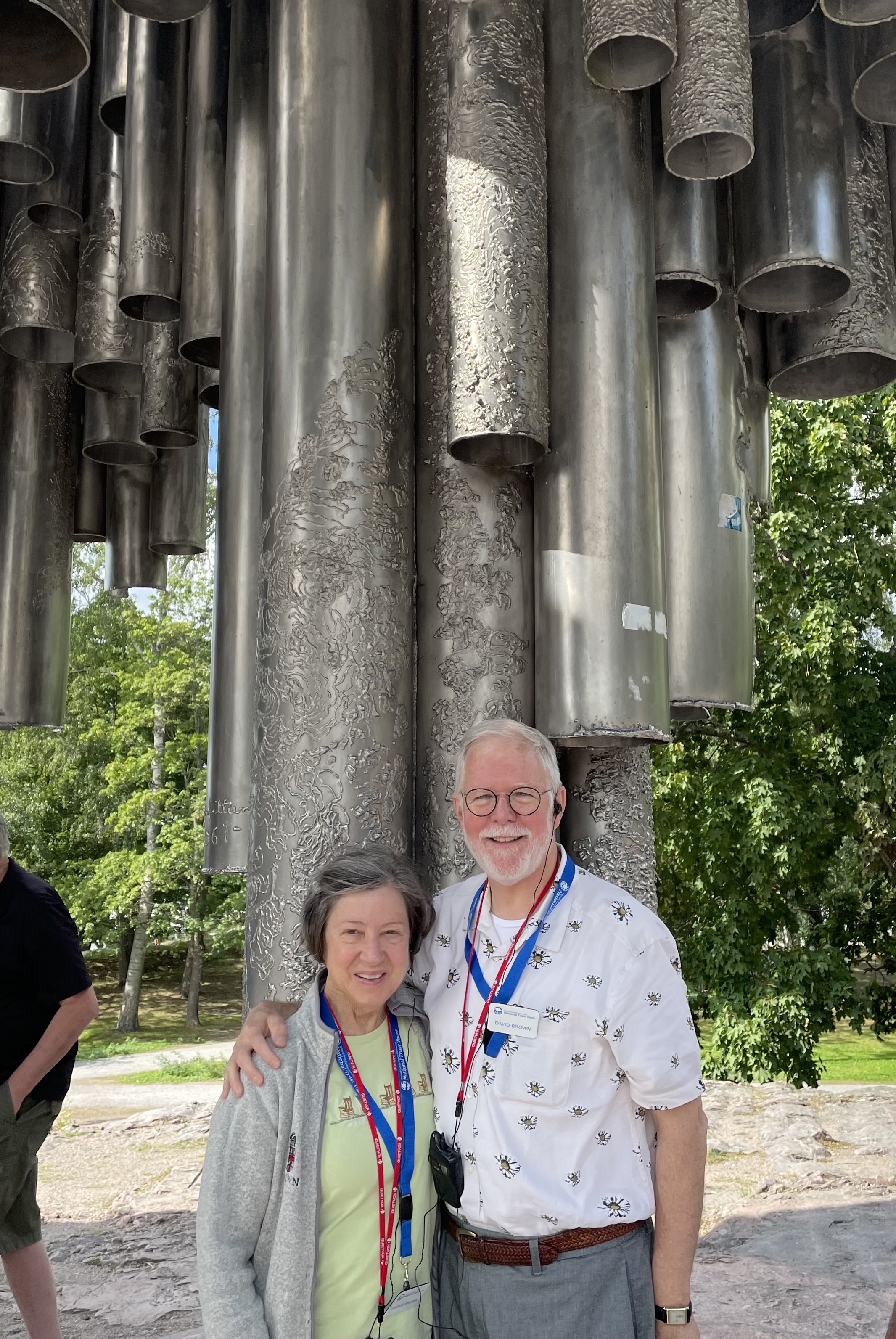
At the Sebelius monument in Helsinki, Finland
Candice takes a dip in the sea after her Finnish sauna experience

Upon our return, Candice and David took a day trip by train to Philadelphia to view the Mary Cassat exhibit.
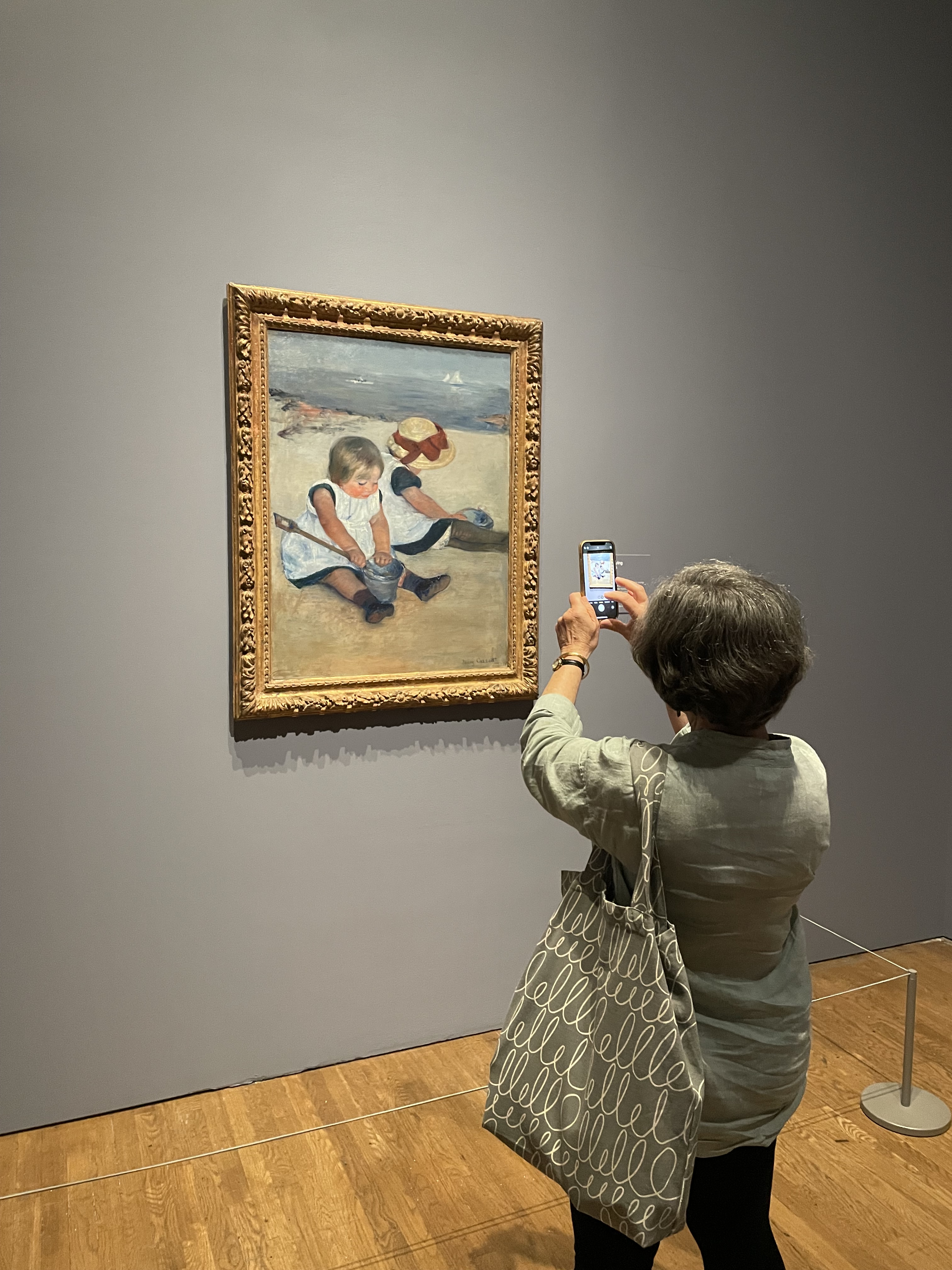
Finding an old friend at the Philadelphia Museum of Art’s Mary Cassatt exhibition
Walking the river trail in Philadelphia
Andrew with the other Apprentice Artists and coaches at the Des Moines Metro Opera, after the cover run (where all the covers sing their roles) for American Apollo.
Enjoying bluegrass at Strathmore on a cool summer evening with Bob and Judy Van Namen
Claire and Andrew enjoy a cocktail before a family dinner at La Piquette in Washington—the rare time all four of us were together that isn’t a holiday
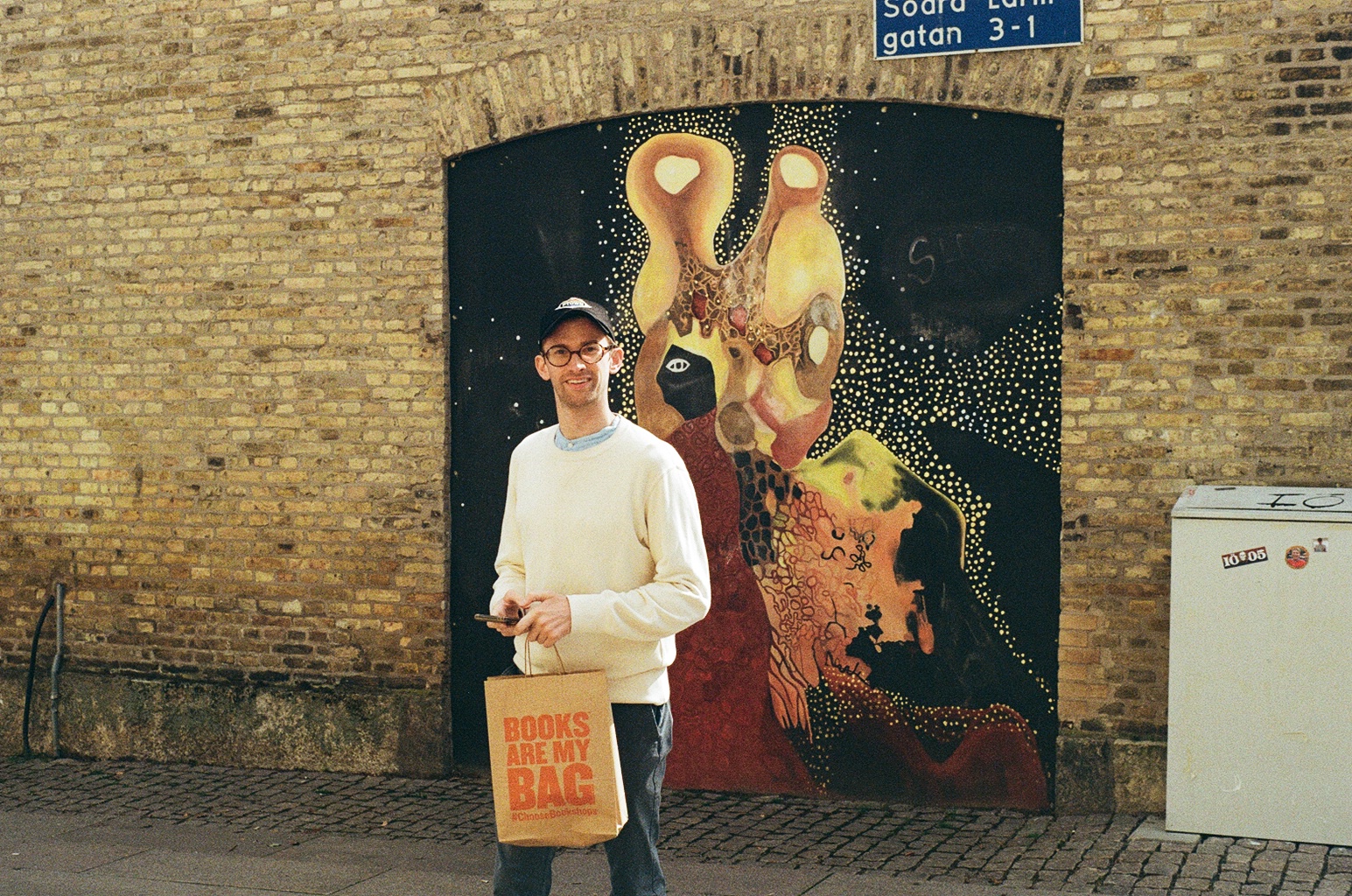
Andrew in Gothenburg, Sweden
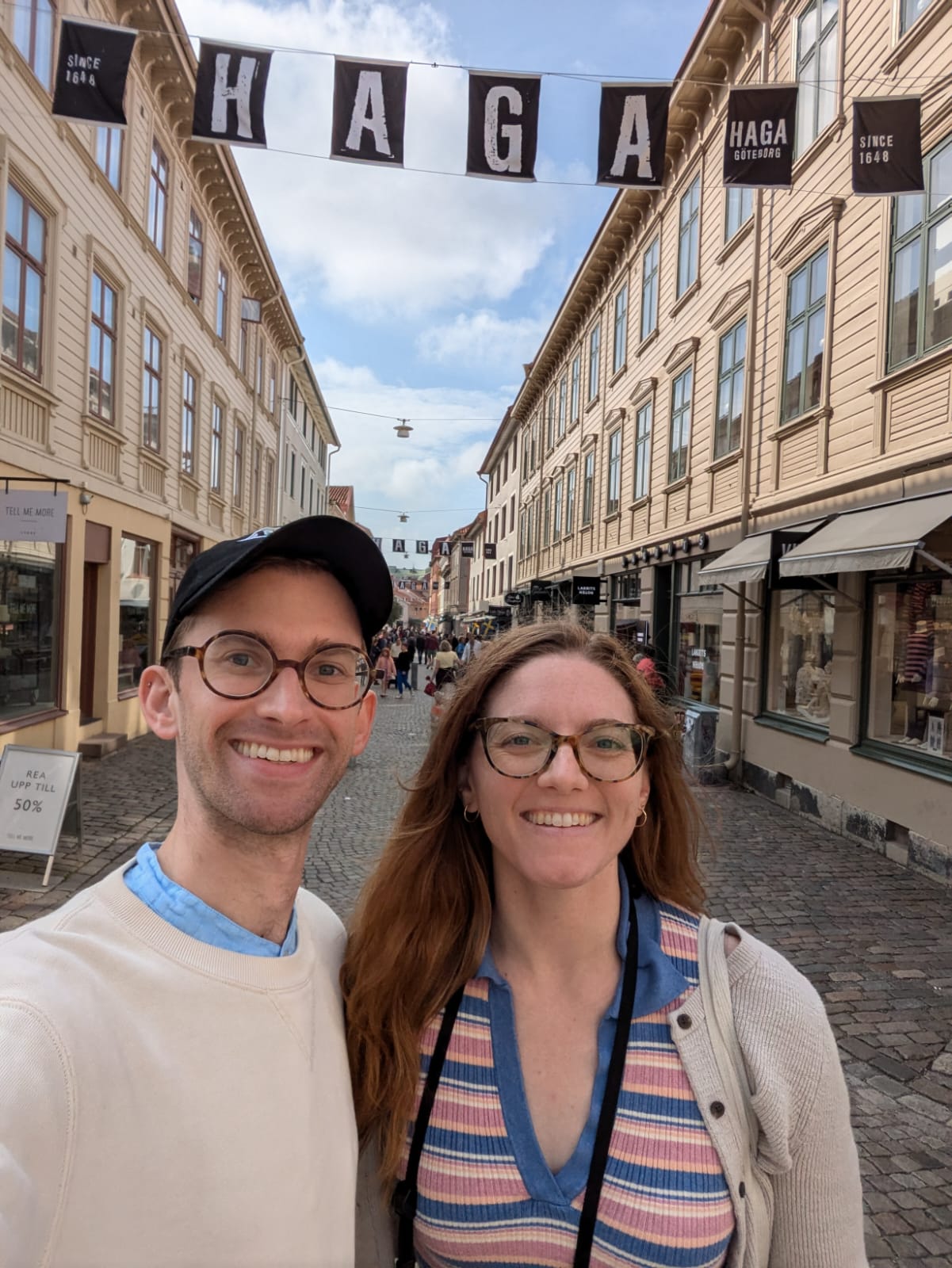
In Haga, the old neighborhood of Gothenburg
Claire comes across her namesake cafe on a bike tour through Copenhagen
Claire photographs a beautiful food market in Copenhagen
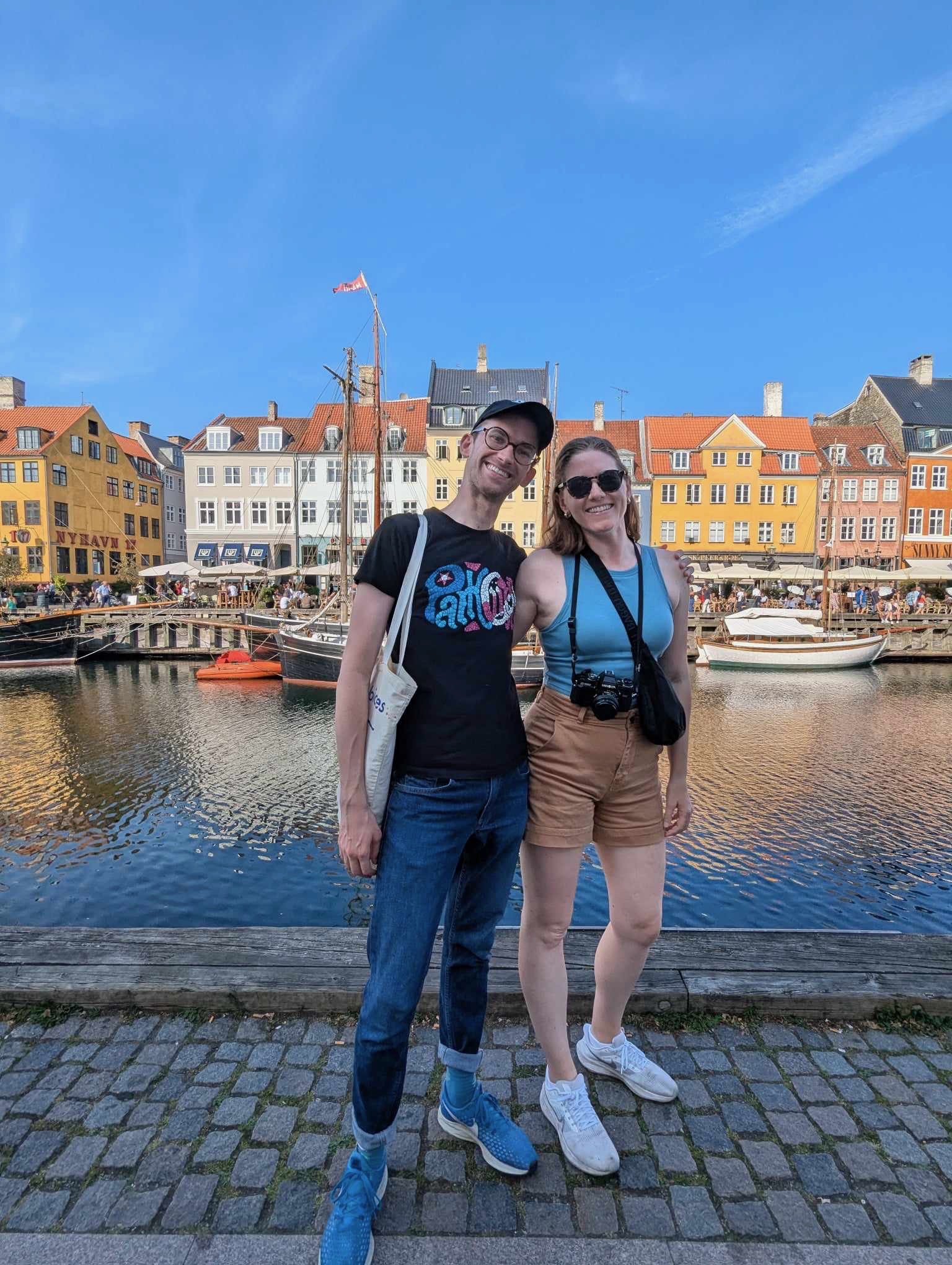
Pausing for a photo along a Copenhagen canal

Claire and Andrew topped off their trip to Copenhagen with a wonderful dinner at RADIO. Our children know how to find good places to eat!

SEPTEMBER — NOVEMBER

As the year turned to fall, we continued to read, travel, and focus on those we love.

There are several banned books on that bookshelf

In early September, Candice and Francoise LeGall helped the children of St. Alban’s parish celebrate the Godly Play ministry of The Rev. Emily Griffin at a bittersweet farewell party.

Candice and Francoise thank Rev’d Emily on behalf of the children of the Godly Play ministry

The following week, David and parishioner Kate McNamara helped organize the St. Alban’s Ministry Fair to showcase the many ways the parish reaches out to the community while meeting the spiritual needs of parishioners.

Kate and David in the midst of a busy fair day

In October, Candice and David traveled to Florida to celebrate the 93rd birthday of Candice’s mom, Irene Colando.

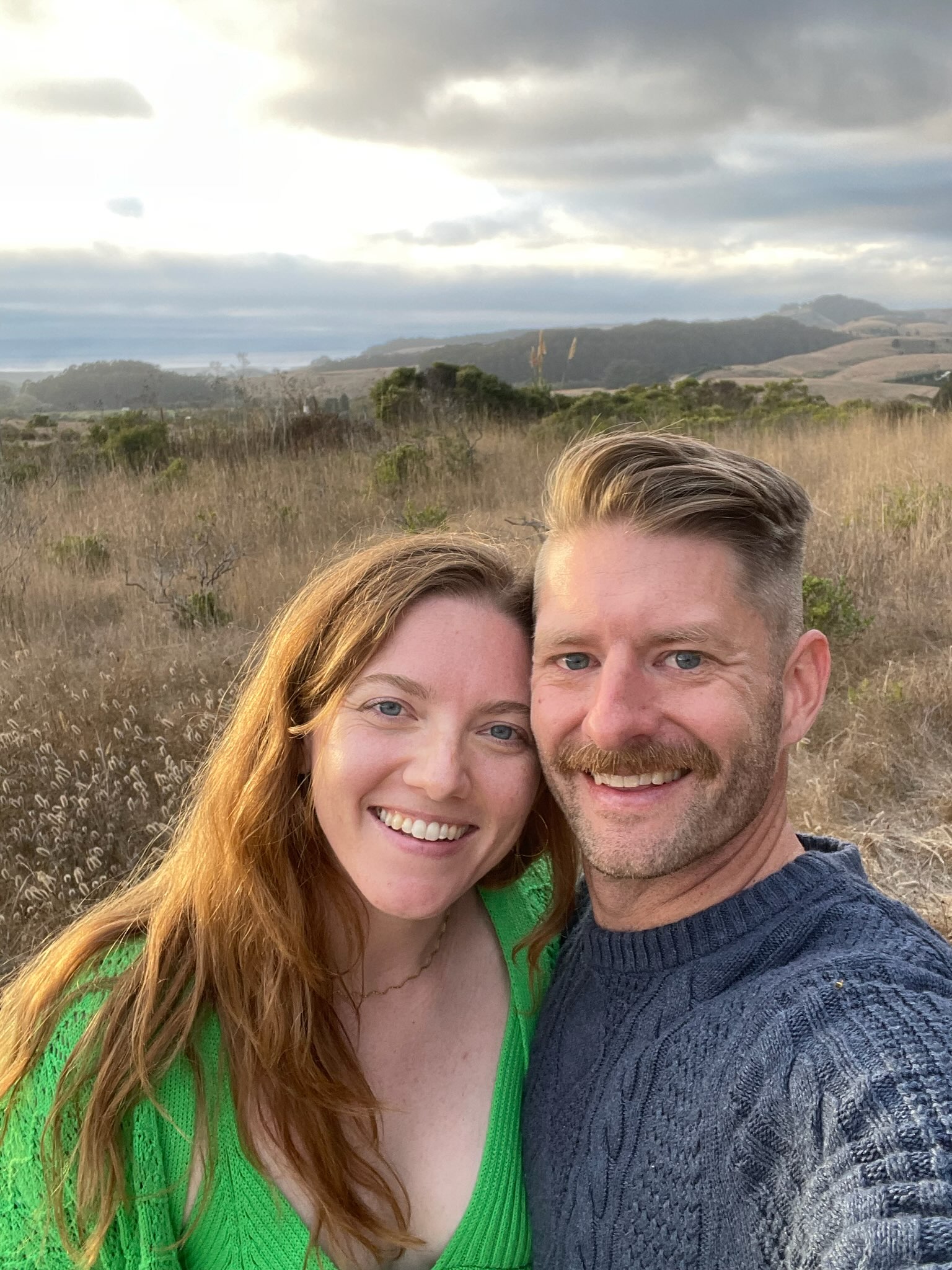
Candice with her mom and brother Adam at the birthday celebration
Claire with her new friend Zack

Our third National Trust Tour trip of 2024 took us to the Greek Isles and Ephesus. This was a part of the world we’d both wanted to visit for a long time, and the trip was both memorable and educational. We saw places we’d long read about and we were introduced to new experiences as well.
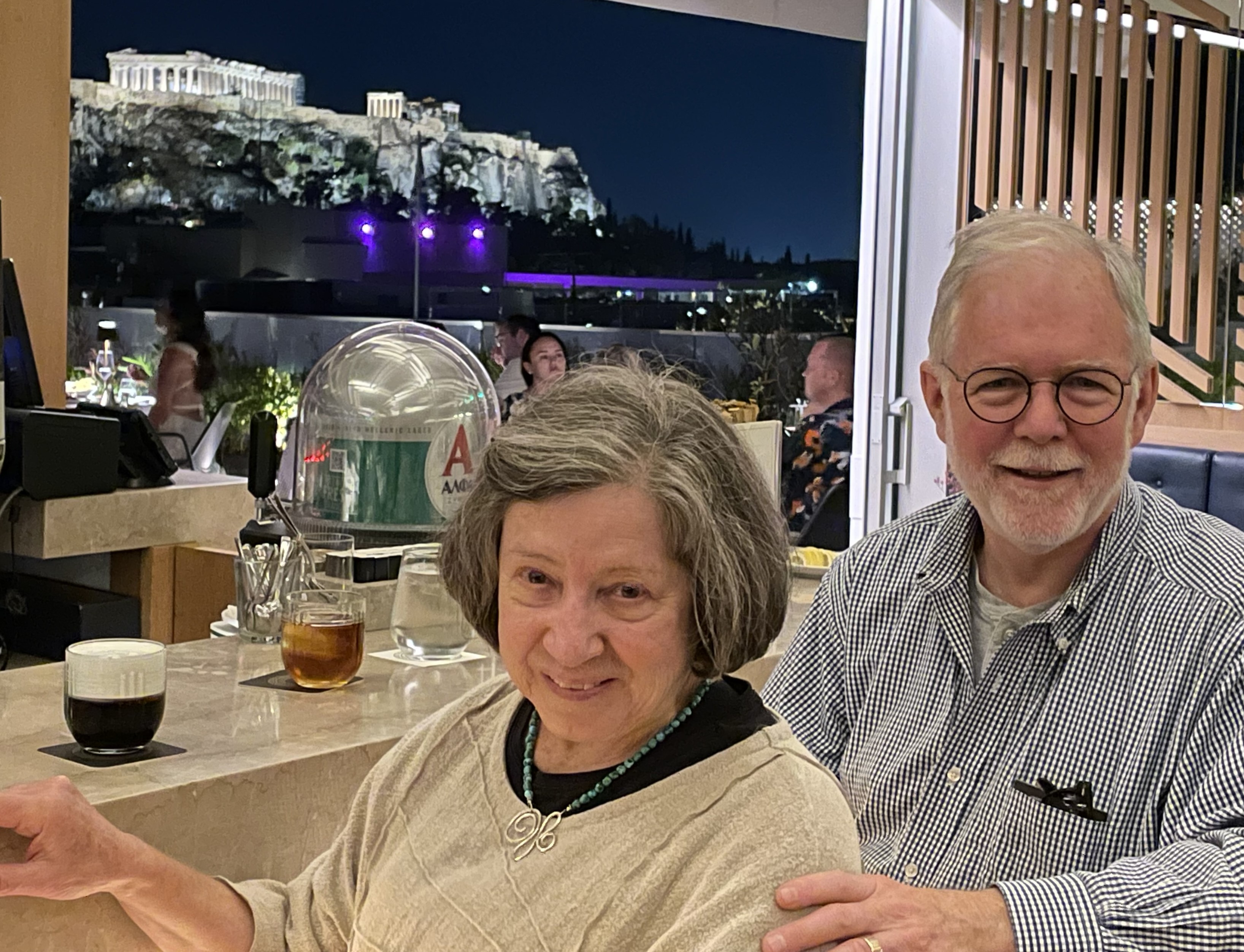
Having a drink with the Parthenon in the background
At one of the many delicious dinners with National Trust Tour friends
A number of our National Trust Tour travelers gathered together for a group photo
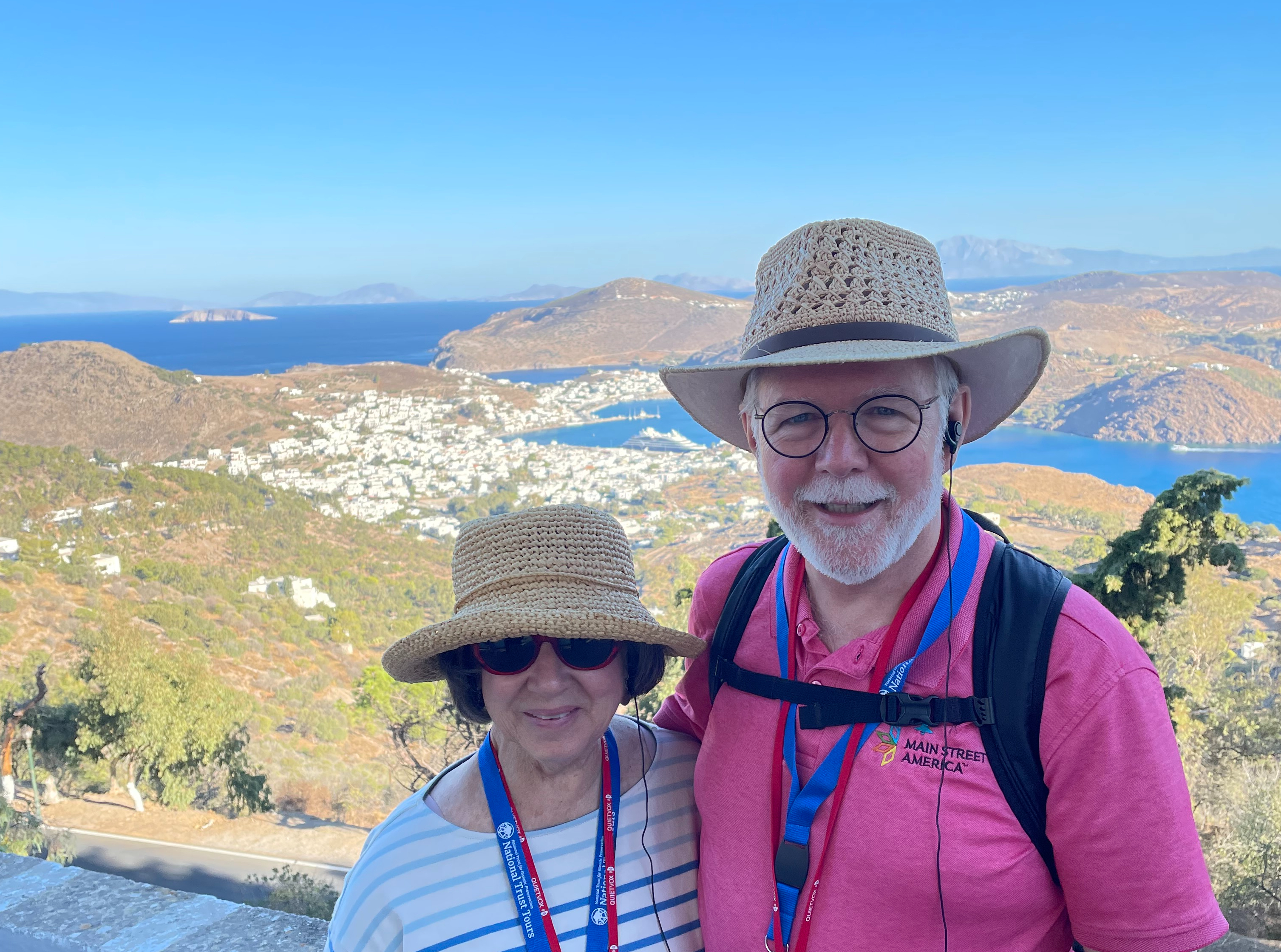
David and Candice high above the Pátmos harbor

Nobody does Halloween quite like Alameda, so Claire and Zack took full advantage, handing out candy with friends and then walking the neighborhood to see the decorations (and hear the five live bands!).
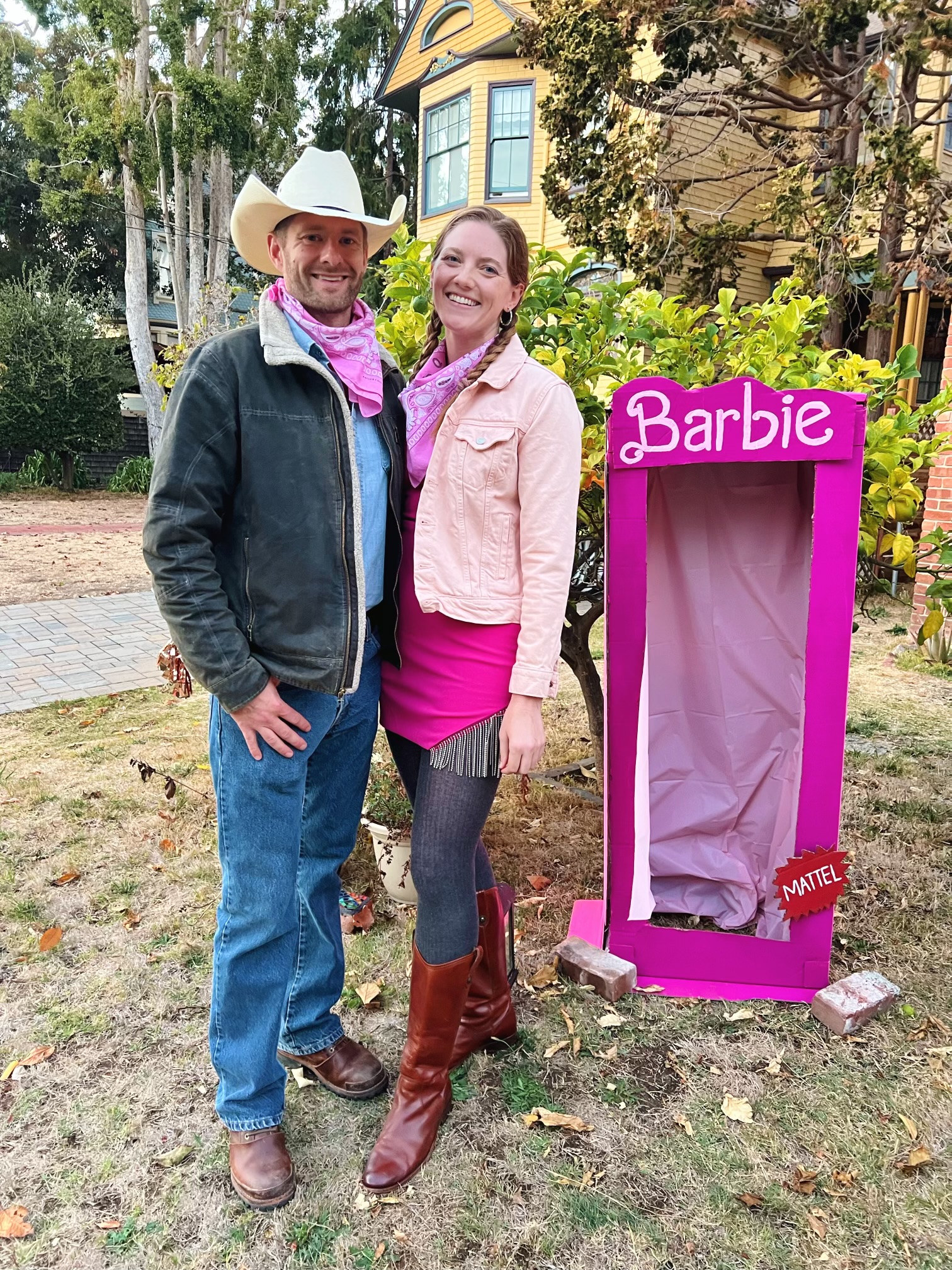
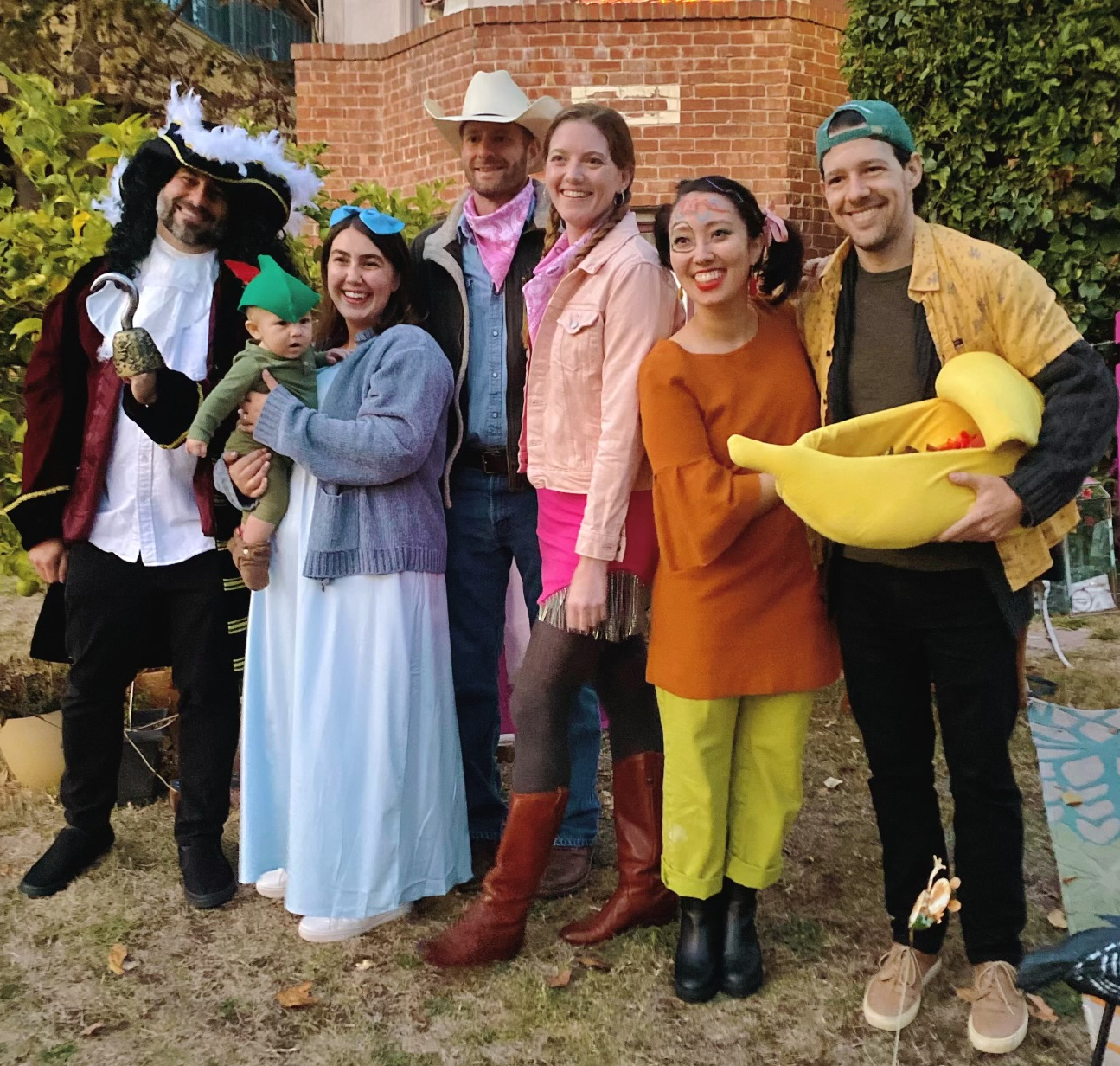
Zack and Claire as Ken and Barbie
Handing out candy with neighborhood friends
Skeleton Dogs Playing Poker—Only in Alameda!

In early November, Candice and David attended the St. Alban’s Parish Weekend at beautiful Shrine Mont in Orkney Springs, Virginia. It was a weekend for spiritual renewal, rest, reading, music, time with friends old and new, and enjoying the wonder of nature—just what we needed before a tumultuous election.
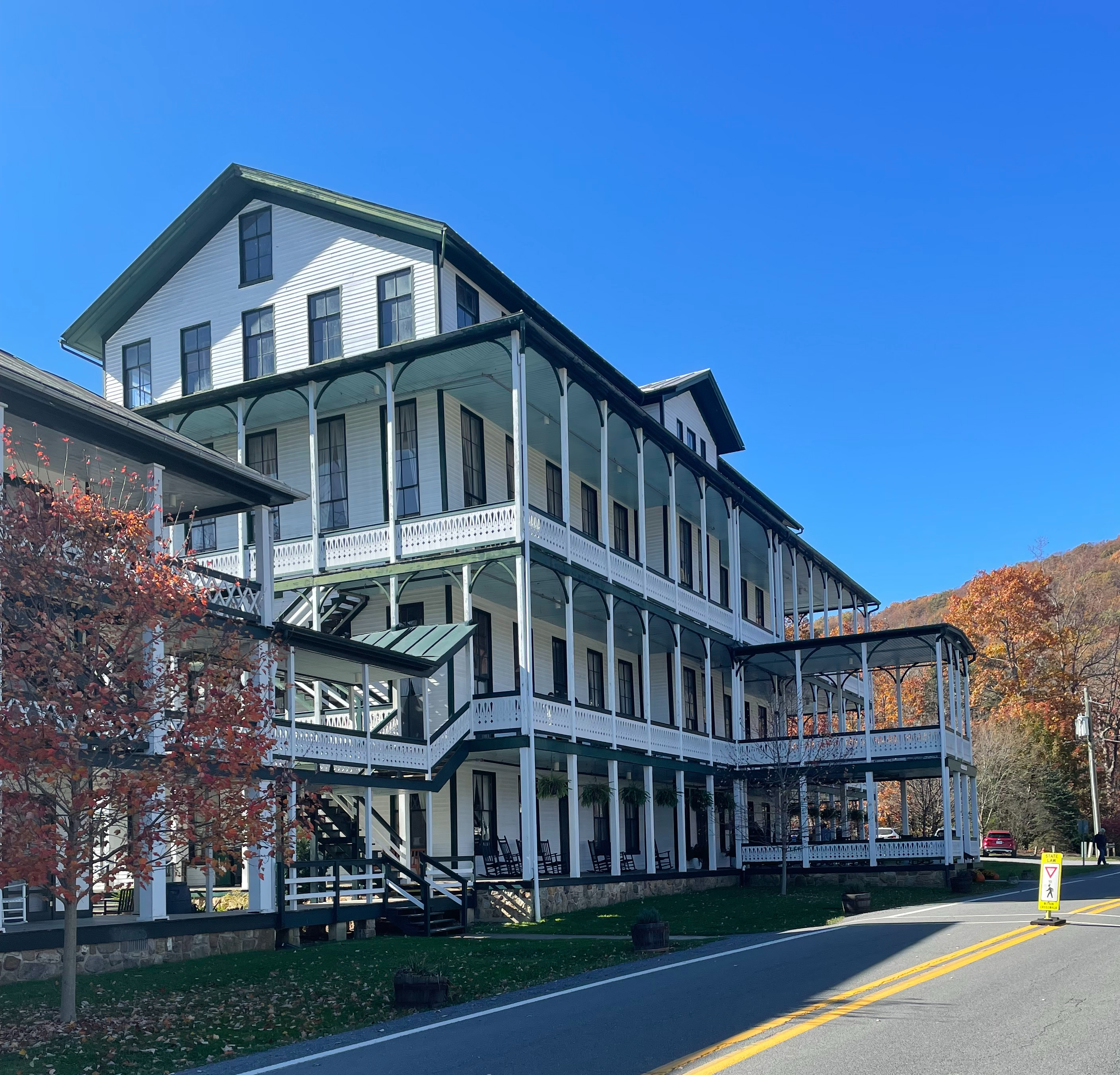
The historic Shrine Mont Retreat Center in Orkney Springs
The woods were too dry for a bonfire, so the singalong with Matt, David, and Rich moved indoors
Deep into our books on a glorious fall weekend at Shrine Mont
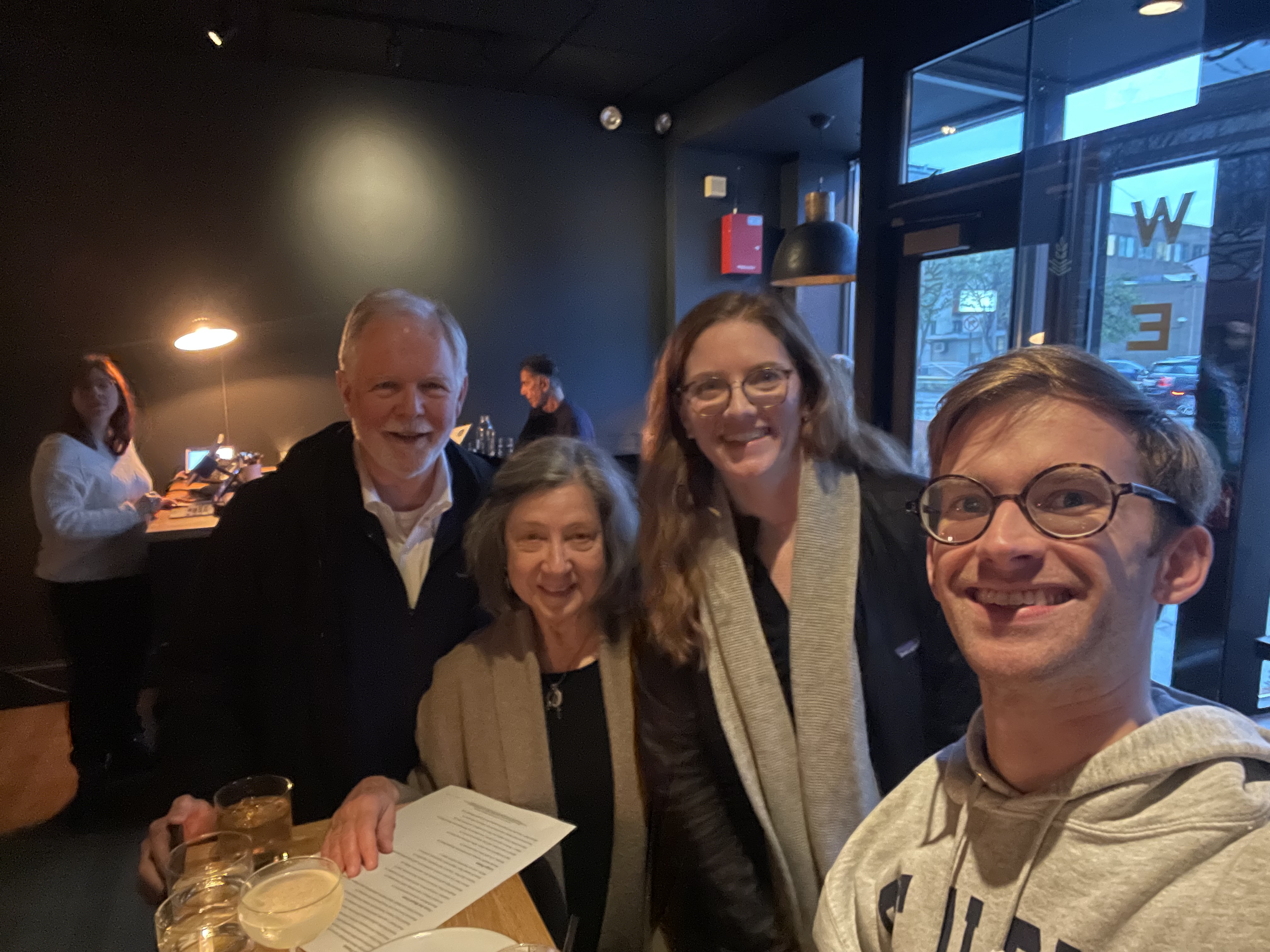
Andrew, Candice and David enjoy a scrumptious late fall lunch in DC with Bill and Sara Overby, their son Mike and his husband Casey

As we approach Thanksgiving this week, all four of us remain grateful for each of you and the friendships we share.
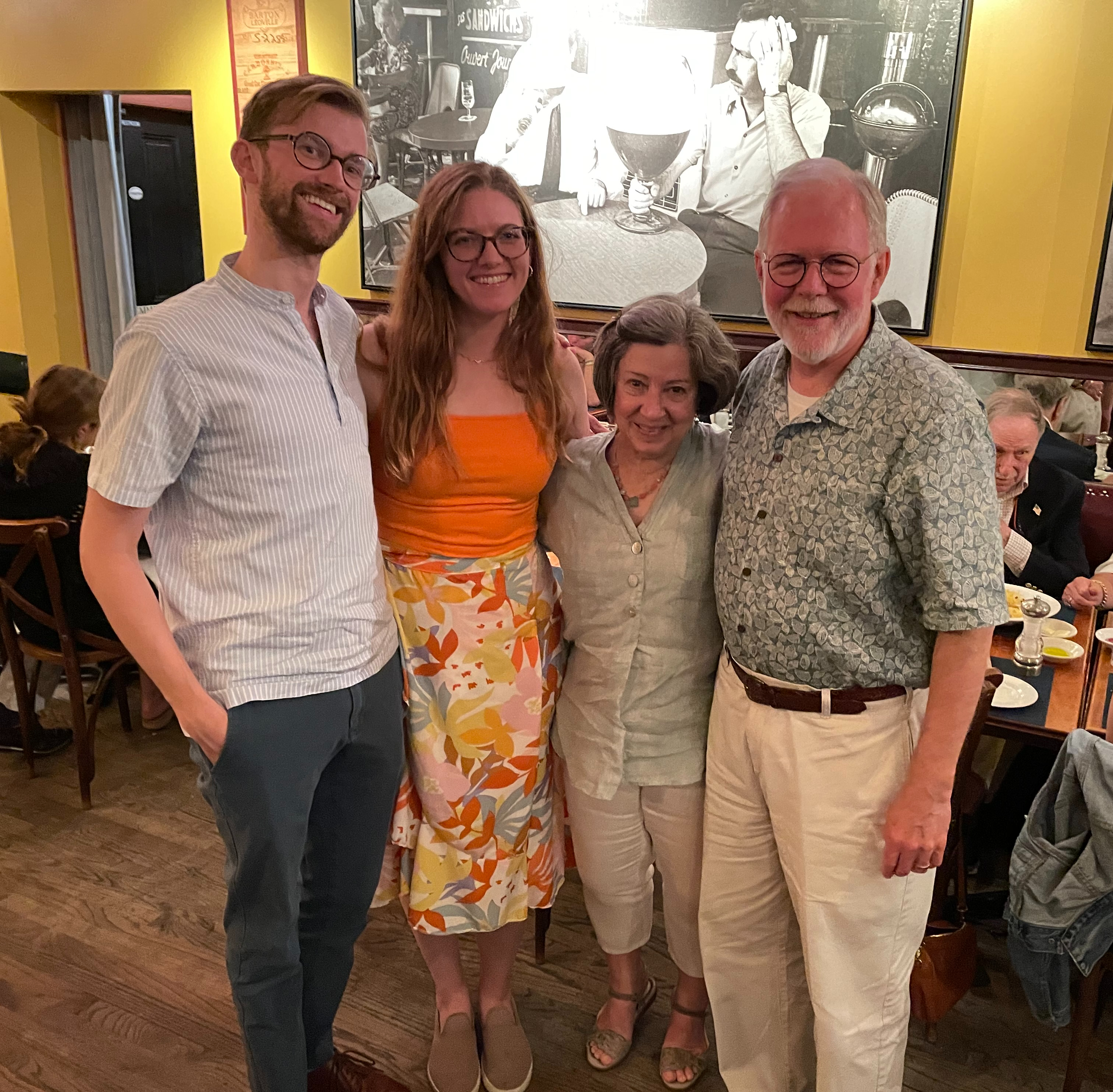
Gathering at one of our favorite Washington restaurants: La Piquette

Happy Thanksgiving to all!

More to come…

DJB

*For previous year’s posts, click here for:

The practice of gratitude

With the approach of Thanksgiving, many are asking how we can be thankful in the midst of the deceit, distrust, and discord we see around us. The historian in me responds—to quote David McCullough—that while we “think we live in difficult uncertain times, so it has nearly always been.” The seeker in me looks to establish, as Richard Rohr suggests, a pre-existent attitude of gratitude that is a deliberate choice of love over fear, a desire to be positive instead of negative.


Attitudes of Gratitude: How to Give and Receive Joy Every Day of Your Life (1999) by M.J. Ryan was written some twenty-five years ago and may seem quaint to those struggling with today’s challenges. It is all too easy to give thanks when everything is going well, as seemed to be the case before the turn of the millennium. Paradoxically, it is in the most challenging of times when it is so very important to be open to gratefulness and to remember to be thankful. Thanksgiving itself came from a time of violence. Abraham Lincoln’s famous Thanksgiving proclamation was issued in the midst of some of the worst times of the Civil War. In a series of brief motivational essays, Ryan reaches back to timeless wisdom to teach us how to unlock the fullness of life—no matter the current circumstances—through the simple joy of living from a grateful heart.

Meant to be read an essay or two in a sitting in order to integrate the learnings, Attitudes begins with thoughts on gifts: what happens in our lives when we begin to practice gratitude. Then, her essays on attitudes consider the outlook or stance we need to take in cultivating gratefulness. Finally, Ryan moves to practices, suggesting practical ways we can develop and maintain thankfulness in our daily lives.

Ryan quotes from spiritual masters, writers, mentors, and others who capture the blessings of gratitude with a few choice words.

“Gratitude unlocks the fullness of life. It turns what we have into enough, and more. It turns denial into acceptance, chaos into order, confusion to clarity . . . Gratitude makes sense of our past, brings peace for today, and creates a vision for tomorrow.”

Melody Beattie

In noting how gratitude helps us feel young, Ryan turns to Ralph Waldo Emerson: “The invariable mark of wisdom is to see the miraculous in the common.” When we tap into our sense of gratitude we are like little children, discovering the world for the first time. We don’t have to lose the happiness or “juiciness” of youth just because we’re aging.

In words that fit our times, Ryan notes that while there are plenty of things in life to be justifiably annoyed, angry, or hurt at, “that doesn’t mean that I should completely ignore all that is beautiful, good, and touching.” We’re not perfect, and we shouldn’t strive to be.

A point worth pondering: Upon completing the Universe the Great Creator pronounced it ‘very good.’ Not ‘perfect.'”

Sarah Ban Breathnach

Attitudes are the underpinnings of action, and Ryan has the reader think about how our approach to life affects our gratitude. Thich Nhat Hanh was the Vietnamese Buddhist monk who endured many hardships of war. An orphanage he started was bombed. He had to live years in exile. But through it all, he felt that “the greatest of all miracles is to be alive.” In considering all the sorrow in the world, this simple man who influenced millions writes,

“Suffering is not enough. Life is both dreadful and wonderful. How can I smile when I am filled with so much sorrow? It is natural—you need to smile to your sorrow because you are more than your sorrow.”

Ryan ends this hopeful work with suggestions on the practice of gratitude: how to put our attitudes into action. She begins by reminding us it takes exercise. Every day. Our family started this type of daily practice a number of years ago, when we began our evening meal by stating what we were grateful for that day. Yes, there were times when someone was “grateful the day was over,” but at least there was a recognition that this misery was only temporary in the larger scheme of life.

In one powerful suggestion that is timely today, Ryan pushes us to “do the work of forgiveness.” Nothing blocks feelings of gratitude, she asserts, more than anger and resentment. We victimize people by convincing them they are victims. It may take a while, but “there is a time in the process of emotional resolution for forgiveness.”

Practicing wonderment. Banishing comparisons. Transforming expectations into “no matter whats.” Looking for the hidden blessings of difficult situations. All of these practices can lead to a life of gratitude, that then leads to generosity and kindness to others.

My friends at Kefa Cafe in Silver Spring express their gratitude every day

David Steindl-Rast describes how gratefulness—our full appreciation of something altogether unearned—leads us to thankfulness. “In a moment of gratefulness, you do not discriminate. You fully accept the whole of this given universe, as you are fully one with the whole.”

“[W]hen the fullness of gratitude overflows into thanksgiving, the oneness you were experiencing is breaking up. Now you are beginning to think in terms of giver, gift, and receiver. Gratefulness turns into thankfulness. This is a different fullness. A moment ago you were fully aware; now you are thoughtful. Gratefulness is full awareness; thankfulness is thoughtfulness.”

No one got to where they are by themselves. As we continue to grapple with the violence and division that is all around us, recognizing this basic fact of life is key to a deeper understanding of grace. We all make the choice as to how to respond to hatred and despair. We can respond with gratefulness and love and, in so doing, become the type of person that William Shakespeare described as making “the face of heaven so fine.”

When he shall die,

Take him and cut him out in little stars,

And he will make the face of heaven so fine,

That all the world will be in love with night,

And pay no worship to the garish sun.

Romeo and Juliet (Act 3, Scene 2)

I am thankful for all I have to celebrate this Thanksgiving, for my family and for all the wonder and joy in my life every day. I count myself lucky to have crossed paths with so many people who have loved me into being. You may, or may not, remember what you did to lift me up. But I remember.

Thank you all. Let’s continue the practice of being radically grateful this Thanksgiving and every day. And remember the words of the great Darrell Scott: It’s a great day to be alive. *

“And it’s a great day to be alive
I know the sun’s still shining
When I close my eyes
There’s some hard times in the neighborhood
But why can’t every day be just this good”

More to come…

DJB


For another Thanksgiving essay during challenging time, check out one I wrote for Thanksgiving Day 2020 and then repurposed in 2022


Photo by Silviu Zidaru on Unsplash

Even small challenges have impact

Two friends mentioned they had recently seen a movie that moved them to consider how one responds to authoritarian power. I returned to re-read the novel on which the movie is based, believing that it has an important message for our times. This review is taken largely from my earlier post.

One of the key reasons authoritarians can get away with horrific acts and even murder is because of the complicit silence of “good people” in the community. None is more damning than the silence of the church. In his famous Letter from a Birmingham Jail, the Rev. Dr. Martin Luther King, Jr. wrote of his surprise that the white churches did not support the famous bus boycott against racial segregation on public transit. Some showed outright hostility, he wrote, but “all too many others have been more cautious than courageous and have remained silent behind the anesthetizing security of stained-glass windows.”

Of course, sometime the church is itself the authoritarian power. Ireland’s infamous Magdalene laundries certainly existed—and even thrived—because of complicit silence both inside and outside the church. *

Thankfully, confrontations against complicit silence come in all sizes. And even the small challenges can have tremendous impact.

Small Things Like These (2021) by Claire Keegan is a short yet deeply moving novel set in small-town Ireland during the Christmas season of 1985. Bill Furlong is a coal and timber merchant who works hard supporting his family while running a small business that employs several other men in the community. Well-liked and respected, Furlong “had come from nothing. Less than nothing, some might say.”

His mother became pregnant at the age of sixteen while working as a domestic for Mrs. Wilson, a Protestant widow who lived “in the big house a few miles outside of town.” With no father in sight, Furlong’s mother is disowned by her family; yet her employer takes her in and helps raise young Bill. He goes to school and eventually becomes a local merchant, meets his wife Eileen, and they have four girls who, when we meet them, are doing well at the local Catholic school for young women.

As Christmas approaches, Furlong takes a load of coal to the local convent and makes a discovery that forces him to consider his past and the choices he must make in the face of complicit silence.

The silence hits very close to home when Eileen reminds him that the discovery “Tis not one of ours.” He responds, “Isn’t it a good job Mrs. Wilson didn’t share your ideas?” When he takes his yardmen to the local pub for a Christmas dinner, the owner, Mrs. Kehoe, lets him know that she had heard that Bill “had a run-in with herself above at the convent.”

Her advice? “You want to watch over what you’d say about what’s there. Keep the enemy close, the bad dog with you and the good dog will not bite.” Surely you must know, she adds, “these nuns have a finger in every pie.”

In the end, Furlong follows what he knows, in his heart, is right. And while he could feel a “world of trouble” waiting for him behind the next door . . .

“. . . the worst that could have happened was also already behind him; the thing not done, which could have been—which he would have had to live with for the rest of his life.”

Shortlisted for the 2022 Booker Prize and winner of the Orwell PrizeSmall Things Like These brings us face-to-face, in a simple yet memorable story, with how we confront our past and with the evils of a community’s complicit, self-interested silence. It is also a deeply moving story of “hope, quiet heroism, and empathy.”

Small Things Like These is a little gem of a novel.

More to come . . .

DJB


*What were the Magdalene laundries?

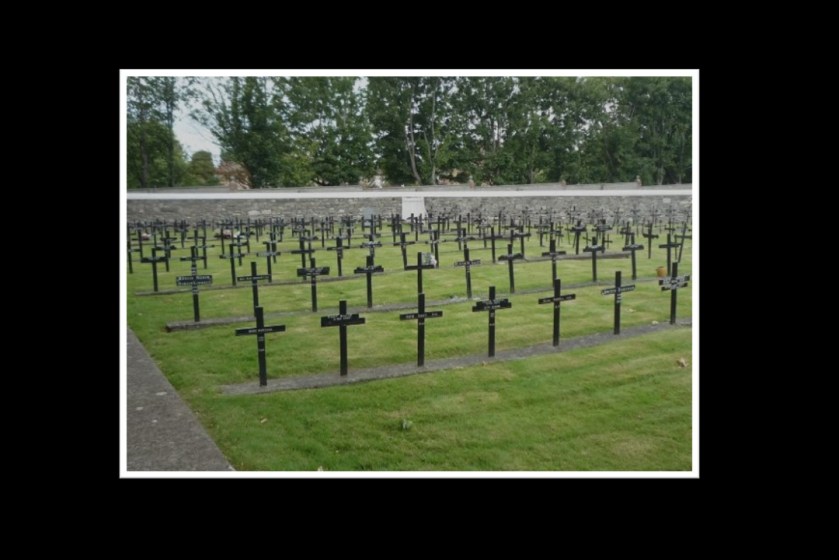
From the foundation of the Irish Free State in 1922 until 1996, at least 10,000 girls and women were imprisoned, forced to carry out unpaid labour and subjected to severe psychological and physical maltreatment in Ireland’s Magdalene Institutions. These were carceral, punitive institutions that ran, commercial and for-profit businesses primarily laundries and needlework. After 1922, the Magdalene Laundries were operated by four religious orders (The Sisters of Mercy, The Sisters of Our Lady of Charity, the Sisters of Charity, and the Good Shepherd Sisters) in ten different locations around Ireland (click here for a map). The last Magdalene Laundry ceased operating on 25th October, 1996. The women and girls who suffered in the Magdalene Laundries included those who were perceived to be ‘promiscuous’, unmarried mothers, the daughters of unmarried mothers, those who were considered a burden on their families or the State, those who had been sexually abused, or had grown up in the care of the Church and State. Confined for decades on end — and isolated from their families and society at large — many of these women became institutionalised over time and therefore became utterly dependent on the relevant convents and unfit to re-enter society unaided.

Justice for Magdalenes Research

Photo of Magdalena cemetery in Donnybrook (credit: Justice for Magdelena’s Research)

Disagreement without hatred

Reconciliation has a variety of meanings to different individuals and groups. Many think of it as something “that takes place quickly and then everyone moves on. It is basically a ‘kiss and make up’ event.” Yet this shallow approach seldom succeeds. Others see reconciliation as being the same as forgiveness, but that creates a different set of problems. True reconciliation takes a long time and must be constantly nurtured to last.

War—a failure of politics—can be seen as one of the most disastrous of disagreements. Reconciliation, on the other hand, “is the maturity of politics.”

That is the heart of the dilemma over reconciliation. It is treated as unattainable, not least because it is so misunderstood. Like many virtues, reconciliation and peace are idealized in imagination, politically unexamined in applied theory, and ignored in practice.”

Reconciliation is not easy, even for people who write entire books on the subject. Such as the Archbishop of Canterbury, who resigned last week in the wake of an independent report that he had taken insufficient action in response to a longtime sexual abuse scandal in the church. The news broke just as I was finishing the Archbishop’s challenging book examining paths to bringing people together in ways that promote peace, sustainability, and agreeable disagreements. The news confirmed, in many ways, how difficult reconciliation can be in a world where institutions and power are often prioritized over spiritual and humanitarian concerns. It also confirmed that the Archbishop is human.

The Power of Reconciliation (2022) by Justin Welby was published for the 2022 Lambeth Conference, when bishops from around the world assembled in Canterbury. As Archbishop, Welby was the spiritual leader of a diverse worldwide communion of 85 million Anglicans who share a common faith but have sharp disagreements. The book largely draws from his experience as Co-Director of the International Centre for Reconciliation at Coventry Cathedral and addresses the issues of peacemaking for facilitators of community and societal, rather than religious, issues. It is challenging in its message and, at times, in its applicability to issues more relatable to the common reader. However, in tackling an issue that is front-and-center in today’s fractured world, it is also vitally important and useful.

Welby approaches this topic in three parts. First, he examines the nature of reconciliation and the barriers to its realization. His definition is right up front: “Reconciliation is disagreeing well.” Shallow agreements, resignation to the universal nature of conflict, pride, unrestrained power grabs, and a lack of moral imagination are among the barriers to reconciliation. This isn’t about papering over differences. Peace, Welby notes, “is not found by avoiding conflict but by disagreeing well.”

The second section is the one I found most challenging when considering issues I see at home. Welby draws on his international experience to work through a process or pattern for facilitators that he helpfully organizes around six words that being with the letter R: researching, relating, relieving need, risking, reconciling over the long journey, and resourcing for that timeframe. There are helpful and thoughtful examples and suggestions throughout, sprinkled with enough humorous asides to remind you this isn’t a textbook.

Finally, part III looks at the practical by asking the question, “What can I do about it?” The principles here, as in the rest of the book, can be applied to a wide range of conflicts.

It is easy for one to say that reconciliation in this world is impossible and that we should just accept conflict. But one example Welby provides—the building of a 75-year peaceful coexistence between France and Germany beginning in 1945 after a century dominated by three disastrous wars on a continent that was reeling—reminds us that the difficult is not impossible. But in our current authoritarian uprising at home and across the globe, we are also reminded that nothing, including peace across Europe that has led to a strong economy and much greater security, can last forever.

We have in The Power of Reconciliation a challenging message about an intractable subject delivered by a flawed man. Why consider it? Because, as Welby and others note, we have no viable alternative.

More to come . . .

DJB

Photo by Nsey Benajah on Unsplash

History doesn’t repeat, but it does rhyme

Stockholm’s most visited museum houses the Vasa—a wooden war ship which sank on her maiden voyage in 1628 and was raised in 1961. Inside the museum is the conserved and restored ship, along with incredible exhibits about the men and women of Vasa and the 1600s during the Golden Age in Sweden. 

We visited in 2014 and—as I wrote at the time—this is a history museum like none other.

Vasa Top Deck March 2014

“History doesn’t repeat itself, but it often rhymes,” as Mark Twain is reputed (probably incorrectly) to have said. That line came to mind last week as Andrew and I were talking about the Vasa’s story, which seems to be playing out today in America.

“The loss of the magnificent Vasa after barely a kilometre’s sailing was a catastrophe on a grand scale, in full view of Stockholm’s population and foreign agents from all over northern Europe. Before his clothes were even dry, Captain Söfring Hansson was imprisoned and interrogated by the Council of State . . . On 12 August, the Council sent their first report to [King] Gustav II Adolf, who was with the army in Prussia, busy with the war against Poland-Lithuania. One can still read his fury in the reply, which insisted on an inquiry into what lay behind the catastrophe, and that the guilty should be punished.”

As described on the museum’s website, an inquest was held. But in the end, no one was officially blamed or punished, and all of those questioned were eventually promoted.

Why?

Because the main reason for the ship’s failure would have placed the blame on the king himself. King Gustav II Adolf personally approved the design, and he also had the builders load up the ship with excessive and heavy symbols of Sweden’s might and glory.

“The commission now faced an unpleasant dilemma: blame must be assigned, but without blackening the king’s name, and without removing anyone whose competence was necessary for the [ongoing] war effort. To a certain degree, the proceedings were really a piece of political theatre, to demonstrate what we would now call ‘due diligence.’ Everyone involved had had a month to get their stories straight, and Hein Jacobsson had effectively laid the blame on the perfect scapegoat. [The ship’s designer] Master Henrik could not defend himself [because he had died a year earlier] and did not need to be punished; the navy could get on with the job of managing the war.”

As the ship was being designed and built, no one dared tell the king “No.” A catastrophe followed and the country suffered greatly. Recent travels in Scandinavia and the Baltic Sea reminded me of the constant nature of conflict and the regularity of the rise and fall of empires. We think we’re exceptional here in America, but we are not. The Swedes were among those who prospered in the past—until they didn’t.

We are in a time in America when one political party is bending over backwards not to upset the attempts at disruption of the incoming president. No one wants to say “No.”

Timothy Snyder, a historian of authoritarianism, has written about Trump’s appointments and how each are part of a larger picture that he calls a decapitation strike. Presidential historian Lindsay Chervinsky has described why cabinet appointments are so important to the American way of life.

So what should we do when the past helps us see a potentially dangerous course ahead?

“We need to be clear-eyed but not deterred. Realistic but not pessimists. Most importantly, we need to be committed to fighting hard and not giving up hope. There will be dark days and times we feel like all is lost. Hopelessness is the tool of the aspiring dictator . . . We need to keep focused on hardening democracy.”

Mark Elias, Democracy Docket

When no one will push back and say “No” in today’s world, the ship of state will topple as quickly as the Vasa. And we will only have ourselves to blame.

More to come . . .

DJB

Painting of the Sinking of the Vasa credit Vasa Museum; photo of ship by DJB

Down the rabbit hole

UPDATE: Scroll to the bottom of the post to see some photos from the weekend’s events.

One way to break out of the anxiety that comes from a politics driven by hate and fear is to get out and hear some live music. With real people playing and singing. And real people around you—some of whom may disagree with your political values. In these times we risk losing even more of our community, our touch with humanity, and our sense of wonder at the beauty of art. Don’t let that happen.

This weekend, I’m immersing myself in live music. A WIDE variety of live music, I might add.

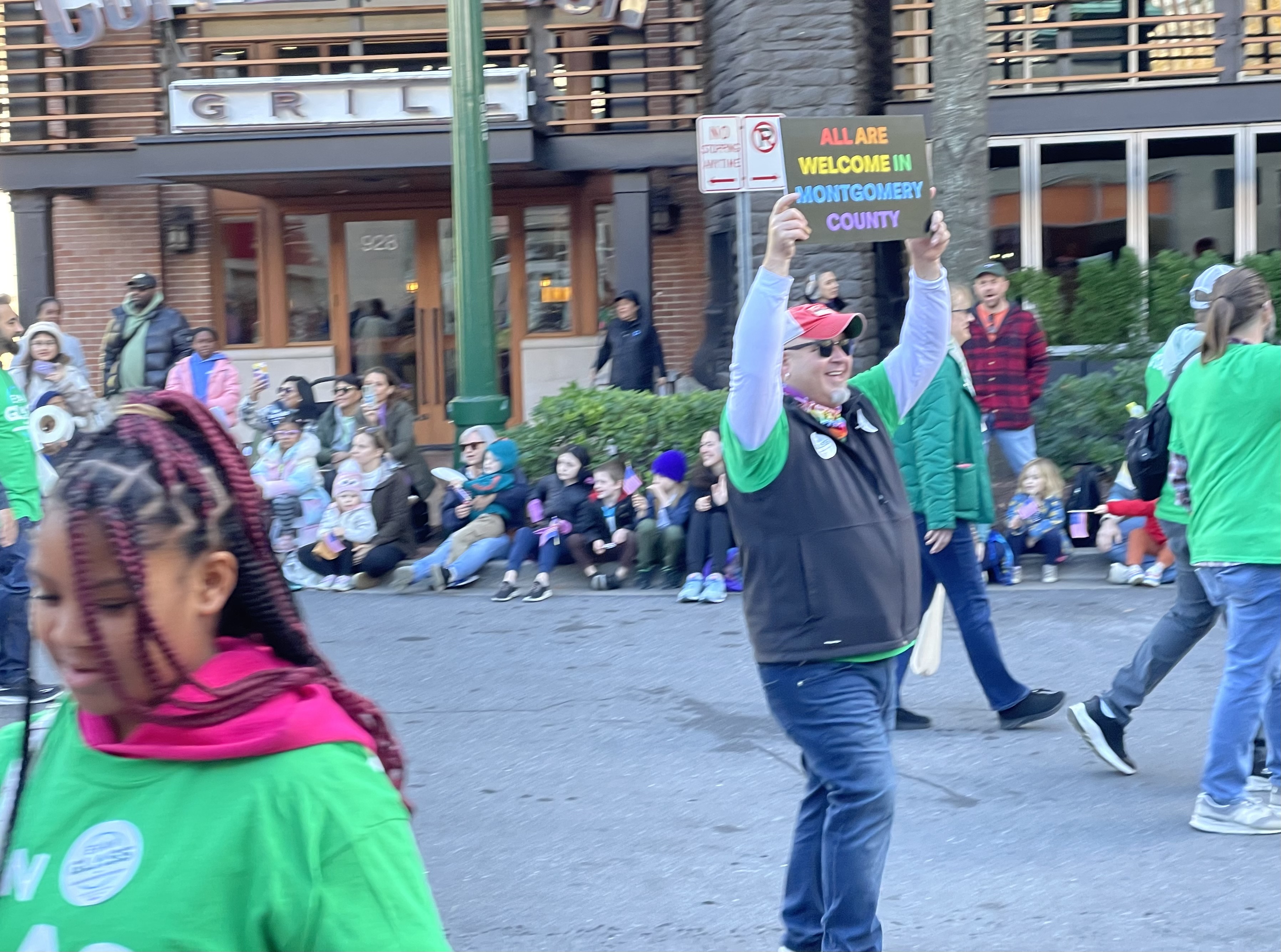
Later this morning we’ll be in downtown Silver Spring for the annual Thanksgiving parade. There are always several high school and college bands, including one or two from area HBCUs. The local School of Rock generally has a float. Every bit of live music, plus the exuberant costumes and holiday joy, will remind us of why we love living in a diverse and continually fascinating urban community.


Molly Tuttle and Golden Highway (credit: MollyTuttlemusic.com)

Tonight, we’ll take in our first visit to The Fillmore, Silver Spring’s downtown concert venue, to hear Molly Tuttle and Golden Highway on their Down the Rabbit Hole tour. Tuttle—an exceptionally gifted guitarist, musician, songwriter, and band leader who pushes the boundaries of roots and acoustic music—is someone I’ve written about several times (see here, here, and here) but have never seen live. I bought the tickets for tonight after my friend Marty—who has attended dozens of bluegrass concerts—said her recent show at Wolf Trap was the best he’s ever seen.

Enjoy Next Rodeo from her City of Gold Album (no actual cowboys were hurt in the filming of this video) . . .

. . . and Dooley’s Farm, with dobro great Jerry Douglas.


Sunday morning I’ll scratch my communal singing itch at St. Alban’s parish. Music director Matthew Steynor always has something familiar among the hymn selections where those of us in the congregation can close our eyes and be washed over by the music and love. Something like Oh God Our Help in Ages Past.


Sunday evening we’re attending choral evensong at Christ Church, Georgetown, where Andrew’s a member of the professional choir.

Christ Church, Georgetown (credit: Wikimedia)

Every first, third, and fifth Sundays, Christ Church has a beautiful service of this most moving of ways to close a day. You can hear the Christ Church choir in their recent offering of the Requiem Mass sung on November 1st, the eve of All Souls’ Day.

Balm for the soul in troubled times. Go out and hear some live music.

UPDATES

Congressman Jamie Raskin, fresh off an election victory, works the crowd at the 2024 Silver Spring Thanksgiving Parade
What’s a parade without jugglers, clowns, and people on stilts?!
The overriding theme of the 2024 Silver Spring Thanksgiving Parade: “All are welcome!”
Molly Tuttle and Golden Highway go old school—around a single mic—for a portion of their barnburner of a show at the Fillmore, Silver Spring on Saturday evening, November 16th

Finally, at the beautiful service of evensong at Christ Church, Georgetown on Sunday evening, the final hymn we sung was one of my top three favorite hymns in the Episcopal Hymnal: King of Glory, King of Peace sung to the wonderful tune General Seminary. I’ve uploaded a video of the Beverley Hills All Saints Episcopal Church choir singing the tune. Note that they have the tenors sing the descant on the third verse (as they should) so that the song ends with the entire choir finding their way to one moving, unison note. It is so lovely.

Have a wonderful week.

More to come . . .

DJB

Photo of Molly Tuttle and Golden Highway via MollyTuttleMusic.com

Step away from the exhausting digital chatter

The more I talk with people about the state we find ourselves in, the more I sense a thirst to break from the digital madness that has infected our country, our politics, and our brains.

At the risk of sounding like a hopelessly antediluvian curmudgeon, let me suggest a more analog approach. *

In an essay entitled After You Vote: Unplug, Cal Newport— the author of Slow ProductivityA World Without Email, Digital Minimalism, and Deep Work, among other books—makes a suggestion that could be helpful no matter who you voted for on November 5th.

(U)se the stress of this election to be the final push needed to step away from the exhausting digital chatter that’s been dominating your brain. Take a break from social media. Stop listening to news podcasts. Unsubscribe, at least for a while, from those political newsletters clogging your inbox with their hot takes and tired in-fighting.”

It is easy to see why this move might be necessary. It can also be good for you and for the country. Many wise people take a further step and suggest that we be intentional about how we direct “our newly liberated attention” even if our decision is to live in a more unstructured fashion.

I’m not suggesting we give up or give in. The fight for justice and democracy is never-ending and it requires our participation. But obsessing over social media is not the way forward.

Reconnecting with nature is an almost universal prescription for restoring our wholeness as a people. In Washington, we are blessed with an abundant tree canopy which encloses 37% of the city. The nation’s capital is fourth among U.S. communities with the most tree coverage per capita. While our drought has dimmed the full exuberance of color as seen in recent years, this fall we’ve nonetheless had many examples of trees ablaze with magnificent color.

The analog world is quite beautiful. Yet I’ve noticed a tendency among too many residents to hurry past this amazing display.

Even Rock Creek Park, a veritable cathedral of nature, is not immune to our mental disappearance. Drivers rush through, barely noticing their surroundings. Elsewhere heads are buried in smartphones in the midst of some of the area’s most stunning displays, like the blanket the ginkgo tree lays upon the ground in the fall.

Fall in downtown Silver Spring
A view from an earlier fall morning in downtown Silver Spring

Essayist Maria Popova reminds us that “to live wonder-smitten with reality is the gladdest way to live.” But we have to take the time to recognize the wonder, the joyful, the fulfilling that sparks awe in humans.

We find wonder not just in nature but in leisurely lunches and conversations at a sidewalk cafe, in talks with a child as they explore the world around them, in deep reading of books, in simply finding a bench on which to sit and think. However, too few of us choose to order our hours and days this way. The ability to live wonder-smitten lives is often crushed by a culture that demands that we always hustle, striving to achieve more. It is the race that never ends.

The difficulty of finding the proper balance in a fast-paced world is an oft-heard complaint. In times of great stress it is even more important to step back. To think. Watch. Heal.

We can still stay connected to the world, but in different ways.

“I suggest you switch to a slower pace of media consumption,” [writes Newport]. “Don’t laugh at this suggestion, because I’m actually serious: consider picking up the occasional old-fashioned printed newspaper (free from algorithmic optimization and click-bait curation) at your local coffee shop or library to check in, all at once, on anything major going on in the world.”

We have discovered modernity and, unfortunately, latched on to the parts that are unfulfilling for too many of us. We can fly, but at what cost? E.B. White once wrote, “The curse of flight is speed. Or, rather, the curse of flight is that no opportunity exists for dawdling.”

In place of the rat race and the digital clutter, focus on what sociologist Hartmut Rosa calls “moments of resonance.” When things really touch us, they resonate within us. We’ve all had these moments, but we have to be present in the experience.

Slow down and you might find yourself not only more productive but also exhibiting the type of love that is far more than an emotion, but is, instead, something of great activity. Newport suggests we aim our newfound time “toward real community, with real people who actually live near you, to retrain your brain to stop thinking of the world as hopelessly fractured into vicious tribes.”

(Credit: Mar from Pixabay)

Finally, consider reading books again. “There’s a pleasure in the conquest of deep ideas that’s been lost as we thrashed in a digital sea of churning distraction.”

But don’t over plan this new approach.

“The good life has more aimless wandering, less frantic racing, more spontaneity, less scurrying,” asserts Brian Klaas. “It gives us the space to do one of the most important things a human can do: to notice and relish the joyful, the fulfilling, or even the merely pleasant bits of life.”

One of the things [Uncle Alex] found objectionable about human beings was that they so rarely noticed it when they were happy. He himself did his best to acknowledge it when times were sweet. We could be drinking lemonade in the shade of an apple tree in the summertime, and Uncle Alex would interrupt the conversation to say, “If this isn’t nice, what is?”

So I hope that you will do the same for the rest of your lives. When things are going sweetly and peacefully, please pause a moment, and then say out loud, “If this isn’t nice, what is?”

Kurt Vonnegut

Take your head out of your smartphone. Avoid the doomscrolling. Look around. Embrace the liminality in life. Remember that “we are here to keep watch, not to keep.” Pay attention. Be astonished. Tell about it.

And bash into some joy along the way.

More to come . . .

DJB


*Yes, I understand the irony of the fact that the essays that Cal Newport and I posted are online.


Photo of Rock Creek Park (credit NPS)

Leadership that brings people together

At a time when poor examples of leadership abound, I want to showcase the work of two servant leaders.

In the past I’ve written about servant leaders I’ve known, at the local, national, and international level. Robert K. Greenleaf’s 1977 book Servant Leadership: A Journey into the Nature of Legitimate Power and Greatness defines the servant-leader as “servant first.” These individuals begin with the natural feeling that they want to serve.

Leadership comes in many forms. We all know of the alpha male, Type A personalities. These are the “born leaders”—or so they say.

But there is another type of leadership that is—to my mind—much more effective. It generally comes from people who learn to be leaders, rather than assume they know it all from birth. I put more stock in these types of leaders in part because I am reminded of the tale of a group of tourists visiting a picturesque village. They walked by an old man sitting beside a fence and in a rather patronizing way, one tourist asked, “Were any great men or women born in this village?” “Nope” the old man replied. “Only babies.”

This other type of leadership is—to paraphrase Jim Rohn—resolute, but not rude. Humble, but not timid. Proud, but not arrogant. Humorous, but without folly.


Elizabeth Kostelny

When Elizabeth Kostelny retired at the end of October after 34 years at Preservation Virginia, including several decades as the CEO, I was honored to be asked to add a few thoughts to a celebratory video produced for her retirement dinner. The video begins with Elizabeth stating a core belief: that historic places matter.

“They are dynamic forums for dialogue about the people and events of the past and how the legacies of those moments continue to shape our present and our future.”

I’ve long admired Elizabeth for her courage in taking on difficult issues—such as Confederate statues in the capitol of the Confederacy—in a way that was thoughtful, inclusive, and respectful of various perspectives. With that approach, she has been able to bring distinct and often overlooked voices to the table for rich conversations that produced results.

I also used this opportunity to recognize her servant leadership.

“I think of Elizabeth as one of those quiet but effective servant leaders, where it is not about her being the person out front, but it’s really about how do we bring everyone together . . . I think of that quiet, effective leadership and I know it is going to be missed, but I know it is going to leave a long legacy.”


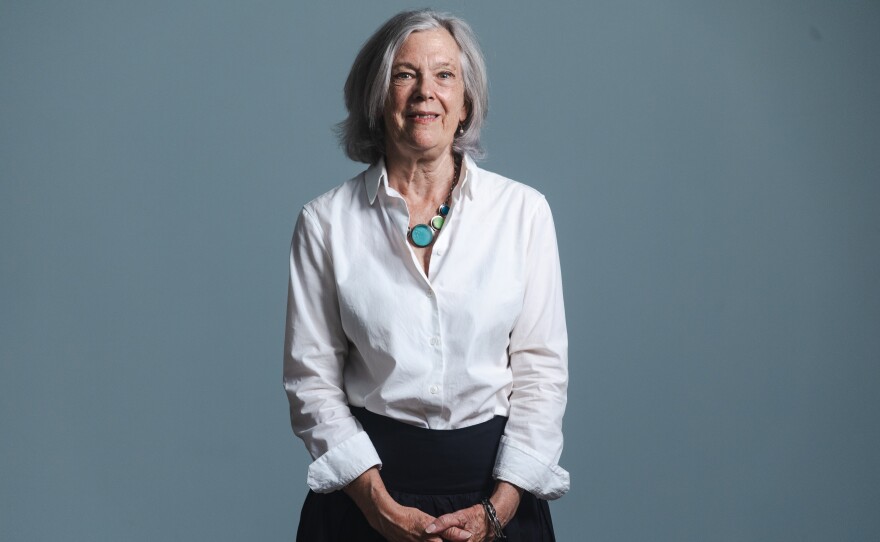
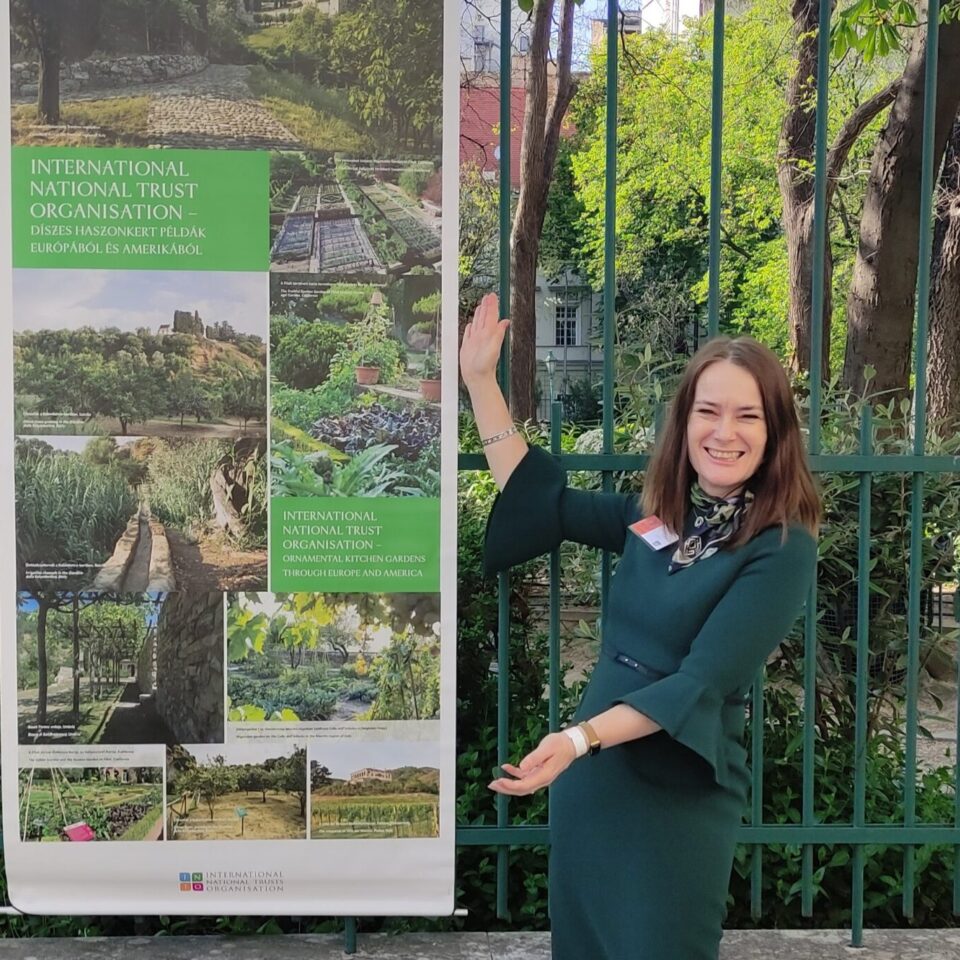
Several years ago, I wrote about the leadership skills of my dear friend and colleague Catherine Leonard, Secretary General of the International National Trusts Organisation (INTO). Catherine will use the phrase “Not just consuming, but contributing,” which comes from her crafting of values which she seeks to internalize in work and life. We all take up space on this earth, and she was reminding me when she articulated that value that what we do with our time and talent will be weighed against what we take away as consumers of limited resources.

Catherine Leonard

Over the past decade-and-a-half, Catherine has been busy contributing to the work of creating, building, and strengthening National Trusts—and a new set of heritage conservation leaders—all around the world. INTO just released this short video prepared out of one such gathering of Island Trusts.

Catherine sets the stage for what we are about to see:

“So we’ve brought together national trusts from Fiji to Bermuda, from Saint Helena to Jersey, from all across the globe who share many of the same values and aspirations for nature, for the built environment, for communities and people.”

But she then turns the spotlight on these leaders—young and not-so-young, newcomers and veterans—to let them tell their stories about the important work they are doing in their homelands. As she notes, it’s fascinating for these participants to come together and “learn that actually what we do is the same wherever we are in the world and we share many of the same values and aspirations, but also challenges.”

Servant leaders bring people together and help them find their way. As Max DePree, the long-time CEO of the furniture and design pacesetter Herman Miller wrote in a small but influential book Leadership is an Art, “The first responsibility of a leader is to define reality. The last is to say thank you. In between, the leader is a servant.”

With thanks for my friends and colleagues Elizabeth and Catherine, along with many others who have found a way to serve first.

More to come . . .

DJB

Photo of the Cape Henry Lighthouse, a historic site of Preservation Virginia.

Continue to do the good work

It is Saturday, and that means it is time for music on MORE TO COME. While music “will play a vital role over the next handful of years,” notes BGS’s Justin Hiltner, “music, the arts, and creativity won’t be enough to save us.” This moment calls for much more. But music has always been a way to process grief and point a way forward in times of turmoil and social injustice.

So we sing, play, and listen to music that helps us understand the moment and inspires us to continue to do the good work we should be doing.


Mercy Now

As Venice (not Venus) Williams wrote, “You are awakening to the same country you fell asleep to. The very same country.” Only now we know the truth about the country we live in.

“How do we get through the next four years?” Some of my Ancestors dealt with at least 400 years of this under worse conditions.

Continue to do the good work. Continue to build bridges not walls. Continue to lead with compassion . . .”

The world has changed too fast for too many people, and I suspect we will find that they voted from a place of fear. This is a place and time where mercy is needed. And in Mary Gauthier‘s Mercy Now, the message “of mercy applied broadly, universally, and without qualification, is more than timely. It’s evergreen.” As Gauthier sings near the end, “Every single one of us could use some mercy now.”


Reconciliation

A friend and retired Episcopal priest put it this way in a post he shared that was written immediately after the 2016 election.

“The long period of speculation is past.  The die is cast. Capital ‘T’ truth about our nation is right before our eyes.  We now must get on with the business of being a nation. A primary task is obviously reconciliation. If we did not learn anything else in the past twenty-four hours, we all must know that we live among deep and painful divisions. The primary ministry objective must be reconciliation which is an ancient and basic function of the Christian Community.”

Reconciliation is not easy. Justin Welby, the Archbishop of Canterbury, notes that in secular thinking, “reconciliation is an event that takes place quickly and then everyone moves on. It is basically a ‘kiss and make up’ event.” But true reconciliation takes time. A lifetime and then some. It must be “lived out and grown into.”

Reconciliation, writes Welby, “involves the transformation of fear and exclusion of others into abundant joy in relishing difference. It is “the transformation of destructive forms of conflict and disagreement into the capacity to disagree well.”

This was never going to be a short journey.

There will be many who say we should be an “every man for himself” type of nation. But the Black string band supergroup New Dangerfield—which features Jake Blount, Kaia Kater, Tray Wellington, and Nelson Williams—reminds us in Put No Walls Around Your Garden that the only way we’ll get through is together. Rather than walling ourselves off, “now is the time to throw open our garden gates and welcome each other in. Share our abundance, work through our scarcity and lack, and care for each other’s needs—big or small.”


Listen

I do not know what happened on Tuesday. In that regard, I am like millions of others and virtually all the pundits. Of course, that fact doesn’t stop those pundits from expressing their opinions. It’s what they do (see here and here, for example). But if you’re going to listen to pundits, you might do worse than consider what H.L. Mencken wrote a century ago about complexity, wild promises, and moral certainty.

  • For every complex problem there is an answer that is clear, simple, and wrong. 
  • If a politician found he had cannibals among his constituents, he would promise them missionaries for dinner.
  • The worst government is often the most moral. One composed of cynics is often very tolerant and humane. But when fanatics are on top there is no limit to oppression

There is much I don’t know, although I feel that we continue to pay for America’s original sins of slavery and the extermination of our indigenous peoples. Racism and misogyny are clearly part of what happened this week. Disinformation on a massive scale is also responsible and remains a clear and present danger.

However, I just don’t know the answers. Wisdom is knowing what you don’t know.

I do believe that in listening to different perspectives we may find some ways forward. “Media, social media, and the internet all incentivize us to speak, to center ourselves. As Kyshona Armstrong reminds us, let’s listen more. Especially right now.


Processing grief. Finding hope.

I had not considered the role that the pandemic may have played in voters’ decisions, but it is worth considering.

Unprocessed grief is never healthy. The suggestion that behind our anger is lingering pandemic grief seems an astute observation. My friend Sandy pointed me to the article where I heard these voices saying that the toll of that period of national and personal crisis is still unfolding.

‘Underneath it all, so much of the rage and angst and animosity, I believe, is unprocessed grief,’ said the Rev. Amy Greene, who was the director of spiritual care for the Cleveland Clinic health system during the pandemic.

America is particularly ‘grief-phobic,’ she said. ‘Anger is a lot easier because it makes you feel powerful even if you are not. It overwhelms fear and sadness,’ she said. ‘I think that is why we see so much rage on both sides.’ . . .

Grief is scary, and it is hard . . . and grief is just vulnerability like nobody’s business . . . America’s not a big fan of vulnerability, on either side of the equation.”

Grief, however, has always been a component of the old songs. Especially those out of Black traditional music.

Rhiannon Giddens, in a NPR Tiny Desk (Home) Concert filmed during the heart of the pandemic, launched into an old spiritual, “’cause with these kinds of emotions, the old songs say it best.” That seems to fit today as well.

The set list for the mini concert includes Black As Crow, Spiritual, and the tune set Carolina Gals / Last Chance. While all are wonderful, the haunting vocals and lyrics of Spiritual (at the 9:16 mark of the video) seems especially meaningful for this time:

“I’m gonna tell God of all my troubles, when I get home / I’m gonna tell God of all my troubles, when I get home / I’m gonna tell God of all my trials, my hardships, my self-denials / I’m gonna tell God of all my troubles, when I get home.

I’m gonna tell God the road was rocky, when I get home / I’m gonna tell God the road was rocky, when I get home / I’m gonna tell God the road was rocky, and my heart it is so heavy / I’m gonna tell God the road was rocky, when I get home.”

Giddens also sings a beautiful version of one of my favorite songs—Wayfaring Stranger—accompanied by the haunting sound of her fretless banjo and the mournful accordion played by Phil Cunningham of Silly Wizard fame. With one of the most expressive and powerful voices in music today, Giddens transports us to a deeper spiritual place, no matter our beliefs. It is a good reminder that we are all on a journey in this life.

The Saturday following the January 6th insurrection I wrote a post entitled The darkest hour is just before dawn. That post has been trending this week, probably because the title of this old country song offers some hope in the face of grief. The first line of the chorus is pure country poetry: The darkest hour is just before dawn.

“The sun is slowly sinking
The day is almost gone
Still darkness falls around us
And we must journey on

The darkest hour is just before dawn…”

One doesn’t have to believe in the gospel context of the song to understand and appreciate the meaning of trial, loss, and rebirth. The definitive version in my mind is undoubtedly by Emmylou Harris, with Ricky Skaggs singing harmony.

Keep journeying forward, with hope and work for a better world.

More to come . . .

DJB

Image by Coombesy from Pixabay

A narrative of grievance carries the day

I weep for my country. I fear for our future.

After a fitful night’s sleep, I woke up to find that we have chosen to put a serial liar, convicted felon, adjudicated rapist, treasonous thief, racist, and lifetime con man back in the office of the president. Unbelievable.

I clearly do not know my country, or at least I have chosen to believe the best about us when the facts state otherwise. Take the reality that too many Americans would not vote for a woman, no matter how accomplished, smart, and qualified she may be. Writing in today’s New York Times, Elizabeth Spiers notes:

“Mr. Trump offered a regressive idea of masculinity in which power over women is a birthright. That this appealed in particular to white men was not a coincidence—it intersects with other types of entitlement, including the idea that white people are superior to other races and more qualified to hold positions of power, and that any success that women and minorities have has been unfairly conferred to them by D.E.I. programs, affirmative action and government set-asides. For men unhappy with their status, this view offers a group of people to blame, which feels more tangible than blaming systemic problems like rising economic inequality and the difficulty of adapting to technological and cultural changes.”

Before yesterday, I had felt that when the minority over-reaches, as they are doing now, the majority will fight back. Historians remind us that “just as our forebears did, Americans have reached for whatever tools we have at hand to build new coalitions across the nation to push back” in these times. However, the large portion of those who chose to participate in this election—perhaps comprising even a majority of the popular vote—would suggest that they are a minority no longer. A narrative of grievance has shifted the country from one that cares about our fellow humans to one that looks out only for ourselves.

“There’s an irony to this [continues Spiers], in that actual systems of advantage—inherited wealth, legacy admissions to elite colleges, nepotistic professional advancement—were all designed to benefit white men. Perhaps no one embodies this unearned privilege better than Mr. Trump, but the ideological framework he operates in does not allow for acknowledging it. Instead, its beneficiaries insist that the rest of the world contort itself into a reactionary power structure.”

The oligarchs, the racists, the authoritarians, the Christian nationalists, and the politicians who benefit from minority rule will all cling to power in any way possible. Their money and political ties have shifted us towards an “every man for himself” mentality. Historians have written of how the oligarchs in America, beginning with John C. Calhoun and working forward to Charles Koch, Elon Musk, Peter Thiel, and others, have made the case throughout history that they should be the ones with the power to decide where the government spends what little money they agree to provide in taxes for the maintenance of order and the public defense.

We’ve seen this all before.

  • The elite enslavers who lost the Civil War subsequently won Reconstruction and instituted almost 100 years of Jim Crow segregation.
  • The robber barons changed the Republican Party from its original focus on helping the ordinary American to a focus on building more wealth for the wealthy.
  • Those with money who hated the New Deal used a series of malignant myths in support of an ideological “stealth bid to reverse-engineer all of America, at both the state and the national levels, back to the political economy and oligarchic governance of midcentury Virginia, minus the segregation,” as documented by historian Nancy MacLean.
  • 1980 brought the ascension of an anti-regulatory, anti-civil rights, anti-union, anti-voting rights, pro-corporate Republican party and the election of Ronald Reagan, supported by the conservative Supreme Courts of Chief Justice William Rehnquist and especially Chief Justice John Roberts. Regulations on business were slashed, taxes were cut, protections for the working class were weakened, access to the polls for people who did not vote Republican was limited, and income inequality soared.

We are now in our third period of oligarchy, this time led by Wall Street, Silicon Valley, multinational business interests, and a corporate media. But we have also seen that a growing, multi-racial democracy can prevail, even though it did not in this election.

These times are forcing me to rethink what I know.

Think Again: The Power of Knowing What You Don’t Know (2021) by Adam Grant makes the strong case that to have real intelligence, we need to rethink and unlearn what we believe and assume. Because we favor the comfort of conviction over the discomfort of doubt, we cling to old beliefs. But in everyday life, and certainly in politics, we need to let go of knowledge and opinions that “are no longer serving us well” and anchor our sense of self in flexibility rather than consistency.

Grant makes the case that instead of “preaching” to the other side in politics—something I’ve done on occasion—“people are actually more inclined to think again if we present these topics through the many lenses of a prism. To borrow a phrase from Walt Whitman, it takes a multitude of views to help people realize that they too contain multitudes.”

These are complex issues that we need to discuss together, recognizing that we can find more common ground than the binary “us vs. them” favored by the political press and the President-elect allows. So don’t expect the media to help. Perhaps what those of us who feel we no longer know our country need is more “influential listening” where we ask “truly curious questions that don’t have a hidden agenda.”

Grant asserts that “if knowledge is power, knowing what we don’t know is wisdom.” We’re going to need a great deal of wisdom in the weeks, months, and years ahead if we are going to rebuild a pro-democracy coalition that operates on possibility instead of grievance.

At a time when Trump and so many in our political world will work overtime to try to push us further apart, we need to turn to hope and the work that hope demands. Every age has its difficulties. We need to keep lifting one another up.

I’ll end with a paragraph I use to sign off from my monthly newsletters, in part because I really need to hear it this morning.

As you travel life’s highways be open to love; thirst for wonder; undertake some mindful, transformative walking every day. Recognize the incredible privilege that most of us have and think about how to put that privilege to use for good. Women, people of color, LGBTQ+ individuals, immigrants, and others can feel especially vulnerable . . . because they are. Work hard for justice and democracy as the fight never ends.

More to come . . .

DJB

Photo of storm clouds by Drew Hays on Unsplash