The timely topic of the intent of the nation’s founders was turning over in my mind when I happened upon a quote by the Stoic philosopher Seneca. In response to a question about walking in our predecessors’ footsteps, he noted:
“I surely will use the older path, but if I find a shorter and smoother way, I’ll blaze a trail there. The ones who pioneered these paths aren’t our masters, but our guides. Truth stands open to everyone, it hasn’t been monopolized.”
The time-tested traditions of wise elders certainly merit our respect and consideration. But when we turn those predecessors into our masters, or attempt to make them masters over others, we are forgetting that their ideas were once new, controversial, and path-breaking. We have the same responsibility to think for ourselves.
After hearing an increasing number of politicians making arguments that start with “The Founders never intended…” she asserts, “Almost any argument that starts with those dreaded words is usually made in bad faith.” She provides two instances in which it’s appropriate to consider the founders’ intentions, but goes on to suggest that any attempt to apply 18th century ideology or values to the 21st century is inherently problematic.
This is obvious to historians. “The Founders almost never agreed. On anything.” The men (and they were all men at that time) were flawed humans, who understood their imperfections, and they even built a mechanism right into the constitution to amend it as better ideas surfaced. And then they used that process right from the get go. (Hello, Bill of Rights!)
We can best honor the founders, and other elders, by using their work as a guide, not as something cast in stone. They provided a path to change what isn’t working, and so much has changed from the time of the 18th century.
Historian Joseph Ellis has also taken on this false narrative of the infallibility of the founders, most directly in his book American Dialogue. There he notes that James Madison’s greatest achievement was recognizing that the Constitution presented a “framework for debate” and that “argument itself became the abiding solution.” The Constitution is an inherently “‘living document’ that successive generations interpret in light of changing historical circumstances.”
That understanding — supported strongly by Thomas Jefferson — provides the springboard for Ellis’s strong and sustained attack against the misconception of “originalism” as most proudly practiced by the late Antonin Scalia. In a scathing critique, Ellis takes apart Scalia’s one-sided opinions, and those of his conservative colleagues on the Supreme Court, as essentially a weapon to overturn liberal precedents. Justice William Brennan described originalism as “arrogance cloaked as humility.”
I love studying the past, believe that it has much to teach us, and continue to work to save some of the country’s most important places that link past, present and future generations together. But the past isn’t our master. We have to look at problems such as climate change, authoritarianism and anti-democratic voter suppression, racism, pandemics, cyber attacks, and more in 21st century terms and find solutions for today.
Historians can help us sort through fact and fiction. Heather Cox Richardson wrote about the damning memo by Trump loyalist John Eastman, outlining a pathway to destroy our democracy, and noted that we are facing an emergency. The Republican party, which “organized in the 1850s to protect the nation against those who would destroy it, has come full circle” she notes.
The nation’s founders — who set up our initial steps toward the more complete democracy we are now fighting to save — did have important things to say about authoritarianism. It is clear that the work to maintain democracy never ends. Our charge is to tackle the issues we face today, using the past as a guide but not our master.
Bringing Mary Home is a classic “ghost” hit by the Country Gentlemen, in part because the ending sneaks up on you. This version from a 1992 reunion show at Woodstock — featuring Eddie Adcock (banjo and backing vocals), the late John Duffy (mandolin and high tenor), the late Charlie Waller (guitar and lead vocal) and Tom Gray (bass) — is priceless. Yep, John Duffy’s pants are pretty scary on their own!
Last year I featured Ralph Stanley with his definitive version of O Death from the film O Brother, Where Art Thou? In this year’s roundup, let’s turn to Rhiannon Giddens with a version from her recent album, They’re Calling Me Home.
Giddens, with partner Francesco Turrisi, base this version on a different source — Bessie Jones of the Georgia Sea Island Singers. As the Bluegrass Situation (BGS) site notes, it is a good reminder of “just how much of American music and culture are entirely thanks to the contributions of Black folks.”
The Parting Glass is an Irish farewell song. “The singer must depart but where is he going? Does he simply have to leave the area or the town? Will he ever return? Or is he foreseeing that he does not have long to live and this really is the final farewell?”
It’s never made clear so we can interpret Freddie White’s version in our own way, depending on what suits our circumstances at any given time.
Murder and suicide ballads
Four pandemic tombstones, for those who trusted Tucker Carlson, didn’t trust the science, thought it was all a hoax, or self-treated with animal medicine. Each a spooky suicide story (in its own way).
Next up we have the Stanley Brothers singing Little Glass of Wine — a traditional mountain music murder/suicide ballad. The moral of this story: watch what drinks you accept from lovers!
The family bluegrass band Cherryholmes caused a stir with the modern murder ballad Red Satin Dress. I note the comment by the writer on the BGS website who pondered, “…with so many songs about murderous, deceitful women in bluegrass — the overwhelmingly male songwriters across the genre’s history couldn’t be bitter and misogynist, could they? Could they?”
Of course they could. If you have to ask you haven’t been paying attention.
Knoxville Girl is one of the classic murder ballads in the country/folk tradition. Here’s the Louvin Brothers languid version, which makes it creepier. In these songs the guys are always murdering “the girl I loved so well.” Jeez, guys, let me just say that’s not the way you express love.
Of course, leave it to national treasure Dolly Parton to recast murder and suicide ballads from the point of view of the abused, forgotten, and often murdered woman. The Bridge is a brilliant “sad-ass” Parton song*, focused on the last words of a pregnant woman about to jump to her death, on the spot she first kissed the lover who deserted her.
Also from BGS, here’s a take on Jake Blount’sWhere Did You Sleep Last Night.
“In the Pines” is one of the most haunting lyrics in the bluegrass lexicon, but ethnomusicologist, researcher, and musician Jake Blount didn’t source his version from bluegrass at all — but from Nirvana. That’s just one facet of Blount’s rendition, which effortlessly queers the original stanzas and adds a degree of disquieting patina that’s often absent from more tired or well-traveled covers of the song. A reworking of a traditional track that leans into the moroseness underpinning it.
Blount’s version, as another commentator notes, goes back to a more authentic version of the song, removing the aspects of a love story and revealing the harsher truth about the lynching mobs and sudden disappearances in the woods. Chilling but brilliant.
The devil’s way
We’ll end with a song written by Stan Jones in 1948 and originally recorded by Burl Ives the following year. Johnny Cash had a definitive version, and I’ve chosen a video from the 1990s with Cash and Willie Nelson trading the lead vocals; Kris Kristofferson and Waylon Jennings singing the backup harmony; and the amazing Reggie Young playing killer guitar fills on (Ghost) Riders in the Sky.
An old cowboy went riding out one dark and windy day / Upon a ridge he rested as he went along his way / When all at once a mighty herd of red eyed cows he saw / A-plowing through the ragged sky and up the cloudy draw
Their brands were still on fire and their hooves were made of steel / Their horns were black and shiny and their hot breath he could feel / A bolt of fear went through him as they thundered through the sky / For he saw the Riders coming hard and he heard their mournful cry
Yippie yi yaaaay / Yippie yi ooohhh / Ghost Riders in the sky
Their faces gaunt, their eyes were blurred, their shirts all soaked with sweat / He’s riding hard to catch that herd, but he ain’t caught ’em yet / ‘Cause they’ve got to ride forever on that range up in the sky / On horses snorting fire / As they ride on hear their cry
As the riders loped on by him he heard one call his name / If you want to save your soul from Hell a-riding on our range / Then cowboy change your ways today or with us you will ride / Trying to catch the Devil’s herd, across these endless skies
Yippie yi yaaaay / Yippie yi ohhhhh / Ghost Riders in the sky
Trick or treat!
More to come…
DJB
Image of werewolf from Pixabay. Image of ghost from Stefan Keller on Pixabay. Image of pandemic tombstones from DJB.
*Parton self-described some of her work from the early years as “sad ass songs.” In those works, she was often taking traditional murder ballads like Knoxville Girl and recasting them from the woman’s (i.e., the victim’s) point of view.
The speaker at the Smith Memorial Student Union building asked those in attendance if they knew where the name originated. When they were stumped, he told the story of young Michael Smith, who helped lead the Portland State University College Bowl trivia team to an underdog victory in 1965, only to die from cystic fibrosis shortly after graduating. When asked how he knew of this connection, the speaker — writer John Marr — replied that he had read about it on the prominent plaque outside the building. His motto is to “always read the plaque.”
As always, this Weekly Reader features links to recent books and articles that grabbed my interest or tickled my fancy.
I was introduced to 99% Invisible several years ago by my son, a passionate enthusiast of cities. We share similar interests and he knew that the stories about the little known, often overlooked, but nonetheless fascinating aspects of our cities and towns would captivate me. He was right, and given that experience I grabbed a copy of this new book late last year.
The99% Invisible City is not a travel guide, but is instead a set of stories based around the various subsets that make up a city with a focus on problem-solving, historical constraints, and human drama. Here you will discover:
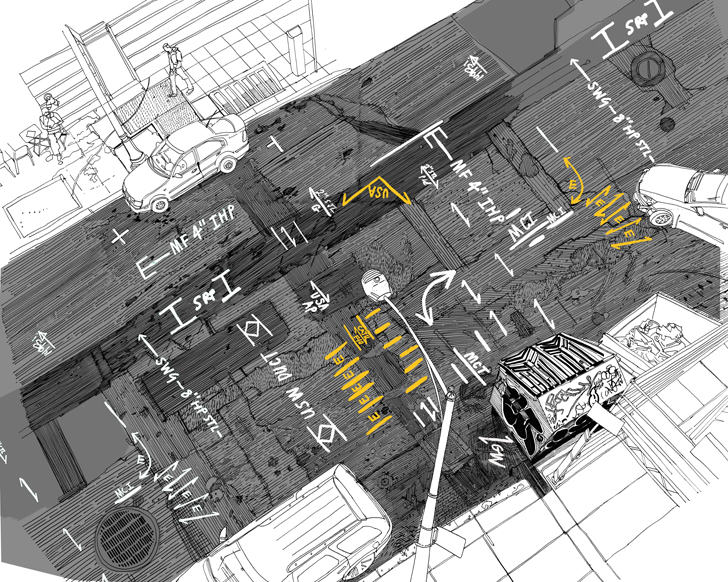
The meaning behind those seemingly ubiquitous red, orange, and yellow markings, spread out along our streets like graffiti. (Hint: think underground utilities.)
How engineers in 1920 took care of exhaust problems in the Holland Tunnel. (Hint: think beautifully designed ventilation buildings that have a Wrightian look and blend into the New York/New Jersey urbanscape.)
The traffic light that the authors believe is the most unusual, so much so that the city where it is located has a municipal park nearby with sculptured figures of kids with slingshots aiming at the light. (Hint: think about why the green is now on the top in this heavily Irish neighborhood.)
Image by Patrick Vale of the utility codes found on city streets
One can go on-and-on. This is an entertaining and informative book to sit with for a few minutes or a few hours. Each story is a maximum of three pages in length, usually interspersed with delightful graphics. Even if the reader is familiar with a particular topic, you nonetheless learn small facts to flesh out the meaning and humanity around our built environment. And there are plenty of great stories that are bound to surprise most readers.
Stories such as the tale of Audrey Munson, the first “supermodel” in the U.S. whose figure was used for statues in cities across the nation, usually on buildings from the Beaux Arts era. The three muses that sat in the lobby of the Hotel Astor — all patterned after Munson and all in the nude — came about after her mother gave the famous sculptor Isidore Konti permission to use her daughter as a model. Munson later called the set, “a souvenir of my mother’s consent.”
There are stories about municipal flags because Mars is a big fan of vexillography, or flag design. We learn that San Francisco installed over 200 large, underground cisterns following the earthquake and fire of 1906, to provide water in the event of future natural disasters. Who knew that Carmel, Indiana, has more than 138 roundabouts, saving the city money while reducing collisions by 40% and crashes with injuries by 80%? The piece on revolving doors and locks informs us that the most secure mechanical lock was developed by English inventor Josephy Bramah way back in the 1700s.
And the book also includes Andrew’s favorite story of how his friend’s mother —Diane Hartley — discovered a major structural design flaw in the famous Citicorp Center in Manhattan while trying to replicate engineering calculations for her thesis on the building. She didn’t know that her calculations had led the building’s engineers to confirm her concerns and then work to secretly reinforce the building in the middle of the night for three months. It all happened without public notice since there was a newspaper strike at the time.
This is a remarkable book for any lover of cities. Graphic designer, author, and friend Michael Bierut writes in a jacket blurb, “Just as Jane Jacobs did fifty years ago, Roman Mars and Kurt Kohlstedt provide a new way of seeing urban life, finding secrets and surprises behind every sewer grate, storefront, and street sign.”
Highly recommended.
More to come…
DJB
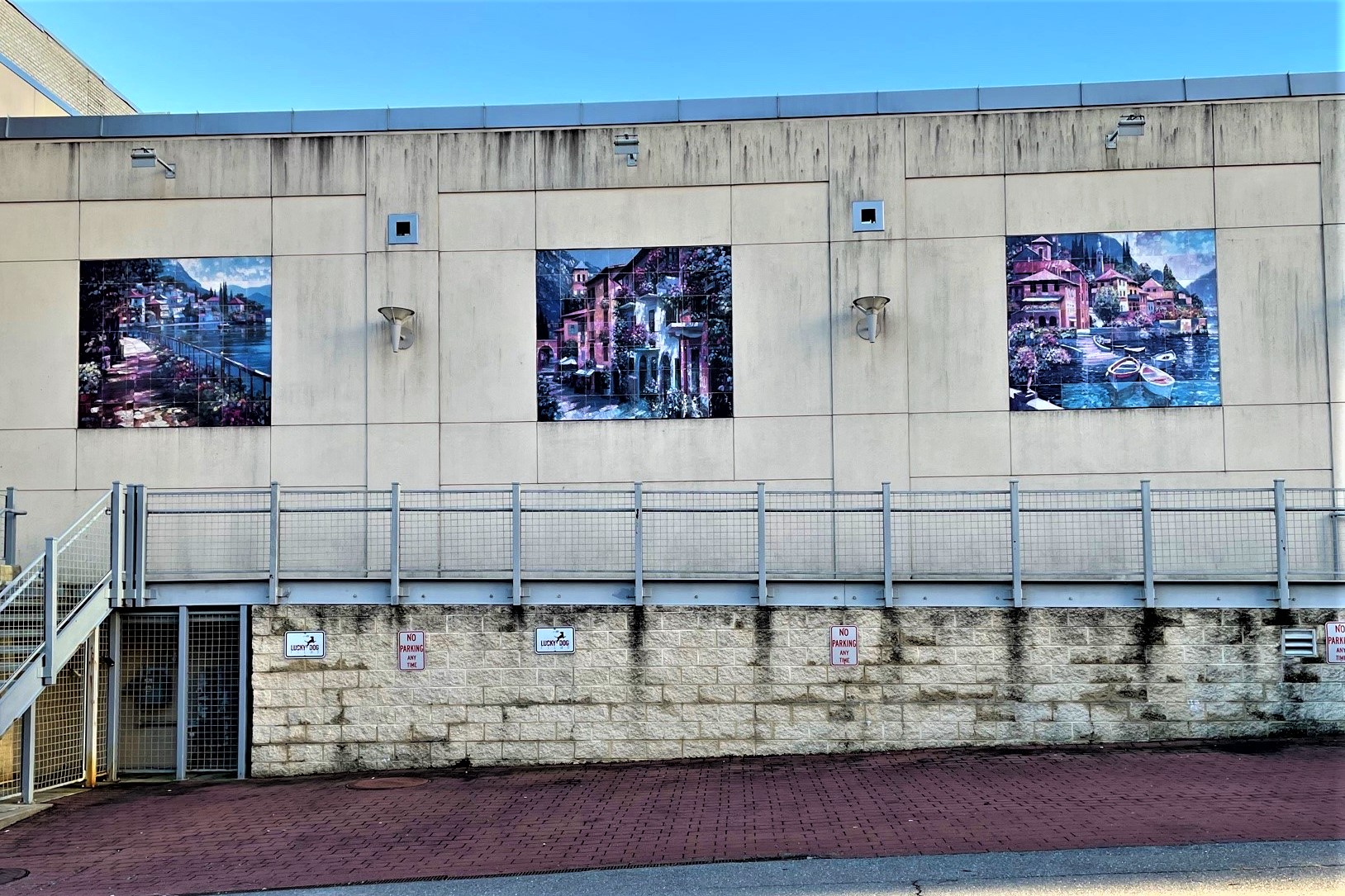
Image: To prove the point, I recently found this plaque, and the adjacent artwork, along my regular route for my morning walk. The angle was such that I didn’t notice it, until I made a conscious decision to “read the plaque.”
As more people begin to put their toes in the water to travel this fall, National Trust Tours brought twenty-five hearty souls to western North Carolina last week.
Asheville has attracted visitors for thousands of years, drawn by the region’s natural beauty and abundant resources. Over the past two centuries the city’s attractions have expanded to include world-class architecture and the superb craftsmanship of both fine and folk art.
The view of the mountains on an early morning walk at Craggy PinnacleEntrance court at Biltmore HouseAsheville’s striking Art Deco City Hall under a full moon.
As the educational expert for our exploration of this small gem of a city, I suggested our travelers look for three key elements as they toured: stories, vision, and action. Why? Great communities don’t stay that way by chance. Those that survive connect people with place, know where they want to go, and work tirelessly to make it happen.
Storiesare at the heart of great communities
Former New York Times architectural critic Herbert Muschamp said that,
“the essential feature of a landmark is not its design, but the place it holds in a city’s memory.”
The stories we tell of those memories add to the continuum of past, present, and future, intertwining people and place.
Sunrise in the land of the Eastern Band of the Cherokee
Great communities work to tell stories that help us understand a broader history, and Asheville’s begins with its Indigenous People. Asheville occupies the land of the Eastern Band of Cherokee Indians, one of eight historic tribes in North Carolina.
Young Men’s Institute
Great communities are curious about their full history, identify other stories that we are not hearing, and work to broaden ownership and control of the narratives of those histories. Stories around places like the “The Young Men’s Institute,” one of the oldest, most unique and beautiful Black cultural centers in the United States. The building, funded by George Vanderbilt to establish an institution for the Black construction workers employed at Biltmore Estate, was the multi-use center that churches, schools and civic organizations used for gatherings in the segregated South. The current director is from a family that has used the facility and its programs for years.
On the tour, our guests also heard soap opera-like stories of the love-hate relationship of E.W. Grove and his son-in-law Fred Seely. Grove was the financial backer and builder of the innovative Grove Arcade shopping plaza in downtown as well as for the remarkable Arts-and-Crafts inspired Grove Park Inn on the edge of town. Seely played a big role in designing and operating the Inn in its early years. Their falling out came over an age-old issue: who gets credit and who takes control.
The Grove Arcade in downtown Asheville, built by the visionary E.W. Grove and attracting tourists and shoppers today.View of the Historic Grove Park Inn from the entrance to the current spaMorning view from the Sunset Terrace at the Grove Park InnRoycroft clock in the Main Hall of the Grove Park InnThe Palm Court at the Grove Park Inn
As we toured downtown, we heard stories of the people who built the city’s remarkable collection of buildings, learning that the legendary S&W Cafeteria in a beautiful Art Deco masterpiece was founded by two World War I mess sergeants…putting human faces rebounding from war and destruction to fresh stone, brick, and terra cotta.
The stunning Art Deco S&W Cafeteria Building in Asheville
It was clear from the stories and the buildings that Asheville “danced to the tune of flocking tourists and new growth” in the 1920s.
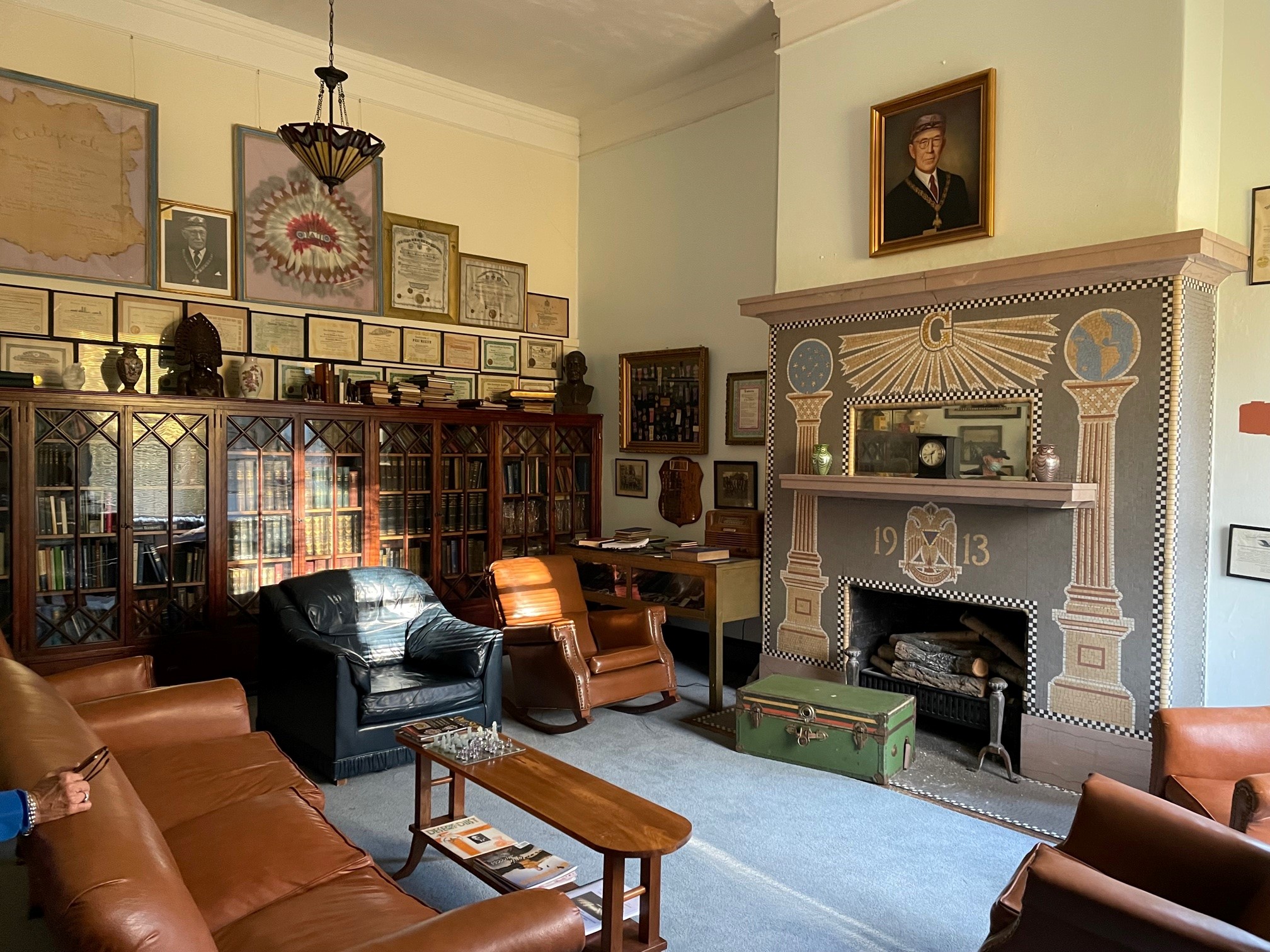
Kress BuildingInterior of the Asheville Masonic LodgeDowntown Asheville architecture
By the Roaring 20s, the community already had a heritage of splendid architecture thanks to Richard Morris Hunt, Frederick Law Olmsted, Richard Sharp Smith and Raphael Guastavino ― all grand masters associated with development of the Biltmore Estate.
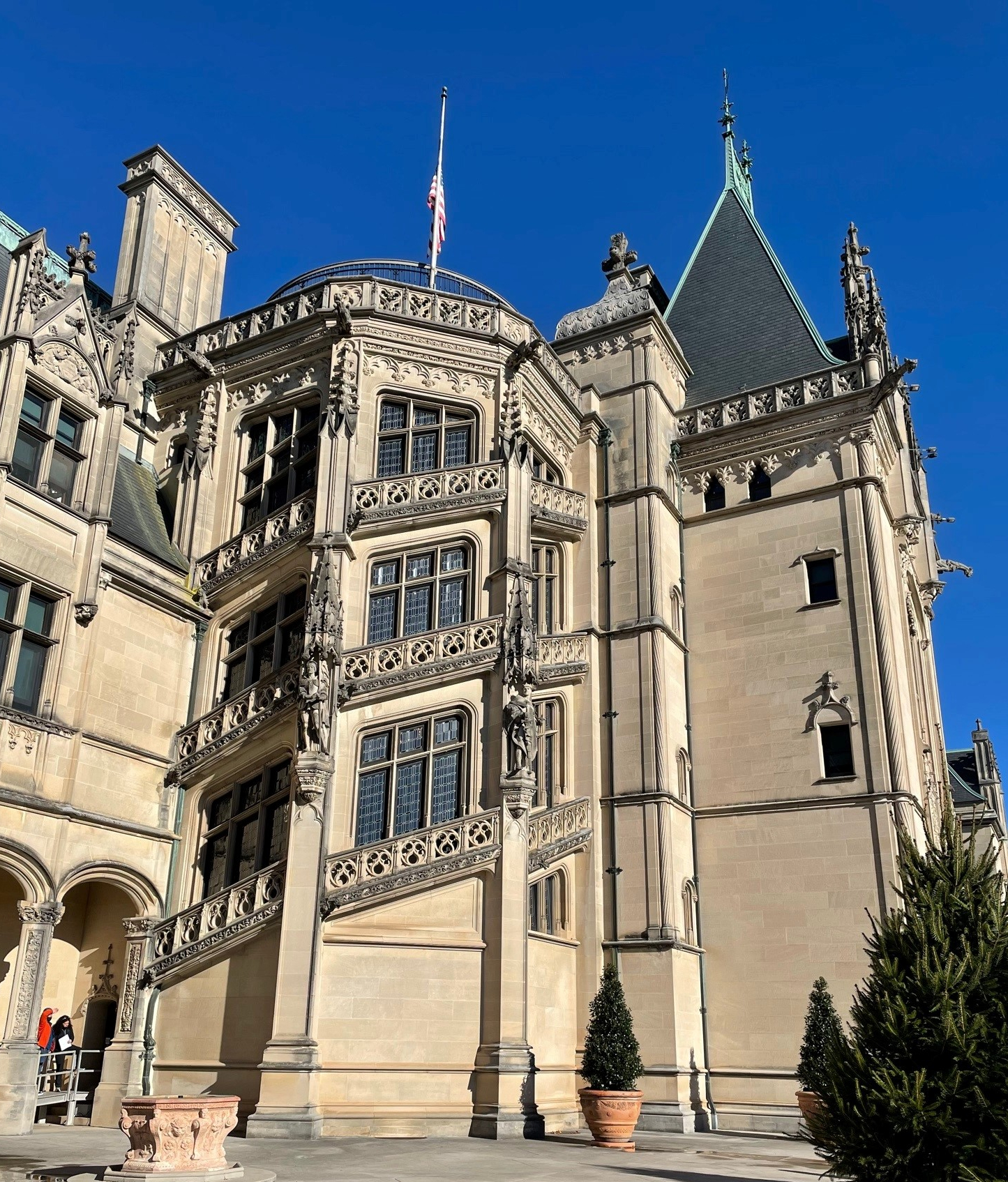
Biltmore Estate Facade DetailBookcases in the Biltmore House LibraryBiltmore House LibrarySteps for horse and carriageGardens at the Biltmore EstateConservatory at BiltmoreView of Biltmore Dining Hall from back staircase
There are stories of risk takers in Asheville, who brought with them creativity and a sense of architectural adventure. Creativity such as George Vanderbilt’s decision to raise cattle at Biltmore to produce the manure needed to fertilize the replanting of the thousands of acres of forests. Architectural adventure as found in Raphael Guastavino’s magnificent Basilica of St. Lawrence.
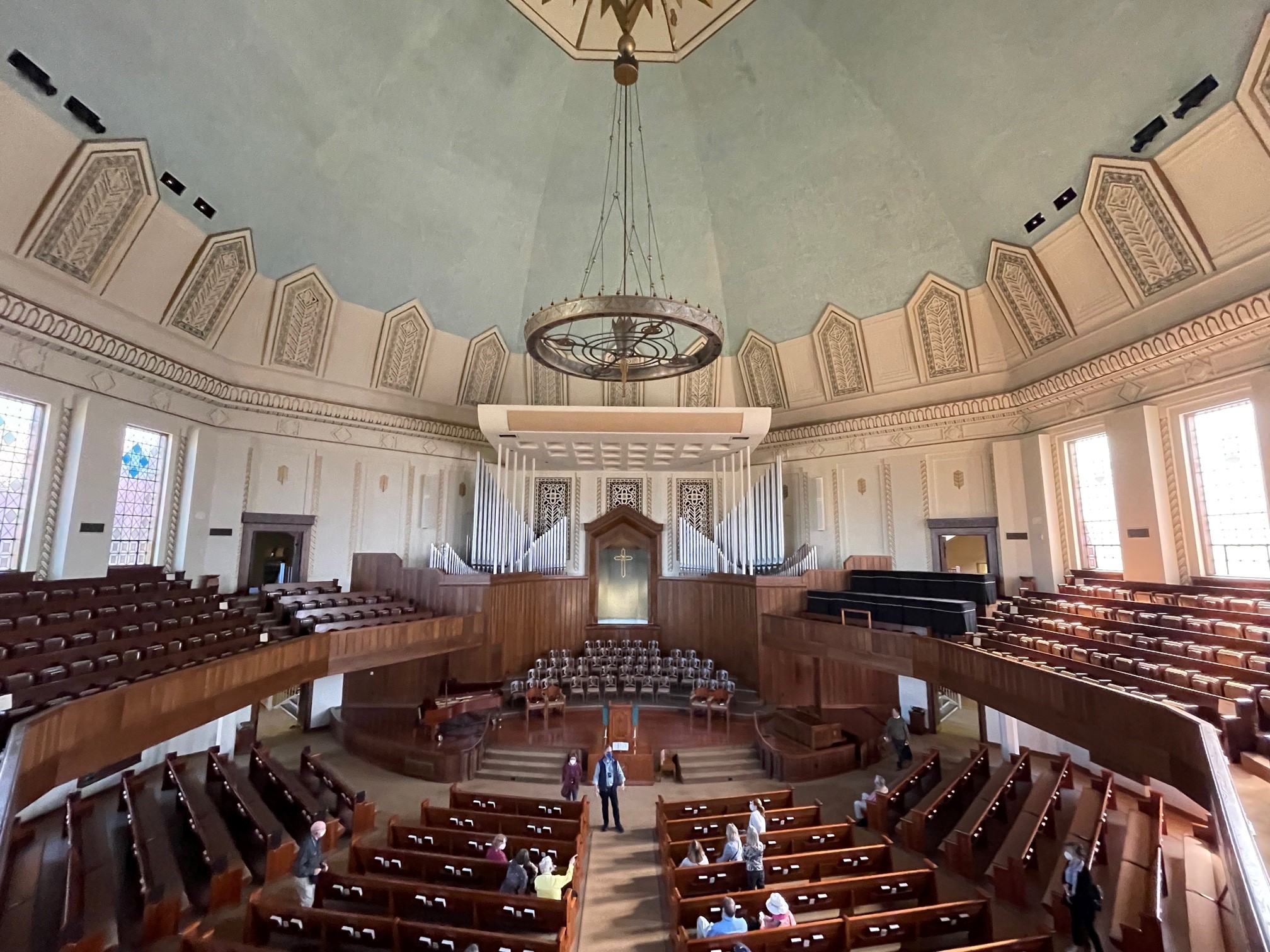
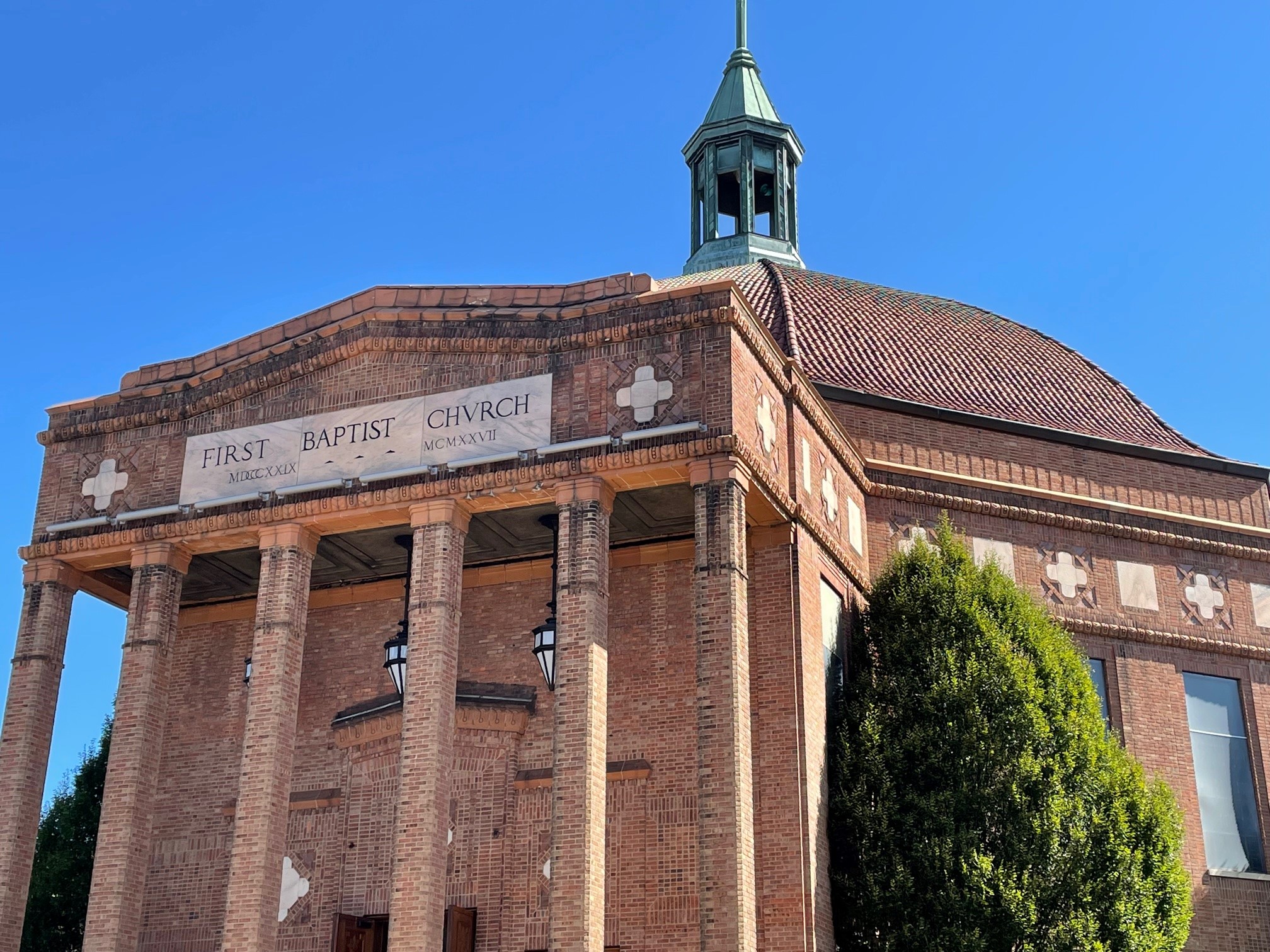
And architectural adventure as found in the surprising First Baptist Church, designed by architect Douglas Ellington. It is a four-story, domed, polygonal brick building with Art Deco design influences.
Finally, there is the story of the Depression, where the city inherited the highest per capita debt burden in the nation. Such terrible news offered a corollary that turned into a godsend. Asheville determined it would pay back every cent, so it literally couldn’t afford to tear down any of its jewel-like building inventory.
That’s also key to Asheville’s story and its understanding of itself. We are resilient, they tell the visitor, and look what we have as a result.
All great communities have stories that they use to tie past, present, and future together. But stories without a vision for the future are just dusty memories.
Vision is about knowing where you want to go
Great communities were often built on a vision, and they are always saved for our generation because a group of dedicated citizens had a vision for the future. During out stay, we heard about the visions of those who created the architecture and landscapes that make Asheville such a treasured and unique place.
Milfoil Cottage in Albemarle Park
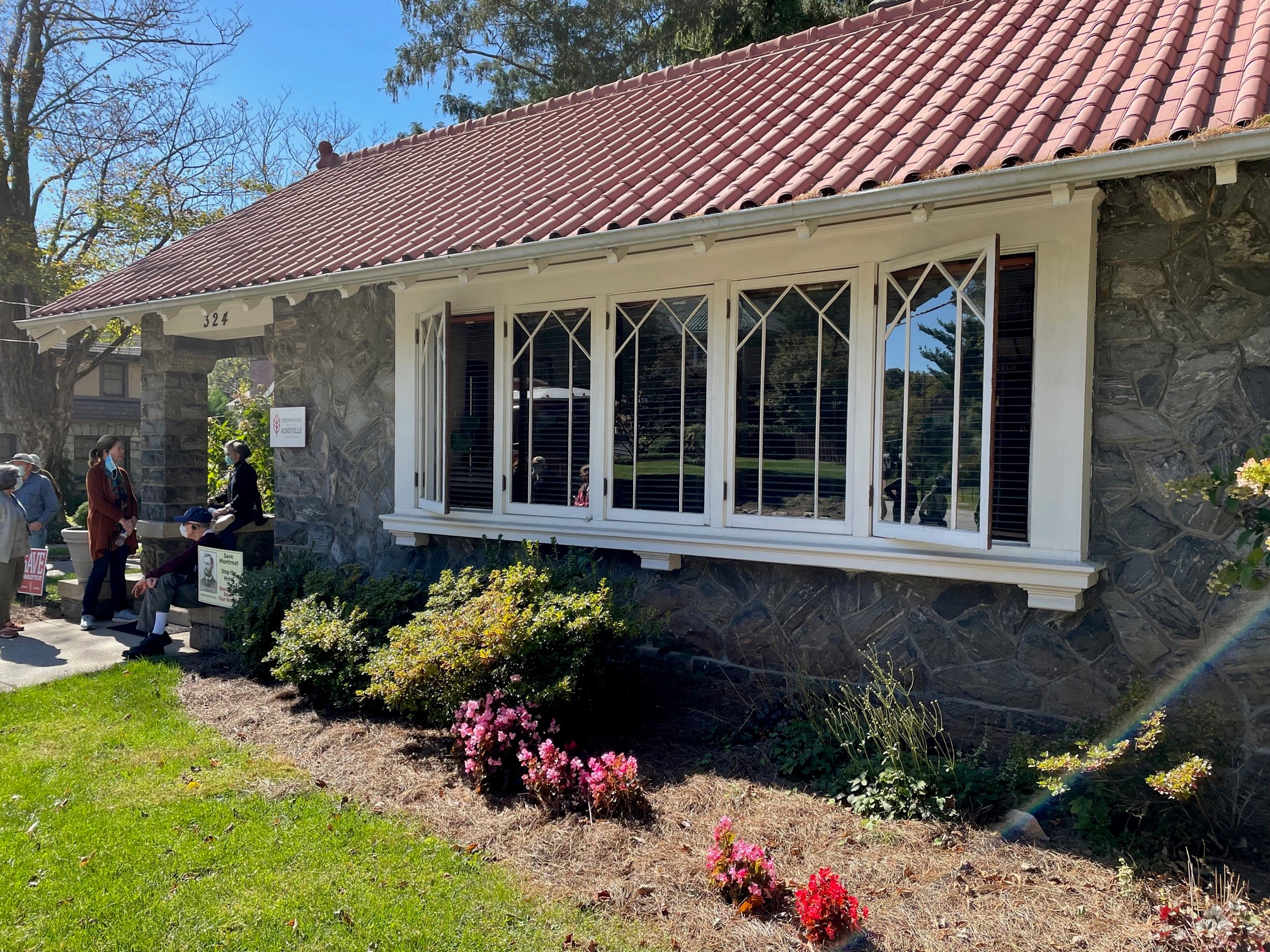
But we also heard that it took the vision of preservationists in the 1960s and 70s in Asheville to save key parts of the city from the wrecking ball. Community members ― with a different vision for the future ― fought against the instinct for demolition and fought for preservation. Inappropriate development spurred formation of the Preservation Society of Asheville and Buncombe County. Today, PSABC headquarters its professional staff in the sales office for historic Grove Park.
Headquarters of the Preservation Society of Asheville and Buncombe County
We heard stories about the impacts of demolition that led to the vision for preservation. For instance, on Sept. 27, 1979, the Asheville Housing Authority received a brief letter from Mrs. E.W. White of Atlanta.
“My parents, Mr. and Mrs. Willie E. White of 218 South Beaumont Street, Asheville, N.C., have lived at this address almost fifty years. Although they are both in their seventies, they were none-the-less uprooted from their home and required to move by the Asheville Housing Authority. I can’t begin to tell you what this does to individuals who have built memories and accumulations around their residence for almost fifty years.”
Urban renewal hit Asheville hard. The East End neighborhood was a community “crucial for black survival and upward mobility. … The presence of local midwives and undertakers meant that neighborhood residents could patronize black-run businesses literally from the cradle to the grave.”
But years of redlining had limited investment in the East End, and it was easy for the community leaders to declare the area a blighted slum that needed to be removed. Valley Street, “the historic root of the neighborhood, was gone, redirected and renamed. … Pathways that connected lives and destinations were paved over to make municipal garages and administration buildings.”
Today, the Preservation Society is helping residents in Asheville reclaim their past and their community. They have a vision that takes what is left from the historic neighborhood and knits in similarly scaled-buildings to help bring past, present, and future together.
Vision is about shaping the communities we want, instead of accepting what others conceive for us.
Action means great communities work to make their vision a reality
Great communities knit together stories of people and place, develop a vision for the type of community they want to be, and then never, ever give up when faced with challenges, using the tools available.
Early on, PSABC leveraged the donation of a deteriorated house, stabilized it before selling to a new steward, and used the proceeds to establish their historic preservation revolving fund. The fund preserved Richmond Hill, and the proceeds from its sale helped finance the purchase of the Manor Inn, which we saw on our tour of Albemarle Park.
Manor Inn
Despite years of activism, Asheville faces challenges. The lack of city-supported protection tools leads to indiscriminate demolition. Lack of design review leads to development that is out-of-scale and incompatible with the community. And the lack of affordable housing leads to a situation where historic buildings are inappropriately blamed for the shortage.
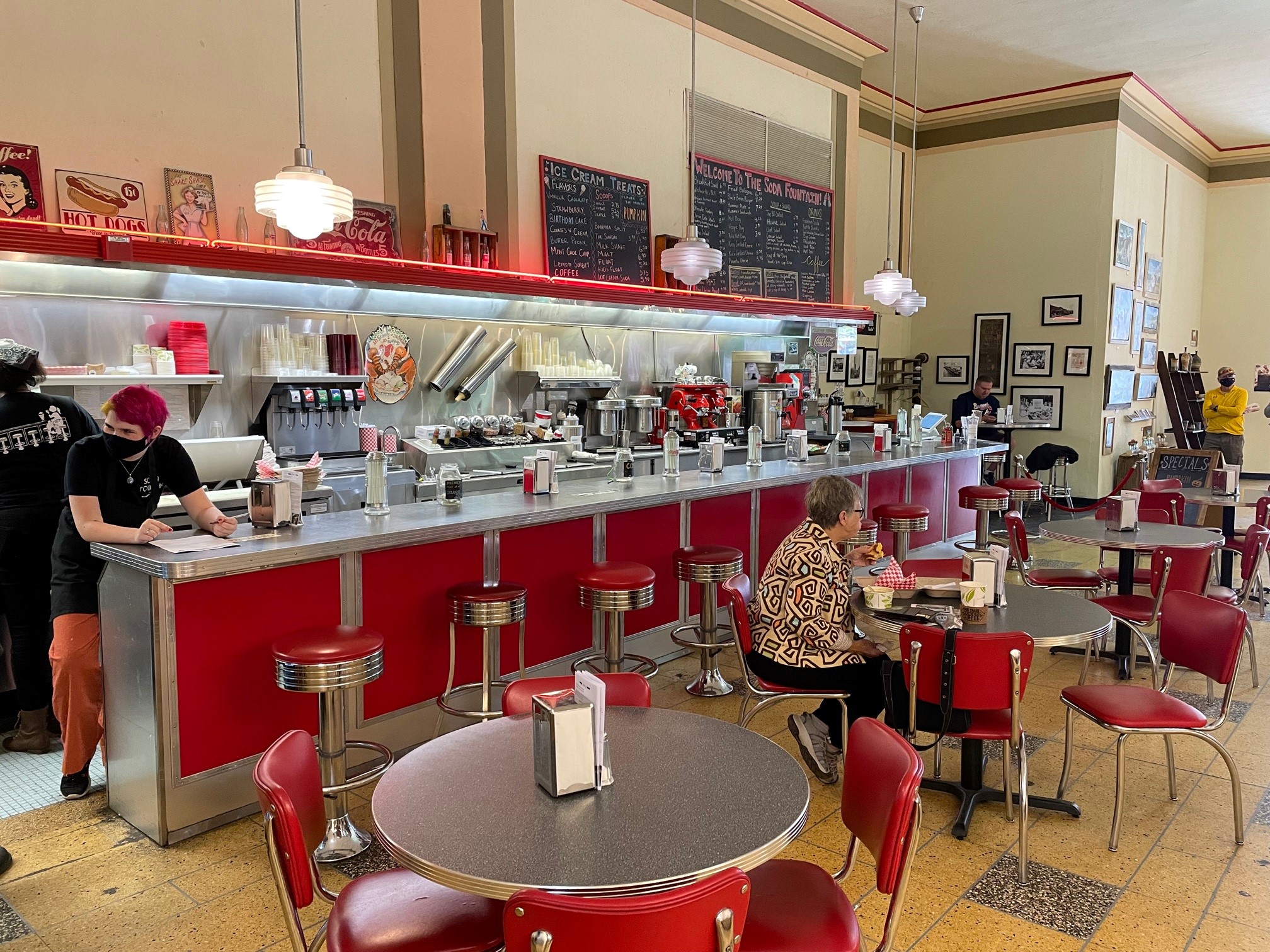
Historic soda fountain in the repurposed Woolworth’s Building, now a thriving arts center
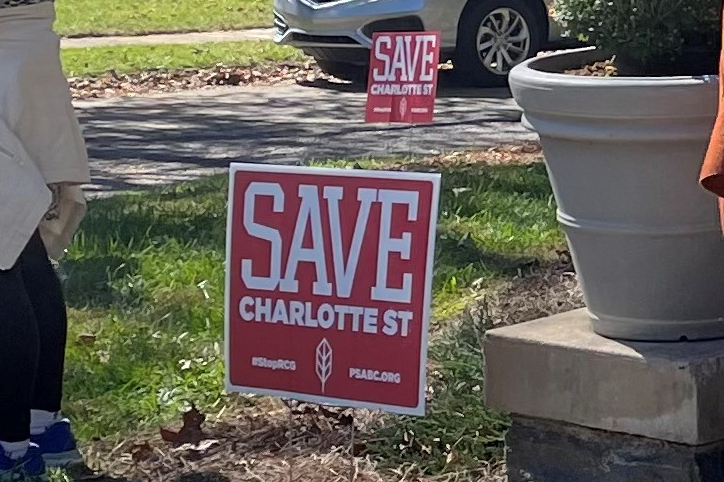
Activism never ends, and we’re now seeing all three of these issues in Asheville’s Charlotte Street controversy, where the society is fighting plans by a development company to demolish 12 historic homes and replace them with 181 residential units, and 50,000 square feet of retail. The impacts of this project on the historic character of the neighborhood, local infrastructure, the environment and the community are countless. And because they have a vision, the Preservation Society has come up with alternatives that save the historic houses, add density to the neighborhood, maintains existing affordable housing, and creates green space.
There is a pattern in Asheville of young people and the creative class, knowledge workers, start-ups, and small businesses showing a preference for historic neighborhoods. A national analyses found that 34 percent of all homes, 44 percent of houses built between 1912 and 1960, and 59 percent of homes built before 1912 are bought by millennials. This is driven by the three C’s: the character of the neighborhoods, the cost of the housing, and the convenience.
It was a joy to spend the week in Asheville and see local preservationists doing the work to keep their community great by telling stories to knit the generations together, building a vision for the type of community that embraces its past as part of its future, and committing to a never-ending activism for a better future.
More to come…
DJB
Image: Biltmore House (top) and all photos except for historic YMI image by DJB.
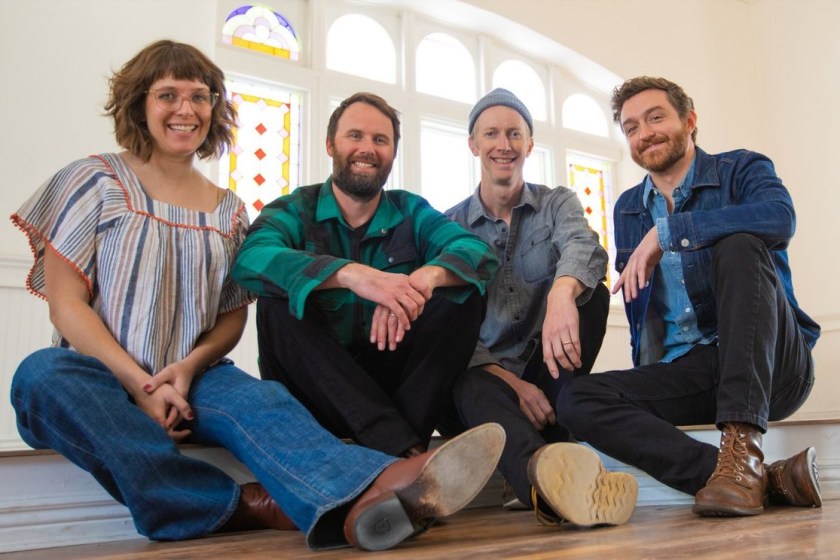
After winning the 2014 Telluride Bluegrass Festival Band Competition, Trout Steak Revival quickly became “the quintessential Colorado string band. Defined more by expressive songwriting and heartfelt harmonies rather than any one genre, Trout Steak Revival crosses over and blends the bounds of folk, indie, bluegrass, and roots evoking its own style of Americana.”
I first heard this band — consisting of Bevin Foley on fiddle, Casey Houlihan on upright bass, William Koster on guitar and dobro, and Travis McNamara on banjo — on Sirius XM’s Bluegrass Junction. But in this Saturday Soundtrack, we’ll see that they really are less of a bluegrass outfit and more of a modern day string band, shifting between genres and styles with ease.
Brighter Every Day is the title track to Trout Steak Revival’s 2015 album, released as they were building on that Telluride win. Colorado River is from the same album.
While everyone in the band jumps in on vocals, I am especially drawn to those by Bevin Foley, as heard here on Go On.
From the 2017 album Spirit to the Sea, I’ve chosen to feature Fall at Your Feet and a live version of Take Heart.
The band has gone through some personnel changes, as all bands do. You can hear the maturing of the sound through their five albums. Released in 2020, their newest — The Light We Bring — showcases that growth as a band.
Arrows in the Dark from The Light We Bring displays the musicianship of the most recent iteration of the TSR quartet.
During the pandemic, TSR livestreamed this full concert from Mighty Fine Productions in Denver, Colorado. You might dip your toes in the water or sit and listen to the entire concert.
Let’s end with TSR — singing with a back-up trio — on the gospel-flavored Side of the Road.
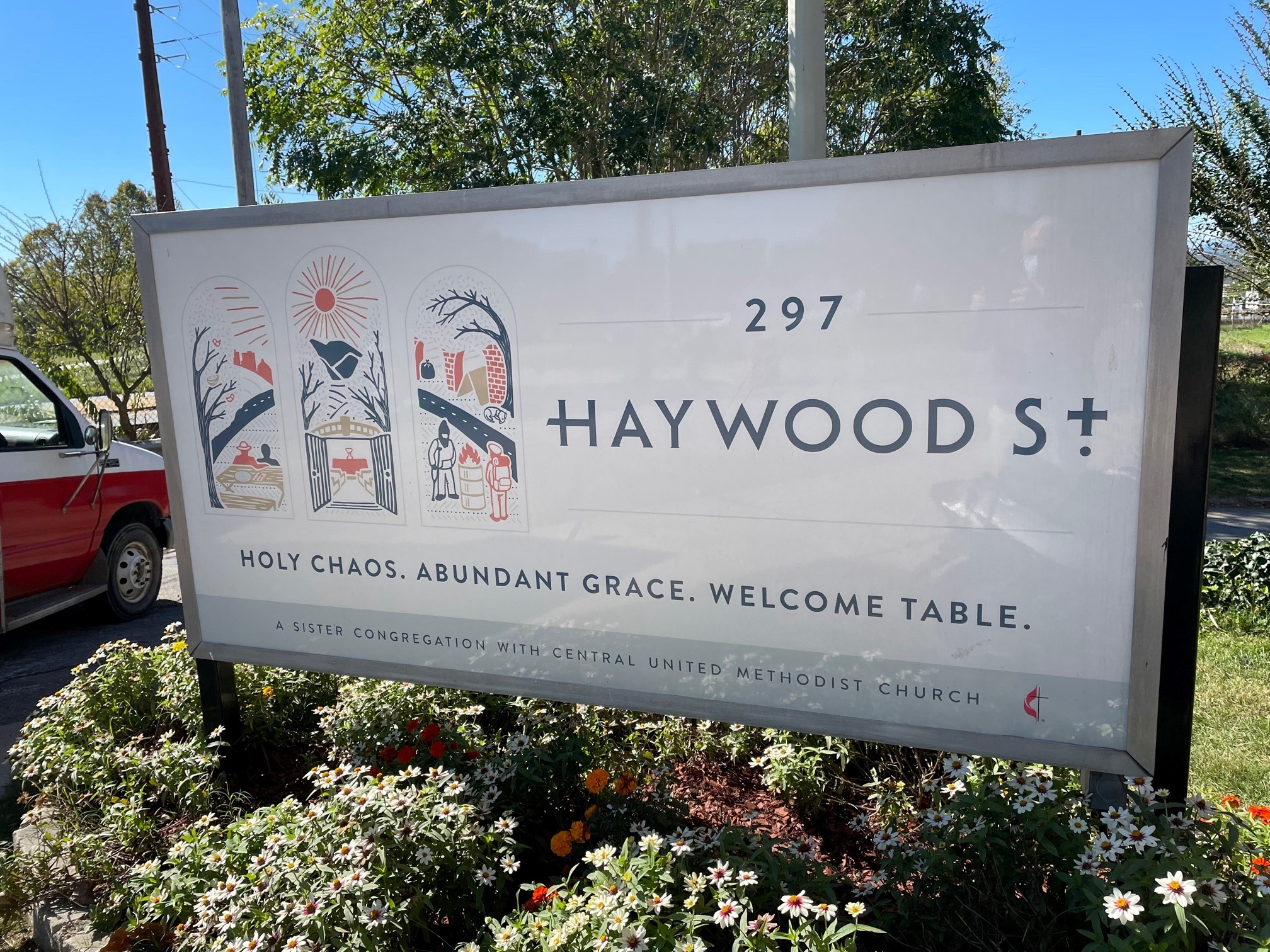
As we departed the bus on a beautiful Wednesday morning and walked through a friendly group of street-dependent residents of Asheville, North Carolina, the sign outside the church was a dead giveaway that this would be a different experience from our normal tours of playful shingle style houses or exuberant art deco commercial architecture.
What would we find in a welcoming place of holy chaos and abundant grace?
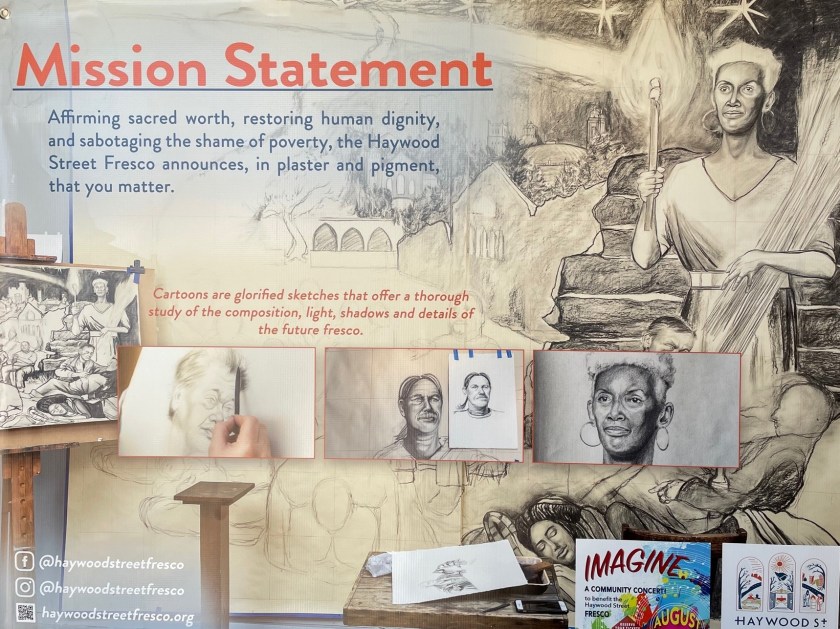
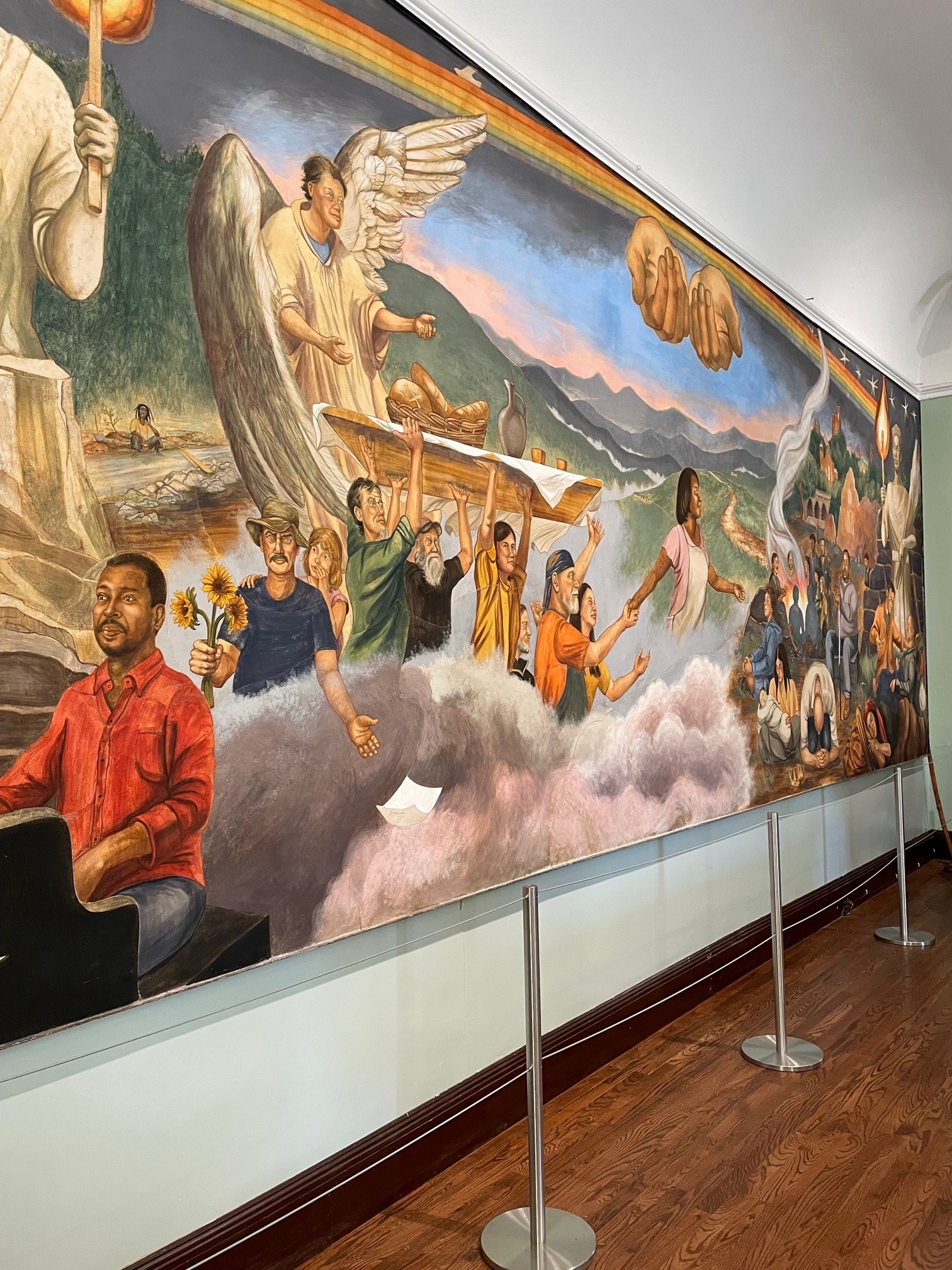
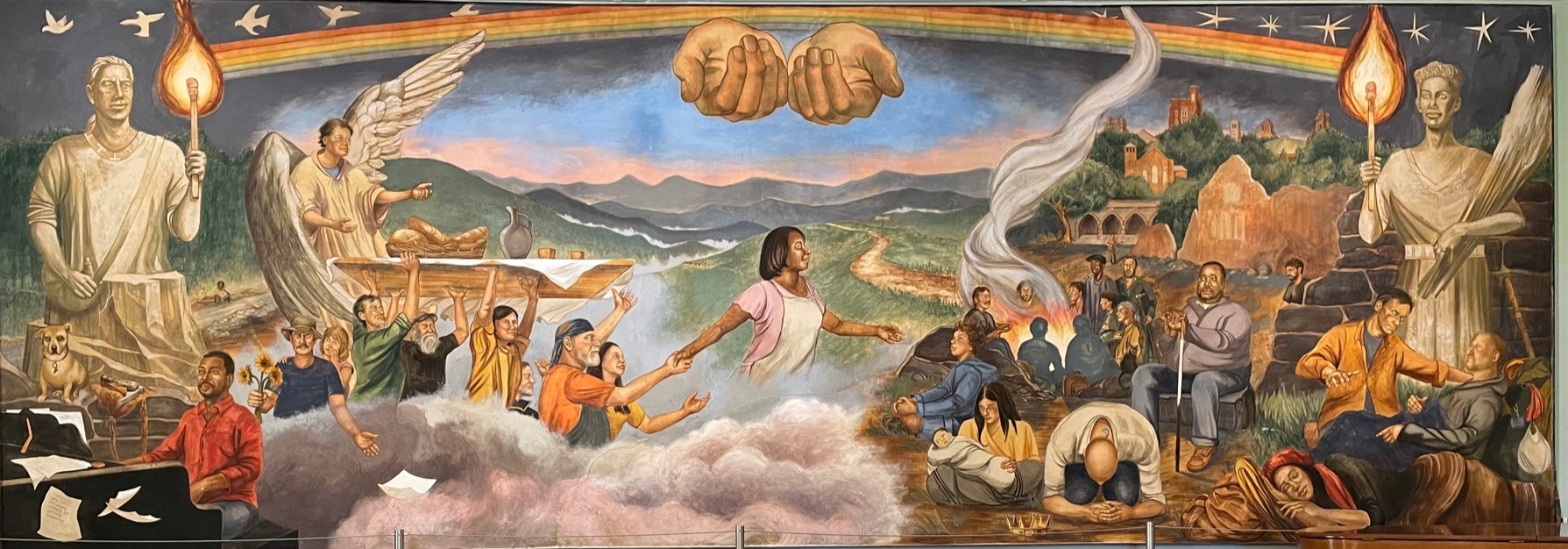
Our National Trust Tour travelers had come to this place to see one of the newest additions to the Appalachian murals: the Haywood Street Fresco. The second clue that our expectations were about to be challenged was the mission statement for the fresco, displayed on a large wall painting just inside the front door of the Haywood Street Congregation.*
“Affirming sacred worth, restoring human dignity, and sabotaging the shame of poverty, the Haywood Street Fresco announces, in plaster and pigment, that you matter.”
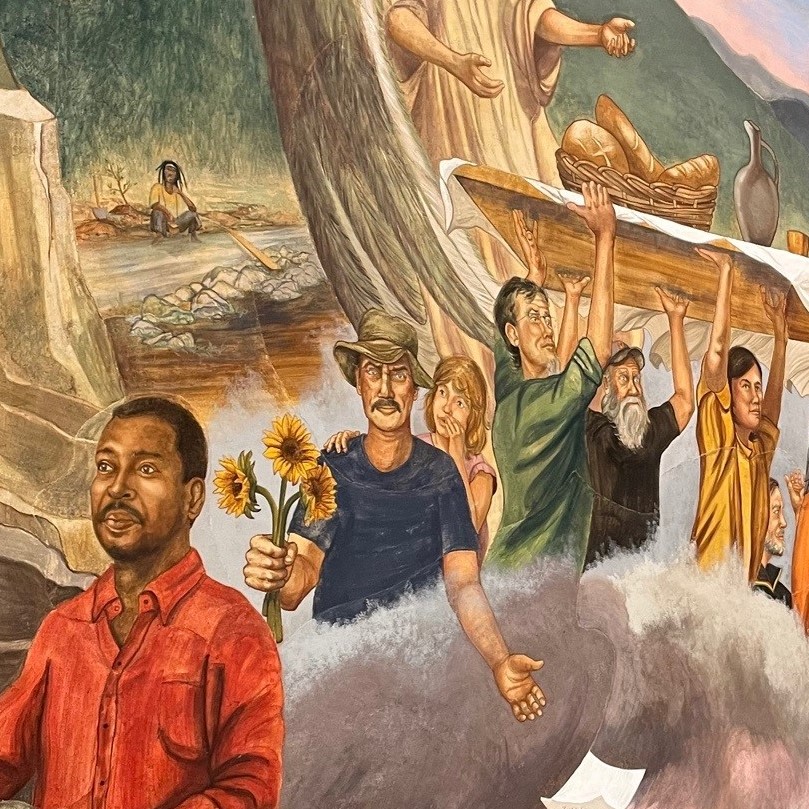
As described in a beautiful brochure from Haywood Street, the buon fresco is an ancient art that involves painting ground pigments onto wet plaster. It is time consuming and labor intensive. It requires specialized skill from artists working with a trained team. One such artist — Christopher Holt — approached the Rev. Brian Combs, the founding pastor of the Haywood Street Congregation, in 2011 with the idea of creating just such a painting on the wall behind the altar to recognize the people and work of this mission. Those depicted in the fresco would be the street-dependent and working poor members of the congregation who we saw as we entered. And people like Charlie Burns. Charlie’s story is an integral part of the Haywood Street Congregation.
Charles Burns had a presence about him. He was a man of many talents. He and his constant companion, Emma the Wonder Dog, met Brian Combs in 2009 – a young preacher who wanted to make the church relevant to folks struggling with addiction and homelessness. Brian would later say that having Charles vouch for him gave him the street credibility that became the foundation of Haywood Street Congregation.
Charles was a talented woodworker who created numerous palm crosses and “peace poles” that are now scattered from post Hurricane Sandy homes in New Jersey to indigenous villages in Bolivia. He was generous with anything he owned or anywhere he lived. He took in strays and offered them whatever he had. He loved a good fire and good friends. Charles was a natural leader who was respected by all. Living with throat cancer during his final years, he made every day count…always planning his next adventure, helping a friend and showing us all how to live.
Although he died shortly before the artists began painting the wall in 2018, his spirit, support, and generosity live on through the Charles Burns Memorial Fresco Fund which help ensures the longevity of the work.
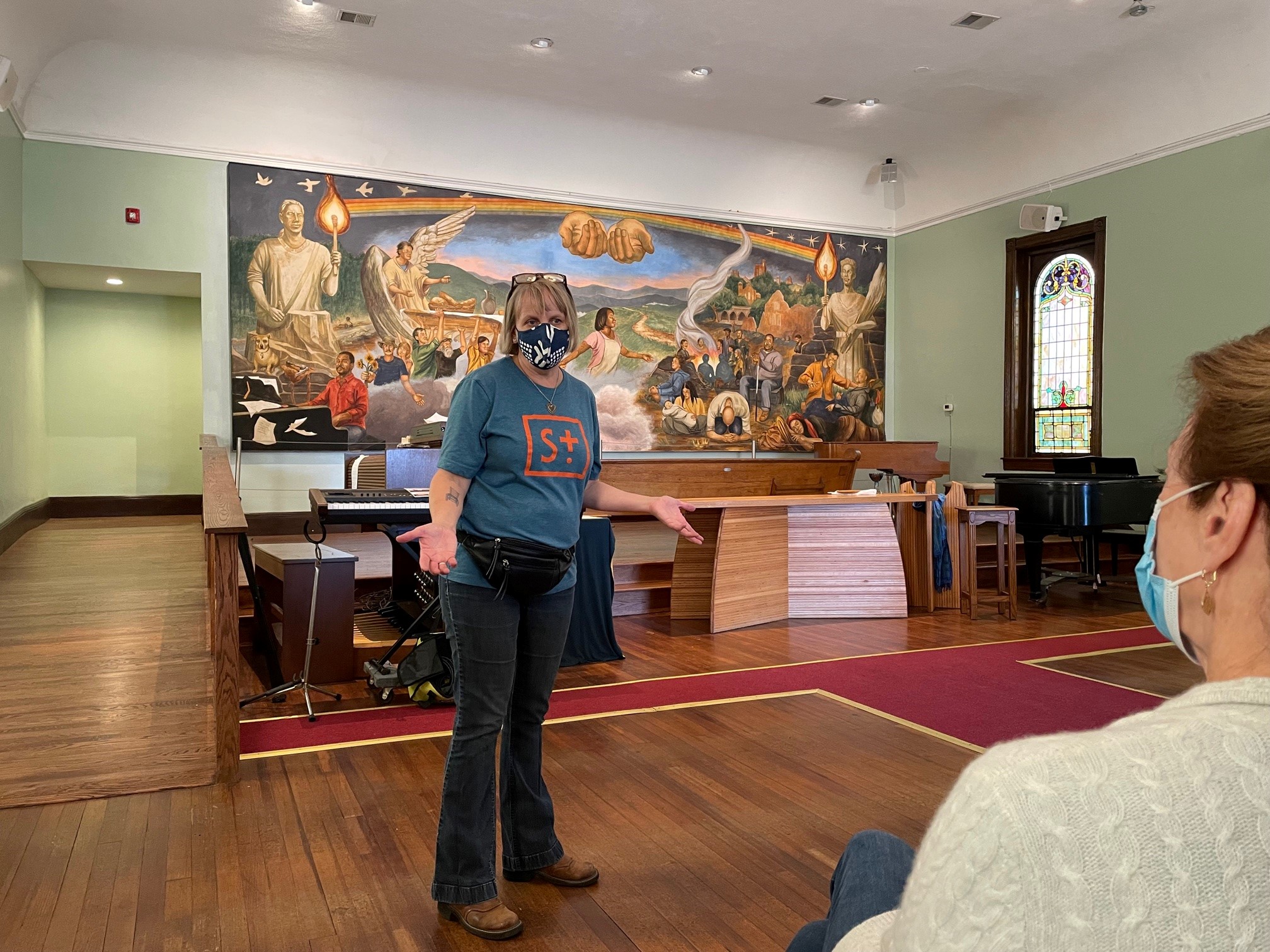
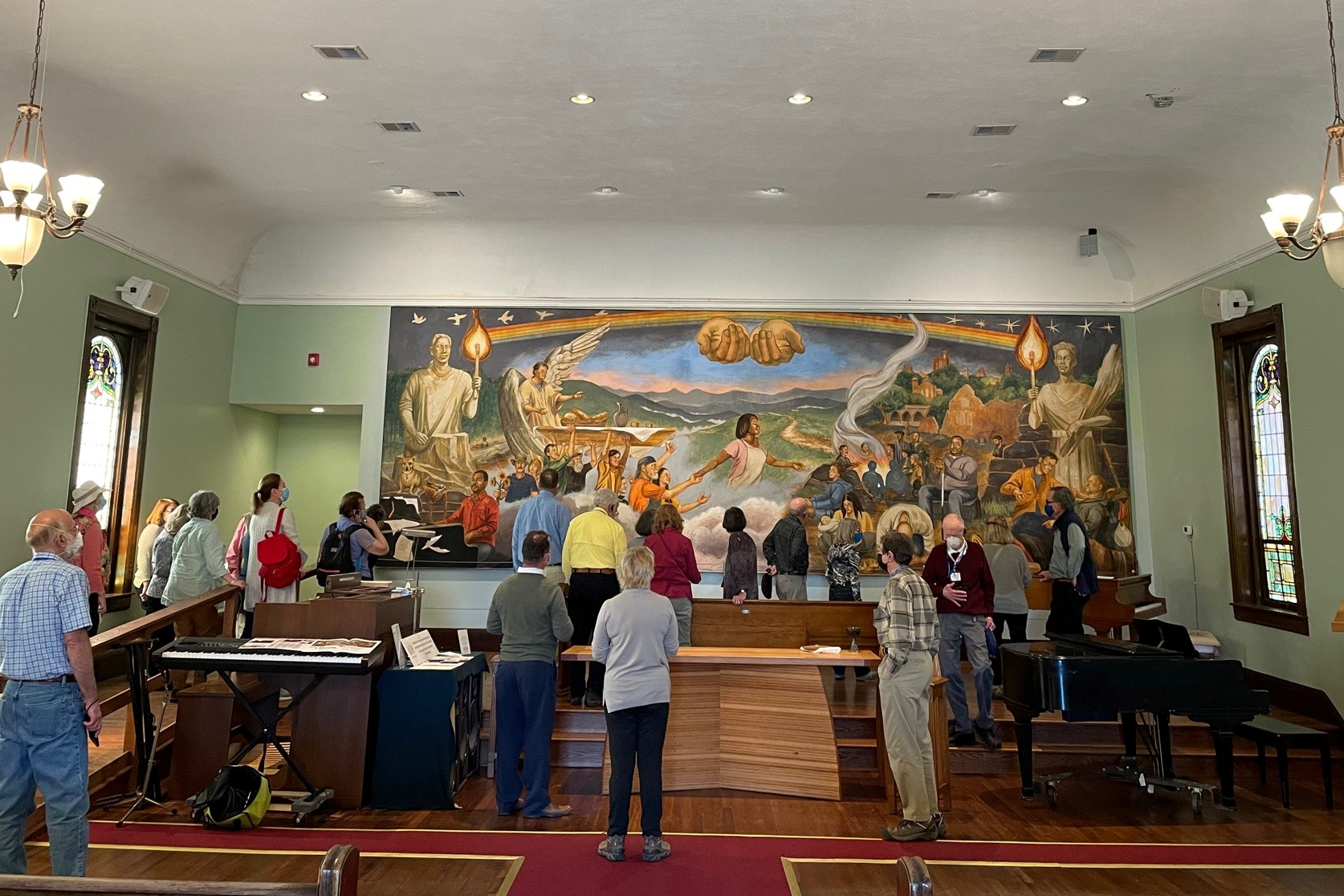
A staff member met our group and — along with our guide Tom Frank — gave a brief overview of the fresco. We then spent the next 20 minutes or so studying the faces, seeing the affirmation of worth and life in each one.
Detail from the Haywood Street Fresco
“Haywood Street Congregation was founded in 2009 by Rev. Brian Combs, a United Methodist pastor responding to a call to reach out to individuals living on the margins with a message of acceptance and belonging. The ministry has grown rapidly and today several hundred folks gather each Wednesday and Sunday for table fellowship and worship. Those who eat and worship together are individuals carrying all their worldly possessions in ragged backpacks as well as privileged professionals, stay-at-home moms, students, and the working poor.”
The Haywood Street Fresco
Art can definitely be a spiritual experience, and this was one such time in an extraordinary day of touring historic houses of worship in this western North Carolina community.
More to come…
DJB
*I have been working on several mission statements in recent months, and I’m here to say that this is one great example of the genre.
People deserve to be treated as human beings. We seemed to have forgotten that point in America, as we fail to live up to our ideals as a country and as our myths fail us again and again.
Perhaps we need new stories…after we reject the old ones. We’ll have to work hard to get there.
As always, this Weekly Reader features links to recent books and articles that grabbed my interest or tickled my fancy.
After seeing the images of border patrol agents on horseback whipping Haitian refugees seeking asylum in the United States, columnist Leonard Pitts, Jr. wrote in the Miami Herald that we were traumatized by those pictures.
“That’s because they contain so much more than what’s in them, so much more than horse-mounted U.S. Border Patrol agents at the Rio Grande in Texas, running down and flogging would-be Haitian immigrants. No, those pictures contain George Floyd and forced removal from ancestral land, contain internment camps and the Pettus Bridge, contain every time the state, in its awful power, came down like a hammer on the head of the tired and poor yearning to breathe free.“
“It is a sad fact that we seem to have lost the thread where America is concerned. Indeed, outside the easy patriotism of Lee Greenwood’s song and the ignorant xenophobia of those who think what America really needs is to be made “great again,” there is real concern about the sustainability of this experiment. America, we once liked to say, is the only nation founded upon an ideal.
“But an ideal, like any living thing, must be nourished in order to survive. Ours has become severely malnourished, having been fed on empty calories of jingoism and myth, a sepia fable of virtues many of us love to trumpet — liberty! justice! for all! — without really trying to live.“
Writing in The Guardian, Nesrine Malik notes that Political gestures can be inspiring. But let’s not mistake them for victory. In reference to the first year anniversary of the Black Lives Matter protests and to the recent uproar over Congresswoman Alexandria Ocasio-Cortez going to the Met ball wearing a dress emblazoned with the slogan “Tax the Rich,” Malik writes,
“Tax the Rich. I had a chilling flash-forward to a line of Tax the Rich merchandise trotted out by rich influencers. Or maybe rendered in jewellery, much like the VOTE necklace, as popularised by Michelle Obama (£310 RRP). On the way to the mainstream that Ocasio-Cortez wanted to reach through the Met ball, there is a giant cultural and commercial net: one that catches everything and turns as much of it as it can into a cheap (but still overpriced) product. Audre Lorde famously said: ‘The master’s tools will never dismantle the master’s house.’ But the rest of the quote, less often cited, warns us that it will often look, at first, like winning. ‘They may allow us temporarily to beat him at his own game, but they will never enable us to bring about genuine change.’”
No, it takes much more than symbols and gestures, no matter how well intentioned. It takes hard work to bring about social justice.
“Any ground won here is illusory. The expansion of the online space overemphasises the impact and reach of virtual discourse, and so one could easily mistake the fact we are having these conversations at all for a sort of victory in itself. But if these arguments don’t translate to winning some power in the real world, they are all heat and no light.
For a democracy to work, for good and popular ideas such as racial equality or taxing the rich to become mainstream in meaningful ways, people can’t just be exposed to information that is presented to them as correct. They need to be converted, to see the way such policies or facts relate to their own lives. A campaign I think about often is the one that paved the way for Ireland’s historic gay marriage referendum in 2015. What may have seemed like a dramatic or even inevitable liberalisation of a socially conservative country was in fact the fruit of years of grassroots work. One of the most successful tools of the campaign was the ‘Ring your granny‘ effort, where young people lobbied their grandparents, mostly in rural areas, to vote yes. The motion passed with two-thirds of the vote.“
It was only after meditating in the shower that I came to realize why adding almond soap to my morning touched a memory.
Yes, my daily routine has now made me a veritable garden in bloom. Almond blends with lavender and sandalwood, each scent a reminder of a particular place and specific people. The lavender takes me back to a scrumptious dinner on a visit to the historic inn and lavender gardens of New Mexico’s Los Poblanos. The sandalwood in my beard oil brings up memories of discoveries and conversations along a Main Street in New York. The almond takes me back to the coffee shop where I read Natalie Goldberg’s consideration of Pierre Bonnard’s final painting — Almond Tree in Blossom. She ends her memoir answering the great question of how to live with eternity at your door. In full bloom.
For many years my grandfather Roberts worked for the Sunbeam bakery in Nashville. Papaw was a carpenter, building shelves and doors with the company logo to be used at small town and rural stores throughout the mid-South. On occasion, Mamaw would take me to the factory.
Sunbeam is known for white bread that was ubiquitous in the 1960s. The taste may have been nondescript, but that smell…oh, it was heavenly to my six-year-old nose. Even today when I enter a bakery, my mind goes back to those years — and smells — of my youth.
My friend Felicity Watson, the head of advocacy for the Trust, spoke to Broadsheet about how the organization came to be engaged in work to recognize a critical part of a building in Melbourne that most people don’t consider when thinking of heritage.
“When we were reviewing the proposed heritage listing they put forward, we realised that something really important to that building was missing….The smell of the factory. It’s a really distinctive experience.”
The intense yeasty smell competes with those coming from Abbotsford’s CUB brewery for the title of Melbourne’s most iconic.
“It’s quite evocative and memorable,” Watson says. “It’s a significant indication of what that building is used for.
“The National Trust is not seeking for that smell and that process of manufacture to continue in perpetuity. We accept that there will be changes at the site and it might be redeveloped into the future. What we’re asking is for that smell to be recognised as part of the history.”
Not all my olfactory memories are pleasant. In the 1970s, I worked one summer in Kingsport, Tennessee, which has a downtown paper mill. When I mentioned what from my perspective was an offensive odor, the locals invariably responded with, “It smells like money to me.”
But the larger point still holds. We engage all of our senses when we remember places in our past. In her book Root Shock, Dr. Mindy Thompson Fullilove writes about why our senses are so important to memory and place, and how those memories can last a lifetime. Places, she notes…
“…are not simply bricks and mortar that provide us shelter. Because we dance in a ballroom, have a parade in a street, make love in a bedroom, and prepare a feast in a kitchen, each of these places becomes imbued with sounds, smells, noises, and feelings of those moments and how we lived them. When we enter an old classroom, the smell of chalk on the boards can bring back a swarm of memories of classmates and lessons, boredom and dreams….The breeze on a certain hillside reminds us of a class trip, while the sun in the garden brings thoughts of Dad….The cues from place dive under conscious thought and awakens our sinews and bones, where days of our lives have been recorded.“
Buildings and neighborhoods are insinuated into us by life. We are not independent.
“We are more like Siamese twins, conjoined to the locations of our daily life, such that our emotions flow through places, just as blood flows through two interdependent people. We can indeed separate from our places, but it is an operation that is best done with care. When a part is ripped away…root shock (the traumatic stress reaction to the destruction of all or part of one’s emotional ecosystem) occurs.”
Remembering the things we see, hear, touch, taste and smell from our past helps us make connections to place and keeps us connected with the continuum of humanity.
Enjoy the scents of your week.
More to come…
DJB
Image of lavender farm by No-longer-here from Pixabay. Sunbeam image from Flicker Creative Commons/Penjelly.
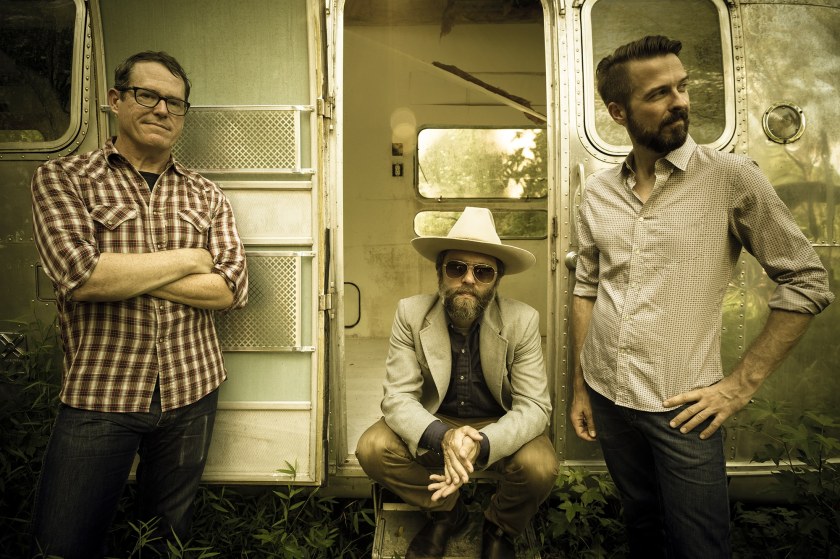
Chatham County Line is not your father’s bluegrass band. If you need some convincing, stick with me in this week’s edition of Saturday Soundtrack at least through CCL playing Mick and Keith’s The Last Time with the McIntosh County Shouters.
This is a band that has been playing music and entertaining audiences around the globe for two decades. Based in North Carolina, CCL is led by songwriter, guitarist and vocalist Dave Wilson, who draws inspiration for his work from a wide range of influences. John Teer rotates from mandolin to fiddle, Greg Readling plays standup bass and pedal steel, and Dan Hall on drums rounds out the group.
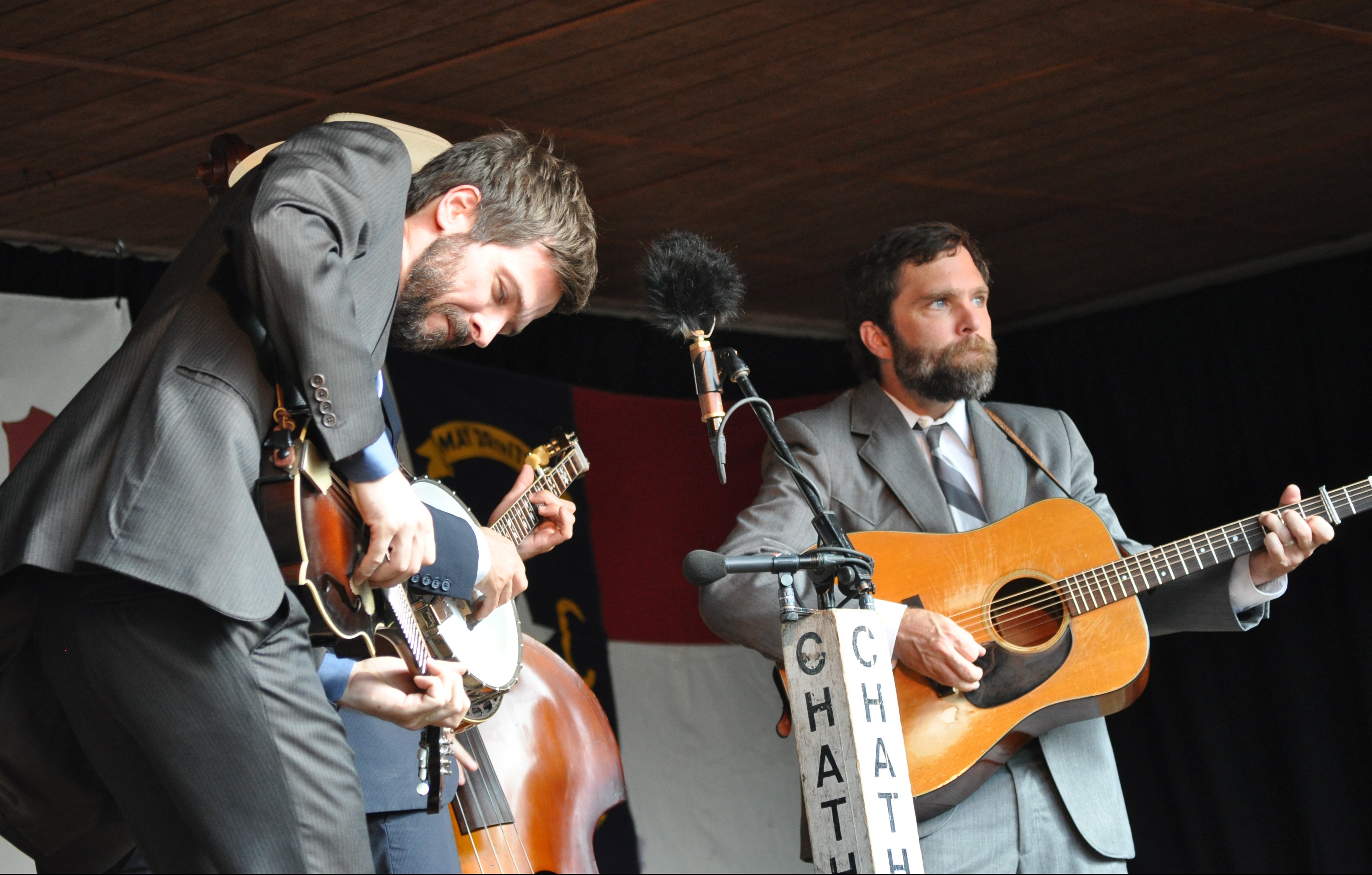
Chatham County Line at Red Wing III in 2015
While I’ve heard the band’s music over the years, I first caught them live at the Red Wing Roots Music Festival in 2015. I mentioned the tune Speed of the Whippoorwill from their 2006 album of the same name in my review. So we’ll begin with this 2011 version of the tune, dedicated — interestingly enough for a roots music band — to audio engineer and clandestine chemist Owsley Stanley, with a nod to John Hartford’s A Long Hot Summer Day thrown in as well.
Their 2010 album Wildwood — one of eight studio projects by the group — included Ghost of Woody Guthrie, performed here by CCL at a performance from the 2019 Oxford American: Landmark Sessions.
The band has pushed themes in their music and appearances — such as social justice and LGBTQ rights — not often heard in bluegrass music. From this 2016 show of Bluegrass Underground, CCL plays Birmingham Jail as a reminder of the lives lost and still lost because of “scared white men.”
“Four little girls tying their sash in the basement room that day / Poking fun and making jokes before getting on their knees to pray / Just so young with all their dreams and years to their end / Strewn away in the rubble by the hatred of scared white men”
I mentioned the various influences on Dave Wilson’s songwriting, and one can see the range on their excellent all-covers 2019 album entitled — appropriately enough — Sharing the Covers. Songs on the album extend from Wilco and Beck to John Lennon, Tom Petty, and John Hartford. I’ve always loved the preservation sensibilities of the Hartford tune They’re Gonna Tear Down the Grand Ole’ Opry from my all-time favorite album. We’ll follow the CCL version with their take on Tom Petty’s You Don’t Know How It Feels.
The band also has collaborations on both album and video that show the various dimensions of their musical interests. In 2019’s Winter Stories, CCL collaborated with the dreamy vocals of Judy Collins and Norwegian singer-songwriter Jonas Fjeld, as heard here on the haunting River.
And from the Sharing the Covers album, CCL is joined on this eTown video by Nick Forster, Anders Osborne, and the wonderful McIntosh County Shouters on The Stone’s The Last Time.
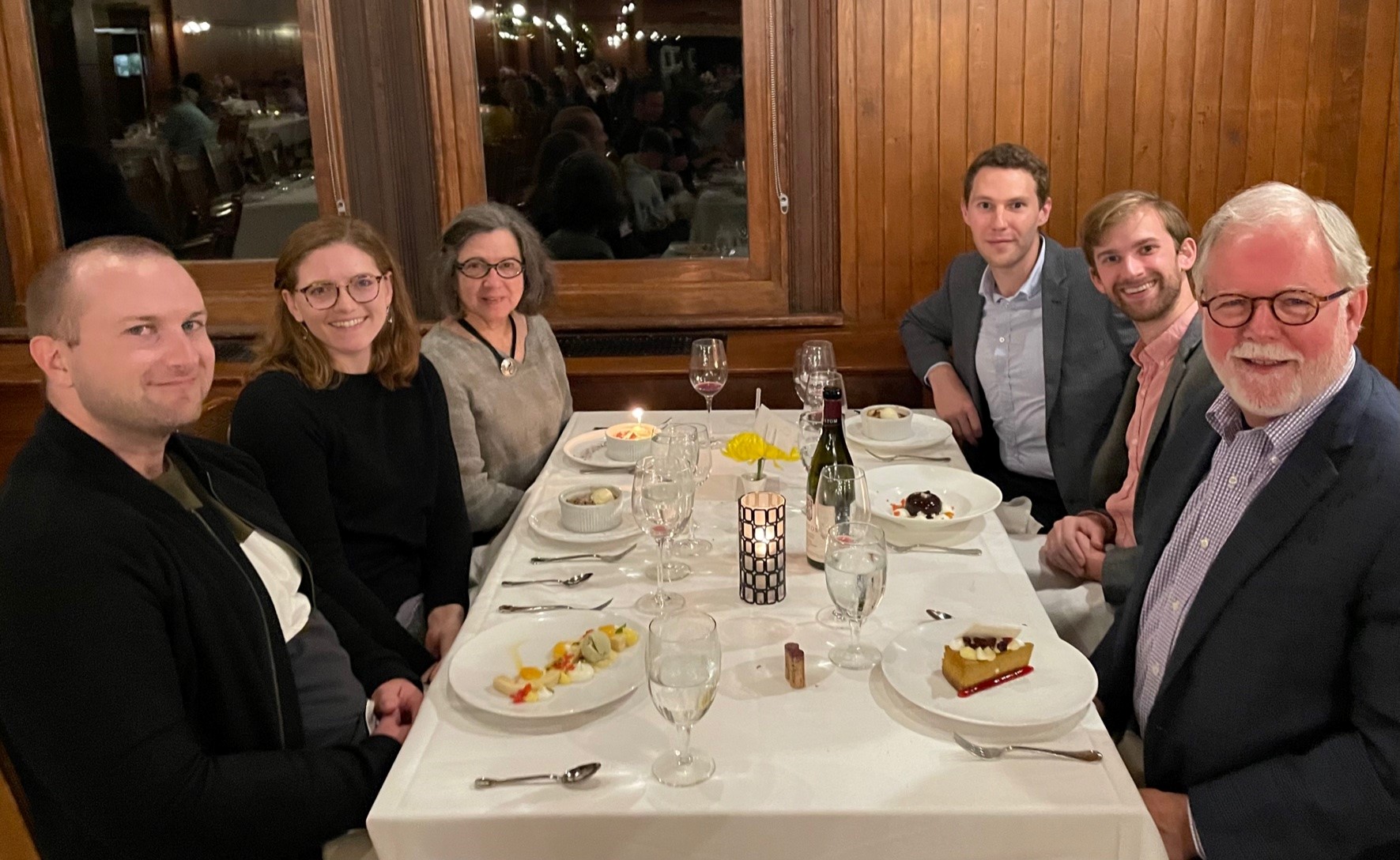
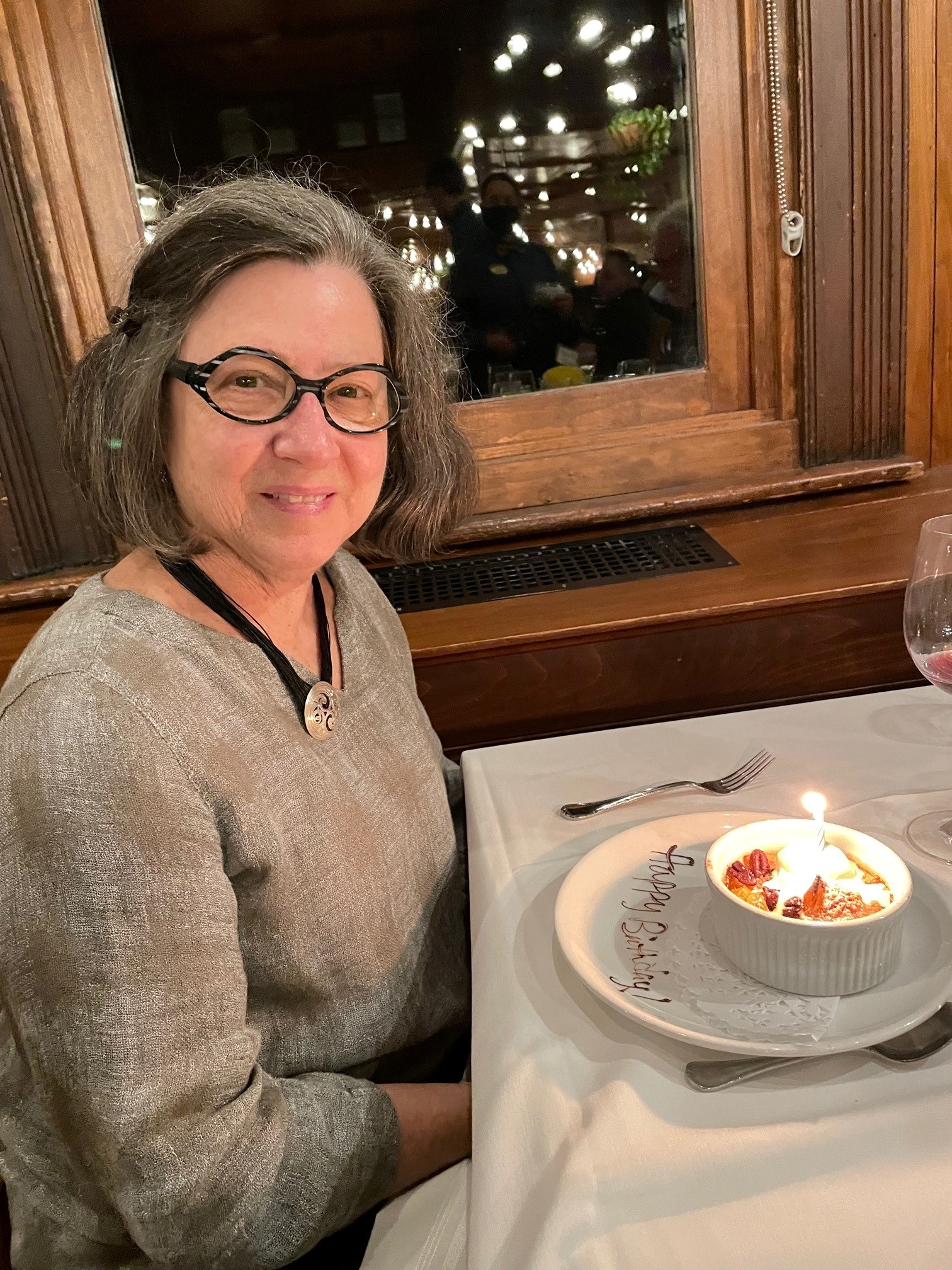
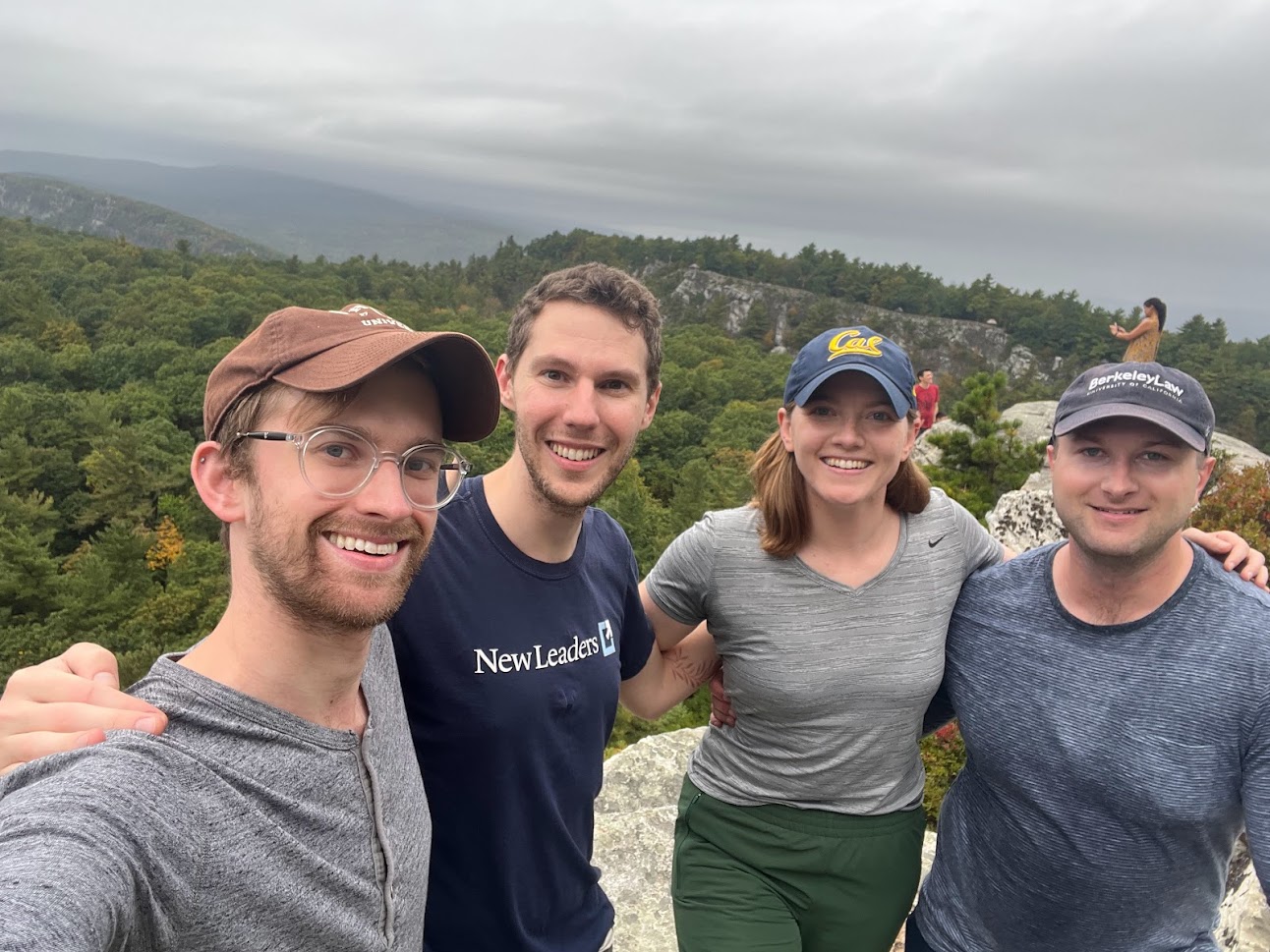
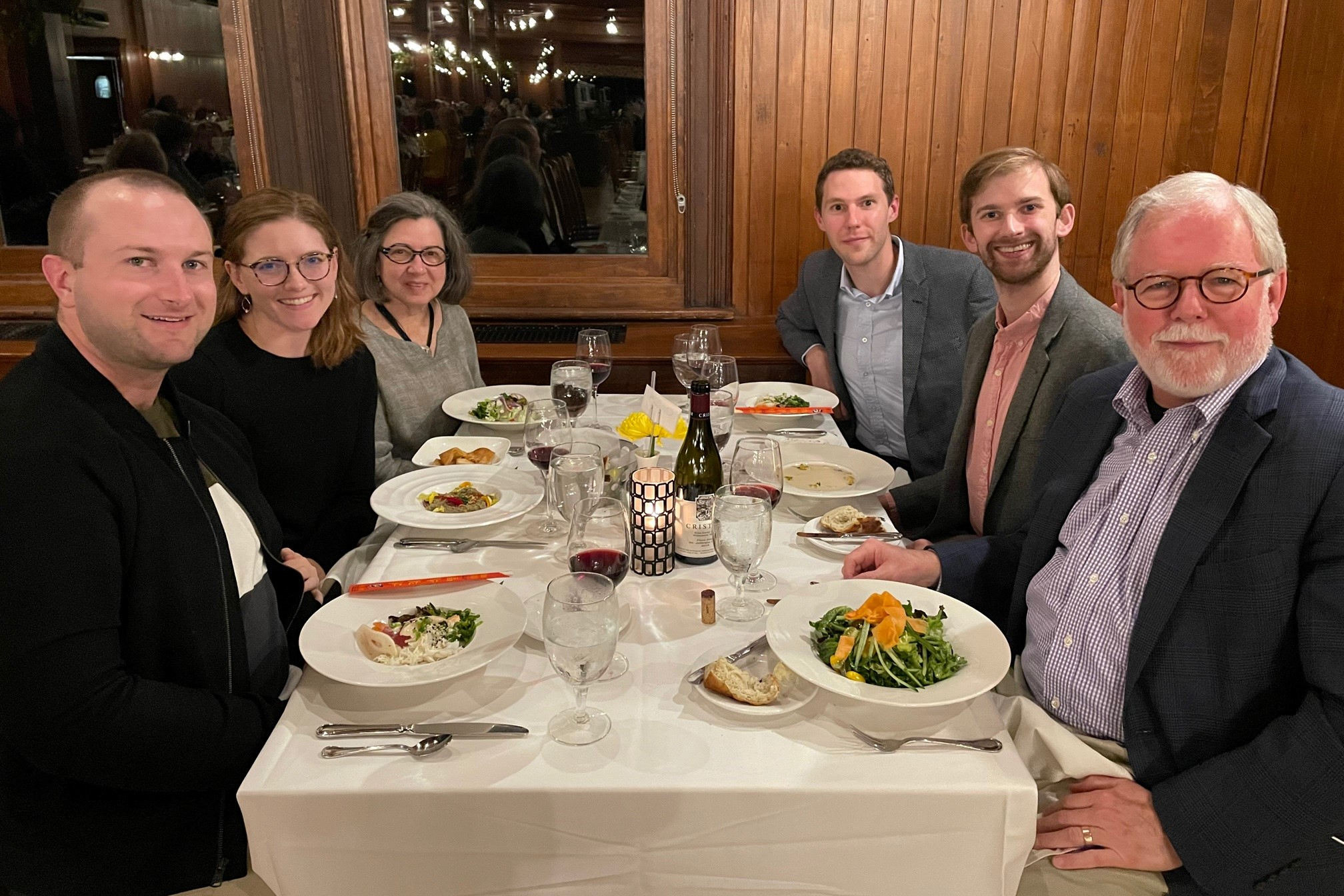
Blair, Claire, Candice, Mark, Andrew, and DJB enjoy the farm-to-table culinary delights at Mohonk Mountain HouseCelebrating Candice’s birthday
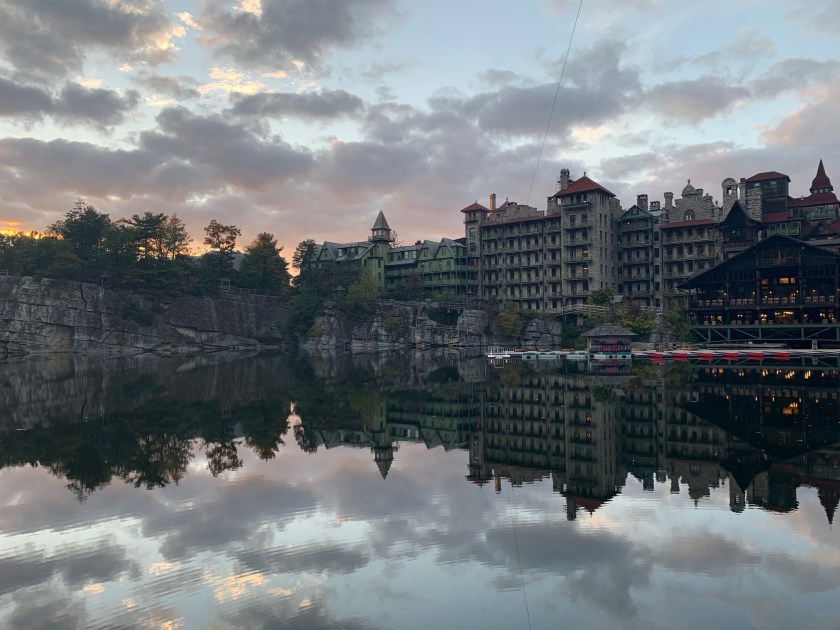
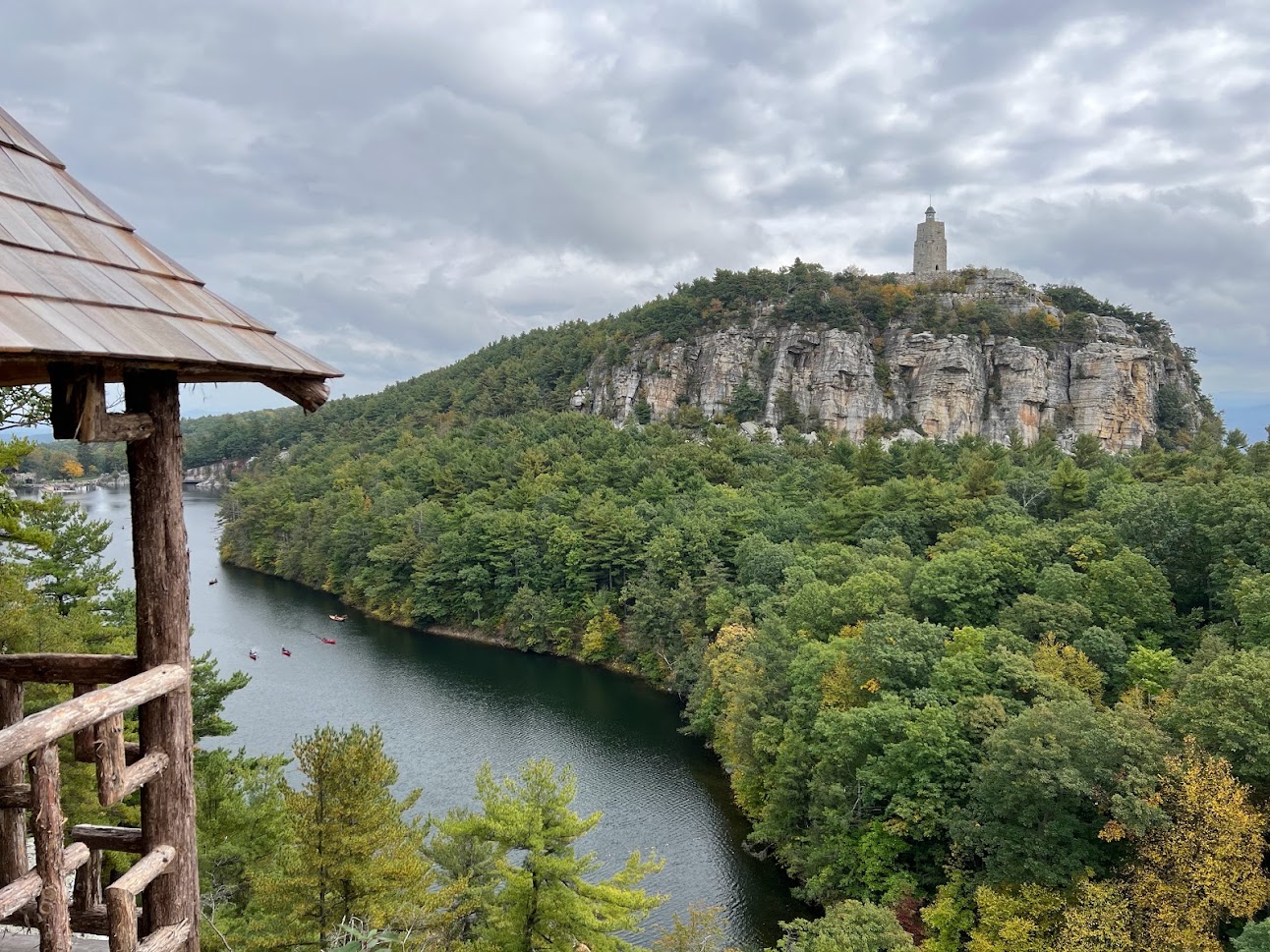
We began coming to Mohonk more than a decade ago for work trips, family respites amidst the college tour, and major anniversaries. As a historic hotel set in the middle of a spectacular natural preserve, Mohonk reaches my soul as few other places do.
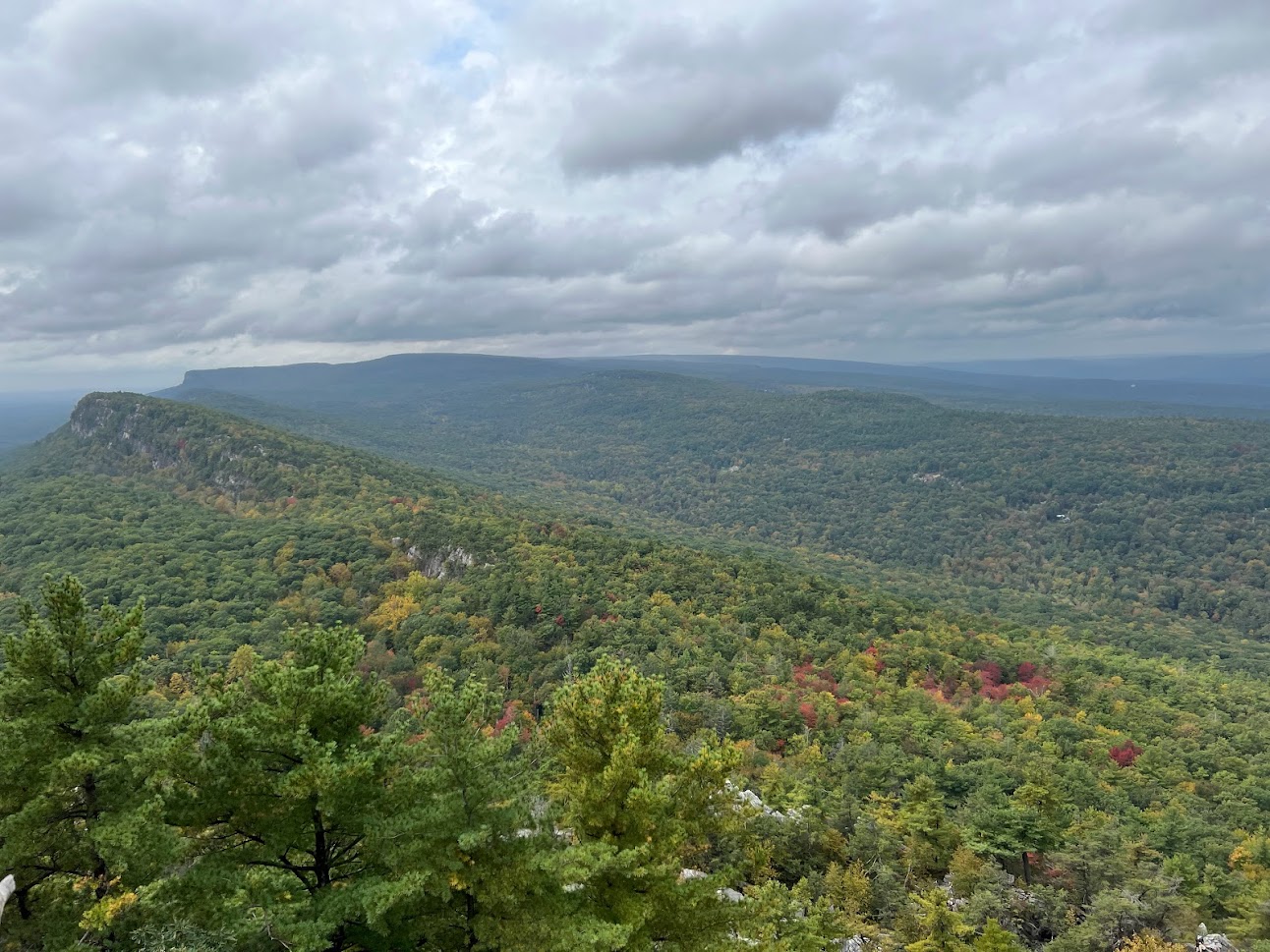
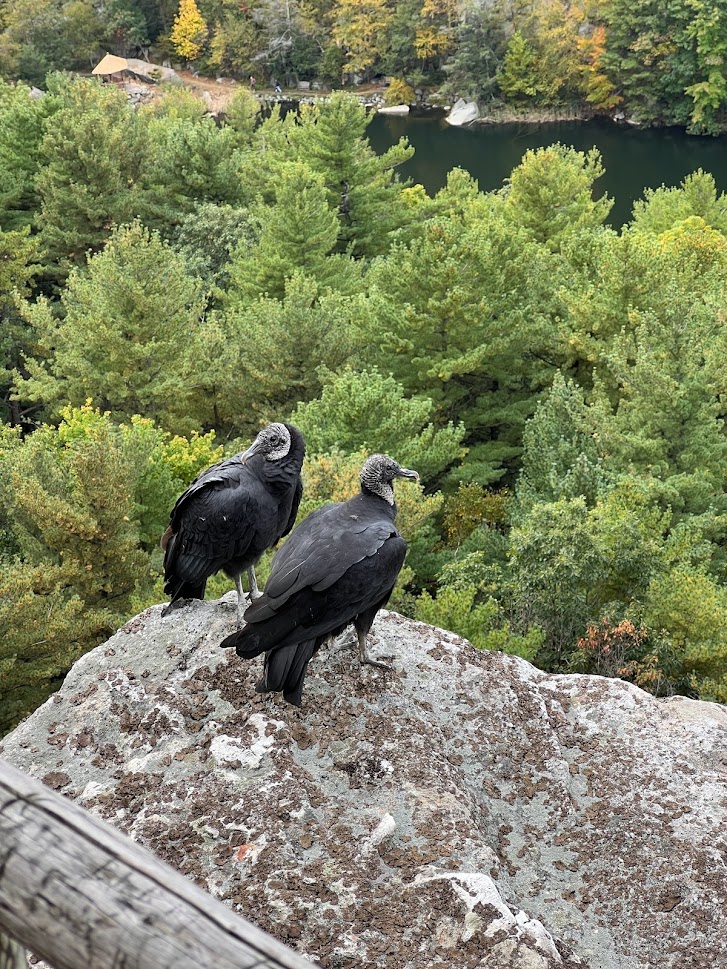
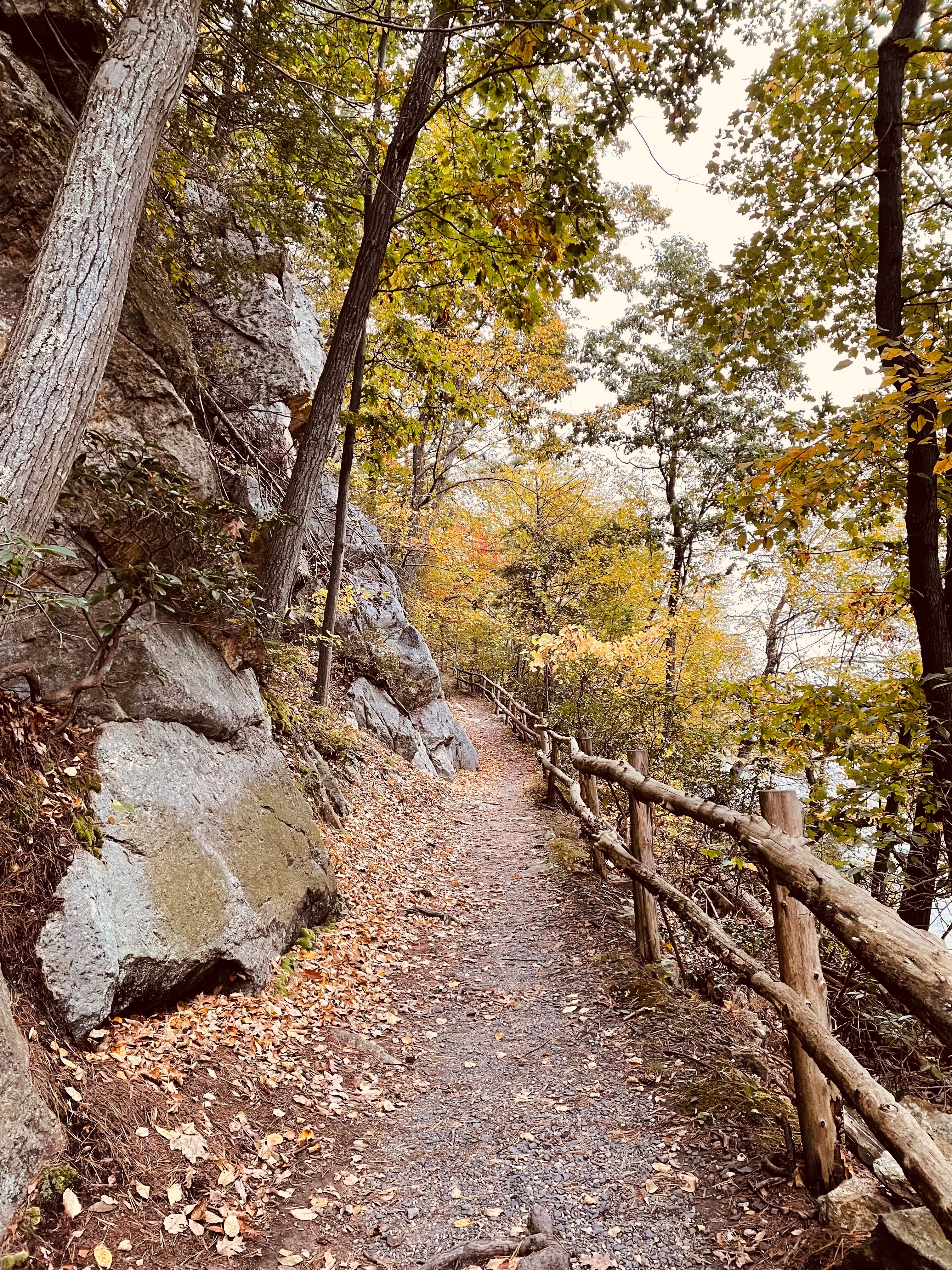
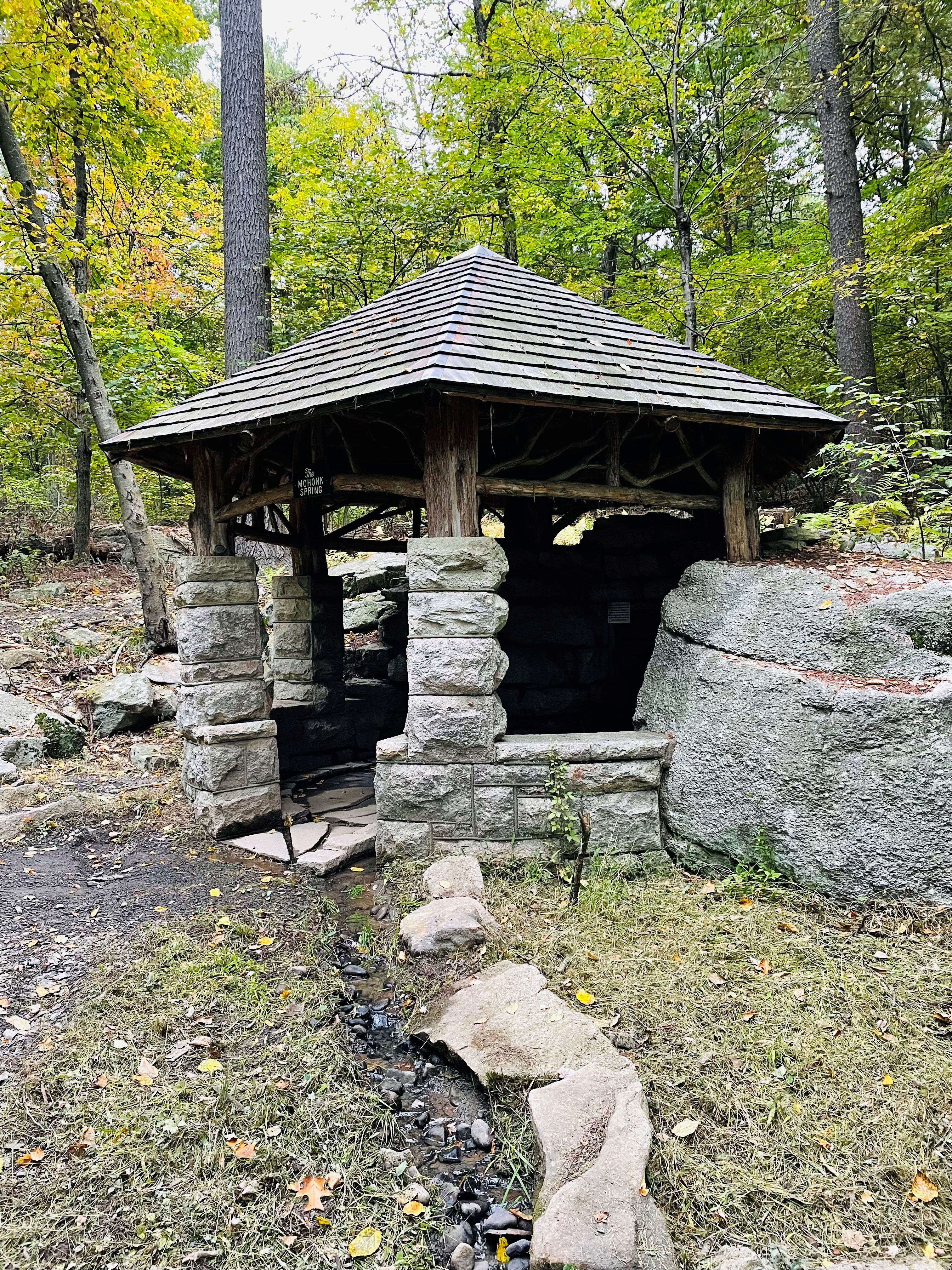
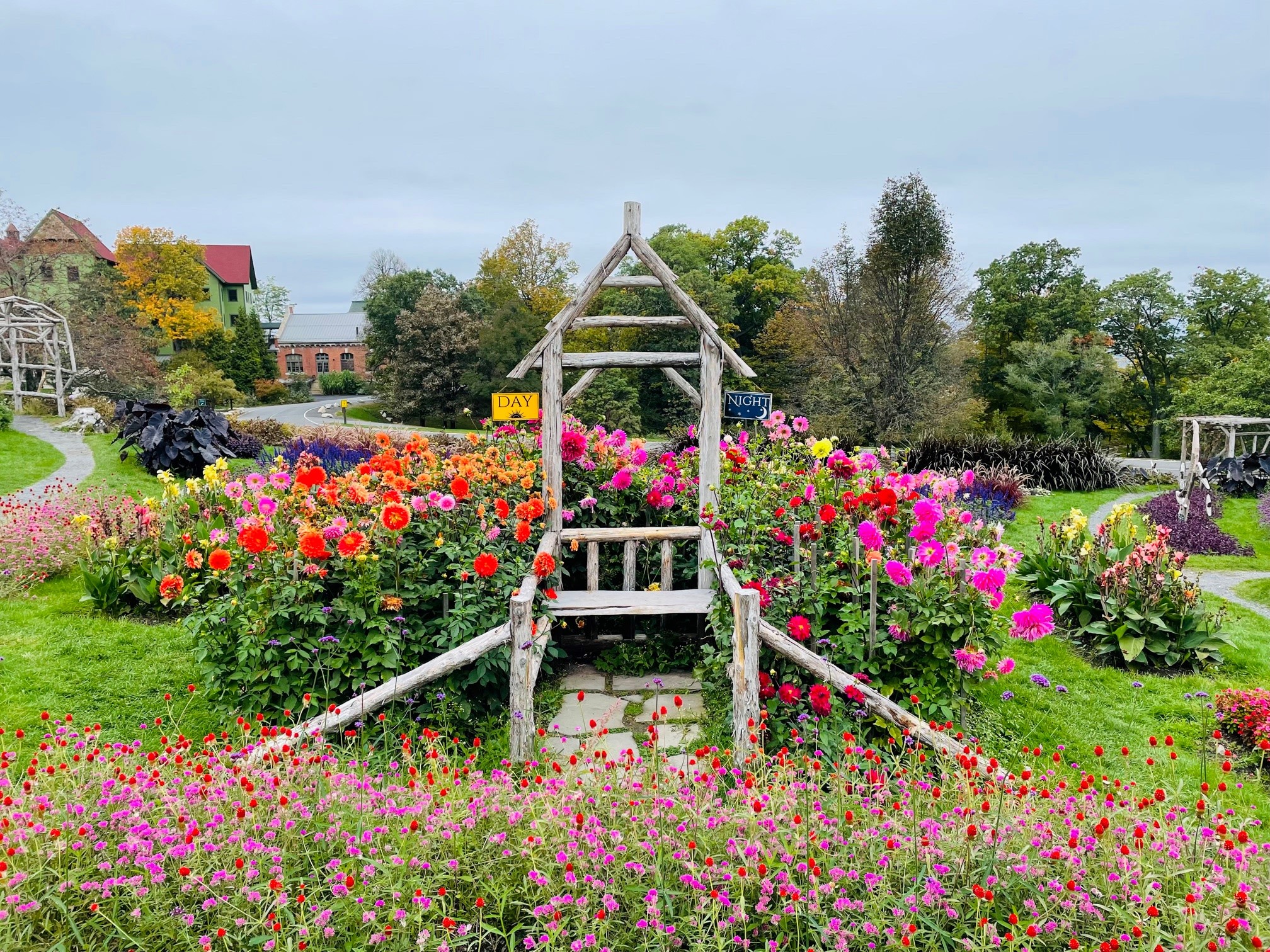
The family enjoyed a wonderful fall weekend hiking, boating, and just basking in nature’s beauty and bounty; being nourished by the food and wellness treatments; and celebrating all things Candice. Here are a few pictures of Mohonk from this visit for you to enjoy.
Mohonk Lake
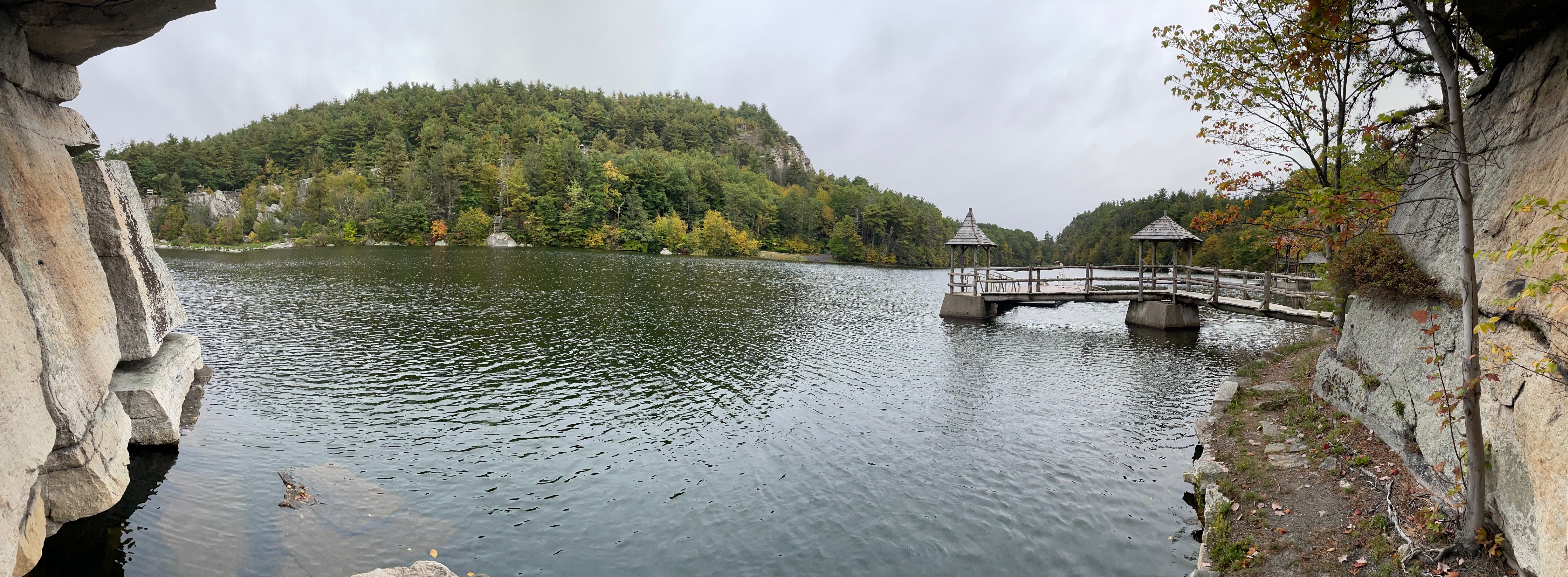
A panorama from a secluded alcove at Mohonk Lake
Views along the trails
View of the hotel from the Skyline trailAndrew on the rock scrambleFollowed by Claire and BlairAndrew, Mark, Claire and Blair safely through the rock scramble
In the gardens
Until we return
Panorama of Mohonk Lake from near the Spring House
More to come…
DJB
Photos by DJB, Claire Brown, Blair Kittle, Mark Bailey, or Andrew Brown