
The top one percent
The top ten reader favorites from the first 1,000 posts on More to Come.
Posts about travels to places around the globe that reflect our shared heritage
The top ten reader favorites from the first 1,000 posts on More to Come.

My annual review of books I’ve read over the past 12 months.
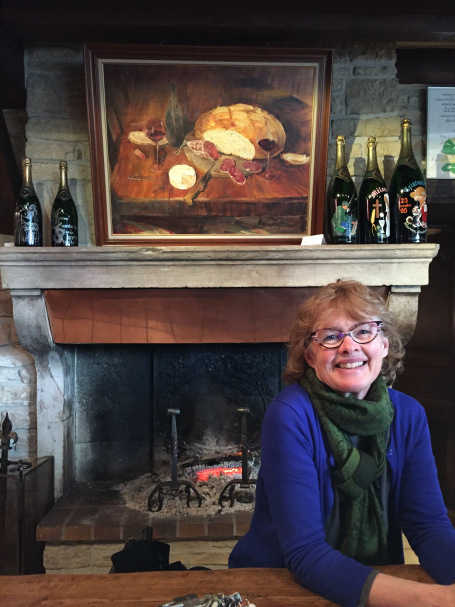
Writer, editor, writing coach, France aficionado, and family friend Janet Hulstrand produced a delightful little book earlier this year entitled Demystifying the French: How to Love Them and Make Them Love You. Having just finished this advice manual for travelers and others interested in living more successfully with the French, I found Janet’s take on how to understand these sometimes curious, somewhat frustrating, occasionally mystifying, but always interesting people to be delightful, informative, and useful all at once. I also found that Janet had—either on purpose or unwittingly, I’m not sure which—captured some wonderful life lessons from her observations about the country she’s now observed and come to love as a visitor and resident for some 40 years. The book is written as if you are sitting by the fireplace with a wonderful French wine and a good friend who is giving you a crash course before you venture out on your first trip to France. Janet’s writing is clear and, as one reviewer put it, “breezy and digestible.” She begins with five essential tips for “even …

I continue my annual tradition of posting family photographs from the past year on More to Come.

The latest stop on my quest to visit all 30 Major League ballparks* found me, earlier this week, with a friend at the front gate of Citi Field, home of the New York Mets. It had taken almost an hour by train during the height of the evening commute to get from midtown Manhattan to Flushing. After stepping off the subway, I was disappointed to find the ballpark — home to one of two major league baseball teams in the nation’s largest city — in what was essentially a suburban setting, surrounded by parking lots. The game had just begun so we stopped only briefly to take in the entry rotunda, yet even that short pause made me think of the gateway to Ebbets Field, the famous home of the Brooklyn Dodgers. It was only later that I discovered that the ballpark was in its unfortunate location thanks to that old enemy of urbanism, Robert Moses. And yes, the owners of the Mets had appropriated the Brooklyn Dodgers and the “New York City history of …

“Life is already too short to waste on speed.”

Leaders don’t create followers, they create more leaders.
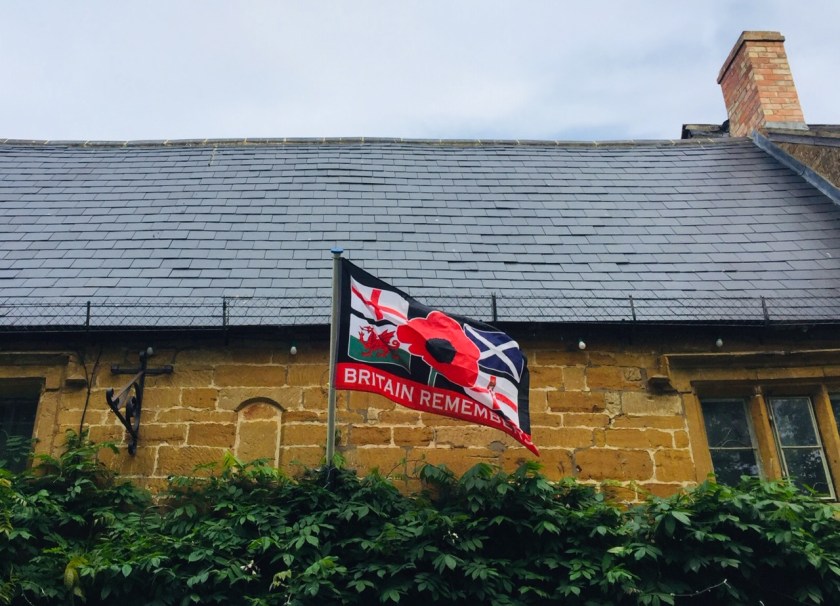
Seventy-five years ago today, almost 160,000 troops from the United Kingdom, Canada, and the United States — including smaller contingents from Australia, Belgium, Czechoslovakia, Denmark, France, Greece, the Netherlands, New Zealand, Norway and Poland — invaded Nazi-occupied Europe on the beaches of Normandy. Over the next three months of fighting, 209,000 Allied troops would die before the Nazis were pushed back across the Seine. June 6, 1944 — D-Day — should never be forgotten. It was a time when the countries of the world came together to combat bigotry, racism, and hatred. Many men and women made the ultimate sacrifice in that fight. To be in Britain for the 75th anniversary is a reminder of our better natures. We began to see the remembrances of the anniversary as we stepped off the bus in the small Cotswald village of Chipping Campden last week. There, in the center of this beautiful High Street, was a small World War I memorial covered with poppies, the now almost-universal symbol of remembrance for those killed in war. This week, …

With instant communication and connections, one can travel the globe and still face issues from home. We may try to block them out, but they come up in conversations in other countries. In feeds on social media. During sermons.* Even in a toy display in a store window! I’ve been reminded again during my travels that in today’s global world, there are many national issues with international ramifications. Thomas Fingar — the Shorenstein APARC Fellow in the Freeman Spogli Institute for International Studies at Stanford University, former chairman of the National Intelligence Council, and former Assistant Secretary of State — lectured on the Japan / Korea / China / United States relationships during the Asian portion of my current trip. Fingar provided a realistic and sometimes sobering assessment of future difficulties (many self-inflicted) as we were visiting sites of great beauty and centuries-old history. A few days later I arrived in the U.K. as Prime Minister Theresa May was resigning and the airways were filled with commentary (some from the current resident of the White …
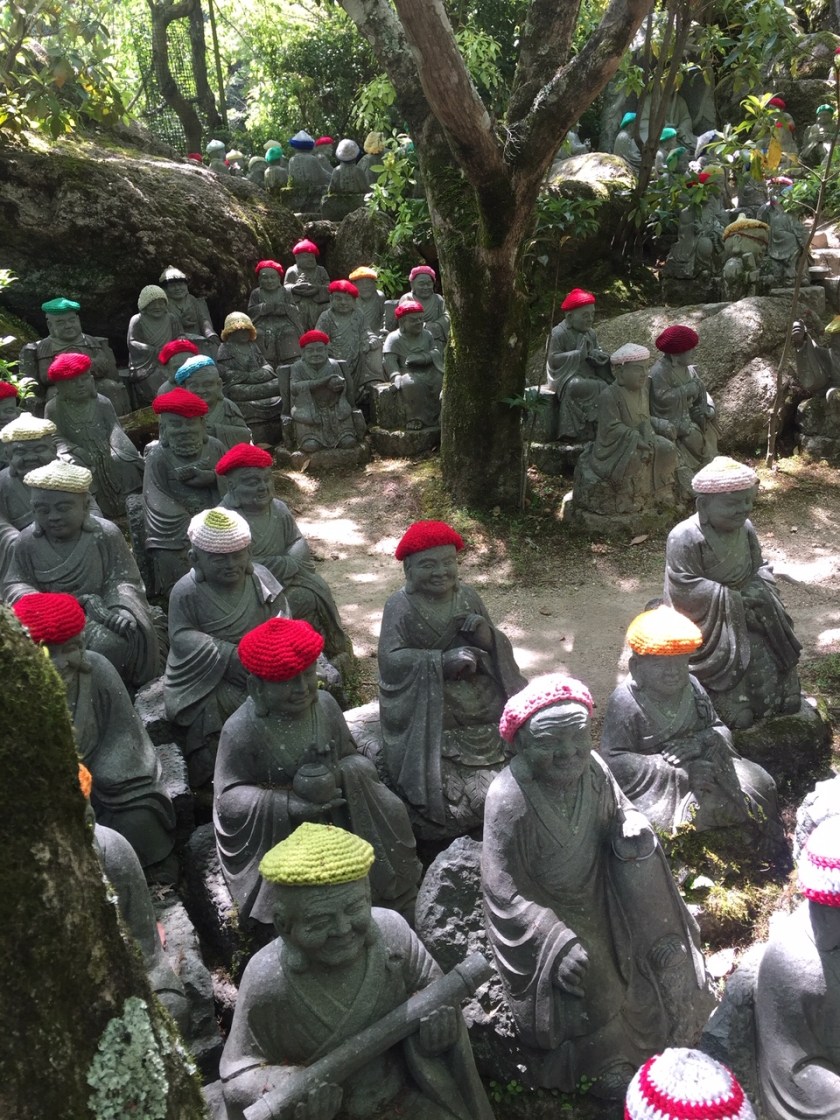
My wrap-up of an exceptional two-week National Trust Tours visit to Japan in 2019.

