
Five books at a minimum. Every month. A variety of topics from different genres. Here is the list from May 2026.
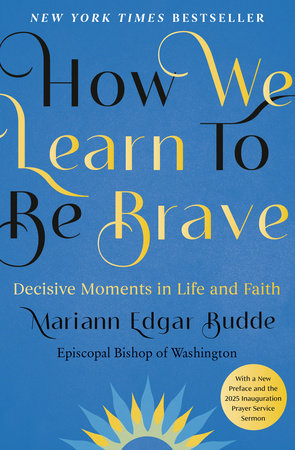
How We Learn to Be Brave: Decisive Moments in Life and Faith (2025) by Mariann Edgar Budde opens with a description of the events on Lafayette Square on June 1, 2020 and concludes with the full sermon from the January 21, 2025 Inauguration Prayer Service. Both events were pivotal moments in the life of the nation and the Episcopal Diocese of Washington. Both involved the bishop and the president. In between those two flashpoints, Bishop Mariann takes the reader through seven lessons taken from her life and others that helped her navigate these and many other decisive moments. She begins, appropriately, with taking the first step. She ends with the virtue of perseverance. Picking yourself up after the inevitable fall and placing one foot in front of the other. I would have appreciated seeing more joy thrown into the mix but the bishop has written her book, one that speaks to the many aspects of what it means to persevere in having courage, sometimes in spite of the evidence in front of us.
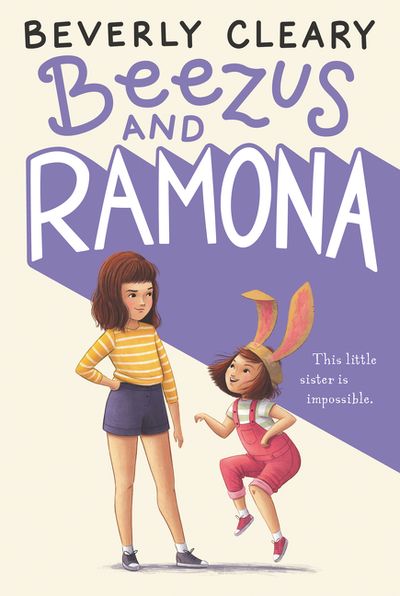
Beezus and Ramona (1955) by Beverly Cleary was the first in the famous series of children’s novels featuring Ramona Quimby, the little girl “with a wild imagination, disregard for order, and an appetite for chaos.” We learn in the very first chapter that “Beatrice Quimby’s biggest problem was her little sister Ramona.” (Beatrice is called Beezus because that’s what Ramona called her as she first began to talk.) Cleary’s book is a series of delightful vignettes where Ramona—who always seems to get her own way—finds ever new and creative ways to drive Beezus crazy. This is not a normal read for me, but I have two book-related quests underway this year and this short children’s classic gave me a chance to check off a box in each of those efforts.
Things Seen (originally published in French in 2000, published in English in 2010) by Annie Ernaux (translated by Jonathan Kaplansky) is a “journal” where Ernaux turns her piercing observational talents to small and often seemingly insignificant events and actions around her. The reader follows the interactions with a clerk in a store, discussions at a condominium meeting, a shoplifting incident at the Yves Saint Laurent hosiery counter. After an attack at the Uffizi Gallery in Florence she observes that there is more seeming concern over the damage to the paintings than to the men, women, and baby who died. She stands looking over mounds of tomatoes, peaches, and grapes at the local food store and has the strange sensation she is at the edge of Eden, seeing the first morning of the world. The mix between fiction and memoir helps us understand this captivating, intimate, and unflinchingly honest writer. Ernaux was awarded the Nobel Prize in Literature in 2022 “for the courage and clinical acuity with which she uncovers the roots, estrangements and collective restraints of personal memory.” In reading this slim volume, one finds out about the writer, yes; but also—in observing how we react—about ourselves.
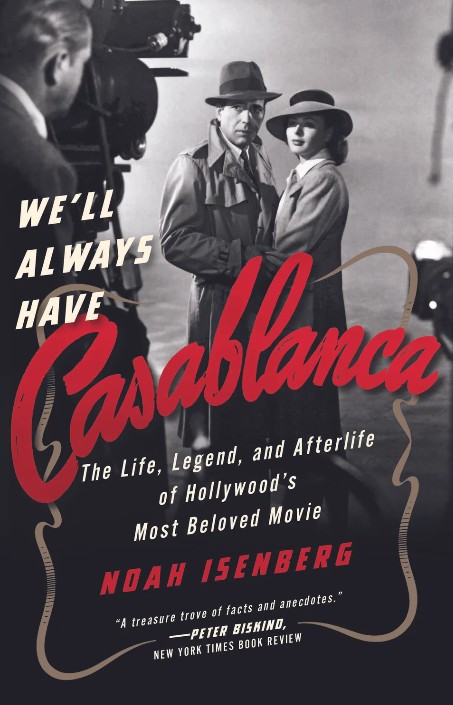
We’ll Always Have Casablanca: The Life, Legend, and Afterlife of Hollywood’s Most Beloved Movie (2017) by Noah Isenberg is a rich account of this most beloved movie’s origins as an unproduced stage play, its production as America’s involvement in World War II was beginning, its release just weeks after Allied troops landed in Morocco, and its long afterlife as a touchstone for our better angels. Isenberg, a noted film historian, conducts extensive archival research coupled with interviews of filmmakers, film critics, family members of the cast and crew, and diehard fans. The result is a deep yet swiftly moving, comprehensive yet tender account of the movie that millions around the world continue to watch and love.
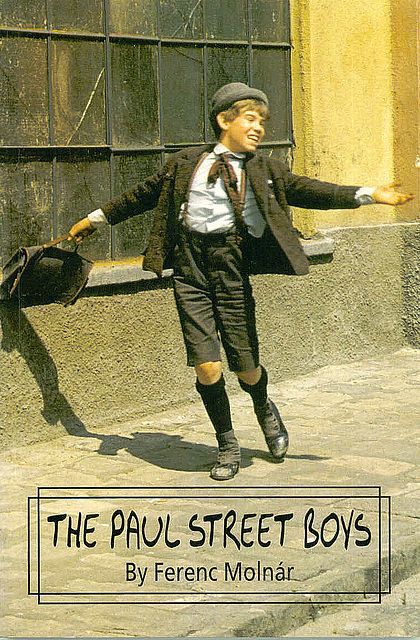
The Paul Street Boys (1907) by Ferenc Molnár is a captivating and surprisingly emotional novel that explores themes of loyalty, sacrifice, and the loss of innocence. Set in 1889 Budapest, the story centers around two rival street gangs: the Redshirts and the Paul Street Boys. The two are fighting over a vacant lot they call their grund or “Fatherland.” Located in the crowded Józsefváros neighborhood, the grund offers the boys a “limitless” space for play, creativity, and adventure. It is also a place that belongs only to them, away from the strict rules of the adult world. Throughout the book there are instances where the smallest member of the Paul Street Boys—Nemecsek—demonstrates that his bravery and loyalty surpass his size. In a scene reminiscent of David the shepherd boy taking down the giant Goliath, Nemecsek surprises and subdues Feri Áts, the fierce leader of the Redshirts. The book ends in tragedy, however, reflecting a loss of innocence and forebodings “of what life held in store.”
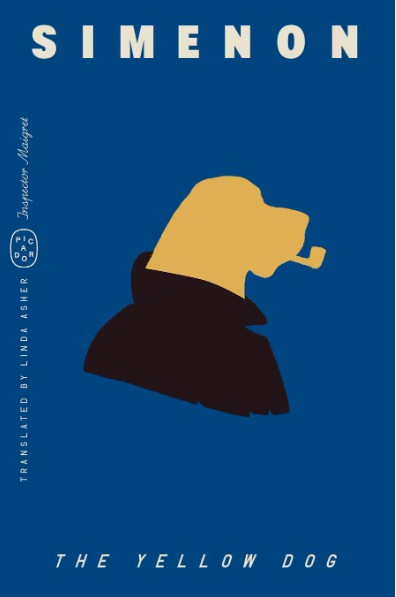
The Yellow Dog (1931) by Georges Simenon begins in Concarneau where M. Mostaguen, the local wine dealer, is wounded by a gunshot when returning home drunk from the local Admiral Hotel. Maigret, who is nearby organizing a mobile squad, is called in by the mayor to solve the crime. Settling in at the Admiral, Maigret soon discovers a set of unusual characters: Jean Servières, a retired newspaper man from Paris; Ernest Michoux, a doctor who has never practiced; Emma, the mysterious and complicated waitress at the hotel; and a strange yellow dog that seems to be haunting the neighborhood. Although each of the characters has their secrets, Maigret quickly focuses on the fact that Emma is hiding something that may be a key to solving the crime. He finally navigates the small town dynamics so that he can uncover the true nature of the crimes. Simenon sketches in the characters with an economy of means but also with an eye on understanding—without judgement—”the human condition in all its shades.”
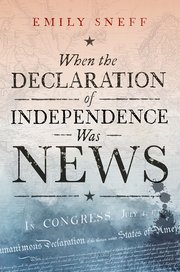
When the Declaration of Independence Was News (2026) by Emily Sneff begins in Philadelphia in May 1776 and ends in Baltimore in January 1777. A historian of the founding era and an expert on the Declaration of Independence, Sneff wants her readers to understand why the context in which the text of the Declaration was communicated is so crucial to our understanding of history. Too often we assume that the Declaration of Independence came out of whole cloth. But that is the story in hindsight. The news of the action taken by the Continental Congress had to be spread by “printers, post riders, ship captains, civic leaders, soldiers, clerks, orators, preachers, diplomats, and translators.” As this new work makes clear, both the declaration and its dissemination are important. The Declaration’s story—told in 187 pages of insightful and well-written prose—is much more complex and fascinating than many imagine.
WHAT’S ON THE NIGHTSTAND FOR JUNE (Subject to change at the whims of the reader)
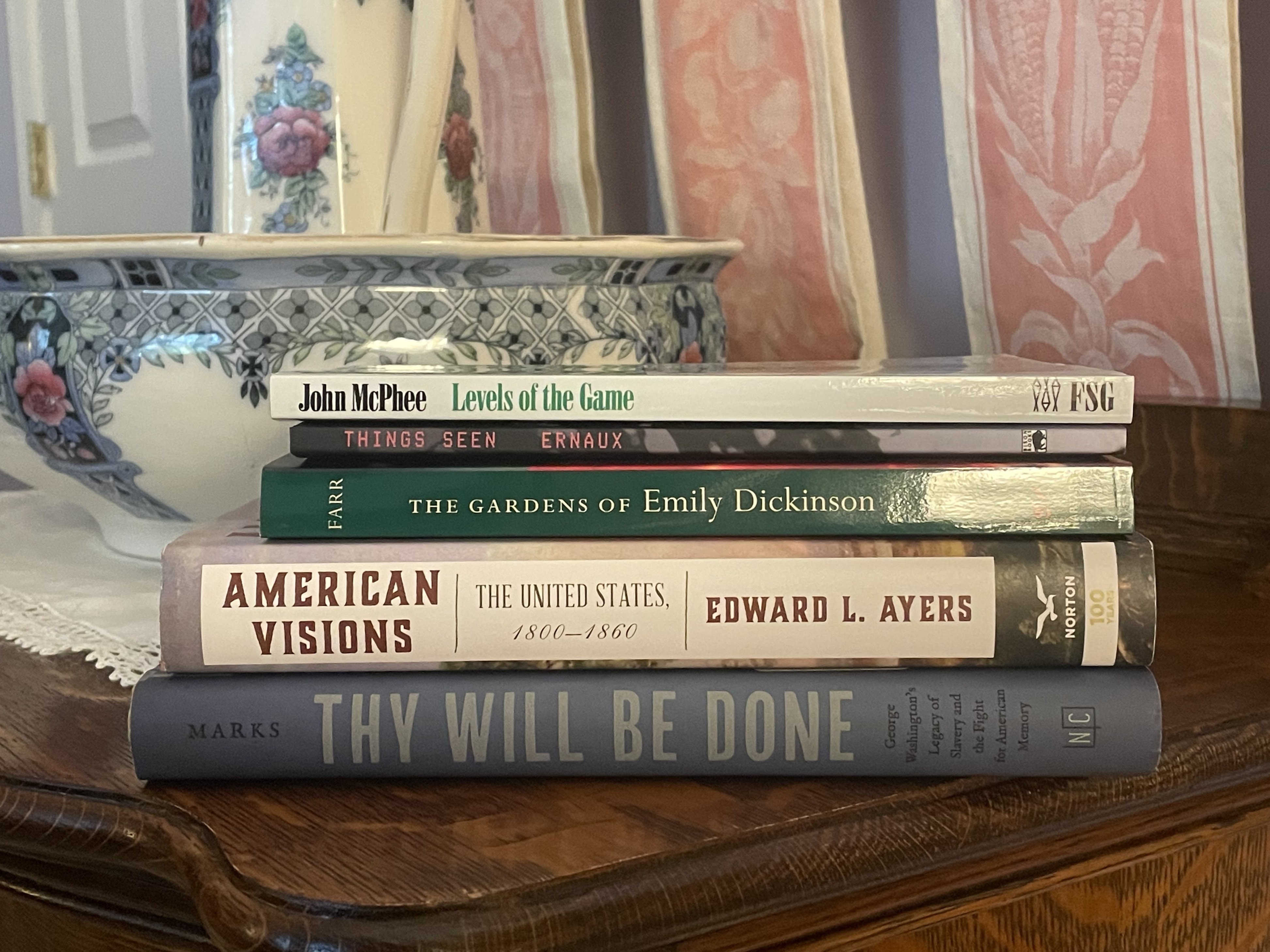
- American Visions: The United States, 1800 – 1860 by Edward L. Ayers
- The Gardens of Emily Dickinson by Judith Farr
- Thy Will Be Done: George Washington’s Legacy of Slavery and the Fight for American Memory by John Garrison Marks
- Levels of the Game by John McPhee
- The Man Who Died Twice by Richard Osman
Keep reading!
More to come . . .
DJB
NOTE: Click to see the books I read in April of 2026 and to see the books I read in 2025.
Photo by Michał Parzuchowski on Unsplash
 MORE TO COME...
Pingback: Observations from . . . June 2026 | MORE TO COME...
Pingback: From the bookshelf: June 2026 | MORE TO COME...