
Five books at a minimum. Every month. A variety of topics from different genres. Here is the list from June 2026.
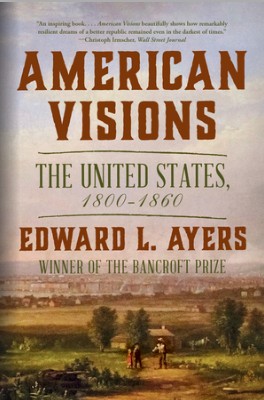
American Visions: The United States, 1800 – 1860 (2023) by Edward L. Ayers is an illuminating synthesis of the six decades leading to the Civil War, showing how a broad cast of characters came together to shape the volatile new nation. Ayers interests and scholarship are so wide—with subjects including “authors, reformers, pseudoscientists, mystics, showmen, and more”—that any listing of the people and voices found in this work will be inadequate. But one never loses the thread and readers are brought along by Ayers skill at weaving these many pieces into one fascinating, mind-expanding, and enlightening fabric. It was a time when “bold men and women in the new United States spoke without permission and often in defiance of those who held power . . . Their visions remain powerful—and necessary—generations later.”
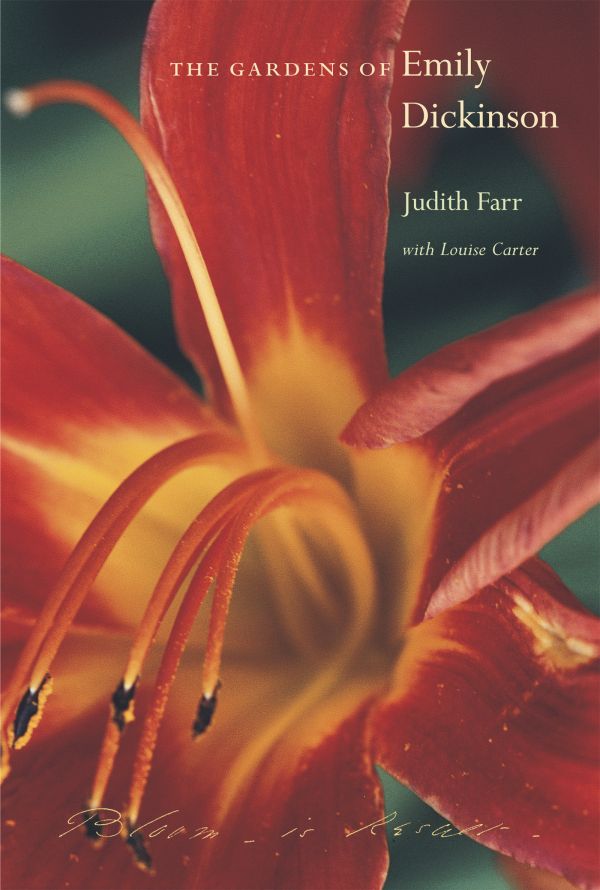
The Gardens of Emily Dickinson (2004) by Judith Farr joins “both poet and gardener in one creative personality.” Dickinson’s passion for gardening was intrinsic “both to her personality and to a much larger movement in American culture,” especially in nineteenth century literature and painting. In this deftly written and beautifully illustrated work, Farr takes the reader into the various “gardens” of Dickinson’s life: the wildflowers in the nearby woods, the blossoms from the cultivated plot at her father’s home, the exotic species from the conservatory that allowed her year round pleasure, and finally the gardens in her mind which served as “a summary synonym of life itself.” Dickinson said that her garden was her church. Judith Farr, with impressive scholarship but even greater love and affection, opens this world to those of us fortunate enough to discover this timeless work.
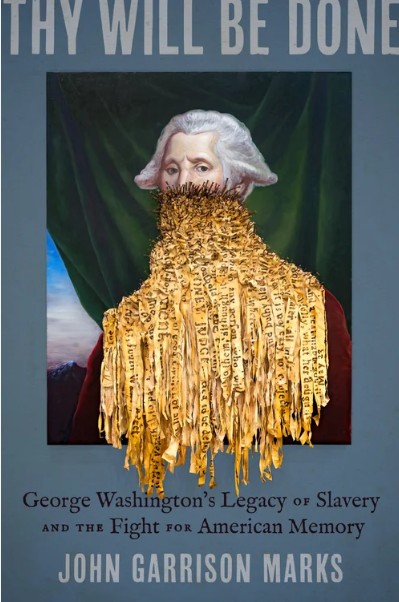
Thy Will Be Done: George Washington’s Legacy of Slavery and the Fight for American Memory (2026) by John Garrison Marks takes a deep and insightful look into how we as a country have wrestled with Washington’s conflicted status as one of the nation’s most prolific enslavers and the architect of one of its largest private emancipations. It is a debate that began days after his death in 1799 and continues to 2026. In the first two decades following his passing the American public created a myth of an infallible father and erased slavery’s centrality to Washington’s life. The time leading up to the Civil War and the 1932 Washington Bicentennial—celebrated during an era of rapid and often unsettling change—were other milestones that brought the issue to a head. Marks brings this thoughtful and revelatory work to a close by studying the way Washington and slavery were taught in the American classrooms of the 20th century and how the issue was treated by the stewards of his home at Mount Vernon. “Commentary about Washington and slavery—denouncing his slave owning, praising his emancipation, or silencing the issue altogether—is always about much more” than a simple debate or conversation.
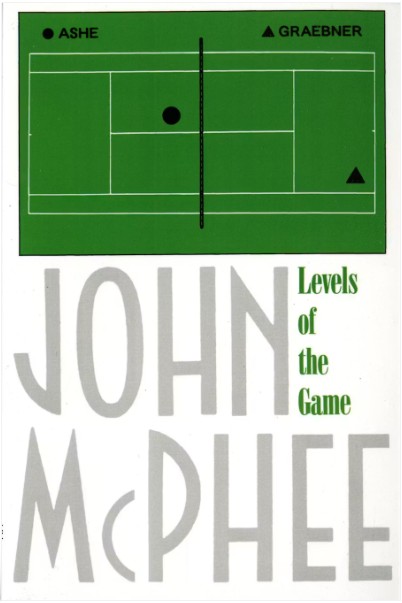
Levels of the Game (1969) by John McPhee is a masterpiece of the writing craft. The precision that is at the heart of McPhee’s writing shines through in the choice of words, the form, the shifts in tense, the images he creates, the poetry in his prose. The frame of the book is the 1968 U.S. Open semifinal match between Arthur Ashe and Clark Graebner. There is the description of four sets of tennis, played in bright sunlight before 14,000 spectators. On one level it is sportswriting. On another it is a joint profile, complete with backstories and long flashbacks and interludes, of two players from very different backgrounds at the top of their game. On yet another it is a time capsule of an America recently torn apart by the murders of Dr. Martin Luther King, Jr., and Robert Kennedy. Finally, it is also “a highly original way of looking at human behavior.” The writing comes to life with the style and verve of a well-placed backhand return of a scorching serve. It is, as so many have said, a remarkable performance.
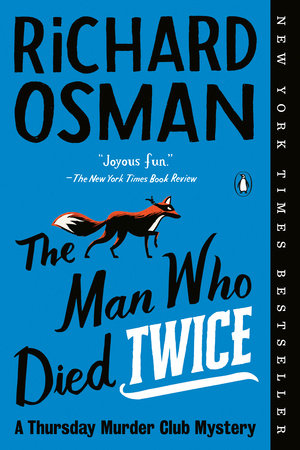
The Man Who Died Twice (2021) by Richard Osman returns us to Coopers Chase, a high-end peaceful British retirement village where four residents turned septuagenarian sleuths meet weekly in the Jigsaw Room to discuss unsolved crimes from old police files. Ex-spy Elizabeth Best; Joyce Meadowcroft, who retired after a career in nursing; the tattooed former union organizer Ron Ritchie; and Ibrahim Arif, an Egyptian-born semi-retired psychiatrist call themselves the Thursday Murder Club. The story begins as Douglas Middlemiss, Elizabeth’s second husband, asks for her help with a case. The bodies pile up quickly and it is clear that the murderer has no qualms about killing more, including our Murder Club members. There are twists and turns throughout that are as surprising as the final outcome in this book that will lead you to laugh, tear up, think, and ultimately compel you to turn page-after-page. Getting to the conclusion is just as much fun and pleasurable as in the debut of this series.
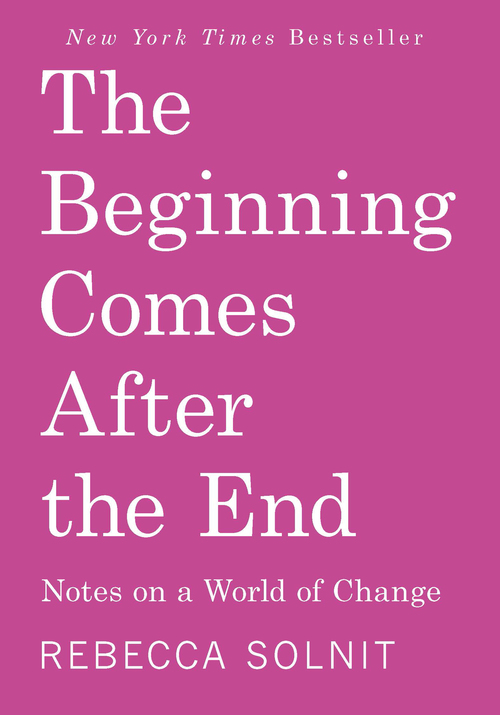
The Beginning Comes After the End: Notes on a World of Change (2026) by Rebecca Solnit is the eighth in a series of Haymarket Books by the longtime climate and human rights activist, historian, and writer. Solnit takes the reader back to times when those pushing for change appeared to be swimming upstream. We discover how seeds are planted and nourished even in dark, difficult times. The fierce backlash that comes against the future is made by enemies who “believe in us even when we don’t believe in ourselves.” Those who believe in an interconnected, mutually supportive, and more open world have been far more successful than we believe. For those who take the time to stop and consider where we’ve come from, we see the old orders that have fallen apart, the systems that no longer work, the assumptions that no longer fit. It is easier to see the old world dying than the new world being born. Solnit wants us to not only see that new world, but to work together to hasten its coming.
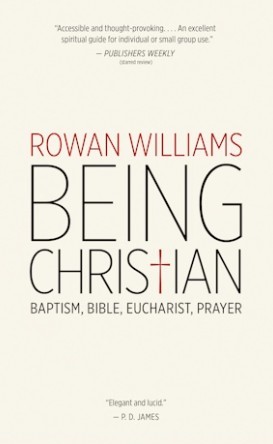
Being Christian: Baptism, Bible, Eucharist, Prayer (2014) by Rowan Williams is a clear, accessible, and thought-provoking work; simple to read and yet profound in its approach to what it means to be a Christian in today’s world. As the title suggests, Williams looks at four elements that cut across almost every part of Christendom beginning with baptism, the act that brings us into full membership in the church. Christians read the Bible and gather to share bread and wine in memory of the death and resurrection of Jesus of Nazareth. Finally, Christians pray, with many incorporating the prayer passed along by Jesus into their worship service. Some traditions of the church have other elements that are important to them to varying degrees but Williams wants to focus on what brings us together, not what divides. As one reviewer notes, Williams entices us all to go deeper by reviewing the basics. “It takes a theologian of depth to write a simple book about complex concerns.”
WHAT’S ON THE NIGHTSTAND FOR JULY (Subject to change at the whims of the reader)
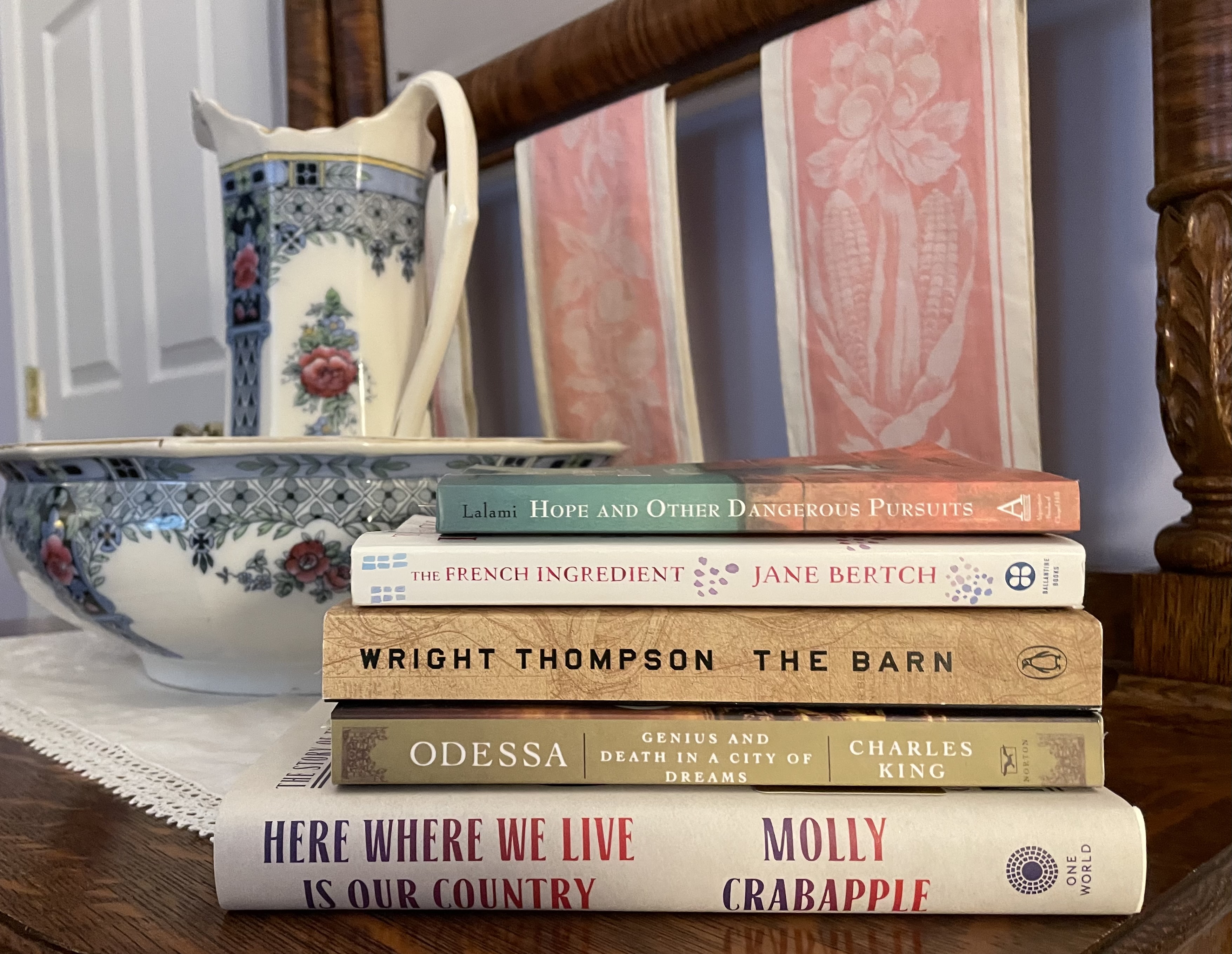
- The French Ingredient: Making a Life in Paris One Lesson at a Time; A Memoir by Jane Bertch
- Here Where We Live is Our Country: The Story of the Jewish Bund by Molly Crabapple
- Odessa: Genius and Death in a City of Dreams by Charles King
- Hope and Other Dangerous Pursuits by Laila Lalami
- The Barn: The Secret History of a Murder in Mississippi by Wright Thompson
Keep reading!
More to come . . .
DJB
NOTE: Click to see the books I read in May of 2026 and to see the books I read in 2025.
Photo of Beach Reading by s-o-c-i-a-l-c-u-t on Unsplash


Pingback: Observations from . . . July 2026 | MORE TO COME...
Pingback: From the bookshelf: July 2026 | MORE TO COME...