Latest Posts

Success and excellence

When Thomas Boswell decides to write a baseball column, we are all the richer.

Thankfully we’re in luck, as today’s Washington Post contained a Boswell gem entitled Phillies Thrive on the Quirky Wisdom of Charlie Manuel.

There’s a lot to savor in this column:

Many have been amazed at the Phils’ gift for clutch play in this postseason, including late heroics by Werth and Ryan Howard that were topped here Monday night when Jimmy Rollins, the 5-foot-8 shortstop who is the core of the clubhouse, turned around a 99-mph fastball from 290-pound Jonathan Broxton and became the fifth man in postseason history to turn a defeat into victory when he represented the last out of the game.

But Manuel isn’t surprised at all by the Phillies’ comeback knack and their ability to shake off blown saves all season by their dubious bullpen. He and others in the front office, like Pat Gillick and Ruben Amaro, believe you can identify players who are at their best under pressure because they are both energized and focused by the spotlight, not paralyzed or distracted by it.

Charlie Manuel quotes an old Boswell book, The Heart of the Order, and a key Boswell precept: “There is no substitute for excellence — not even success.”

“You’ve got to be totally relaxed, you’ve got to stay focused and it gets back to the [idea of] excellence over success,” said Manuel. “If you strive to be the best, then success will be there.”

Charlie boiled it down to:  “Don’t get hung up on success and what people think of you; focus on excellence, play the game the right way, enjoy the moment and don’t be scared of it.”

It is nice to see the Phillies — and their quirky manager who fundamentally understands the game —  in the World Series again.

More to come…

DJB

Image: Citizens Bank Ballpark (by DJB)

Don’t Give Up Your Day Job

With Off The Wagon in Nashville at NPCWe’re back to reality following the National Preservation Conference last week in Nashville.

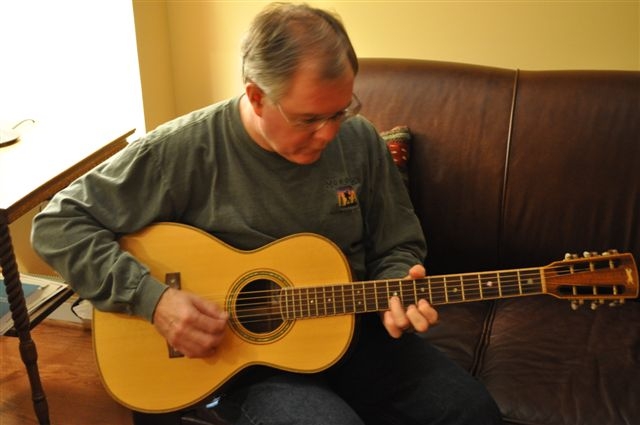
As you saw in earlier posts, I spent some time playing a little old-time and bluegrass music with friends and colleagues.  At one venue,  the playing was captured on video.

So click below to see yours truly playing a couple of fiddle tunes.  We picked the key for ease of playing, so the singing’s a little low.  These tunes were performed at the Patrons’ Dinner for the conference sponsors and all seemed to have a good time.

Enjoy.

More to come…

DJB

Sitting In With Off the Wagon

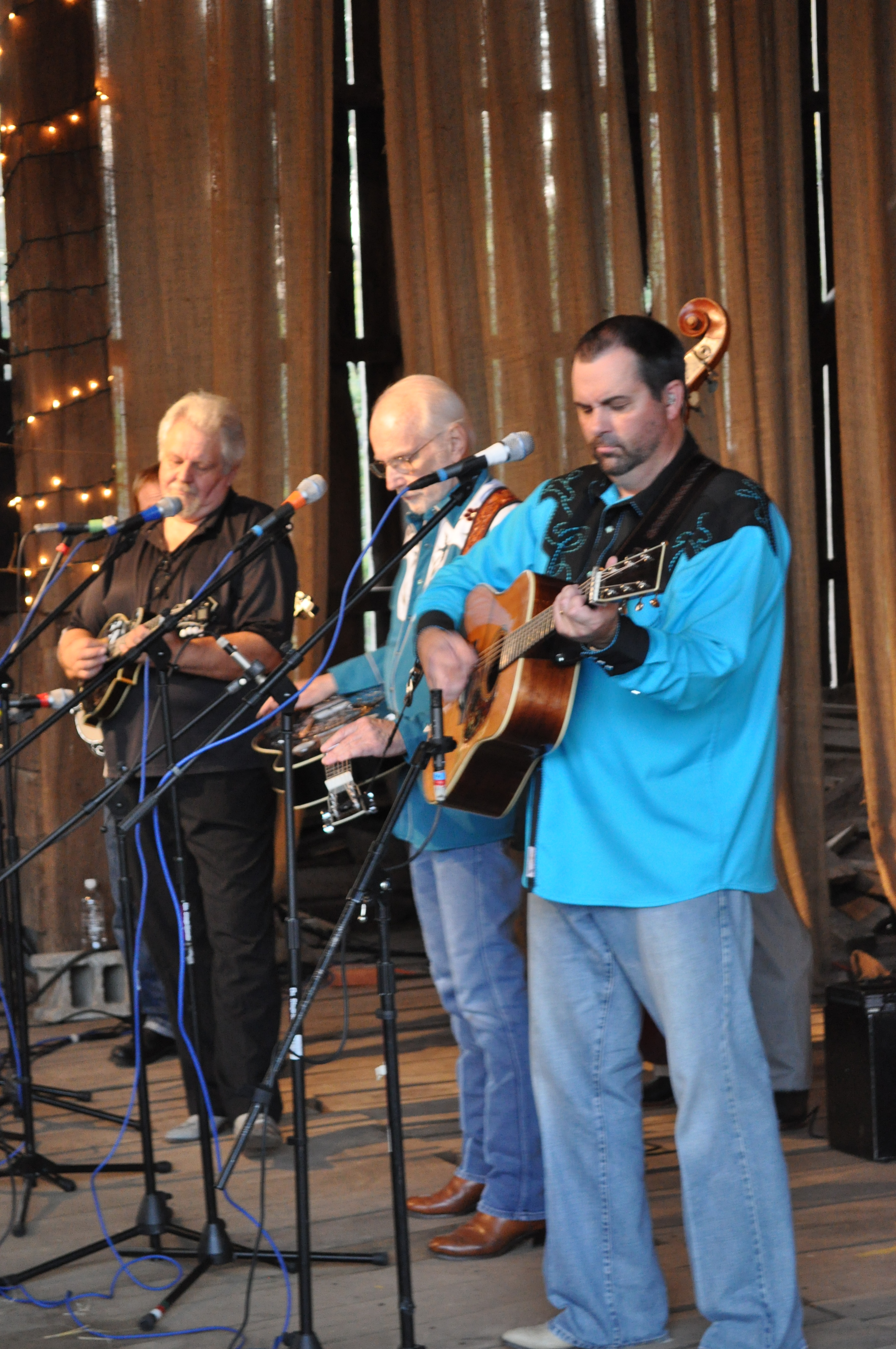
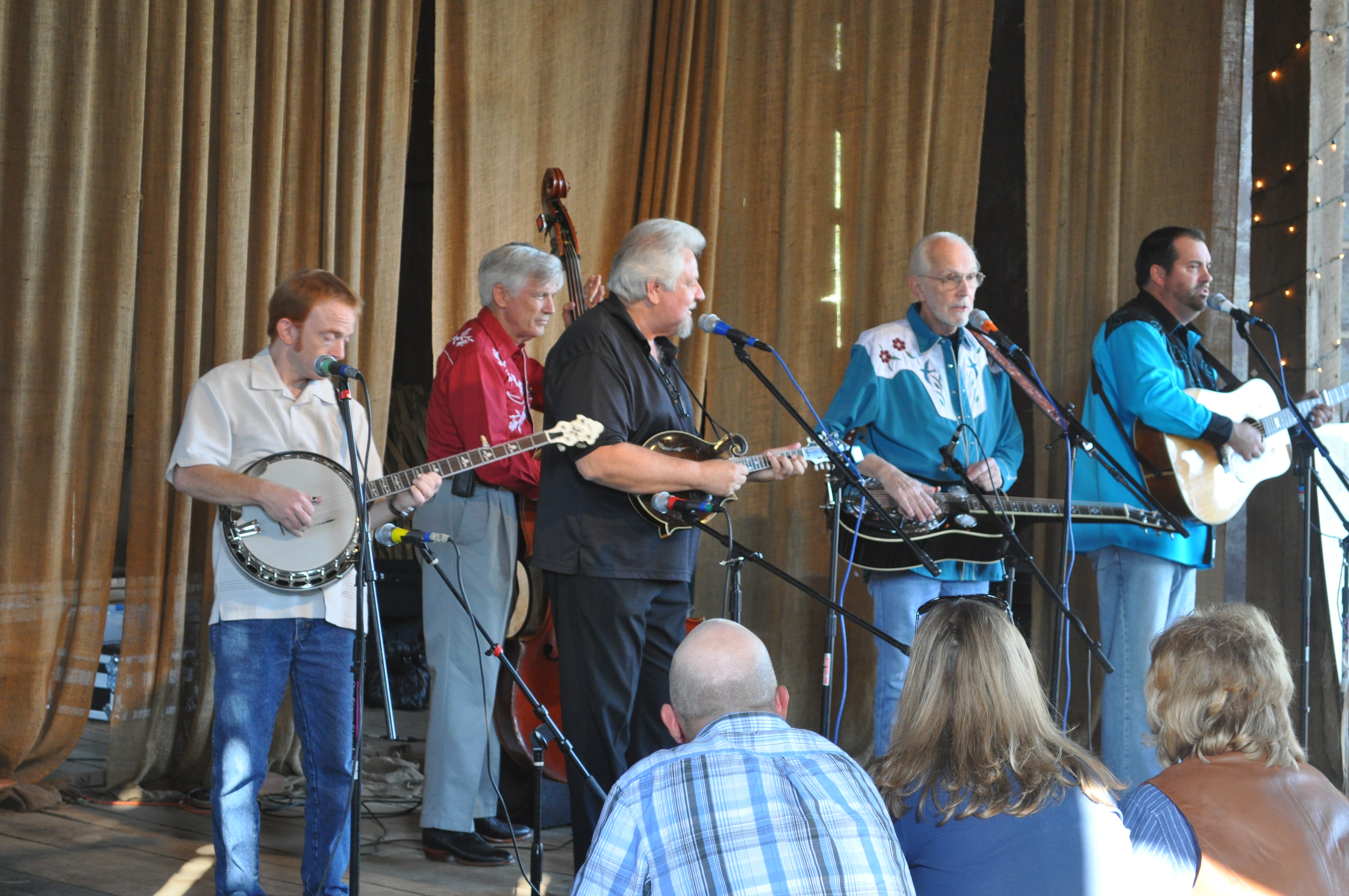
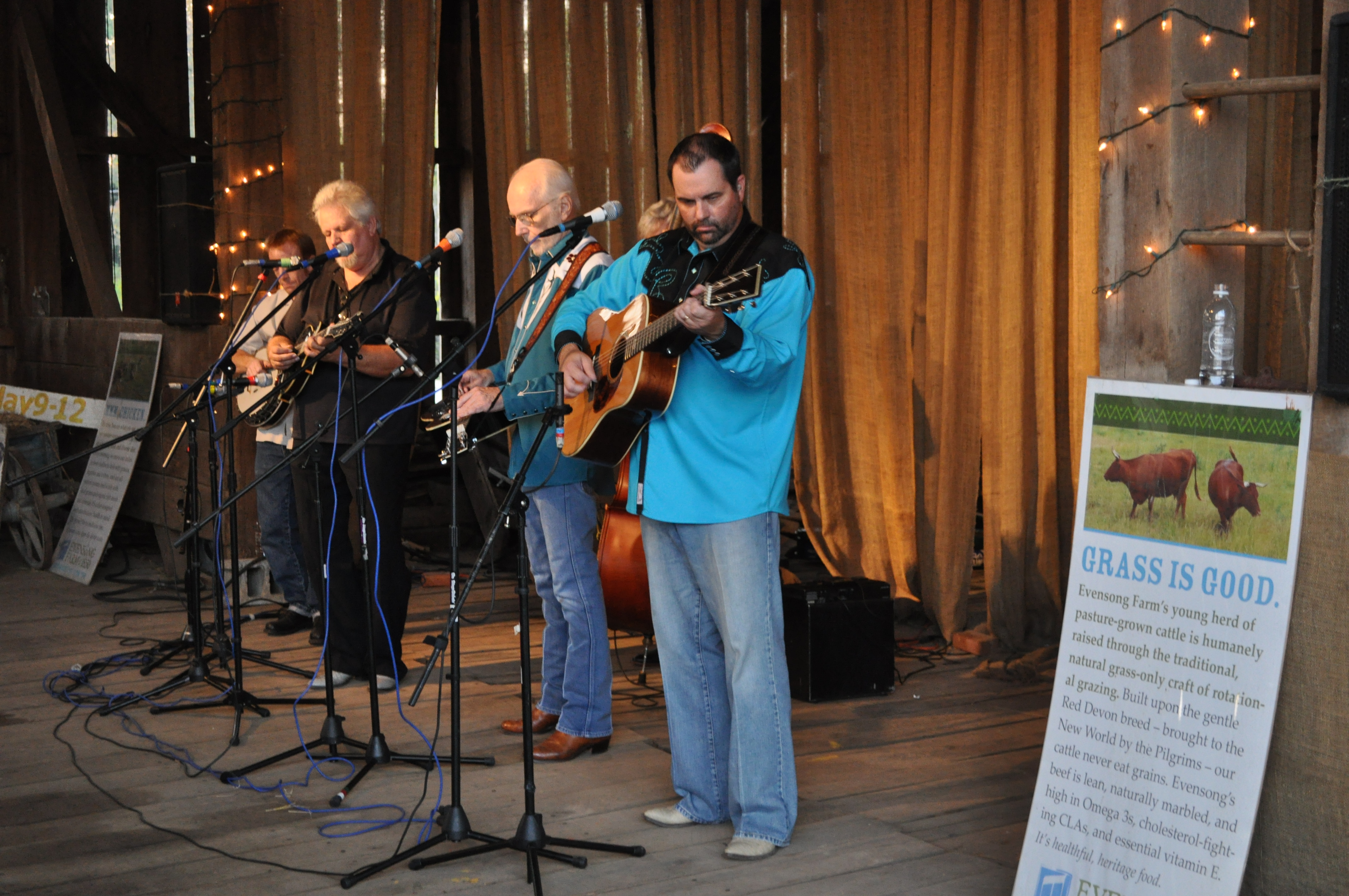
With Off The Wagon in NashvilleEarlier this week, fellow preservationist and bluegrass lover David Price came up at the National Preservation Conference and invited me to sit in with his band, Off the Wagon, when they played the Southern Regional Reception on Thursday evening.

I jumped on the wagon!

Off the Wagon is a good young bluegrass band in Nashville (the next night they were playing at the world-famous Station Inn).  So as you can see from the photos, I enjoyed the chance to sing and play Sitting On Top of the World.

Twas in the spring, one sunny day, My good gal left me, Lord, she went away,

And now she’s gone, but I don’t worry, “Cause I’m sitting on top of the world.

The band helped cover my mistakes (and my lapses in memory) and I had a great time.  Lots of friends and colleagues from our Southern Regional Office and beyond had a chance to enjoy it as well.

I’ve inserted a video of Off the Wagon – without the interloper – playing New Camptown Races. Enjoy.

More to come…

DJB

With Off The Wagon in Nashville  9 101409

From the Stage of the Ryman Auditorium…

On the Stage at the Ryman

Even for a guy who gets to work with some amazing people and visit some of the country’s most wonderful historic places, yesterday was an extraordinary day.  (And not just because I passed 10,000 visitors to More to Come…the DJB Blog – thank you readers.)

Nope, the picture says it all.  I was privileged to open the National Preservation Conference from the stage of the historic Ryman Auditorium.

For a bluegrass loving preservationist to have a chance to speak from the place where Earl Scruggs came onstage some 60 years ago with Bill Monroe to play White House Blues and give birth to bluegrass music was an honor.  To be able to tell 2,000 conference attendees why this place matters was a thrill.  To be able to hear the bluegrass I’d chosen over the Ryman’s speakers for the 30 minutes before we kicked off the conference was just a rush.  I knew it was going to be a great evening when the Laurie Lewis tune Who Will Watch the Home Place? – with its haunting acappella chorus at the end – was the last song played just before I stepped on stage.  What a perfect bluegrass sentiment for people who work to save – and watch – home places all across the world.

Playing for the Patrons DinnerI also had a little fun later in the evening, when I joined my brother Joe (on bass) and my colleague at the National Trust Brian Turner (on banjo) to play a couple of old-time tunes (Over the Waterfall and Angelina Baker) for the patrons of the conference.  We played at Union Station in a beautiful room with live acoustics.   It was the perfect cap to the afternoon and evening.

More to come…

DJB

Sleep is Overrated When You’ve Got Music to Fuel the Soul

Open Back BanjoAt the end of a busy first day at the National Preservation Conference in Nashville, I took off to the Grand Ole Opry House with about 20 close friends for the taping of a PBS special celebrating 40 Years of Rounder Records.  (Look for the show on March 10, 2010.)  While it started late and ended even later, it was an amazing evening of music.

Here’s just a few highlights:

  • Nathan and the Zydeco Cha Chas playing that great accordion-driven dance music from Louisiana, where the “crawfish got soul and the alligators got the blues.”  My accordion-playing friend Jim Harrington would have loved it.  As my colleague and seatmate  Caroline Barker said, “If I could move my feet like Nathan and the Zydeco Cha Chas I’d be a dancer instead of a preservationist (perhaps).”
  • Bela Fleck and Abigail Washburn singing and playing Keys to the Kingdom.  I heard them do the tune at Merlefest, but it was even better in the controlled setting of the Opry House.  Then Bela and Jerry Douglas played a duet just to prove they are two of the best musicians on the planet.
  • Mary Chapin Carpenter, a relative newcomer to Rounder, singing a great song, Grand Central Station, written just after 9/11.  As my friend and colleague Dolores said, she’s a preservationist.
  • Alison Krauss + Union Station Featuring Jerry Douglas (longest band name ever) were just perfect.  Perfect.  The harmony between Alison and Dan Tyminski is a wonderful thing to hear, and then Jerry Douglas just adds another voice with that heavenly Dobro.  Alison also has the wackiest stage humor ever, which was egged on last night by hostess Minnie Driver.

I knew all those performers and had seen all by Nathan Williams live.  The singer I didn’t know was New Orleans soul queen Irma Thomas.  What a set of pipes!  What a stage presence!  What a band!  If you don’t believe me, just take a listen to the video below where she sings her first big hit (which closed out her show last night) You Can Take My Husband, But Please Don’t Mess With My Man.

Keys to the Kingdom indeed!

More to come…

DJB

Union Station: A Personal History and a Preservation Success Story

Union Station NashvilleHaving just arrived in Nashville for the 2009 National Preservation Conference, I find myself in the lobby of the Union Station Hotel waiting for a room and for my meetings to begin.  That left me time to think…which can be dangerous.

Union Station is a Nashville landmark.  It is a beautiful old pile of a building and the lobby (see photo) is stunning.  But I think it is a landmark and was – in the end – saved from the wrecking ball because it has so many personal connections to people in Middle Tennessee.  Take me, for instance.

My parents were part of the post-war (WWII) marriage boom that begat the well-documented baby boom.  Both were from the small town of Franklin, located about 20 miles from Nashville.  My father had just graduated from Vanderbilt and he and my mom were married in the First Baptist Church in Franklin.  Before beginning his life-long career with the Tennessee Valley Authority, my father and his new bride had a honeymoon to take.

Luckily, they had relatives (my father’s sister) in Chicago, so they came to Union Station – like so many honeymooners, soldiers, businessmen (in those days), and families before them – and boarded a train bound for Chicago.  I’ve heard stories my entire life about the plays they saw in the city, visiting Wrigley Field to see the Cubs (that must have been how I got those baseball genes), and so much more.  But the stories always begin with that train ride from Union Station.

That’s why preservation is important.  It helps save the places that matter to people. When I wrote the following in an op-ed in today’s The Tennessean newspaper, this is what I was referring to:

I have fond memories of growing up on Main Street in Murfreesboro, where our town square, library, school, grocery store and church were just a few blocks away. Much like East Nashville today, my hometown was designed in a way that connections between people were reinforced by everyday communications and interactions. It matters how we build our communities and how we preserve them.

Almost every preservation success story like Union Station has a thousand or more personal stories holding them up.  I just happen to be in the lobby of the place that launched my personal history and that of our family.  That’s why they are worth fighting for and saving.

More to come…

DJB

UPDATE:  I didn’t quite get all the “facts” straight in this post, according to my father, the engineer.  I was comfortable with “perhaps not factual but true.  You can see the factual version here.

Union Station Nashville TPM

Preservation Roots Music

I’m headed to Nashville this week for the National Preservation Conference where we’re sure to hear great preservation stories and good music.  Putting the two together, I have collected some Americana and roots music for the conference staff to use prior to the Opening Plenary.

I kick off the set with the Martha White Theme (just seemed appropriate given the setting).  However, finding preservation-based roots music can be tough.  Most country songs that mention “home” generally deal with the loss of mother and dad or a true love – but not too much about the loss of the actual building.  So most are instrumentals.  The set does include that preservation bluegrass classic The Old Home Place by J.D. Crowe and the New South.  However, my favorite is the Jim Lauderdale/Ralph Stanley Highway Through My Home. In honor of the Overton Park (Memphis) and 710 Freeway (California) battles…and so many more…click on the video below and enjoy.

More to come…

DJB

Wright in Wisconsin

Wingspread Over the past two days the National Trust Council has toured a remarkable collection of Frank Lloyd Wright architecture located in Wisconsin.  Along the way we saw icons and surprises.

The surprises came first.

We went to see a grouping of six houses on Burnham Street in Milwaukee that were designed by Wright in 1916 for what today would be called “affordable housing.”  I knew about his later Usonian houses, such as the National Trust for Historic Preservation’s Pope-Leighey House, which were focused on the same audience.  But decades earlier Wright designed over 950 plans for “American System Built Homes.”  Approximately 25 were built and six survive along Burnham Street.  The Wright in Wisconsin organization owns several and has restored one which is open to the public.  It provided us with a fascinating look at how Wright approached architect-designed houses on a budget, as you’ll see in the photos below.

Yesterday we visited three more Wright buildings.  The first was Herbert Fisk Johnson’s home in Racine, Wingspread.  This was Wright’s “last” Prairie style home and it is truly magnificent with incredible light.  Special features:   the central core of the building from which four wings radiate, the cantilevered bedroom for the Johnson’s daughter, and the glass cupola where the children could climb and see their father fly over the house in his plane.   The house became a conference center in 1961 and the stewardship of this property is superb.

We then traveled down the road in Racine to visit the iconic Wright-designed campus of the S.C. Johnson Company.  The Administration building and the  research tower are world-renown architectural masterpieces, commissioned by H.F. Johnson and completed in 1939 and 1950 respectively.  The company is now constructing “Project Honor” – a Norman Foster-designed complex – on the campus next to the Wright buildings.

We ended our tour of Wright in Wisconsin last evening in Milwaukee at the Frederick C. Bogk House, a privately-owned home designed the same year as the Burnham Street houses.  This is a wonderful transitional Wright design where you can see the uses of concrete that shows up later in California homes such as the Ennis House.

The past two days included this wonderful introduction to Frank Lloyd Wright’s work in his home state.  (Many people mistakenly think he was from Chicago.)  As always, scroll over the photos to see the captions.  Enjoy these photos of Wright in Wisconsin.

More to come…

DJB

FLW's American System House on Burnham Street in Milwaukee - Exterior

FLW's American System Houses in Milwaukee 100209 014

Wingspread Panorama

Wingspread View from the Front

Wingspread Center Core

Wingspread - Light in Central Core

Wingspread Dining Room Table

Wingspread Staircase to Glass "Crow's Nest"

Wingspread Bedroom

SC Johnson Company Administration Blgg

SC Johnson Company HQ - Research Tower

Frederick C Bogk House

Frederick C Bogk House Interior

Milwaukee City Hall – Looking Back, Looking Forward

Milwaukee City Hall If Calatrava’s Milwaukee Art Museum is a symbol of the city’s optimism for the 21st century (see my previous post), then the City Hall is a fine example of the community’s spirit and optimism for the 20th.

But not content to remain in the past, City Hall is primed – after a 1988 interior restoration and a beautiful exterior restoration completed in 2009 – to showcase this unheralded gem of a midwestern city.

We were meeting across the street yesterday morning at the Pabst Theatre – another fine preservation project – when a number of us walked over to see what a colleague described as “an atrium you don’t want to miss.”  Man, was he right!

The pictures here don’t really do the interior justice, but you’ll just have to take my word.  This well in the central section of the building in the portion behind the tower is 20 feet by 70 feet and rises the full eight floors.

Enjoy the photos of City Hall (plus one I’ve thrown in of the Pabst Theatre).  We’re touring some of Frank Lloyd Wright in his native Wisconsin during this trip, so look for some FLW in an upcoming post – including one set of houses that may be a surprise for you.

More to come…

DJB

Milwaukee City Hall Exterior View

Milwaukee City Hall Atrium Looking Down from the 8th Floor

Milwaukee City Hall Skylight

Milwaukee City Hall View From the Ground Floor

Pabst Theatre

Moved by Santiago Calatrava’s Milwaukee Art Museum

Oh my…what a building, what a sculpture, what a space, what an experience!  The power of place indeed.

Just two weeks after seeing his bridges in Dublin, I had the opportunity to visit the Santiago Calatrava-designed Milwaukee Museum of Art today.  I had seen the building on a drive-by a few years ago, but this was my first time to see it both inside and out.  The internet is awash with both images and verbiage about this wonderful space.  I’ll only quote the dean of the school of architecture at the University of Wisconsin-Milwaukee (and a member, along with our host, of the selection committee for the building) who told our tour group today,

We got Calatrava when he was unknown and yet at the peak of his creative powers – sort of like the early Beatles, before they became superstars and started adding too many orchestrations.

What you’ll see below is a series of photos showing the “flapping” of the beautiful white wings (really a sunscreen)  from open to close.  Extraordinary as that sounds, I was prepared for that sight.  What I wasn’t prepared for was the beauty and gracefulness of the interior space.  And I certainly wasn’t prepared to see the most elegant parking garage on the face of the planet (at least as I’ve seen it.)
This building opened shortly after 9/11, so much of the world’s attention was elsewhere.  It has worn well over the decade and still remains a remarkable statement about the genius of an architect/engineer/artist and the vision of a community often described as industrial and conservative.

Enough rambling…enjoy the photos and, more importantly, consider a trip to Milwaukee to see this place.

More to come…

DJB

Calatrava's Milwaukee Art Museum Front View
Calatrava's Milwaukee Art Museum Wings Open
Calatrava's Milwaukee Art Museum - Wings on the Way Down
Calatrava's Milwaukee Art Museum With the Wings Almost Completely Lowered
Calatrava's Milwaukee Art Museum with the sunscreen lowered
Calatrava's Milwaukee Art Museum View Toward the Lake
Calatrava's Milwaukee Art Museum View of the Closed Sunscreen from Inside
Calatrava's Milwaukee Art Museum View of the Wing from Inside
Calatrava's Milwaukee Art Museum - The Cathedral-like Connections to the Gallery
Calatrava's Milwaukee Art Museum
Calatrava's Milwaukee Art Museum and the remarkable parking garage
Calatrava's Milwaukee Art Museum View to the Lake