Americans have long prided themselves on being a democracy that has not devolved into an empire. Our origin story tells how we threw off colonial rule to set our own course in history. And we are quick to point to legitimate efforts to support other countries, be it the Marshall Plan following the destruction of World War II or JFK’s Peace Corps.
But as is the case with most national myths, the truth is much more layered and complicated. Take the Cold War, for instance. While the battle between the U.S. and Russia began in Europe, from the early years much of the conflict “took place in precisely those regions of the world that the Europeans had competed for during the age of the New Imperialism.”
In fact, viewed from the perspective of those regions, the Cold War looked a lot like a traditional imperial rivalry, just bigger and with different protagonists. It was perhaps only to be expected, therefore, that the tactics adopted by Americans in the contest for what they called (using a French coinage) the ‘Third World,’ such as covertly working to overthrow governments deemed hostile to US interests or using counterinsurgency to defend others regarded as friendly, resembled and sometimes even borrowed directly from those of the European colonial powers.”
And just as those European colonial powers discovered, actions taken halfway around the world in some country that most Americans couldn’t locate on a map “had a way of boomeranging home, affecting domestic US life in a myriad of unexpected ways.”
We forget this layer of history at our peril.
The CIA: An Imperial History (2024) by Hugh Wilford sheds important and eye-opening light on an agency shrouded in secrecy and cloaked in conspiracy theories. With memorable characters, eloquent prose, and a well-researched story, Wilford’s new work will appeal to both scholar and the general public. This is a thoughtful look at a little-understood aspect of the CIA’s history—its ties to European empires and America’s own imperial instincts.
Wilford notes that there are many excellent histories of the CIA. The scholarship around American empire—or America in the world—is also growing, and in this latter category he calls out for special recognition Daniel Immerwahr’s excellent How to Hide an Empire: A History of the Greater United States which I enthusiastically reviewed in 2020. But none of these works, in Wilford’s estimation, brings the two subjects together. This book is his attempt to make that connection.
Wilford begins with a look at the imperial precursors to the CIA including Napolean; the British secret services, M15 and M16; spy novels by Rudyard Kipling which spun romantic tales of the exploits of spies in faraway lands; and of intelligence legends such as T.E. Lawrence (aka Lawrence of Arabia). The early founders of the CIA either came from or often molded themselves on a social class that already shared British imperial values.
While the book follows a rough chronological order, its focus is more on the themes that will help us understand Wilford’s thesis. Looking at the era of the 1940s into the 1970s, he considers intelligence gathering (the Agency’s original postwar function) and how it grew, especially with the help of some old colonial powers. Regime change and regime maintenance come next, American activities we saw in spades in Southeast Asia, Central and South America, and Africa. Moving more to the home front, Wilford then examines counterintelligence, publicity, and those unintended consequences that always seem to boomerang back on the domestic front. The book ends with an update to the “Global War on Terror” and the CIA’s role in the fiascos and occasional successes in the past twenty-plus years since they missed the gathering threat of Osama bin Laden and 9/11.
For each of these chapters, Wilford selects an individual officer to represent the type of operation in question. This makes the thesis easier to follow and puts it into a context for many readers not especially familiar with the subject matter.
As long as we have been a country, Americans have had parts of the government that spied on both the enemy and suspected traitors, especially during wartime. Wilford makes the case that when the United States defeated Spain in the 1898 Spanish-American war and annexed several Spanish island colonies in the Caribbean and Pacific, it was a small but important step in cementing “in positions of power within American society a distinct imperial class of citizenry that consciously borrowed its values from the British Empire: an elite of white Anglo-Saxon Protestant men inculcated with the ideals of imperial manhood at a select group of eastern seaboard schools.” It was from this class, alongside the children of missionaries (“mish kids”) who had a strong anti-colonialism bias, that the CIA recruited its first cohort of leaders.
After the end of World War II, with the collapse of the colonial empires and the rise of Russia as a nuclear-armed superpower, the CIA was born. Created during the administration of President Harry Truman, who was naturally suspicious of secret government power and later confided to an interviewer that he had come to think of his creation of the CIA as ‘a mistake,’ the Agency at first was surprisingly reluctant to employ its new covert capabilities, perhaps because of the mish kids influence. But that quickly changed because of the leadership of several early founders of the CIA who came more from the British “imperial manhood” mold.
The story Wilford unfolds is riveting and bipartisan. Presidents of both political parties engage in covert activities, some of the most egregious in terms of the boomerang effect being Ike’s engagement through the CIA in Iran, JFK’s fixation on Cuba, Johnson’s undercover work to build up our presence in Southeast Asia, and Reagan’s Iran-Contra shenanigans.
At a time when we are debating the importance and very future of democracy, The CIA: An Imperial History is timely, informative, at-times deeply troubling, and an altogether vital work about the often unintended and disastrous effects of unaccountable power.
Labor Day began on September 5, 1882, when between 10,000 – 20,000 workers in New York City celebrated the first holiday with a parade, speeches, beer, and picnics.
“Their goal was to emphasize the importance of workers in the industrializing economy and to warn politicians that they could not be ignored. Less than 20 years before, northern men had fought a war to defend a society based on free labor and had, they thought, put in place a government that would support the ability of all hardworking men to rise to prosperity.
By 1882, though, factories and the fortunes they created had swung the government toward men of capital, and workingmen worried they would lose their rights if they didn’t work together. A decade before, the Republican Party, which had formed to protect free labor, had thrown its weight behind Wall Street.”
In 1882 the New York Times “denied that workers were any special class in the United States.” The growing inequality in the country “was a function of the greater value of bosses than their workers, and the government could not possibly adjust that equation,” or so thought the Times.
The wealthy—through corporate-owned media—haven’t changed their tune in almost 150 years. *
With promises to protect workers’ rights, Grover Cleveland was elected to the White House in a landslide in 1892. But the Republican party of the day joined forces with wealthy corporations and business owners to tank the economy just before he took office. To recover the country’s economic footing, Cleveland and the Democrats had to abandon their pro-worker platforms. Thanks to the willful destruction of the country’s economy by one of our political parties (sound familiar), creation of a national Labor Day holiday, building on that 1882 foundation, was about all that the country’s working class got for their support.
Capital continued to hold the upper hand nationally until the Great Depression and the election of Franklin Roosevelt in 1932—campaigning with the joyful theme of Happy Days Are Here Again. While corporations and the wealthy strongly opposed Roosevelt, this time the overwhelming support of the country—along with an indominable Secretary of Labor, Frances Perkins working with the strong support not only of FDR but also First Lady Eleanor Roosevelt—brought the modern Democratic Party solidly in the pro-worker camp.
Perkins, a long-time advocate for workers and the poor, was shocked by the 1911 Triangle Shirtwaist Fire in New York City, where 147 young people—mostly young immigrant women—died after being caught locked in a burning factory. Their deaths came either from their fall from the factory windows or from smoke inhalation.
Triangle Shirtwaist Factory building after deadly 1911 fire that killed 147 workers
As the country’s longest-serving Secretary of Labor, Perkins was a driving force in urging the government to spend $3.3 billion on schools, roads, housing, and post offices, employing more than a million people in 1934.
“In 1935, FDR signed the Social Security Act, providing ordinary Americans with unemployment insurance; aid to homeless, dependent, and neglected children; funds to promote maternal and child welfare; and public health services.
In 1938, Congress passed the Fair Labor Standards Act, which established a minimum wage and maximum hours. It banned child labor.
Frances Perkins, and all those who worked with her, transformed the horror of the Triangle Shirtwaist Fire into the heart of our nation’s basic social safety net.
However, in the 1960s, 70s, and 80s, the Democratic Party lost its historic touch with the working people of this country. Republicans, who after their founding based on free labor never again cared for the working class, swooped in with culture war fears to gain a foothold among that critical block of voters and citizens. Donald Trump, the least likely champion for the working class ever, made the hypocrisy of the Republican position very real.
When oligarchs are in control, you see how they push back against the gains of workers. Jeff Bezos won’t be giving his Whole Foods workers any special time off for the holiday, because that would cut into his already obscenely high profits.
Do you see any difference in the hours for Labor Day? Nope, I don’t either.
President Biden began to aggressively push the Democrats back to an embrace of this historic partnership, but it has been the Harris-Walz ticket that has articulated the links in ways new and historic, fresh and yet rooted in tradition. Democrats have returned to their modern roots.
Just last year Governor Walz signed one of the most sweeping pro-worker legislative packages seen in the U.S. in decades. It includes paid family leave that provides workers with 12 weeks partial pay to care for a newborn or sick family member plus another 12 weeks to recover from a serious illness (with time off capped at 20 weeks a year).
As Axios phrased it, the Walz pick excited advocates for the “care economy.” Harris has made policies like childcare support and paid family leave a pillar of her campaign.
As the country did before 1981, Harris and Walz are promising to continue Biden’s focus on supporting a strong middle class rather than those at the top of the economy. They are building on this economic base to recenter the United States government. Harris and Walz have tapped into a deep sense of community that speaks volumes about their support for labor and the working class. They see the country “not as a community defined by winners and losers, but as one in which everyone has value and should have the same opportunities for success.”
It is about helping and picking each other up rather than looking out only for yourself.
Happy Labor Day everyone.
More to come . . .
DJB
*UPDATE: For those who like their history in more easily digestible bites, try this:
I sat down on Thursday evening and watched CNN for the first time in years. My expectations were low because I follow the dictum of my friend and brilliant reader Dolores * who says, “low expectations are the key to happiness.”
I was, of course, there to watch the HISTORIC, FIRST EVER INTERVIEW (snark warning) with VP Kamala Harris and Governor Tim Walz.
It was about as I expected.
The corporate and legacy media harped on Joe Biden for months that he needed to sit down and do a “tough, one-on-one interview” with a real journalist. Preferably with the New York Times, which wants us all to believe that it is the true gatekeeper of deciding who is eligible to run the country. But their years-long romance with Donald Trump while avoiding dealing with any meaningful policy positions (he has none) or disqualifying character issues (he has too many to list here) and the relentless “but her emails” attack on Hillary Clinton long-ago disqualified them from claiming any positive role in our elections.
For Thursday evening’s interview with CNN “journalist” Dana Bash (more on that in a moment), Kamala and Tim did just fine. They were polite and in good spirits, they answered every question, and they showed a real grasp of the issues (not that the questions did).
I thought Harris did an especially good job in two key areas. As Marcy Wheeler observed, “Kamala is not eschewing the incumbency she has as Vice President. On the contrary, she is running on a continuation and expansion of Joe Biden’s successful policies (even if journalists are missing that).” She’s a better salesperson for Biden’s accomplishments than he is. Biden is very good at being president but is less skilled at touting what he’s accomplished.
Second, Harris has found a way to wrap democracy and American exceptionalism in a forward-looking, joyful, bipartisan flag. In place of the American carnage that Trump sees around every corner, she and Walz see the goodness of the American people and the possibility of living together and growing in community.
Harris and Walz demonstrated why they have the momentum on their side. They are normal, and that feels great in the face of over eight years of Trump’s assault on basic norms and human decency.
Of course, they have to do all of this even as they deal with really dumb questions. Dana Bash, to put it bluntly, is not a serious journalist. “She’s a gotcha generator.”
She asked the obligatory “what will you do on the very first day of your presidency” question. But there were four (at least) worthless questions that drove me crazy.
First there was this:
“Madam Vice President, Donald Trump says you only recently became Black. What is your response?”
Who cares? What is Harris going to say, that Trump is “a racist? We already know this.” What’s the point?
Harris had a perfect response.
“Same old, tired playbook. Next question, please.”
Then there was the disingenuous question, as in why Harris, as Vice President, hasn’t somehow already fulfilled all her policy priorities, without mentioning a hostile House of Representatives or right-wing SCOTUS. Does Dana Bash understand how our system of government works? Apparently not.
Or Bash’s desire to say that Tim Walz can’t be trusted because he said he and his wife used IVF when in fact they used IUI.
“IVF has become a catch-all phrase for any medically assisted pregnancy. Yes, IUI—the procedure the Walzes used—is technically not the same thing as IVF, but . . .you might as well scream at people who say please hand me a Kleenex when can’t you see it says Scott Tissues right on the box?”
Then she wants to litigate over-and-over again, some perceived change in the candidates’ position. “Here’s what you said five years ago, here’s what you said now, why did you change.” Donald Trump “routinely changes positions on major issues in the middle of a sentence—and nobody in the press bothers to say boo.”
Donald Trump is not a serious person and most of the members of our corporate political press are not serious journalists. But the damage they both can do is very real and dangerous.
Mark Sumner observed that when the New York Times’ “7 Takeaways” article includes that Harris “struggles to be punchy off the cuff,” Walz “is good at sitting and smiling,” and that Bash was hampered because the small table made it hard for her to be tough on Harris, “you could feel the outlet’s disappointment.”
Now that she’s had the interview with CNN, the press who have been screaming why won’t Kamala talk to us will just move on to their next manufactured grievance.
As Jeff Tiedrich has written (warning: salty language), the media can’t cover this story, or much of anything else, because their brain is broken.
Take a look at these two headlines. Can you spot the difference?
“All that crap that rocketed out of Donny’s mouth at the Republican convention? Those were just claims. But Kamala? False and misleading.“
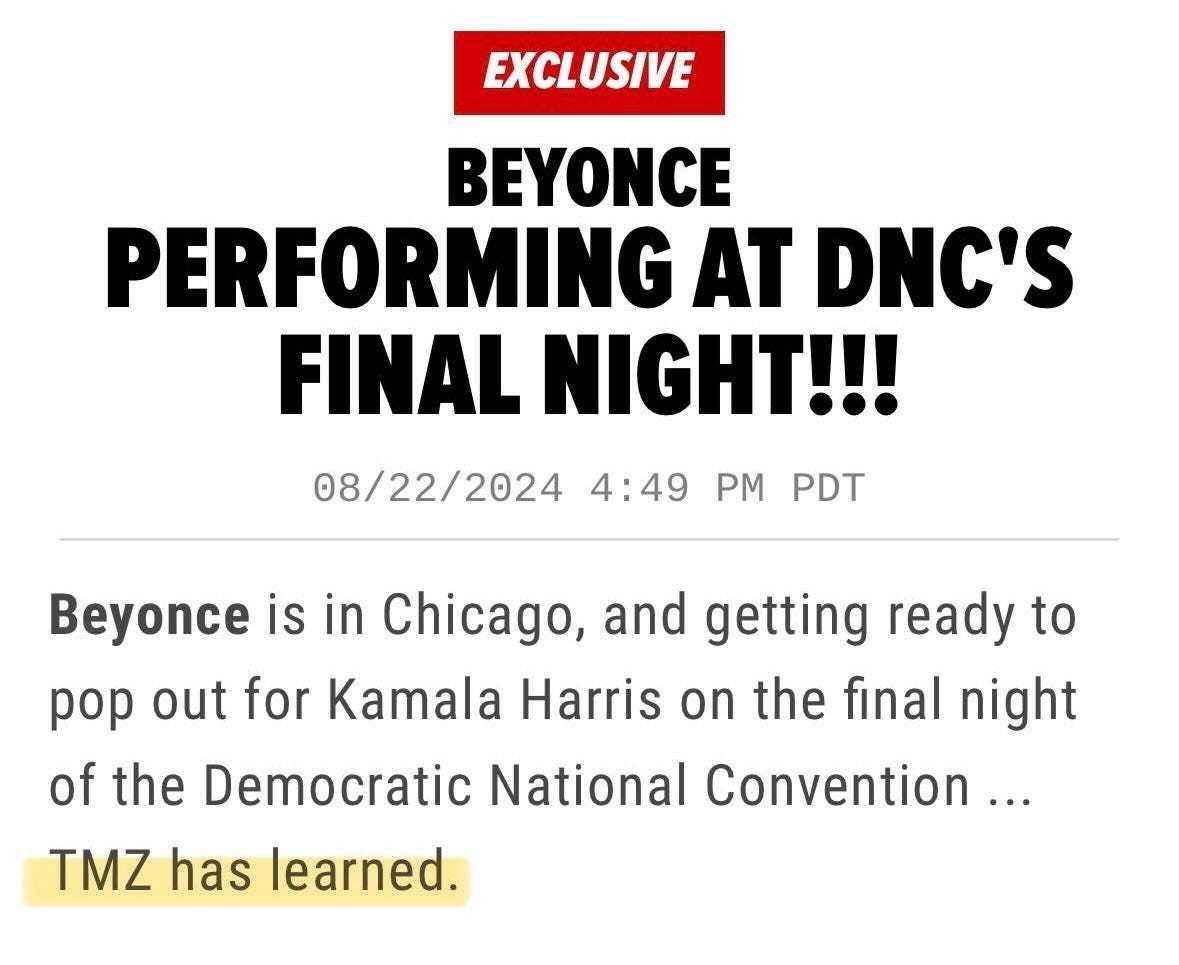
Here’s another set of dueling headlines. Both of these things cannot be true at the same time. Given the history of the country’s “paper of record,” I’m going with the LA Times.
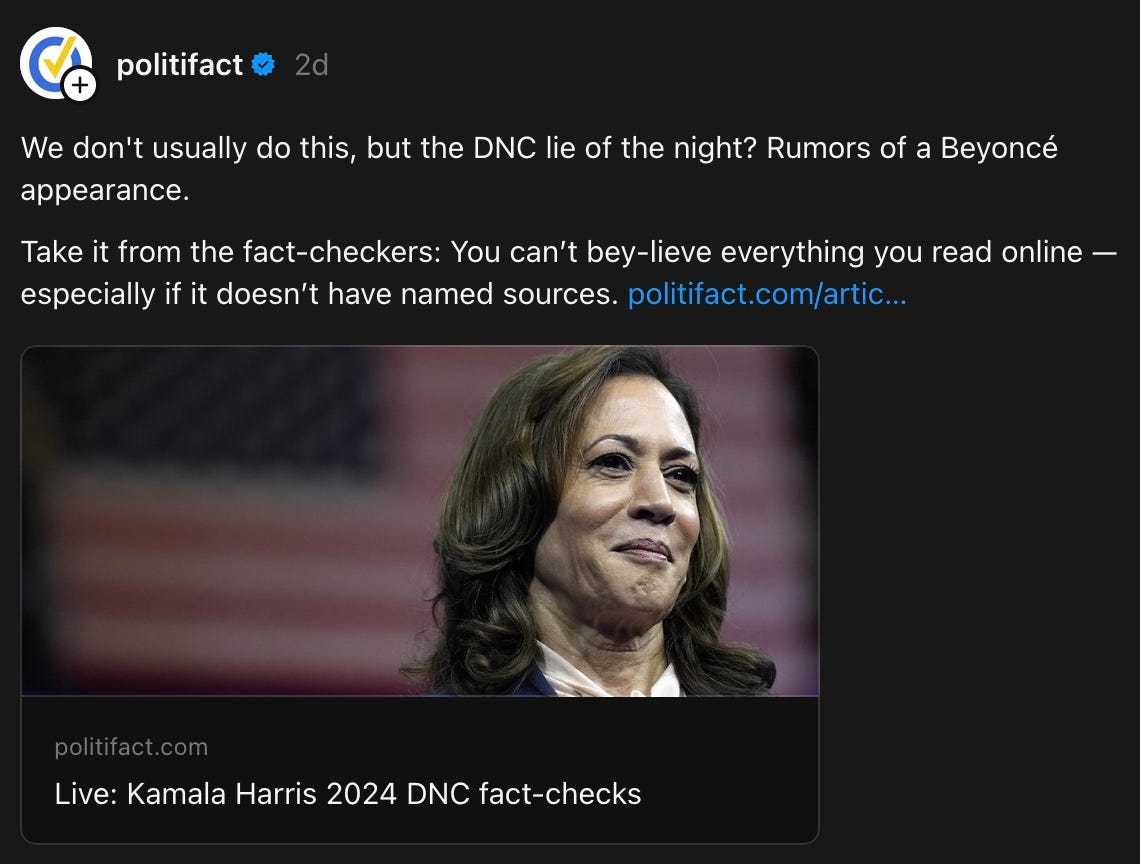
“Politifact is mad at the Democrats because Beyoncé never made an appearance at the DNC . . . however: the Dems never said Beyoncé was going to be a surprise performer. The whole thing was a complete fiction promulgated by—you guessed it—the press.“
Unbelievable. Just unbelievable.
A few weeks ago, brilliant reader Carol—in a play on the Washington Post tagline that “Democracy Dies in Darkness”—wrote a comment to one of my essays that said, “[s]o much of the recent reportage by even (previously) respected media raises the threat of democracy as dying not so much ‘in darkness’ as in drivel and distortion.”
I’ve seriously had it with our corporate political media and their dangerous unseriousness. And since it is Saturday—soundtrack day here on MORE TO COME—it seemed appropriate to end with a “you can rest assured I’m gone” song. No one does it better than Dolly.
More to come . . .
DJB
*H/T to Joe Posnanski for the great descriptor for those who read and comment on this newsletter.
A summary of the August posts from the MORE TO COME newsletter.
August vacations are a tradition in Washington. However, an August political convention—which comes every four years—disrupts the normal rhythms of a Washington summer.
At the beginning of the month I was wrapping up a two-week international trip and returning home to a dramatically changed election dynamic just before the Democratic National Convention. Those two events were clearly on my mind, showing up multiple times in MORE TO COME newsletter posts.
Let’s jump in and see how travel and politics surfaced in the August offerings.
TOP READER FAVORITES
In late July and early August I served as a Study Leader on a National Trust Tours trip to Scandinavia and the Baltic Sea. The three posts about that trip were far-and-away the top reader favorites this month.
Looking skyward through the Sebelius monument in Helsinki, Finland
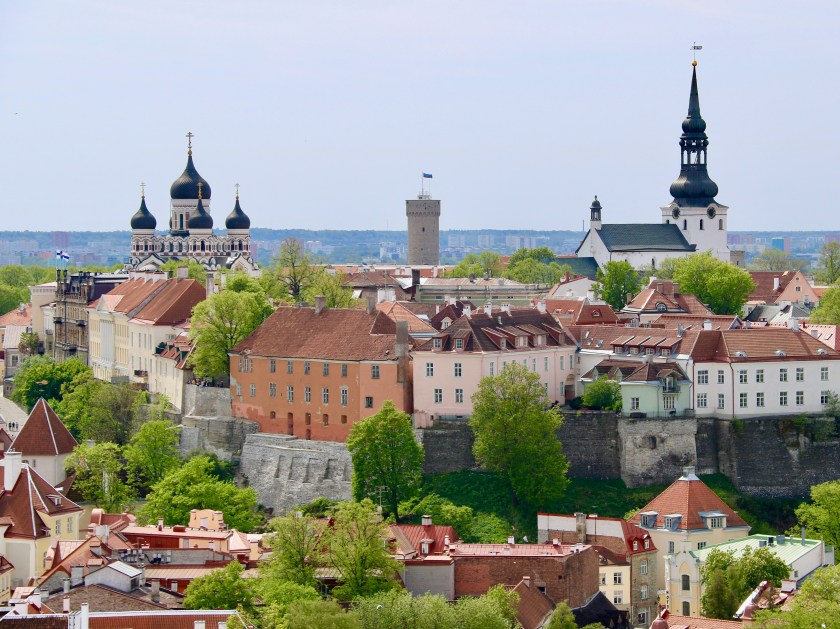
We visited eight harbor cities in seven countries on our trip. Rapid expansion, fluidity, and change are typical of ports, creating challenges for traditional approaches to preservation. In A tale of two harbor cities, I looked at two distinct yet lively attitudes toward the marriage of past and present in cities at opposite geographic and cultural ends of the tour: Copenhagen and Tallinn.
A day of exploration filled with wonder, new perspectives, and joy seemed only appropriate in a country that for the tenth year in a row took top honors as the world’s happiest. Finlandia! is my post about taking in the wonders of Helsinki.
As is my custom on these trips, I pull together a range of photos and impressions for a wrap-up post. Enjoy the Scandinavia and Baltic Sea version in Observations from . . . cooler climes.
JOY IS, IN FACT, A POLITICAL STRATEGY
The New York Times had to prove its cluelessness once again by posting a recent column headlined Joy is Not a Strategy. My immediate response was to think, “Gee, I guess FDR—who was elected President FOUR times beginning with the theme ‘Happy Days Are Here Again’—never got that memo!” A better rebuttal in the FrameLab newsletter entitled Kamala Harris and the strategy of joy shoots down that nonsense.
The joy that comes from seeing the creation of a new, national program for democracy came through in three posts this month.
While we’ve all been feeling discouraged by our political discourse, author/activist Valarie Kaur reminds us darkness can also be part of a new beginning. In The darkness of a womb, I consider how out of travail something new can be born.
Rabbi Sharon Brous called on us, as we craft a redemption story for America, to “be guided by hope, joy, and a fierce moral imagination.” I am amazed at how many people tuned in to the DNC, where each individual found different speakers and events to spark their fierce moral imagination. In Recovering the roots of American democracy, I provide a few personal highlights that sparked mine.
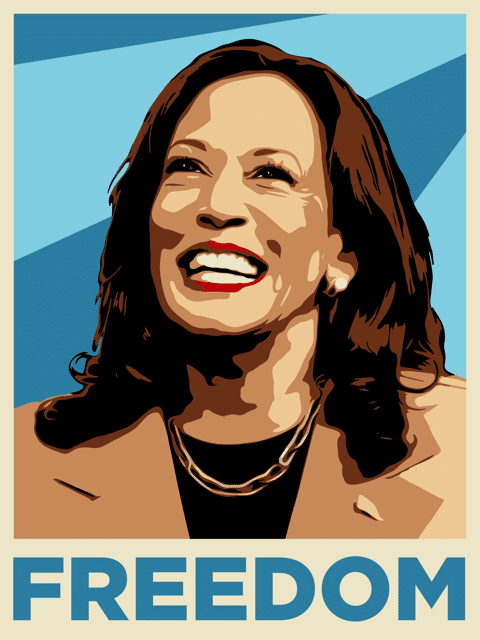
Joy is a strategy, but the major theme of the campaign is freedom. This moral value is certainly a time-tested political strategy. I explore this theme and have a little fun in the process in Freedom.
OTHER OBSERVATIONS
Here’s the rest of what caught my eye on MORE TO COME in August.
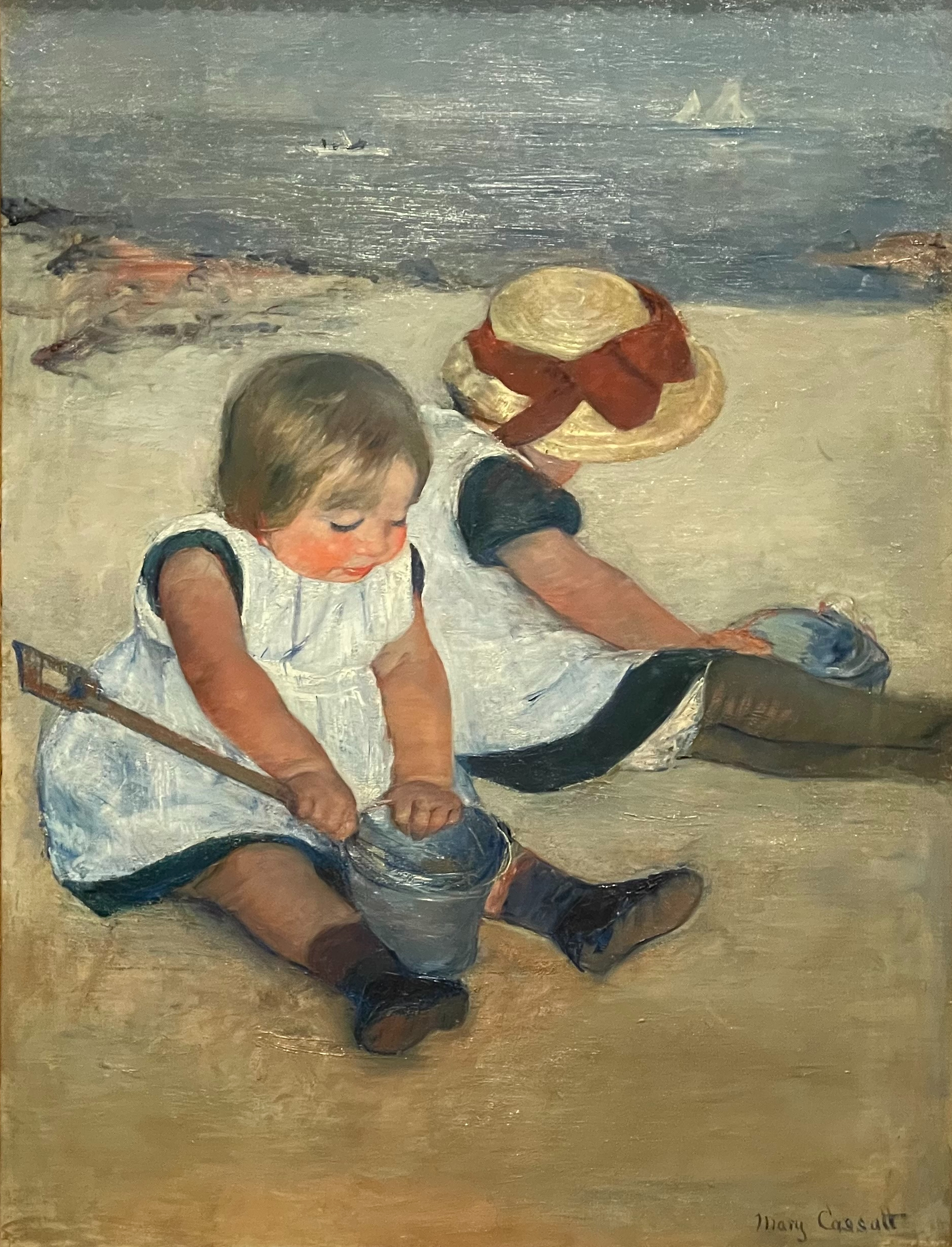
Children Playing on the Beach by Mary Cassatt
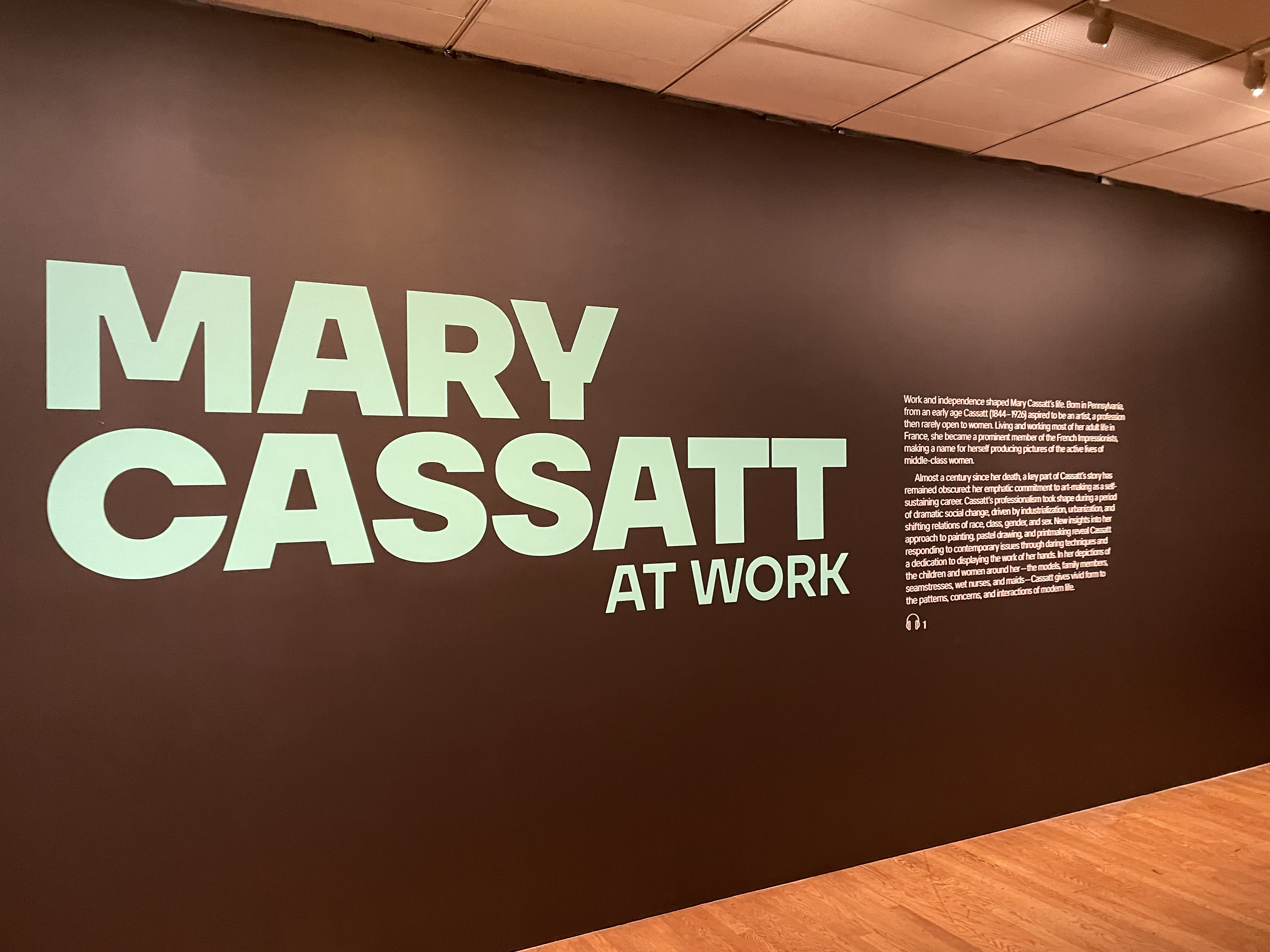
A new exhibition on Mary Cassatt invites conversations about gender, work, and artistic agency. Offering small and large epiphanies looks at that exhibit and the Daniel Weiss book Why The Museum Matters.
Sometimes we need a few simple words to awaken our spirits to all that surrounds us; to stop over thinking and tend to the ordinary and mundane. The mysteries of our daily experience is a review of Mary Oliver’s A Thousand Mornings, a slim book of poetry that serves as a pathway of invitation for the reader.
Myth and history are both important in understanding our past actions and present choices as a nation. The crescendo moment in American history considers both in a review of Revolutionary Summer by Joseph Ellis.
Roots music from Charm City explores the offerings of a Baltimore-based acoustic roots quartet steeped in traditional music yet not afraid to try new sounds.
Several readers wrote online comments and emails in response to my concerns about our political media as expressed in The darkness of a womb.
Writer’s Block (photo credit: Center for Documentary Studies)
As a sample, brilliant reader Carol wrote, “Bravo, David. Hope your wise words will be widely read. So much of the recent reportage by even (previously) respected media raises the threat of democracy as dying not so much ‘in darkness’ as in drivel and distortion.”
CONCLUSION
Thanks, as always, for reading. Your support and feedback mean more than I can ever express.
As you travel life’s highways be open to love; thirst for wonder; undertake some mindful, transformative walking every day. Recognize the incredible privilege that most of us have and think about how to put that privilege to use for good. Women, people of color, LGBTQ+ individuals, immigrants, and others can feel especially vulnerable . . . because they are. Work hard for justice and democracy as the fight never ends.
When times get rough, let your memories wander back to some wonderful place with remembrances of family and friends. But don’t be too hard on yourself if a few of the facts slip. Just get the poetry right.
Remember that “we are here to keep watch, not to keep.” Pay attention. Be astonished. Tell about it. And bash into some joy along the way.
You can follow MORE TO COME by going to the small “Follow” box that is on the right-hand column of the site (on the desktop version) or at the bottom right on your mobile device. It is great to hear from readers, and if you like them feel free to share these posts on your own social media platforms.
Sometimes we need a few simple words to awaken our spirits to all that surrounds us. We need to stop over thinking and tend to the ordinary and mundane.
A Thousand Mornings (2012) by Mary Oliver is a slim book of poetry that covers a lifetime of daily experience. Oliver, who writes in a style that has been described as a “pathway of invitation,” returns to the land around her Provincetown, Massachusetts home—the marshland and coastline—to observe and be amazed by the everyday. As her publisher notes, Oliver is open to the teachings contained in the smallest of moments and explores with startling clarity, humor, and kindness the mysteries of our daily experience.
I GO DOWN TO THE SHORE
I go down to the shore in the morning and depending on the hour the waves are rolling in or moving out, and I say, oh, I am miserable, what shall- what should I do? And the sea says in its lovely voice: Excuse me, I have work to do.
THREE THINGS TO REMEMBER
As long as you’re dancing, you can break the rules. Sometimes breaking the rules is just extending the rules.
Sometimes there are no rules.
WAS IT NECESSARY TO DO IT?
I tell you that ant is very alive!
Look at how he fusses at being stepped on”
Every single day we should all be asking ourselves Mary Oliver’s simple question which ends one of her most famous poems from the collection New and Selected Poems 1992:
THE SUMMER DAY
Who made the world? Who made the swan, and the black bear? Who made the grasshopper? This grasshopper, I mean- the one who has flung herself out of the grass, the one who is eating sugar out of my hand, who is moving her jaws back and forth instead of up and down- who is gazing around with her enormous and complicated eyes. Now she lifts her pale forearms and thoroughly washes her face. Now she snaps her wings open, and floats away. I don’t know exactly what a prayer is. I do know how to pay attention, how to fall down into the grass, how to kneel down in the grass, how to be idle and blessed, how to stroll through the fields, which is what I have been doing all day. Tell me, what else should I have done? Doesn’t everything die at last, and too soon? Tell me, what is it you plan to do with your one wild and precious life?
Tell me, what is it you plan to do with your one wild and precious life?
Last Tuesday evening, Rabbi Sharon Brous—a leading voice in working to develop a spiritual roadmap for a soulful, justice-driven, multi-faith ethos to reanimate religious life in America—opened the second day of the Democratic National Convention in Chicago with a prayer for redemption.
We have gathered together this week to craft a redemption story for America. My faith is sustained by a redemption story. A people beleaguered and bereft, traversing the desert on a journey of degradation to dignity. From darkness to light. Holy one, help us write America’s redemption story, a story of ceaseless striving towards a true multiracial democracy, rooted in equal justice where every person is treated as unique, mighty, and worthy of love.
Because we use our democratic government to craft rules as to how we live harmoniously in community, Rabbi Brous turned to address our political life together.
In this story, politics is not a vehicle for repression, bigotry, or personal profit, but a call to service. This story counters extremism with capaciousness and compassion. It rejects the inevitability of war, affirming that every one of us, Muslim and Jew, Christian, Black, white, Latino, AAPI, queer and straight, Israeli and Palestinian, deserves to live in dignity and in peace. Some say that this story is impossible. But we know that the God of redemption specializes in the impossible. And so must we. May we be guided by hope, joy, and a fierce moral imagination. Amen
The hopeful and joyful invocation for a “fierce moral imagination” to reach for the impossible, her call on all of us to help craft America’s redemption story, was a pitch-perfect opening for the creation of a new, national program for democracy.
The unified Democratic party—stop a moment to read those four words again—held a joyful, happy, determined, and focused convention last week in Chicago. It was a sight to behold.
Markos Moulitsas suggested that the unity is an underappreciated part of Joe Biden’s growing legacy, as the president tirelessly built coalitions that worked for the people and looked ahead to the future. There is no more “Bernie vs. Hillary” battle, nor anything beyond healthy and respectful disagreement inside our Big Tent.
It is a party united by common purpose, joy, and hope. The Democratic National Convention has “powerfully illustrated that the rest of us are finally reclaiming the country and its symbols” from right-wing extremists and the wealthy oligarchs, media, and corporations who cynically support them.
Today’s Republican party has expelled its elders and anyone not aligned in support of a convicted felon, lifetime con man, and adjudicated sexual predator. In contrast, the Democrats celebrate their elders—from Jimmy Carter to Joe Biden, from Hillary and Bill Clinton to Michelle and Barack Obama, from Speaker Emerita Nancy Pelosi to Rep. Jim Clyburn, and many others.
And the bench. Oh my, that bench. The wealth of young talent in the Democratic party in both its elected leaders and in those who have rebuilt the party is breathtaking to behold. It doesn’t hurt that many of them are exceptional orators.
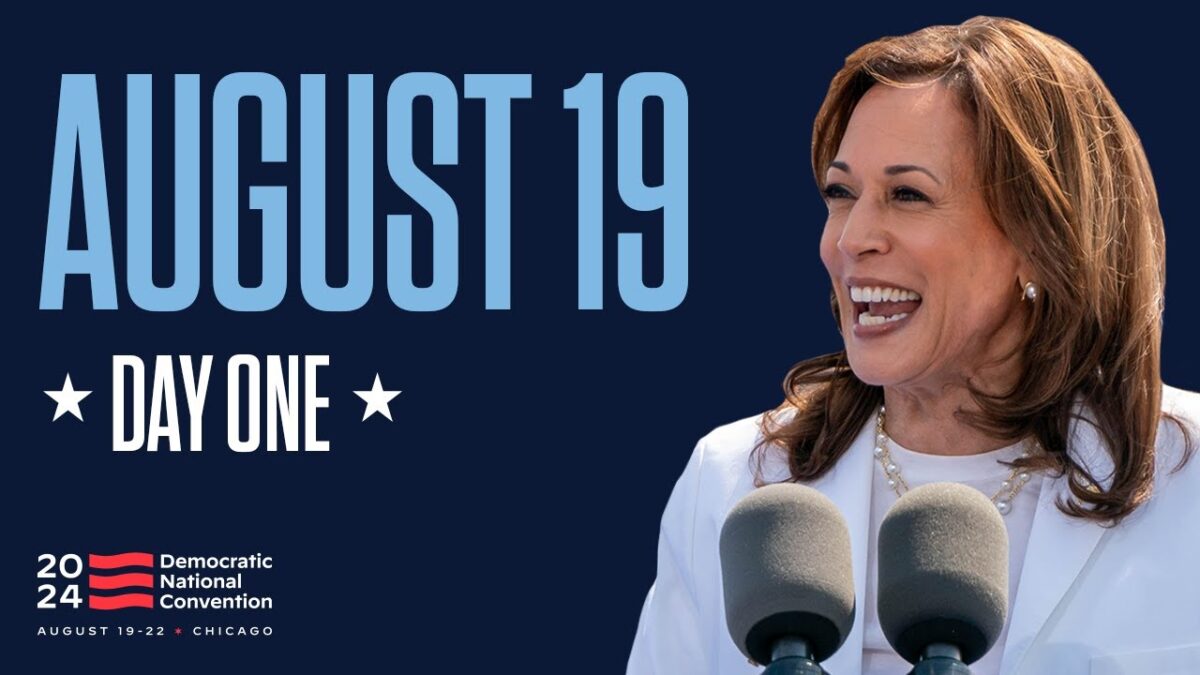
I’ve been aware of national party conventions since 1964 and have followed them faithfully since 1968. This Democratic National Convention was one to savor. I watched hours of it live and thanks to the wonders of CSPAN which helpfully separated out video of each speaker on its website for days one, two, three, and four, even more of it online. I have now watched Kamala Harris accept the nomination of her party three times. It has been amazing to discover how many people tuned in. Each individual found different speakers and events to spark their fierce moral imagination. What follows are a few personal highlights that sparked mine.
Day One: Let’s heal the land
Conventions historically are designed to both build up the party and help define the opponent. On that latter point Rep. Jasmine Crockett—a former public defender and civil rights attorney from Texas—came out firing. In looking at the resumes of the two candidates, Crockett noted: “She became a career prosecutor while he became a career criminal . . . Kamala Harris has a resume. Donald Trump has a rap sheet!”
“I saw {Trump] holding a Bible and endorsing a Bible, as if it needed his endorsement. He should try reading it. It says, ‘Do justice, love kindness, and walk humbly with your God.’ He should try reading it. It says, ‘Love your neighbor as yourself.’ It says, ‘Inasmuch as you have done it to the least of these, you have done it also unto me.'”
“We are the United States of America,” Warnock reminded us. “We always dream about the future.” And he ended with a stirring call to “heal the land.”
“It’s been the honor of my lifetime to serve as your president. I love the job, but I love my country more.”
Nothing better sums up the contrast between this president and the one he replaced. “Donald Trump has never loved anything more than himself and his own spotlight.”
Day Two: Putting the party back in the Democratic Party
The second day included one of my favorite convention rituals: the roll call of states. Here you get to see serious and high-ranking officials wearing silly garb to showcase the uniqueness of Hawaii (beach shirts), Maine (lobsters), Wisconsin (cheeseheads), or whatever state they call home. It is also a physical manifestation of E Pluribus Unum, “out of many, one.”
This year, the DNC took it one step further, turning the roll call into a dance party.
When it came time for individual states to cast their vote each delegation did so to the tune (or tunes) of a special song. In the weeks leading up to the convention the state delegations worked with presiding DJ Cassidy to pick a song that evoked a spirit of “unity and celebration” and was meaningful to the state. The roll call reflected the energy of the Harris-Waltz campaign and also offered a stark contrast to last month’s RNC.
And as you no doubt know by now, the amazing performance by Lil John as the Georgia delegates casts their votes for Kamala Harris is not to be missed.
At the very same time that the United Center in Chicago was filled to the rafters with DNC delegates, Harris and Walz were 90 minutes away in a packed Milwaukee arena, the same venue that hosted the Republican National Convention just a month ago. It was an amazing bit of stagecraft. Some Fox News personality opined that they were trying to escape their own convention, not realizing how utterly stupid this made him look.
The energy and enthusiasm that led the Democrats to pack two huge sports arenas, just 90 minutes apart, may have baffled the right-wing noise machine but it was not lost on the nation.
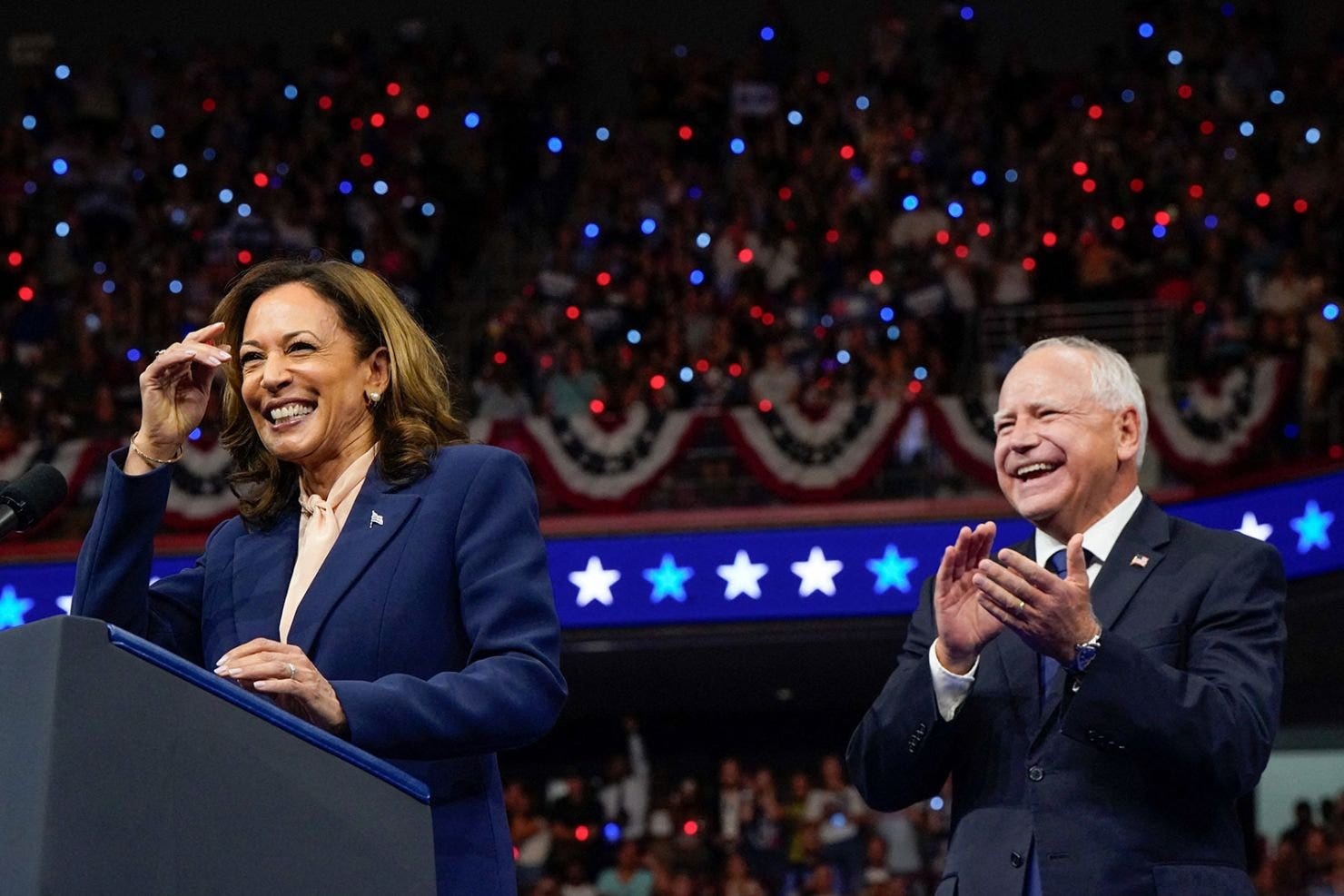
Watch the video of Kamala Harris and Tim Walz, as they waited backstage in Milwaukee as the call of delegates was live cast in Fiserv Forum. Marcy Wheeler described the Vice President’s reaction after the vote was finalized.
But then there was a moment where her eyes got big. She got an almost childlike expression in them, as if she couldn’t believe what just happened, couldn’t believe the enormity of it all . . . Finally she turned to Walz, gave him a high-five handshake, a hug. It’s only after that hug where she came away with a full joyful smile.
Barack and Michelle Obama were the obvious highlights among Tuesday evening’s speakers. The former president was masterful as always, showing how no one is better at getting under Donald Trump’s thin skin. He also gave out some love for Governor Tim Walz.
“Let me tell you something. I love this guy… You can tell those flannel shirts he wears don’t come from some political consultant, they come from his closet, and they have been through some stuff.“
The former First Lady gave the speech of the night in my estimation, beginning with her observation that something magical was in the air.
“Look, Kamala knows, like we do, that regardless of where you come from, what you look like, who you love, how you worship, or what’s in your bank account, we all deserve the opportunity to build a decent life. All of our contributions deserve to be accepted and valued. Because no one has a monopoly on what it means to be an American. No one.
Kamala has shown her allegiance to this nation. Not by spewing anger and bitterness, but by living a life of service, and always pushing the doors of opportunity open to others.“
And then she drove the point home with a line that hits at the heart of white supremacy and male privilege.
“She understands that most of us will never be afforded the grace of failing forward. We will never benefit from the affirmative action of generational wealth.“
She was ready to call out Donald Trump’s lies and tired tropes. “For years, Donald Trump did everything in his power to try to make people fear us. His limited and narrow view of the world made him feel threatened by the existence of two hardworking, highly educated, successful people—and here a slight pause as she produced the dagger—who also happened to be Black.”
“[W]ho’s going to tell him, that the job he is currently seeking might just be one of those Black jobs?“
Wheeler added her take on this moment:
Being bested by a smart, beautiful Black woman may be precisely the Kryptonite to Trump’s power the country has been looking for.“
Historian Kevin Kruse observed that “Michelle Obama threw a little cold water on the celebrations in Chicago with a warning that the Democrats should not get complacent and, when the campaign hits the inevitable bumps in the road, should not resign themselves to their traditional panic. She led the crowd in a call-and-response chant to ‘do something!'” whenever trouble came, and then issued a challenge to everyone in the hall.
“There is simply no time for . . . foolishness. You know what you need to do. So consider this to be your official ask. Michelle Obama is asking you—no, I’m telling y’all—to do something!”
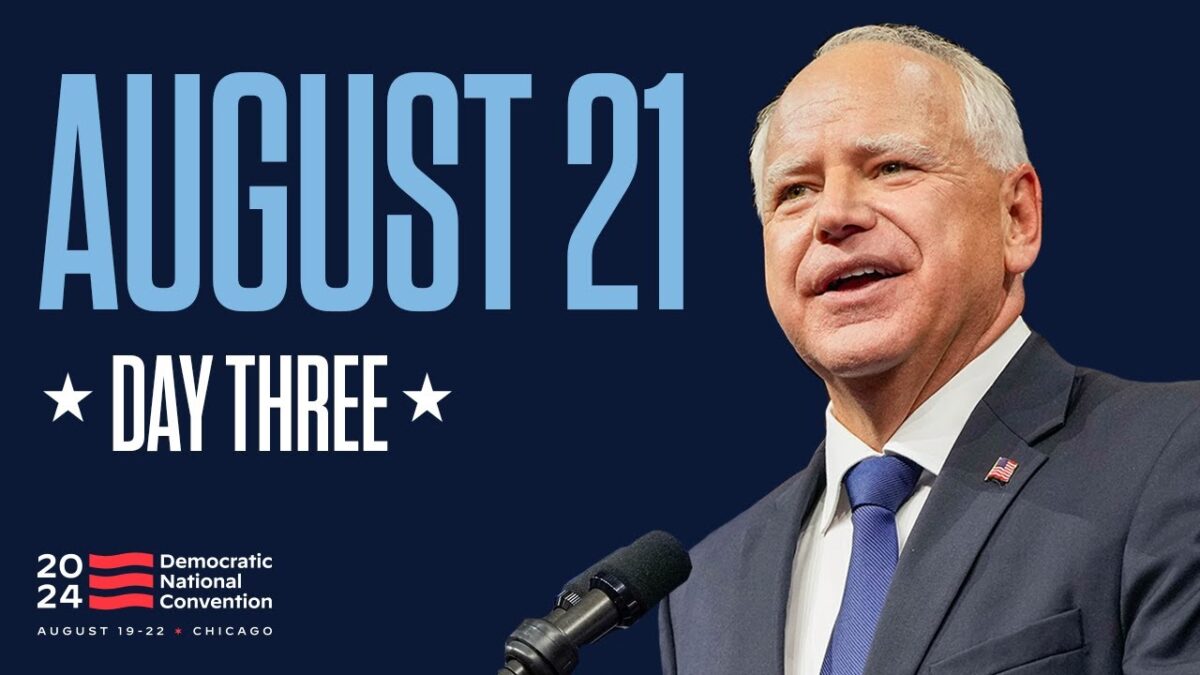
Day three: Choose common sense over nonsense
Oprah Winfrey, a political independent, made a surprise visit to the convention on the third day, urging the country to choose “common sense over nonsense.”
“Common sense tells you that Kamala Harris and Tim Walz can give us decency and respect. They’re the ones that give it to us. Let us choose loyalty to the Constitution over loyalty to any individual, because that’s the best of America. And let us choose optimism over cynicism, because that’s the best of America. And let us choose inclusion over retribution. Let us choose common sense over nonsense, because that’s the best of America. And let us choose the sweet promise of tomorrow over the bitter return to yesterday. But more than anything else, let us choose freedom. Why? Because that’s the best of America.”
There were amazing speeches and performances throughout the evening: Stevie Wonder, Hakeem Jeffries, Bill Clinton, Josh Shapiro, Pete Buttigieg, and Amanda Gorman. Our Maryland Governor Wes Moore, one of the rising stars of the Democratic Party, gave an inspiring speech on how Democrats Get S#*t Done (GSD).
Moore also spoke eloquently about real patriotism.
“Loving your country does not mean lying about its history!”
Of course, the highlight was the speech of Gov. (Coach) Tim Walz, where 81 million tuned in to watch online and on television.
In a speech that was both heartwarming and forceful, Walz focused on a big part of what this election is about: reclaiming the idea of freedom from the right-wing misappropriation of the word.
When Republicans use the word freedom, they mean that the government should be free to invade your doctor’s office. Corporations free to pollute your air and water, and banks free to take advantage of customers.
But when we Democrats talk about freedom, we mean the freedom to make a better life for yourself and the people that you love. Freedom to make your own healthcare decisions and yeah, your kid’s freedom to go to school without worrying about being shot dead in the hall.”
And we all came away loving the Walz children, Gus and Hope.
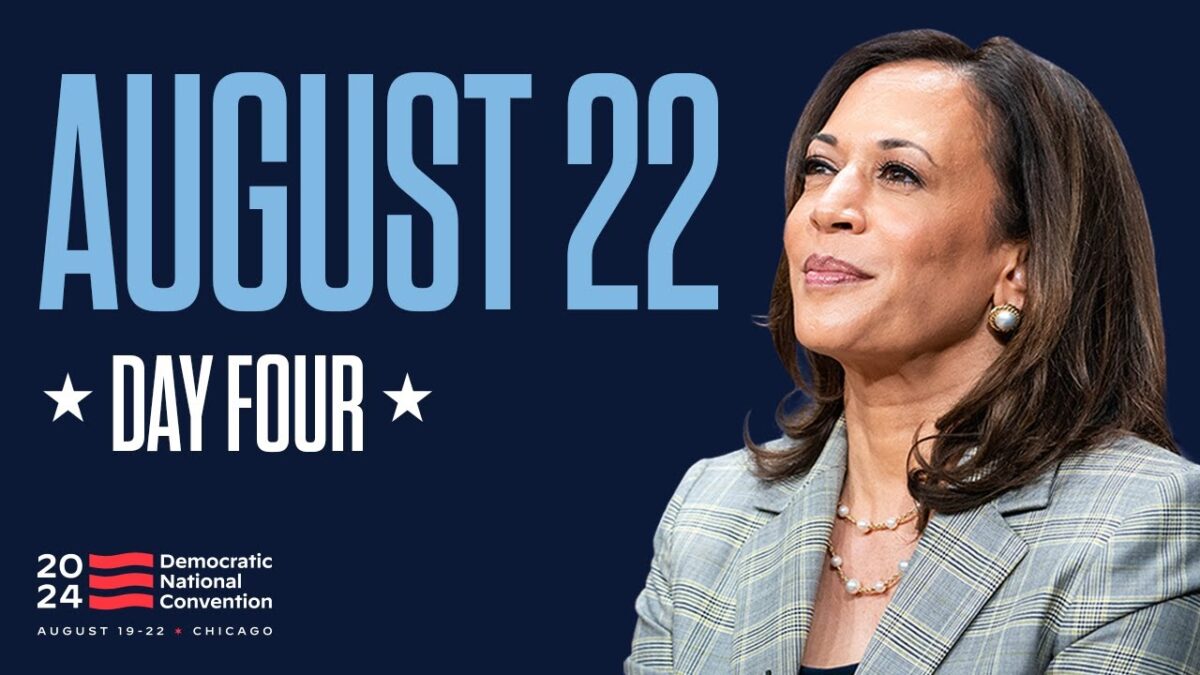
Day four: Be worthy of the moment
There is so much to love about the last day of the DNC. I agree with Marcy Wheeler that Adam Kinzinger gave the second-best speech, after Kamala’s, especially given the sea of moderate voters watching with certain expectations about what constitutes a Commander in Chief.
This image, which Miles Curland created in response to the Shepard Fairey one, is available under Creative Common license.
But the night belonged to the nominee, and Kamala Harris—with an inspiring speech that more than met the moment—did not falter.
“America, let us show each other—and the world—who we are. And what we stand for. Freedom. Opportunity. Compassion. Dignity. Fairness. And endless possibilities.
We are the heirs to the greatest democracy in the history of the world. And on behalf of our children and grandchildren, and all those who sacrificed so dearly for our freedom and liberty, we must be worthy of this moment. It is now our turn to do what generations before us have done. Guided by optimism and faith, to fight for this country we love.
To fight for the ideals we cherish.
And to uphold the awesome responsibility that comes with the greatest privilege on Earth. The privilege and pride of being an American.
So, let’s get out there and let’s fight for it.
Let’s get out there and let’s vote for it.
And together, let us write the next great chapter in the most extraordinary story ever told.“
Kamala Harris speaks on Day Four of the Democratic National Convention (credit: Simon Rosenberg)
The Democratic Convention was exhilarating, but we shouldn’t lose sight of the hard work ahead. While Democrats Get S#*t Done, we know that Donald Trump and his enablers will simply throw every type of s#*t they can find from now until November 5th.
As Michelle Obama told us, we simply have to do something.
The most amazing Democratic National Convention in my memory wrapped up earlier this week in Chicago. I will have a much longer post on Monday, but I want to take today to focus on freedom. And, in the joyful spirit of the convention, have a bit of fun.
This image, which Miles Curland created in response to the Shepard Fairey one, is available under Creative Common license.
This DNC “powerfully illustrated that the rest of us are finally reclaiming the country and its symbols” from right-wing extremists. Nothing shows that more directly than the work to define freedom in terms that change the dynamic from “me, me, me” to “we the people.”
Historian Kevin Kruse wrote of a framing developed by sociologist James Davison Hunter to describe the “culture wars” that emerged in the late 1980s.
“Where cultural conservatives tend to define freedom economically (as individual economic initiative) and justice socially (as righteous living), cultural progressives tend to define freedom socially (as individual rights) and justice economically (as equity).”
After the War on Terror the Democrats, Kruse suggests, stopped talking about freedom and focused instead on defining the party and its leaders: Kerry (the new-and-improved Strong Democrat), Obama (the Inspiring Democrat), and Clinton and Biden (the Responsible Democrats).
“The decision to focus on ‘freedom’ is altogether different. It puts the focus not on the leader at some distance, but on the individual lives and immediate experiences of the voter. The focus isn’t on them; it’s on us.“
And this, Kruse asserts and I believe, is a much more forceful claim to “freedom” than Democrats have made in decades, pushing beyond even the old framing from the 1980s and harkening back to FDR.
“For all the conservative claims that they own that term in that sphere—an insistence that economic ‘freedom’ means tax cuts, deregulation, and a blank check to big business—Walz has furthered a case Democrats are making increasingly in recent days, that true economic ‘freedom’ is offered by things like union rights, fair wages, and yes, government protections that shield individual Americans from the whims of billionaires and big business.
In many ways, it signals a return to the framing that FDR famously advanced during the Second World War, when he articulated ‘The Four Freedoms’ that Americans were fighting to defend. Half of his formulation was framed in a way liberals and leftists of recent decades would understand them, as individual rights of the ‘freedom of speech’ and ‘freedom of worship.’ But the other half showed a more expansive understanding, as FDR also spoke of ‘freedom from want’ and ‘freedom from fear.’”
Rep. Alexandria Ocasio-Cortez gave a masterful speech on the first night of the DNC, powerfully suggesting that you cannot love this country if you only fight for the wealthy and big business. “We will choose a new path and open the door on a new day, one that is for the people and by the people.”
Later she visited with Stephen Colbert on his Late Show specials from Chicago. I loved this interview in part because AOC and Colbert talk about waiting tables and bartending, something they’ve both done. “Everyone should work a service job” sometime in their life, they assert, to which I—the former waiter—can only add Amen.
Of course, Colbert had lots of fun during the week in Chicago, especially in his “interview” with “former First Lady Melania Trump” who he discovered was at the DNC. (This is comedy, remember.)
Broadway superstar Laura Benanti should win another award for playing this role! Her physical mannerisms are spot-on and her timing is impeccable as when Colbert reminds her that the JD Vance couch story isn’t true. “Oh, Stephen, I’m a Trump. We really don’t do ‘true.'”
Beloved musicians Mavis Staples and Jeff Tweedy closed out the Late Show week at Chicago’s Auditorium Theatre “with this spine-tingling performance of Freedom Highway by The Staples Singers.”
There is just one thing I can’t understand my friend Why some folk think freedom Was not designed for all men
March for freedom’s highway March each and every day March for freedom’s highway March each and every day Made up my mind and I won’t turn around Made up my mind and I won’t turn around
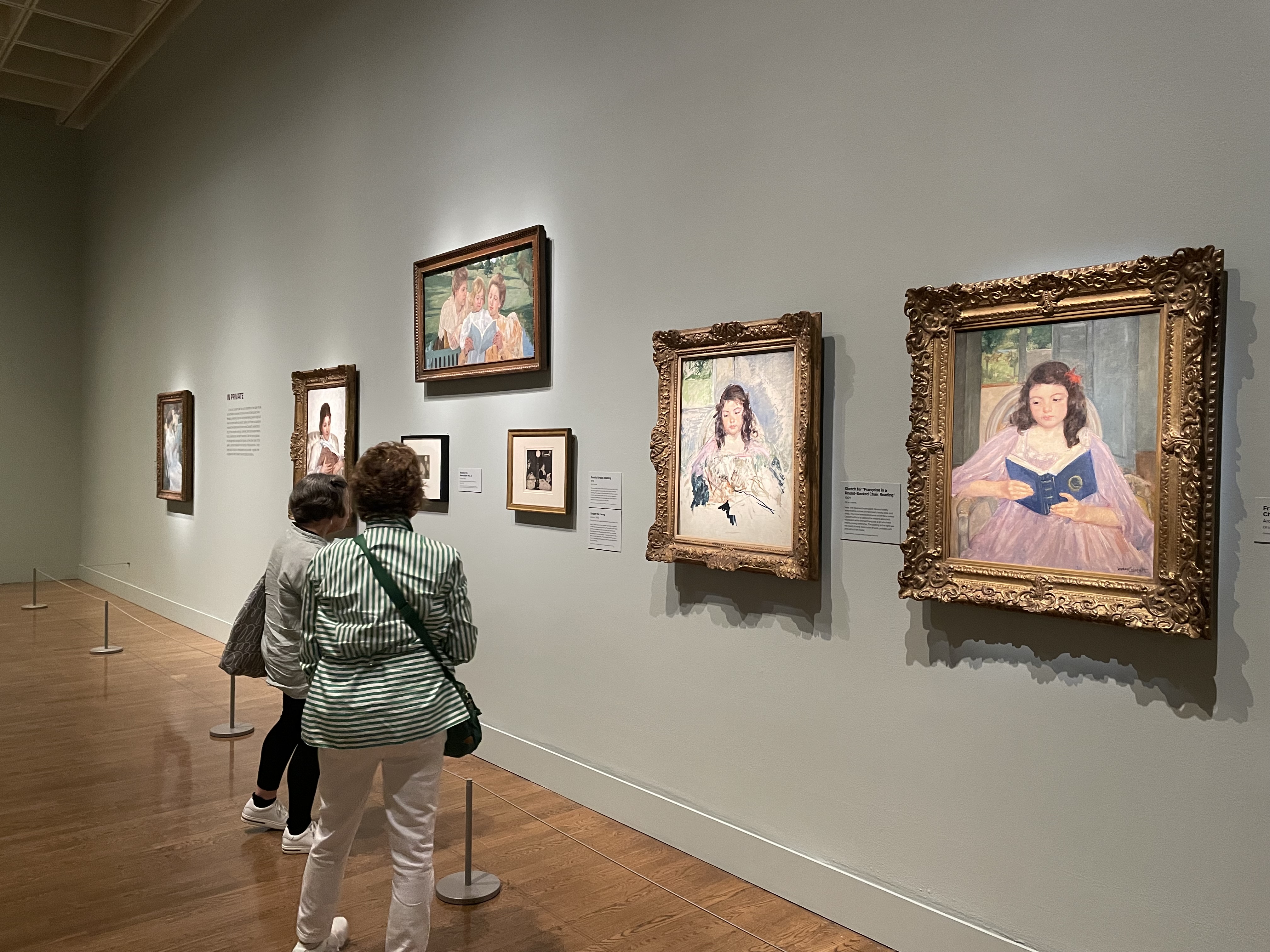
Candice has long been an admirer of the work of the pioneering nineteenth century artist Mary Cassatt, the only American among the French Impressionists. Born in Pennsylvania, Cassatt “challenged the conventional expectations of Philadelphia’s elite.” In Paris she “committed herself to a career as a professional artist and made the social, intellectual, and working lives of modern women a core subject of her prints, paintings, and pastels.”
We were not disappointed. This is a rich and mind-expanding exhibition, which will remain at the museum through September 8th. We spent several hours working our way through the more than 130 Cassatt works which “follow the artist’s evolving practice and demonstrate her interest in the ‘serious work’ of artmaking.”
“Though recognized in her lifetime for her intimate depictions of women and children, Cassatt has yet to be appreciated for her serious engagement with the realities of gender and labor in her portrayal of other traditionally feminine activities, such as embroidery, reading, or making social appearances.“
The exhibition presents “new findings about the materials she used and her processes—which were advanced for her era—as it coincides with a detailed technical study of the Philadelphia Museum of Art’s significant Cassatt holdings.” Early in the exhibition, one comes upon two paintings of ladies at the theatre, where Cassatt applied and then removed various paints and changed perspectives mid-work, information uncovered in the extensive study completed for this show.
A Cassatt work shown with the French Impressionists in Paris. The frame is a duplicate of the original the artist chose for this work.
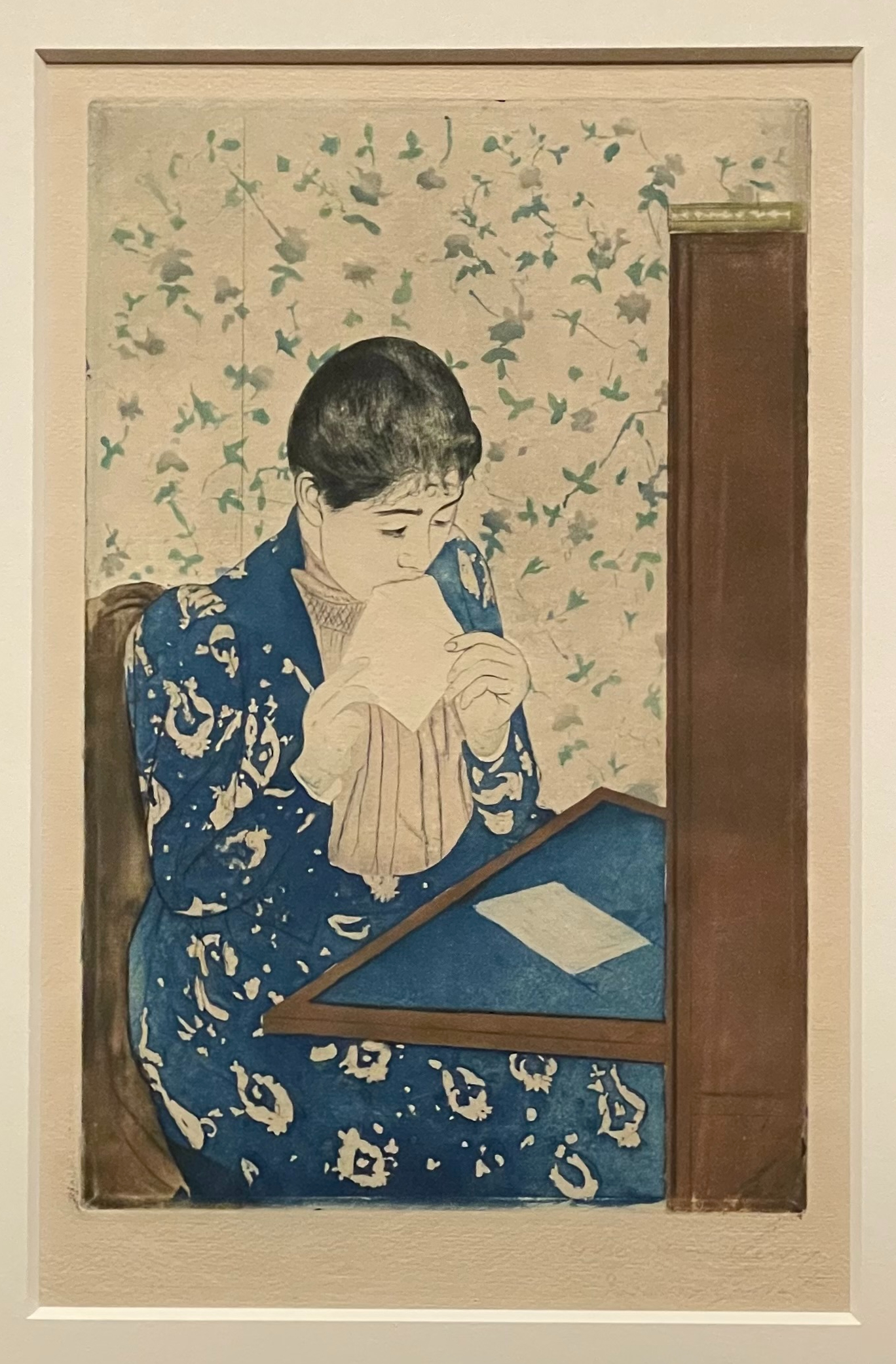
The exhibition includes the wide variety of mediums used by Cassatt such as printmaking, which she embraced after seeing a collection of Japanese prints in Paris. Her interest in Japanese prints and the process of printmaking can be seen in much of her work after 1883.
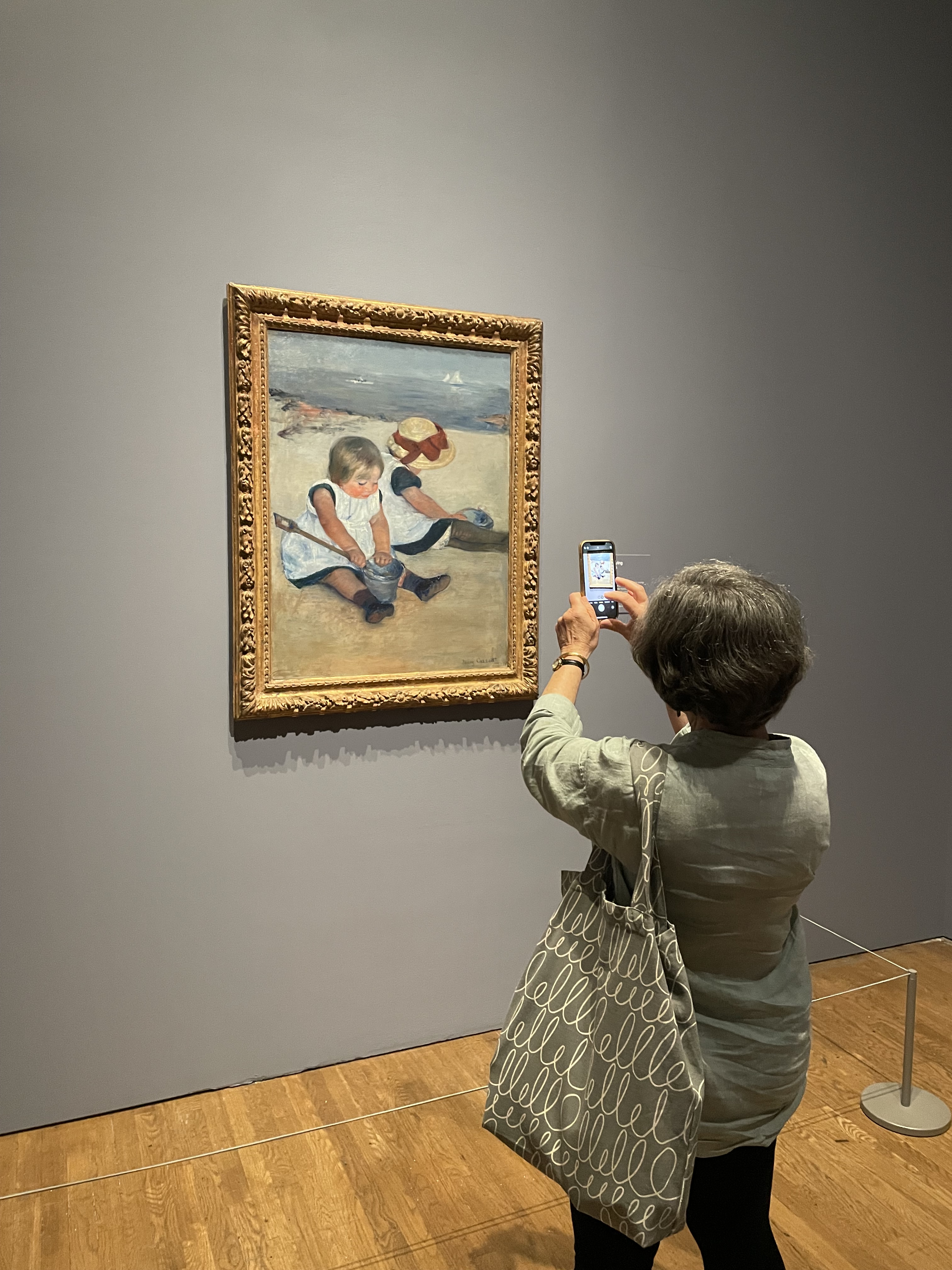
We saw some old friends on display. Children Playing on the Beach is a work we’ve both loved through the years.
Candice discovers one of her favorite Cassatt paintings, Children Playing on the Beach, on loan for this exhibit from the National Gallery of Art
“By the time Cassatt exhibited this painting at the eighth and final impressionist exhibition in 1886,” notes the National Gallery of Art website, “her reputation as a painter of mothers and children had been well established. Critics had long commented on her ability to portray her subjects in a tender, yet unsentimental, way.” Children Playing on the Beach is one of her works influenced by her growing interest in printmaking.
“In this work, Cassatt tightly cropped the scene, tilted the picture plane forward, and reduced the number of objects in the background to draw attention to the two little girls digging in the sand. Absorbed in their activity, they embody the naturalistic attitude prevalent in both art and literature of the time.”
The National Gallery website points to the importance of this work.
“Although completed in the studio—x-radiograph studies reveal that Cassatt reworked almost every area of the canvas—the painting nonetheless conveys a sense of spontaneity and freshness. Such coastal scenes were popular among her impressionist contemporaries, but Cassatt rarely delved into the genre. This work, therefore, holds a place of singular importance within her oeuvre.“
I was taken by the paintings, drawings, and prints of course, but also by the curators’ descriptions of how what we are learning about Cassatt’s work confounds the stereotype of a female artist who simply painted touching, sentimental scenes of mothers and their children. In fact, most of those adults depicted are working as caregivers, providing new dimensions to understanding these subjects.
“Mary Cassatt at Work is the first major showing of the artist’s oeuvre since 1998–99. By considering her professionalism, her biography, and the wider Parisian world she inhabited, a richer and more complex picture of Cassatt develops, inviting contemporary conversations about gender, work, and artistic agency.
And yes, this was how we felt after touring the exhibit for three hours!
It was also a good day to reflect on the role of museums in our communities.
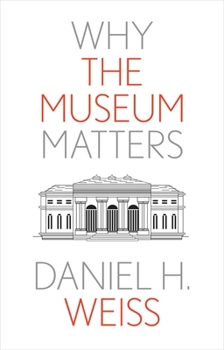
Why The Museum Matters (2022) by Daniel H. Weiss is part of the Yale University Press Why X Matters series. Weiss—President Emeritus of the Metropolitan Museum of Art where he served from 2015-2023 as President and Chief Executive Officer—makes the case that art museums have been vital in the growth and understanding of our culture and continue to have a critical role in our communities today. A short history begins in the ancient worlds of Greece and Rome, touches on how churches were often the museums of the Middle Ages, considers the European “Grand Tour” as a precursor to both collecting and curating practices, and looks at the way Enlightenment ideals of “shaping ideas, advancing learning, fostering community, and providing spaces of beauty and permanence” were key to the development of the modern art museum.
These are consequential places, argues Weiss. He quotes Nicholas Serota who writes that cumulatively, museums “offer thousands of small and large epiphanies.”
Weiss brings many of his thoughts back to personal experiences at The Met yet thoughtfully considers broader considerations “about the role of art in society and what defines a cultural experience.” He understands that the future of art museums is far from secure. There are difficulties—financial health, collecting practices, audience engagement, exclusivity, and freedom of expression—that he addresses throughout this work.
Shared governance is one solution he suggests in what is generally an optimistic look at a future “where the museum will serve a greater public while continuing to be a steward of culture and a place of discovery, discourse, inspiration, and pleasure.”
“I am convinced,” Weiss writes, “that the cultural world can play an essential role” on the journey of finding a productive way forward for our democracy . . .
“. . . in part simply by bringing us together in a shared, uplifting purpose but also by offering us perspectives that are larger than our own and that might help us to navigate toward a more just and equitable future.”
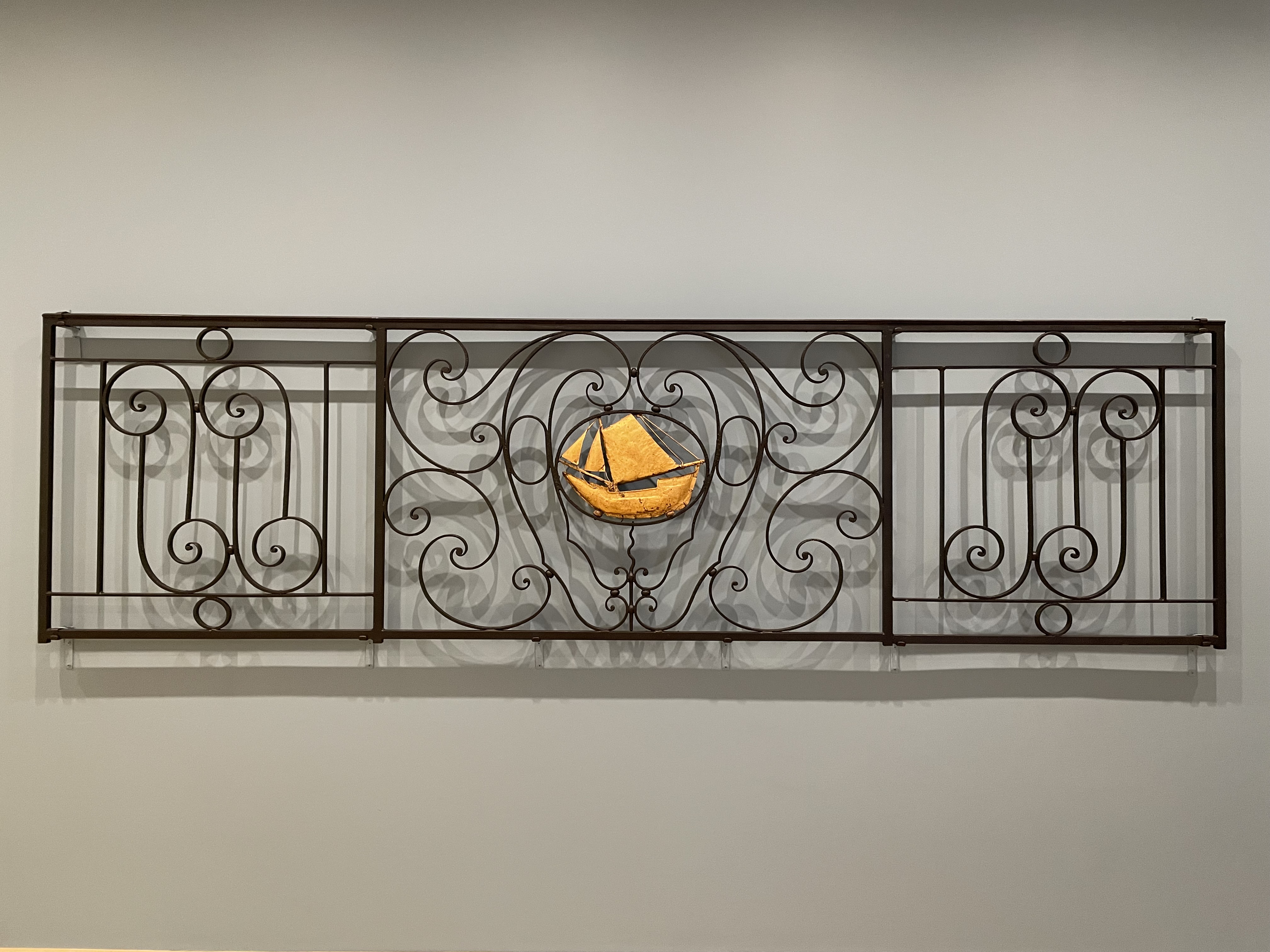
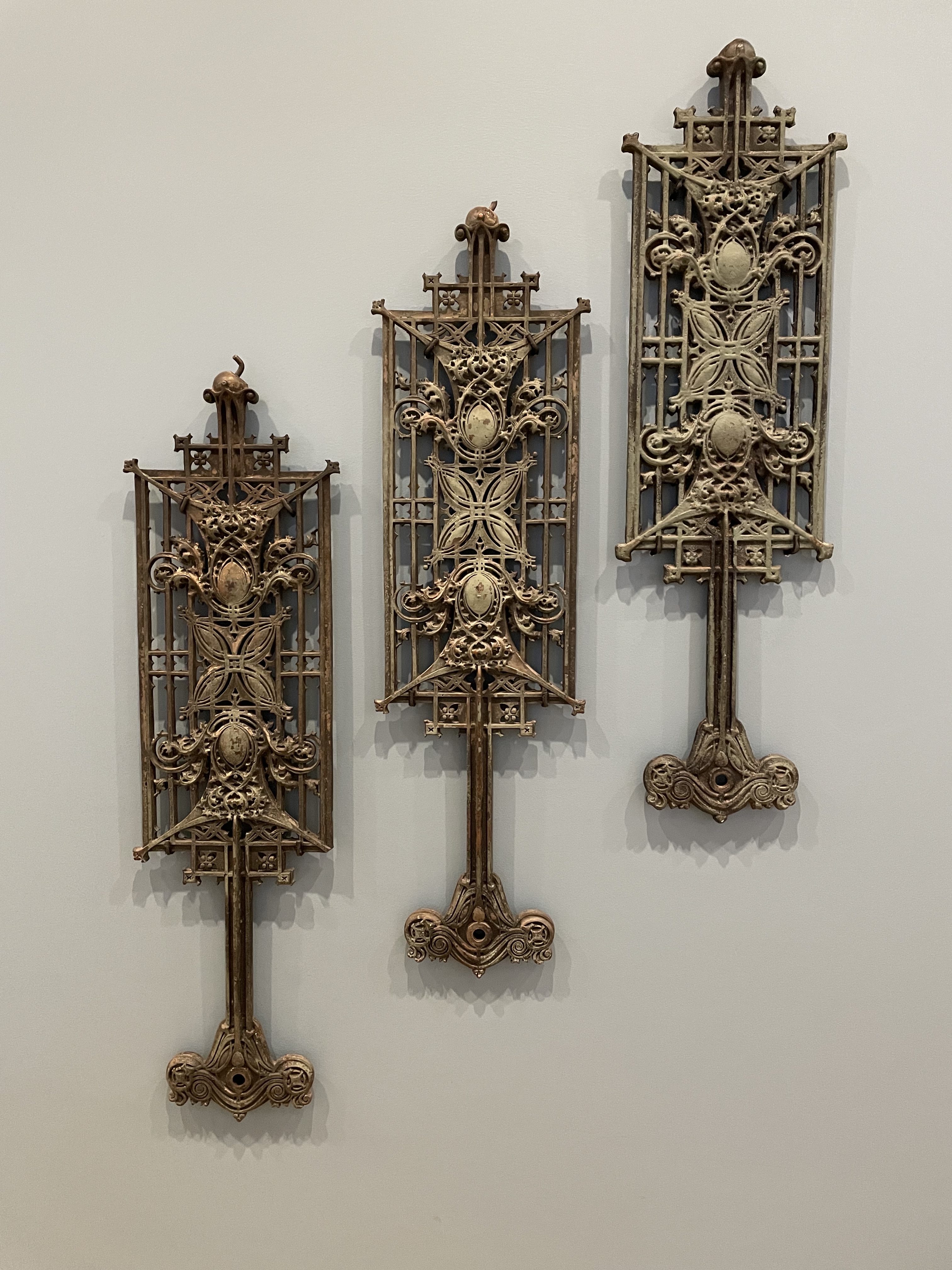
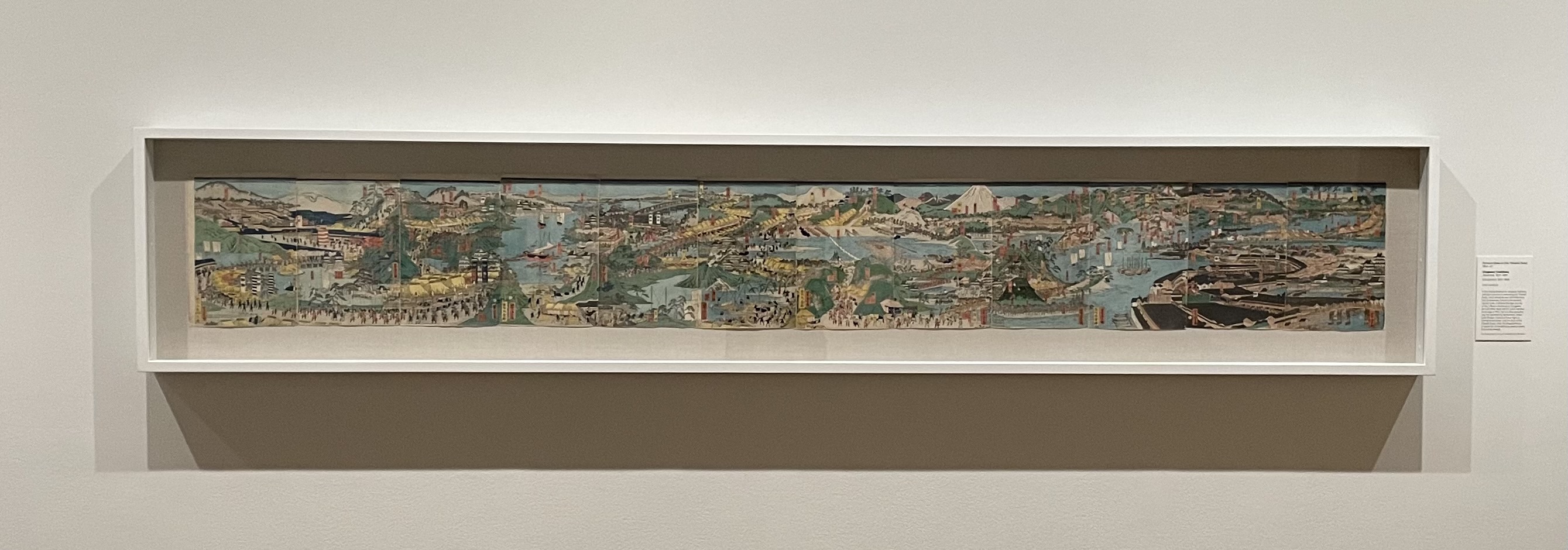
While in Philadelphia we also took the time to explore the Art Museum’s exhibit of American Ironwork from 1750-1930 . . .
Staircase balusters designed by Louis Sullivan and George Elmslie
“Fine Wind, Clear Day” from the series “Thirty-Six Views of Mount Fuji” by Katsushika Hokusai
“Awa Province: Wind and Wave at the Whirlpool of Naruto,” 1855 by Utagawa Hiroshige I
The Cassatt exhibition ends on September 8th, while the Edo Period exhibition ends in January of 2025. Just a short train ride from either Washington or New York, the Philadelphia Museum of Art matters . . . and is worth a visit.
Over the past month Americans have encountered challenging and shifting political storms. We were leaving the country for two weeks when I wrote that the media’s inconsistent narrative selection and framing around the presidential race between President Joe Biden and former president Trump was helping kill our democracy. A friend who is a retired broadcast reporter, anchor and producer at NBC and NPR wrote an email in response to say he had encouraged those he knows who are still in the various newsrooms where he worked “to shed their lifelong election coverage habits,” but to no avail.
We boarded a plane for Oslo the day the political world shifted. Biden announced he would not accept the Democratic nomination for president and thirty minutes later he endorsed Vice President Kamala Harris. I was an overseas observer while the election dynamic dramatically changed. As we touched back down in the U.S. on August 1st, President Biden and Vice President Harris showed what real leadership could accomplish when they pulled off a multi-country prisoner swap to secure the release of political hostages unjustly held in Russia. The country celebrated “a very good afternoon” while Trump fumed in his Mar-a-Lago bunker that he could have pulled off a better exchange if he were president. It was a claim that rang as true as one of his innumerable and ultimately laughable announcements of “infrastructure week” during his disastrous presidency.
Shortly after we returned, Harris secured enough delegates to claim the nomination, and she selected Minnesota Governor Tim Walz—a midwestern Progressive in the historical sense of the term—to be her choice for Vice President.
The joy that Harris and Walz brought to a campaign bogged down by worry and angst was obvious and cleansing. Huge crowds were showing up for rallies in swing states, even with last-minute shifts in venues—as in Detroit—when the original location could no longer hold those who wanted to attend. Donations surged and polls shifted. Harris led by 2.5 points in Saturday’s 538 national poll tracker. Large numbers of volunteers were being recruited at each rally, one of the key reasons for holding in-person events at this point in a campaign.
Perhaps most importantly, the Democratic ticket was talking about a positive vision for America.
It is a message of economic fairness for all, ending the disaster that trickle-down economics has been for the middle class and for the country as a whole.
It is a message that everyone matters and should be treated fairly, no matter where you were born, the color of your skin, your gender, or who you love, ending the politics of racial and class division that only benefits some of our citizens.
And it is a message of the value of community and picking each other up, so that we all rise together, ending the disingenuous myth of the rugged individualist, a story told by the wealthy to disguise the stealing of community wealth by a few oligarchs.
The media is having as much trouble adjusting to the new reality as is Donald Trump, who recently called reporters to Mar-a-Lago for a self-described press conference. He served up “his usual banquet of lies,” leading conservative writer Tom Nichols of The Atlantic to note that Trump appears to have gone entirely off the rails. “The Republican nominee, the man who could return to office and regain the sole authority to use American nuclear weapons, is a serial liar and can’t tell the difference between reality and fantasy. Donald Trump is not well. He is not stable. There’s something deeply wrong with him.”
And the concerns include the entire Republican ticket. Election expert Marc Elias wrote that “the nicest thing one can say about Trump’s VP choice is that he is weird. Vance makes Texas Sen. Ted Cruz seem charming.”
Interestingly, the journalists who clamor that the candidates must speak to the media did not ask the former president about the recent bombshell report suggesting that Egypt poured $10 million into his 2016 campaign, an action that is certainly illegal and perhaps treasonous.
And after journalists had begun to complain that they did not have enough access to Harris, “she came to them directly on the tarmac at the Detroit airport and asked, ‘What’cha got?’ All but one of their questions were about Trump and his comments; the one question that was not about Trump came when a journalist asked when Harris would sit down for an interview.”
As media critic Margaret Sullivan wrote in the Guardian, when Harris interacted with reporters “as in that brief ‘gaggle’ in Detroit, the questions were silly (emphasis added).”
Silly.
Sullivan did not frame this interaction as “unimportant or ill-thought out or missing the mark or poorly framed” observed one online commentator. Just silly. “Sometimes, it’s just one well-chosen word that sums things up the best.”
In previewing an upcoming economic speech, the New York Times wrote, “Harris Is Set to Lay Out an Economic Message Light on Details,” adding that she is expected to tweak Biden administration themes “in a bid to turn the Democratic economic agenda into an asset.”
“The United States economy under Biden and Harris has been the strongest in the world, and now that inflation seems to be under control as well, Harris needs to turn that record ‘into an asset’? Political journalist James Fallows wrote: ‘Now they are all just trolling us.’”
Although Sullivan called for the Vice President to do more interviews with the media, how can you blame first Biden and now Harris for not bothering with access journalism or the courting of established media after those sorry, silly performances? Instead, as historian Heather Cox Richardson notes, the Democrats have “recalled an earlier time by turning directly to voters through social media and by articulating clear policies that support their dedication to the larger project of American democracy.”
Singer, songwriter, and poet Carrie Newcomer recently recalled the words of author/activist Valarie Kaur. Speaking at a gathering of concerned citizens, Kaur said, “Perhaps this is not the darkness of a tomb, but rather the darkness of a womb.”
In travail something new can be born.
As we stand on the cusp of the Democratic National Convention, it does feel as if we are seeing a new era in American history alongside the birth of a new Democratic Party, one based on three distinct people and community-based movements in our past. In an illuminating history lesson, Richardson wrote of this combination of Joe Biden’s New Deal commitment to economic fairness, the 1950s and 60s roots of the civil rights activism of Kamala Harris, and vice-presidential nominee Tim Walz’s life-long embrace of the community principles of midwestern Progressivism. In this shift “we are seeing the creation of a new, national program for democracy.”
Perhaps the darkness is finally lifting, a darkness we have been living in since the Republican party threw in its lot with what Mayor John Giles of Mesa, Arizona—a lifelong Republican—called “extremists that are committed to forcing people in the center of the political spectrum out of the party.” As Mayor Giles told those in the political middle as he was endorsing the Harris-Walz ticket, “You don’t owe a damn thing to that political party . . . you don’t owe anything to a party that is out of touch and is hell-bent on taking our country backward. And by all means, you owe no displaced loyalty to a candidate that is morally and ethically bankrupt.”
It won’t be easy to win, but let’s work hard these last few weeks before the election for a new, national program for democracy. And for America. While we’re at it, let’s have some fun and revel in the joy. *
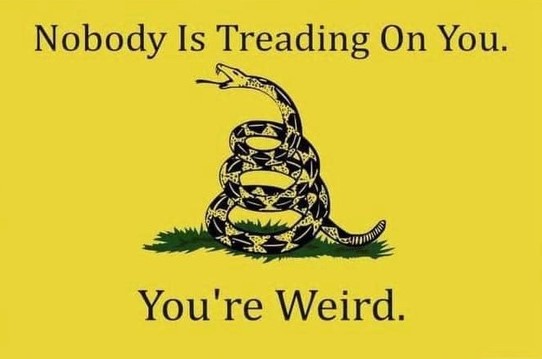
Credit: Somewhere on the internet
Our country deserves it.
More to come . . .
DJB
*For a thoughtful view on all that could go wrong between now and Election Day, read Marcy Wheeler’s take from Saturday.
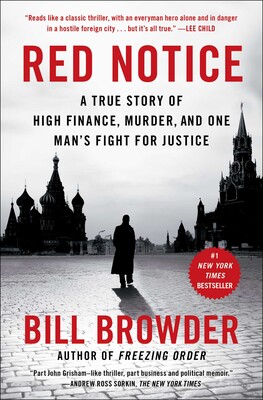
One of the mysteries of the decline of a once-great political party in the United States is how Republicans—long the leader in fighting Soviet aggression—became a home for Vladamir Putin supporters and apologists. In reading a true-life account that captures the murderous evil of Putin’s regime in stark detail, that question only deepens.
Red Notice: A True Story of High Finance, Murder, and One Man’s Fight for Justice (2015) by Bill Browder is the story of an unlikely hero who took on the oligarchs and political leaders of post-Soviet Russia. Once the largest foreign investor in Russia, Browder was expelled from the country in 2005 as a threat to national security after exposing corruption in business and government. His Russian lawyer, Sergei Magnitsky, wasn’t so lucky after he uncovered $230 million in stolen taxes. Magnitsky ended up in jail where he was tortured and killed. His death changed the direction of Browder’s life, a transformation told in this thriller-like account.
Browder’s grandfather Earl was the chairman of the communist party in the United States in the 1930s and first part of the 1940s. But as the grandson became an adult, he decided to embrace capitalism and subsequently obtained a BA in economics from the University of Chicago and an MBA from Stanford Business School. With his family history, he was drawn to invest in Eastern Europe and specifically Russia following the break-up of the Soviet Union, and it was there he made his fortune.
But in seeking to invest foreign capital in Russia, he encountered the handful of oligarchs who were stripping the country of its wealth using every means possible. At the heart of this change from a nascent democracy to an autocratic government controlled by the wealthy was Vladamir Putin, who used bribes, lies, torture, and murder to achieve his goals. When oligarchs tried to steal the money of Browder’s investors, he fought back, which led to his expulsion.
After Magnitsky’s horrible death in a Russian prison, Browder became an unlikely human rights advocate, eventually turning to countries outside Russia for assistance. After initiating a global campaign for governments around the world to impose targeted visa bans and asset freezes on human rights abusers and highly corrupt officials, Browder was able to convince the United States to lead the way in imposing these targeted sanctions, first with the passage of the Sergei Magnitsky Accountability Act in 2012 followed by the Global Magnitsky Human Rights Accountability Act in 2016. In doing so, he became one of Putin’s top enemies and has been targeted with threats of arrest and death.
Browder has written a work that reads like a classic spy thriller but is based in the world of investment and politics. As the late Senator John McCain, one of the key co-sponsors of the Magnitsky Act has noted, Red Notice helps us understand “the culture of corruption and impunity in Putin’s Russia today.” Sadly, the Republican party of John McCain no longer exists, as grifters and extremists have taken power in the party, promoting Russian talking points and working with Russian interests in their efforts to dismantle American democracy.
The book ends with a description of the show trial that Putin held for Magnitsky and Browder—one who was already dead and one who was nowhere near the country.
It was all a show, a Potemkin court. This is Russia today. A stuffy room presided over by a corrupt judge, policed by unthinking guards, with lawyers who are there just to give the appearance of a real trial, and with no defendant in the cage. A place where lies reign supreme. A place where two and two is still five, white is still black, and up is still down. A place where convictions are certain, and guilt a given. Where a foreigner can be convicted in absentia of crimes he did not commit.
A place where an innocent man who was murdered by the state, a man whose only crime was loving his country too much, can be made to suffer from beyond the grave.
This is Russia today.
Red Notice is an important reminder of the brutal realities of the Putin regime, which we are seeing daily in Ukraine. We support him at our peril.
And as another reminder of what Putin and the Russians are doing to Ukrainian culture, I thought it would be especially appropriate to hear Robin Bullock’s lovely arrangement of the Ukrainian tune Carol of the Bells. Composed by Mykola Leontovych—an internationally recognized choral conductor, teacher, and composer who was assassinated by a Soviet state security agent in 1921—this beautiful tune comes alive in Robin’s hands.