
Links to stories from a few writers I follow who have important things to say. With a few musical interludes thrown in for good measure.
Summer solstice arrives tomorrow. While most meteorologists divide the year into four seasons based on the months and the temperature cycle—with summer in their season beginning on June 1 and ending on August 31—Sunday, June 21st marks the astronomical first day of summer here in the Northern Hemisphere.
To celebrate this day with the longest period of sunlight, I thought I’d share offerings from writers and musicians who brighten my days and enlighten my life. I hope you’ll find something of interest among this eclectic mix.
A BASKETBALL CONTEST THAT TOOK ON GREATER MEANING
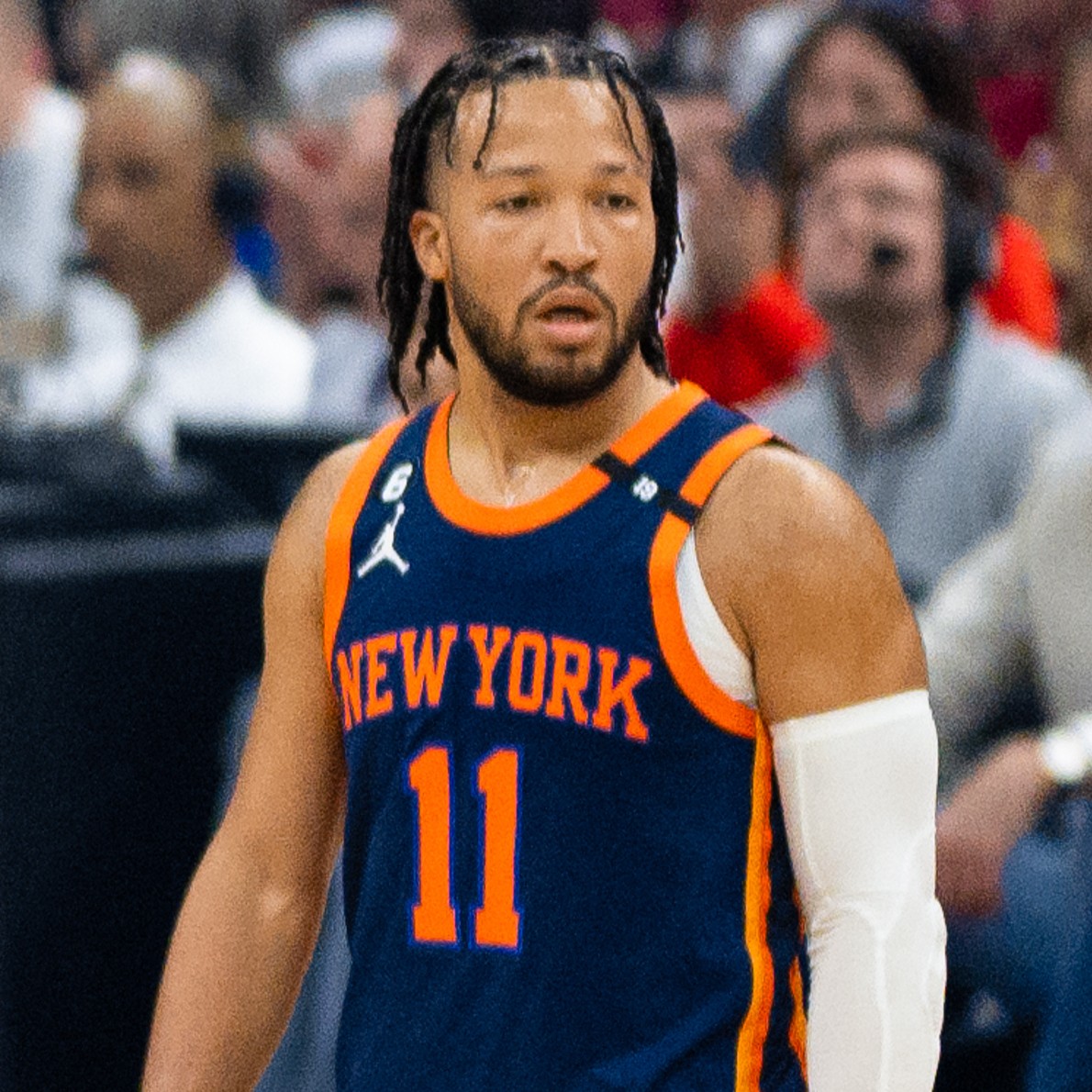
Who knew that a NBA finals could excite an entire country (including this reader, who rarely watches professional basketball) and make us think differently about sports, cities, and life in America today? Several writers took different approaches to the wonder that was the 2026 New York Knicks.
Sportswriter Joe Posnanski writes in a short column entitled Knicks in Five that “as the Knicks took the city higher and higher, the longest-suffering fans felt healed, and more recent fans felt seen, and the newest fans felt something they probably didn’t expect: They felt a bigger part of New York City.”
Notable quote:
“They’ll tell you again and again—so many times that it becomes inescapable—how different we are, how divided we are, how we just don’t see the world the same way and don’t feel the same things.
Then a second-generation Knick named Jalen Brunson scores 45 to lift a lovable bunch to the NBA title, and all around him is mayhem, and the reporter asks him how he feels and he can’t say anything because there are no words, but he also doesn’t have to say anything because his face is covered in tears and you KNOW how he feels, it doesn’t matter where you live, it doesn’t matter what team you cheer, it doesn’t matter.
You know because you know.”
Non-fan fan Anand Giridharadas has a wonderful piece entitled Trump vilifies cities. The Knicks redeemed them. It is a beautiful essay from “perhaps the most recent Knicks fan of all. I am so recent a Knicks fan that I was surprised to learn about the silent ‘K.’ I am so recent a Knicks fan that I thought Timothée Chalamet was the point guard.” As the title suggests, this essay pushes back eloquently against the notion that cities are terrible places. “There is something incandescent,” Giridharadas asserts, “about living around so many people who didn’t take the advice to do the easier, safer, known thing, who said no to the family occupation, said no to Iowa, said no to conversion therapy, said no to accounting as a backup.” There’s too much to quote here, so after reading this one example go read the entire piece.
Notable quote:
“So where do we fit in this frenzied fandom, we the non-fan fans, the fannies-come-lately? Why are we so moved? What are we cheering for, those of us who think a ‘pick and roll’ is a kind of sandwich, a ‘lay-up’ is a short nap, and an ‘alley-oop’ is a sex act more commonly undertaken in Europe?
Here is one theory. In cheering for New York’s Knicks, we were also cheering for the Knicks’ New York. Rooting for a team that staged jaw-dropping comebacks is also rooting for a city whose raison d’etre is comebacks — second chances in a new nation, reinventions of the self, overcomings of odds. In relishing a team whose superpower is instinctual mutual knowledge, who know each other like kin even though they are not, we saw a reflection of the chosen families so many of us forge in New York. And in celebrating a team built not on the superstar model but that of the orchestra, we were standing up for the power of what emerges spontaneously from diverse groups, no matter what the autocrats will tell you.”
Finally, even my non-fan wife realized that the only game that the Knicks lost in the playoffs was the one attended by Donald “It’s all about me” Trump. The wonderful Candace Buckner—a refugee from the late, lamented Washington Post Sports Section who now writes for The Athletic—had a commentary entitled Donald Trump, James Dolan tried to ruin NBA Finals vibe. The Knicks’ loss killed it. In the end, the Knicks were strong enough to overcome the hubris of two billionaires, but it wasn’t for lack of trying.
Notable quote:
“Dolan had to have known how the price of admission—one couple interviewed spent the actual cost of a used luxury car—would be a financial burden for the people who love this team. He should’ve understood that inviting such an unpopular president would hijack attention away from the real focus of the night, and unnecessarily complicate logistics for the league. Still, Dolan didn’t care. Not about his fans, nor his players. Dolan saw this night, this big New York moment, and strangled the fun out of it. Whatever joy was left after fans trickled in through the police-state setup outside the building reached its expiration date when the Garden witnessed the Knicks lose 115-111 to the San Antonio Spurs.
The vibe—placed in a headlock, dragged out back, judo-hip tossed by Trump and beaten to an inch of its life—is gone. All thanks to Dolan.”
It took the Knicks setting an NBA Finals record by coming from 29 points down in the second half to win Game 4 with the OG Anunoby tip heard ’round the world to restore the vibe.
We’re glad they did.
Musical interlude:
There’s no other choice for traditionalists . . .
. . . but for a younger generation.
TRANSITIONS
The next two posts blend Knicks stories with other events in the news, making for a good transition.
In her Letters from an American on June 18th, Heather Cox Richardson noted that while the current administration, trying to dictate a new global order, seems brittle and breaking, “the crowds jamming the streets in New York City in a ticker tape parade for the NBA Championship winners, the New York Knicks,” as well as the crowds at the opening of the Obama Presidential Library in Chicago, suggested “the momentum has shifted back to the American people.” At City Hall in New York, Mayor Zohran Mamdani blended the victory of the Knicks with the rising political power of the people.
Notable quote:
“So often when this city comes together, it is because we are forced to by a moment of tragedy, or adversity. What a gift it is to be brought together by pure, unfiltered joy. For as long as we live, we will remember this feeling of a city together. A city alive, a city overcome by happiness.
But, he said, let’s not pretend that this was inevitable. If you will allow me, I want to travel back in time eight days. Game four. Nine minutes and 33 seconds left in the fourth quarter. The Knicks are down 20. The analytics guys, the sports betting companies, the pundits who watch from far away, they do what they do. They run the numbers. They calculate the odds. They write the Knicks off. They give the Spurs a 99.6% chance of winning the game. A 99.6% chance of tying up the Series 2–2, of reclaiming the momentum with the next game in San Antonio. A 99.6% chance of silencing the Garden, of another year of watching and waiting . . .
But there is one thing that the pundits just don’t get about this team, that they just don’t get about this city. It is in that .4% that we go to work. It is in that .4% that Jalen Brunson, the same guy that so many said was too small, proves that not only is he good enough, he is the new standard for greatness. It is in that .4% that OG Anunoby watches the ball float from the top of the arc and start running toward the basket, fingers reaching towards the heavens. It is in that .4% that Karl-Anthony Towns finds the strength to mourn his mother and still pull in rebound after rebound, make block after block . . .”
Oh, the speech is so good, just listen to the whole thing.
This next piece—historian Kevin Kruse‘s A Tale of Two Cities—blends a story about the Knicks with one on a different type of sporting event, making this another good transition to what follows.
Kruse writes that he has been “repeatedly struck by the sharp contrasts we’ve seen unfolding across two of America’s greatest cities—Washington, D.C., and New York City.” Both of those spectacles have been refracted through the most prominent political figures in town, President Donald Trump and Mayor Zohran Mamdani. And both, in turn, showcase stark differences between their visions for their cities and for the nation as well.”
Notable quote:
“While no one really wanted the Washington UFC stunt, the Knicks playoff run has been incredibly popular, bringing out a diverse set of fans for watch parties and celebrations across the city. . .
The nation’s capital is lovely when it’s not being misruled and mangled as it is now, but make no mistake—New York City is the most thoroughly ‘American’ spot in the entire country. For centuries now, wave after wave of new arrivals, coming from other parts of America and every corner of the planet, have come to the city to make their fortune, to find their freedom, to forge their future. They’re remade themselves in the process, and thereby remade the city and the country that takes so much direction from it. They’ve made us better.
And that’s why Republicans in general and MAGA in particular spend so much time trash-talking Mamdani’s New York City. Not because it’s a failure, but because it’s a success. It’s a success that flatly disproves every sweaty lie they’ve pushed about how ‘real America’ is essentially white, male, straight, and cis.
Diversity is, in fact, our strength.”
CALIGULA ON THE POTOMAC*
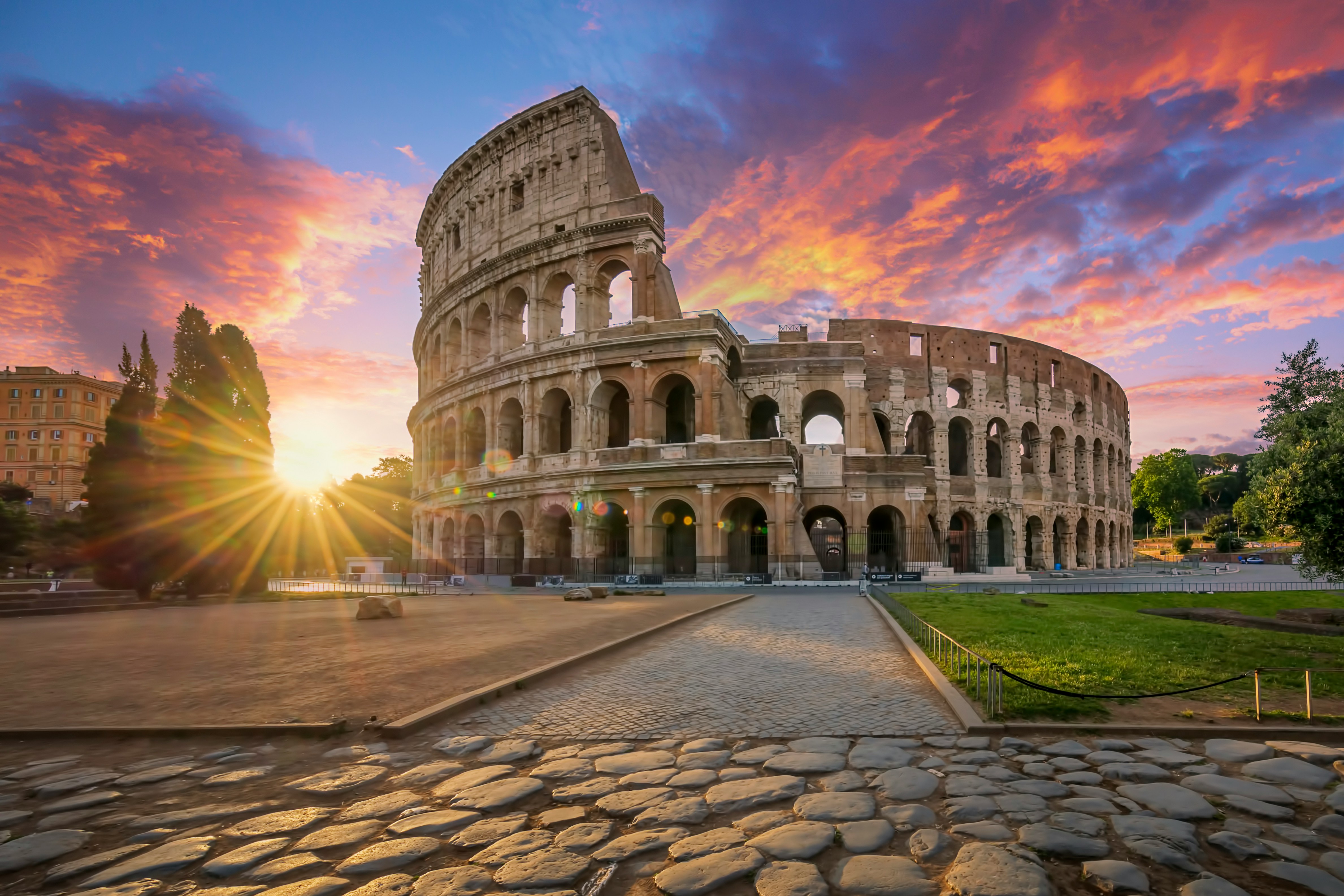
Michelle Goldberg writes about A Garish Spectacle of American Decline in The New York Times by stating that “only the hackiest screenwriter imaginable would script America’s decline this way.”
Notable quote:
“The Wall Street Journal reported on one excited fan who drove seven hours in the hope of seeing Trump’s pageant and said, ‘It’s like the Colosseum in real life.’ To America’s founders, the fall of the Roman Republic and the rise of the Roman Empire was a cautionary tale. To parts of MAGA, it’s apparently aspirational.
But to everyone else, the confluence of America’s failure in Iran and Trump’s Temu colosseum should paint a clear picture of decadence, rot and weakness trying to conceal itself behind macho kitsch. This is an administration capable of immense, epic destruction, but unable to create much besides spectacle.”
Parker J. Palmer—in Tacky Birthday, Dear America! Tacky Birthday to You!—shows pictures of what visitors who come to D.C. this summer to celebrate America’s birthday will see: numerous examples of the MAGA aesthetic in addition to cage fights.
Notable quote:
“When people around the world look at the U.S. these days, they don’t see a ‘city set on a hill.’ They see Ugly Americans, full of contempt for all that does not conform to “the American way.” They see Rich Americans full of greed, despite the fact that they have more than they need. They see Arrogant Americans, full of a sense of entitlement to drop bombs, shoot bullets and let sick and starving people die wherever it suits their fancy. On June 14, when the MMA fighters duke it out in front of the White House, the world will see MAGA’s commitment to the survival of the fittest and the doctrine of might makes right. They will see an America to be feared, not celebrated, led by some of the tackiest men and women in U.S. history.
If I’m going to have things strewn all around the yard, I’d prefer this scene to what we just saw at the White House. This is what democracy looks like.
I’M ON TEAM LEO

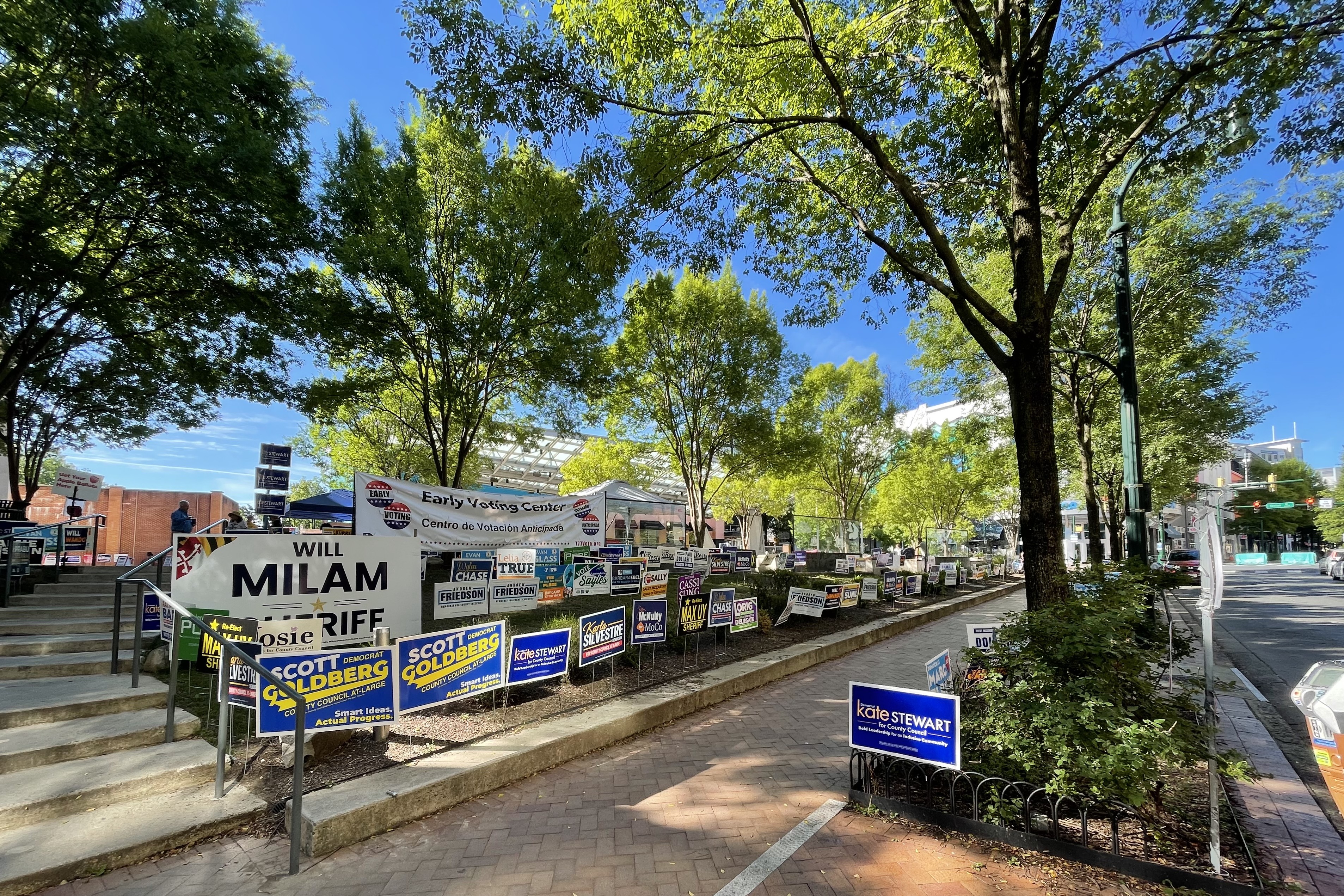
Christopher Hale‘s Letters from Leo featured this recent post: “John, I’m the Pope”—Viral Nikes, Car Talk, and the Disarming Humanity of Leo XIV. Pope Leo has been on the right side of so many recent conflicts, reminding the faithful (and others) of what we should be doing as humans and believers. One way he does that is by being very human himself in all his interactions.
Notable quote:
“John Prevost, the pope’s older brother, rang from Chicago with a computer problem—because Bob, as the family still calls him, has always been the one who fixes these things.
‘John, I’m the pope,’ Leo reminded him.
The reply came without a pause: ‘Oh, sorry pope. My computer is broken.'”
I’ve just discovered Christopher Hale and Letters from Leo. And guess what? He’s from my hometown!
“I grew up Catholic in Murfreesboro, Tennessee—St. Rose of Lima parish, the kind of Southern Catholic upbringing where you learn early that your faith puts you at odds with polite company. My grandfather Jolly Hayden was Irish; my grandmother Mary Michael Fiorella was Italian. The faith I inherited from them is stubborn, sacramental, and unapologetically concerned with the world.”
He had me with that line about Southern Catholic upbringing. I’ve reminded more than one family member who was raised Catholic that they need to be careful about prejudice . . . because where “I come from” Catholics were not exactly the most popular people in the Bible Belt. I had lots of Catholic friends who went to St. Rose of Lima parish, and we played them in church league basketball, which reminds me of this great cartoon:

Oh, and then there is this from Christopher Hale (to jump back to the earlier stories):
THE TIME IN-BETWEEN THE UNCHANGEABLE PAST AND THE UNKNOWABLE FUTURE
Singer, songwriter, and poet Carrie Newcomer shared the poem In the Hayfield on her A Gathering of Spirits newsletter. She is celebrating the “time of day when the day and night overlap. It is a liminal time between the cerulean blue of daytime and the indigo blue of night.”
Notable quote:
“I am in love with the untamed things,
The cloud, the doe,
Water, air and light.
I am filled with such tenderness
For ordinary things:
The practical mule, the pasture,
A perfect spiral of gathered hay.”
Musical interlude:
Newcomer also includes this song called Unless by Hawktail “There is something about this particular song that always feels a bit like that hayfield experience—haunting and heart achingly beautiful.”
THE SUN SETS MORE SLOWLY AT THE SOLSTICE
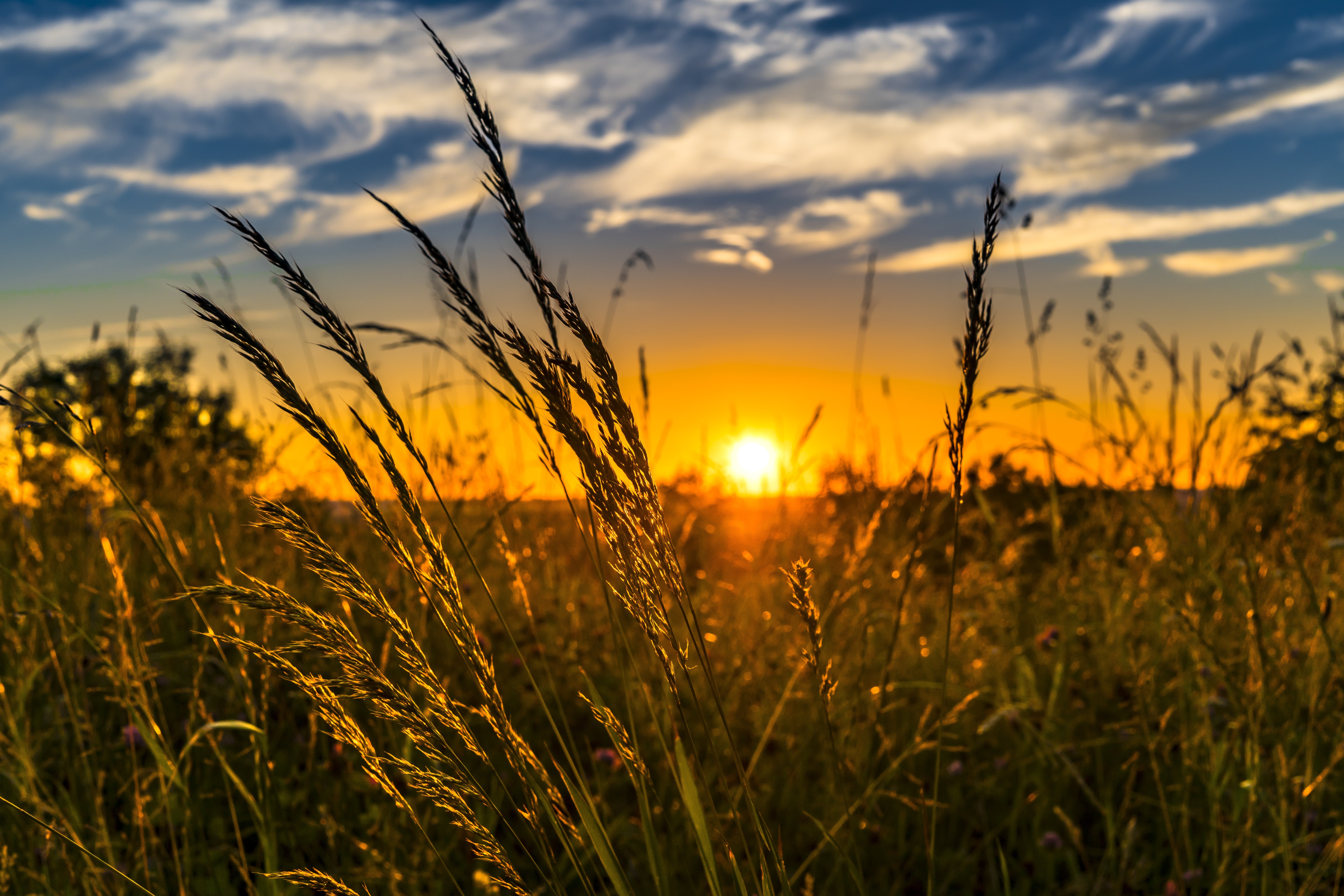
Finally, you can depend on the Old Farmers Almanac to give you plenty of facts about the solstice. In Summer Solstice 2026: When Is the First Day of Summer?, Catherine Boeckmann welcomes the solstice with some interesting facts and folklore.
Notable quote:
“Did you know that the Sun actually sets more slowly around the time of a solstice, in that it takes longer to set below the horizon? This is related to the angle of the setting Sun. The farther the Sun sets from due west along the horizon, the shallower the angle of the setting Sun. (Conversely, it’s faster at or near the equinoxes.) Bottom line, enjoy those long, romantic summertime sunsets at or near the solstice!”
Musical interlude:
Is there any better summer song than Summertime from Porgy and Bess? Does anyone sing it better than Ella? For my money, no.
Have a wonderful summer!
More to come . . .
DJB
*I didn’t come up with this title, but it really fits. Full credit goes to Sabrina Haake.
NOTE: Click here to read the grab bag from the 2026 Ides of March edition. Hmmm, I may be developing a pattern here.
Photo by Anastasia Zhenina on Unsplash


I didn’t realize the only game the Knicks lost was the one Trump attended. He’s such a jerk I can’t believe it.
Yes, pretty unbelievable. Or not.
Pingback: Observations from . . . June 2026 | MORE TO COME...
Pingback: Emptying the drafts folder | MORE TO COME...
Pingback: Don’t let them teach you only to hate | MORE TO COME...
Pingback: A Saturday grab bag: The 2026 Autumnal Equinox edition | MORE TO COME...